
Obtaining an official identification card is a fundamental aspect of establishing a lifestyle in any new state, and Colorado is no exception. Whether you’ve recently moved to the Centennial State, don’t drive, or simply require a valid form of state-issued identification for everyday purposes, understanding the process for acquiring a Colorado ID card is crucial. This document serves as a vital tool for various aspects of daily life, from opening bank accounts and cashing checks to proving age for purchases and accessing state services. It’s an essential step towards seamlessly integrating into the local fabric and enjoying all that Colorado has to offer.

Understanding the Need for a Colorado ID
A Colorado ID card is more than just a piece of plastic; it’s a gateway to numerous conveniences and necessities within the state. For many, it replaces the need for a driver’s license as primary identification, while for others, it complements existing documents. Its importance spans across legal, administrative, and social realms, providing a standardized and government-verified proof of identity and residency.
Who Needs a Colorado ID Card?
The utility of a Colorado ID card extends to a broad demographic. New residents, particularly those who have relocated from other states, will find it indispensable for establishing roots. This includes tasks such as registering children for school, applying for jobs, and accessing healthcare services. Non-drivers, whether due to personal choice, medical reasons, or age, rely on state ID cards as their primary form of identification, ensuring they can navigate daily life without the need for a driver’s license. Furthermore, individuals who frequently travel domestically may prefer a state ID that is REAL ID Act compliant for air travel, especially if their passport is less convenient to carry. Even for those with a valid driver’s license, an ID card can serve as a backup in case the primary document is lost or stolen, offering an immediate solution for identification needs.
Colorado ID vs. Driver’s License
While both a Colorado ID card and a Colorado driver’s license serve as official proof of identity and residency, their primary functions differ significantly. The driver’s license specifically grants the privilege to operate a motor vehicle, requiring applicants to pass driving tests in addition to identity verification. An ID card, on the other hand, is purely for identification purposes and does not authorize driving. This distinction is vital for individuals who do not intend to drive but still require a robust, government-issued form of identification. The application process for an ID card is generally simpler as it bypasses the driving-related requirements, making it a more accessible option for a wider population. Both documents, however, adhere to the same stringent identity verification standards set by the Colorado Division of Motor Vehicles (DMV) and, if compliant, by federal guidelines such as the REAL ID Act.
Essential Documents Required
Navigating the administrative process of obtaining a Colorado ID card requires careful preparation. The Colorado DMV is meticulous about verifying an applicant’s identity, social security number, and residency. Having all the necessary documentation organized and ready before your visit will significantly streamline the application process and prevent delays.
Proof of Identity
To establish your legal identity, the Colorado DMV requires original documents that verify your full legal name and date of birth. Accepted primary documents often include a valid, unexpired US passport or passport card, an original or certified birth certificate issued in the US, or a certificate of naturalization. For non-US citizens, valid immigration documents such as an unexpired foreign passport with a valid US visa and an I-94, or a Permanent Resident Card (Green Card), are typically required. It is crucial that these documents are originals, not photocopies, and any name discrepancies across documents might require additional proof, such as a marriage certificate or court order for a name change.
Proof of Social Security Number (SSN)
The Colorado DMV mandates proof of your Social Security Number (SSN). Acceptable documents include your Social Security card, a W-2 form, or a 1099 form. These documents must display your full SSN. If you do not have an SSN, or if you are ineligible to receive one, specific procedures and alternative documentation may apply, often involving an affidavit and proof of legal presence in the US for non-citizens. It’s advisable to confirm these specific requirements with the DMV directly or through their official website if this situation applies to you.
Proof of Colorado Residency
Demonstrating that you are a bona fide resident of Colorado is a critical step. The DMV typically requires two different documents showing your current Colorado street address. These documents must be recent, usually dated within the last year, and bear your name and address. Common examples include utility bills (electricity, water, gas), bank statements, a current lease agreement or mortgage statement, a pay stub, or a valid Colorado voter registration card. Post office box addresses are generally not accepted as proof of residency; a physical street address is required. For new residents, a temporary residency affidavit might be an option if you haven’t yet accumulated two forms of standard proof, though this varies and should be verified with the DMV.
The Application Process: Step-by-Step
Once you have meticulously gathered all the necessary documents, the actual application process for your Colorado ID card is straightforward, albeit requiring an in-person visit. Following these steps will ensure a smooth and efficient experience.
Schedule Your Appointment
While some DMV offices may accept walk-ins, scheduling an appointment is highly recommended, especially in larger cities like Denver, Colorado Springs, Fort Collins, or Boulder. Appointments can typically be made online through the official Colorado DMV website. This not only minimizes wait times but also ensures you have a dedicated slot, reducing potential stress and time expenditure. During the online scheduling process, you can often select the most convenient DMV branch and specify the service you require, which is “ID Card Application.”
Visiting the Colorado Division of Motor Vehicles (DMV)
On the day of your appointment, arrive a few minutes early with all your original, physical documents. At the DMV office, you will typically check in and wait for your number to be called. A DMV representative will review your documentation to ensure it meets all requirements. You will then complete an application form, have your photograph taken, and provide a digital signature. It’s essential to be prepared to answer any questions regarding your identity and residency honestly and accurately. Be patient, as even with an appointment, minor delays can occur.
Fees and Validity
There is a fee associated with obtaining a Colorado ID card. The exact amount can vary slightly, so it’s best to check the current fee schedule on the official Colorado DMV website before your visit. Most DMV locations accept various forms of payment, including cash, credit/debit cards, and checks. Once processed, you will typically receive a temporary paper ID that is valid for a short period. Your permanent, plastic Colorado ID card will then be mailed to your specified Colorado address within a few weeks. Colorado ID cards are typically valid for a period of five years, after which they will need to be renewed.
Special Considerations for Colorado Newcomers
For those just establishing their lifestyle in Colorado, there are a couple of additional points to keep in mind, especially concerning federal standards and immigration status.
Federal REAL ID Compliance
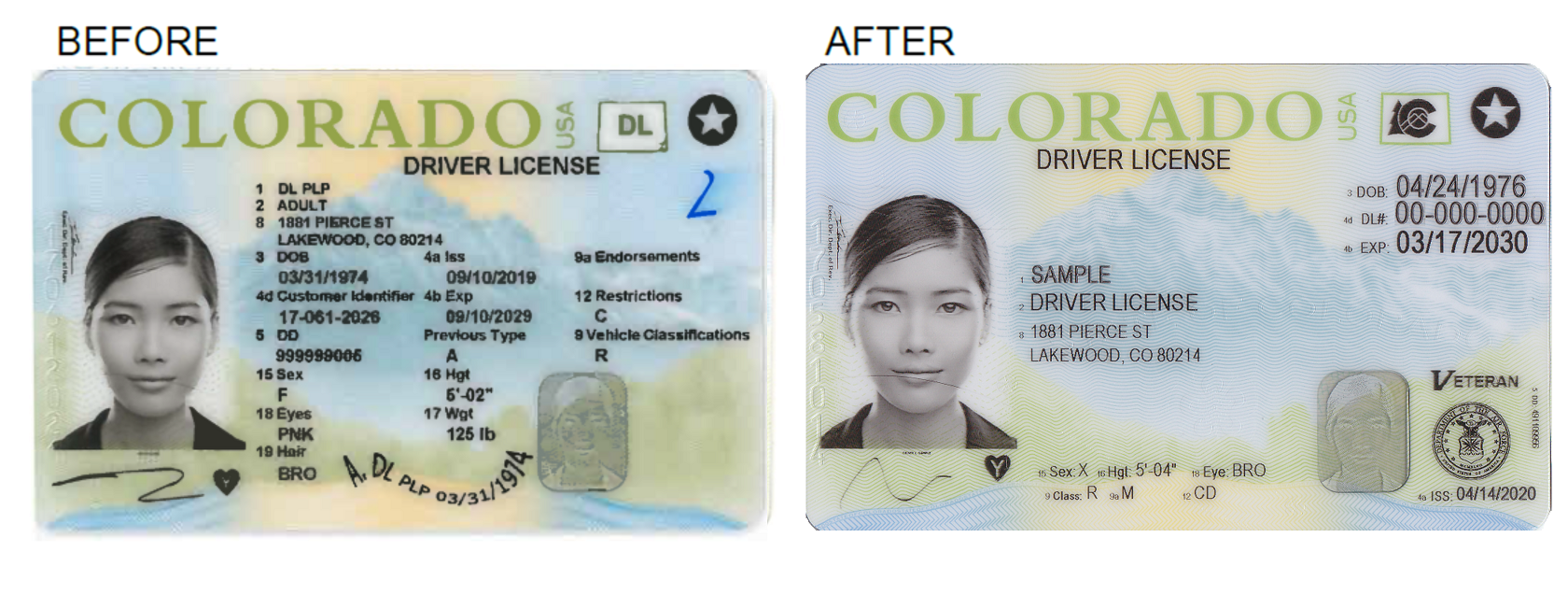
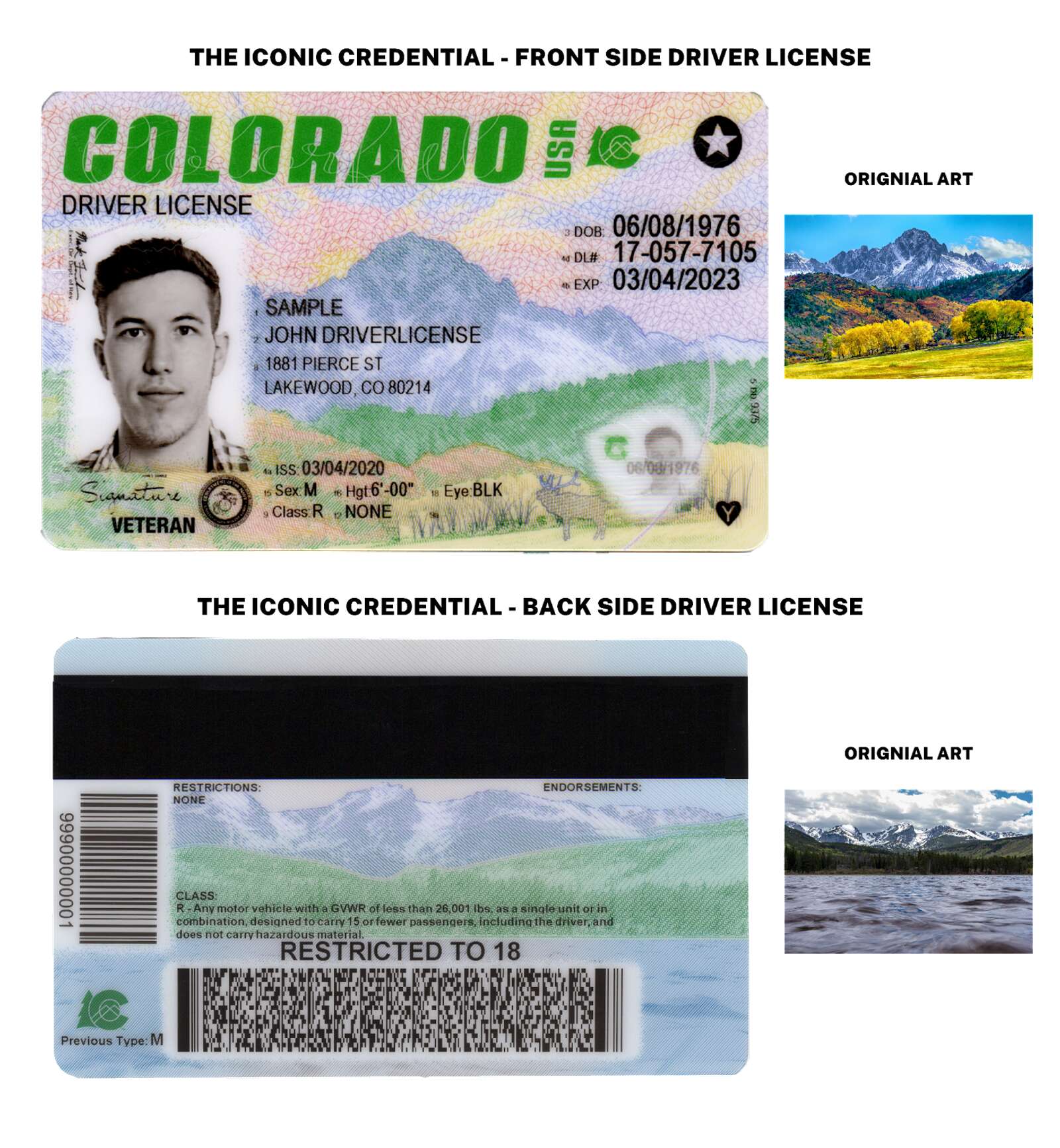
The REAL ID Act, enacted by Congress in 2005 based on a recommendation from the 9/11 Commission, sets minimum security standards for state-issued driver’s licenses and identification cards. While Colorado has been compliant with the REAL ID Act for some time, it’s essential to ensure that the ID card you obtain is indeed REAL ID compliant if you intend to use it for federal purposes, such as boarding domestic flights or entering federal facilities (like military bases) after the enforcement deadline set by the Department of Homeland Security (DHS). REAL ID compliant cards feature a star in the upper right-hand corner. The documentation requirements listed above are generally sufficient for a REAL ID compliant card; however, always double-check the latest requirements on the DMV website.
Non-US Citizens and ID Cards
Non-US citizens residing legally in Colorado are also eligible to apply for a Colorado ID card. The primary difference in the application process lies in the proof of identity and legal presence documents. Instead of a US birth certificate or passport, applicants will need to present valid immigration documents such as a Permanent Resident Card (Green Card), an unexpired foreign passport with a valid US visa and I-94 record, or an Employment Authorization Document (EAD). The validity period of the Colorado ID card for non-US citizens may be tied to the expiration date of their legal presence documents, rather than the standard five years. It’s crucial for non-US citizens to consult the Colorado DMV website or contact them directly for the most up-to-date and specific requirements pertaining to their individual immigration status.
Maintaining Your Colorado ID
Once you have your Colorado ID card, it’s important to understand how to maintain its validity and what steps to take if it’s ever compromised. Proper management of your identification ensures continued access to services and safeguards against potential issues.
Renewing Your ID Card
Colorado ID cards typically have a validity period of five years. The DMV usually sends renewal notices prior to expiration, though it is ultimately the cardholder’s responsibility to renew on time. Renewal can often be done online, by mail, or in person at a DMV office. Online or mail renewals are generally available if your personal information (name, address) has not changed and you are a US citizen. If there have been significant changes, or if you are a non-US citizen, an in-person visit might be required to re-verify documents. Always check the official DMV website for the specific renewal requirements applicable to your situation. Renewing promptly avoids any lapse in your official identification.
What to Do If Your ID is Lost or Stolen
Losing your Colorado ID card or having it stolen can be a significant inconvenience and a security risk. The first step should be to report the loss or theft to local law enforcement, especially if theft is suspected. This creates an official record that can be helpful in preventing identity fraud. Immediately afterward, contact the Colorado DMV to inquire about obtaining a replacement card. You will typically need to visit a DMV office in person, bringing some form of secondary identification and possibly additional documentation to verify your identity and residency. There will be a fee for a replacement card. Acting swiftly in such situations is paramount to protect your identity and ensure you maintain a valid form of state identification for your lifestyle in Colorado.
LifeOutOfTheBox is a participant in the Amazon Services LLC Associates Program, an affiliate advertising program designed to provide a means for sites to earn advertising fees by advertising and linking to Amazon.com. Amazon, the Amazon logo, AmazonSupply, and the AmazonSupply logo are trademarks of Amazon.com, Inc. or its affiliates. As an Amazon Associate we earn affiliate commissions from qualifying purchases.