
Colorado has long been a pioneer in cannabis legislation within the United States, setting a precedent for both medical and recreational use. For many, the option to access medical marijuana legally provides a vital path to managing various health conditions, enhancing their quality of life. Whether you’re a long-term resident of the Centennial State or considering an extended stay with health needs in mind, understanding how to navigate the process of obtaining a Colorado Medical Marijuana Card – often referred to simply as a “Med Card” – is crucial.
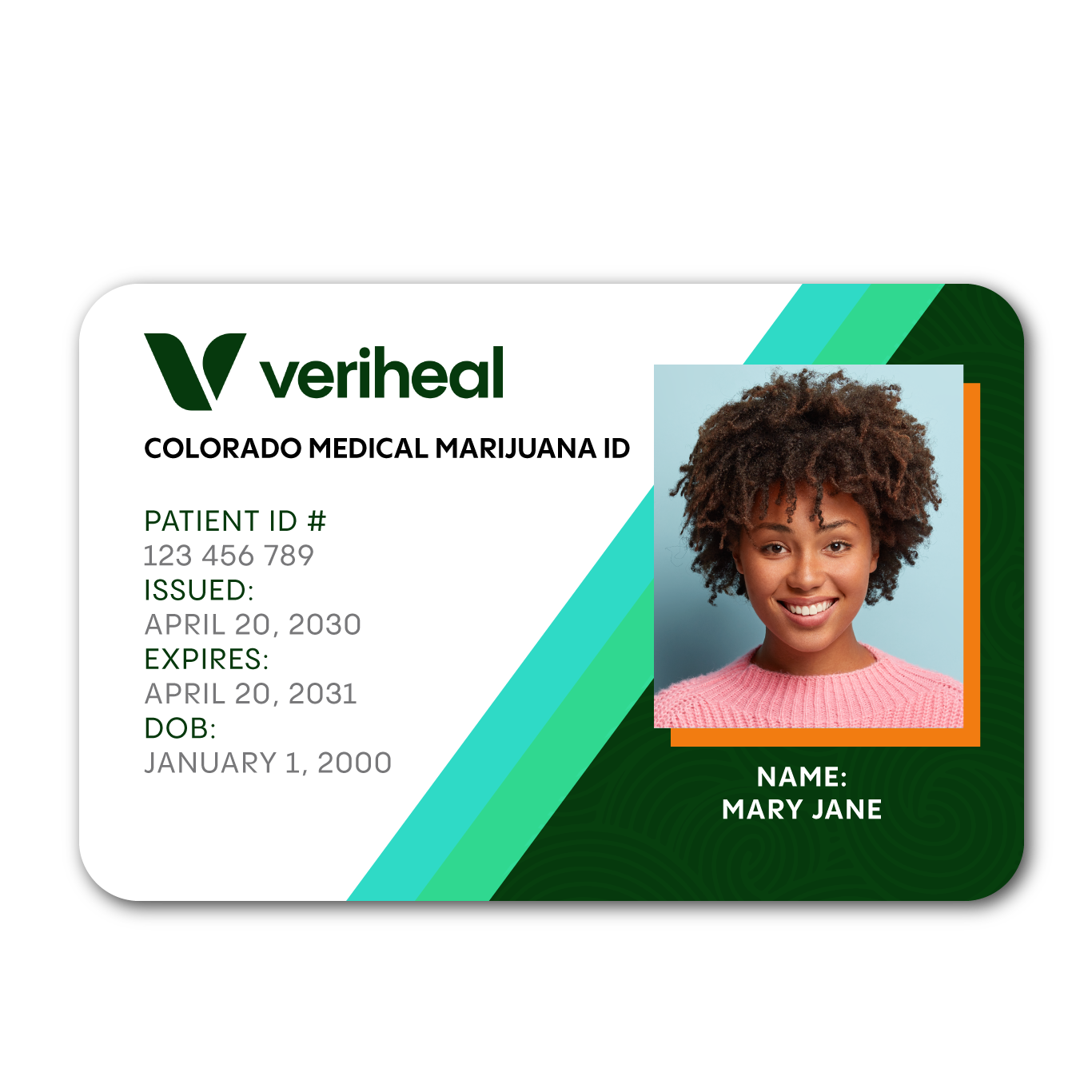
This guide delves into the specifics of qualifying, applying, and leveraging a Med Card, tying it into the broader context of Colorado‘s vibrant travel, tourism, and lifestyle offerings. It’s about more than just a piece of plastic; it’s about gaining access to tailored wellness solutions that can profoundly impact your experience in this stunning state, from its bustling cities like Denver and Boulder to the serene beauty of the Rocky Mountains.
Understanding Colorado’s Medical Marijuana Program and Eligibility
Before embarking on the application journey, it’s essential to grasp the foundational aspects of Colorado‘s Medical Marijuana Program. Established to provide qualifying patients with legal access to cannabis for medicinal purposes, this program is overseen by the Colorado Department of Public Health and Environment (CDPHE) through the Colorado Medical Marijuana Registry. The benefits of holding a Med Card extend beyond mere legality, often including access to a wider range of products, higher potency options, and more favorable pricing at licensed dispensaries across the state.
Who Qualifies for a Colorado Med Card?
Eligibility for a Colorado Med Card is primarily restricted to Colorado residents. This means you must be able to prove residency in the state. Typically, this requires a Colorado driver’s license or a Colorado state identification card. For minors, parental consent and specific legal guardianship requirements are also in place, necessitating a primary caregiver to manage their medical cannabis.
Beyond residency, the most critical qualification is having a “debilitating medical condition” that a licensed Colorado physician has diagnosed and determined could benefit from medical marijuana. The state outlines a specific list of qualifying conditions, but it also allows for physicians to recommend cannabis for other conditions if they deem it medically appropriate. This flexibility underscores Colorado‘s patient-centric approach to medical cannabis.
Qualifying Medical Conditions Recognized in Colorado
Colorado recognizes several medical conditions that may qualify an individual for a medical marijuana card. These include, but are not limited to:
- Cancer: For severe pain, nausea, and other side effects of cancer and its treatments.
- Glaucoma: To reduce intraocular pressure.
- HIV/AIDS: For chronic pain, appetite stimulation, and wasting syndrome.
- Cachexia: Severe weight loss and muscle wasting due to chronic illness.
- Persistent Muscle Spasms: Especially those associated with multiple sclerosis or other neurological conditions.
- Seizures: Including those characteristic of epilepsy.
- Severe Nausea: Unresponsive to conventional treatments.
- Severe Pain: Chronic and debilitating pain that significantly impacts quality of life.
- Post-Traumatic Stress Disorder (PTSD): Recognized as a qualifying condition that cannabis may alleviate.
- Autism Spectrum Disorder: For managing associated symptoms.
- Any other condition that a physician deems debilitating and for which medical marijuana would be beneficial. This last point provides a crucial avenue for patients with unique or less common conditions to still access the program, provided a doctor supports their recommendation.
It’s vital that patients thoroughly discuss their medical history and symptoms with a qualified physician to determine if medical cannabis is the right treatment path for them and if their condition meets the state’s criteria.
Navigating the Application Process: Your Step-by-Step Guide
The process of obtaining a Colorado Med Card is structured but straightforward, largely managed through an online portal. Adhering to each step carefully will ensure a smooth and efficient application. This section breaks down the journey from doctor’s visit to card in hand, keeping in mind the various considerations for those embracing a lifestyle in Colorado.
Step 1: Securing a Physician’s Recommendation
The cornerstone of your application is a valid recommendation from a licensed Colorado physician. This cannot be just any doctor; they must be registered with the state to issue medical marijuana recommendations. The consultation typically involves a review of your medical records, a physical examination, and a discussion about your qualifying condition and how medical cannabis might offer relief. It’s important to be open and honest about your health history. The doctor will then enter their recommendation directly into the Colorado Medical Marijuana Registry online system, which is a secure and confidential portal.
Finding such a physician can be done through online searches, referrals from other patients, or through specialized clinics that focus on medical cannabis evaluations. Many of these clinics are conveniently located in major population centers like Denver, making access relatively easy for residents and those considering a move to the urban hubs.
Step 2: Registering with the Colorado Medical Marijuana Registry
Once your physician has submitted their recommendation, you can proceed with your application to the Colorado Medical Marijuana Registry. This is an entirely online process that requires you to create an account and submit various pieces of information and documentation.
You’ll need:
- Proof of Colorado Residency: This typically involves uploading a clear photo or scan of your valid Colorado driver’s license or state ID.
- Physician’s Certification: This will be linked to your application directly by your doctor in the registry system.
- Application Fee: There is a non-refundable fee associated with the application. This fee is subject to change, so always check the current amount on the CDPHE website. For those facing financial hardship, the state offers a waiver option, though specific criteria must be met.
- Digital Signature: You’ll need to electronically sign your application, affirming that all information provided is true and accurate.
The online portal is designed to be user-friendly, guiding applicants through each section. It’s crucial to double-check all information before submission to avoid delays. The CDPHE processing times can vary, but generally, applicants can expect to receive their approval or a request for additional information within a few weeks.
Step 3: Receiving and Utilizing Your Med Card
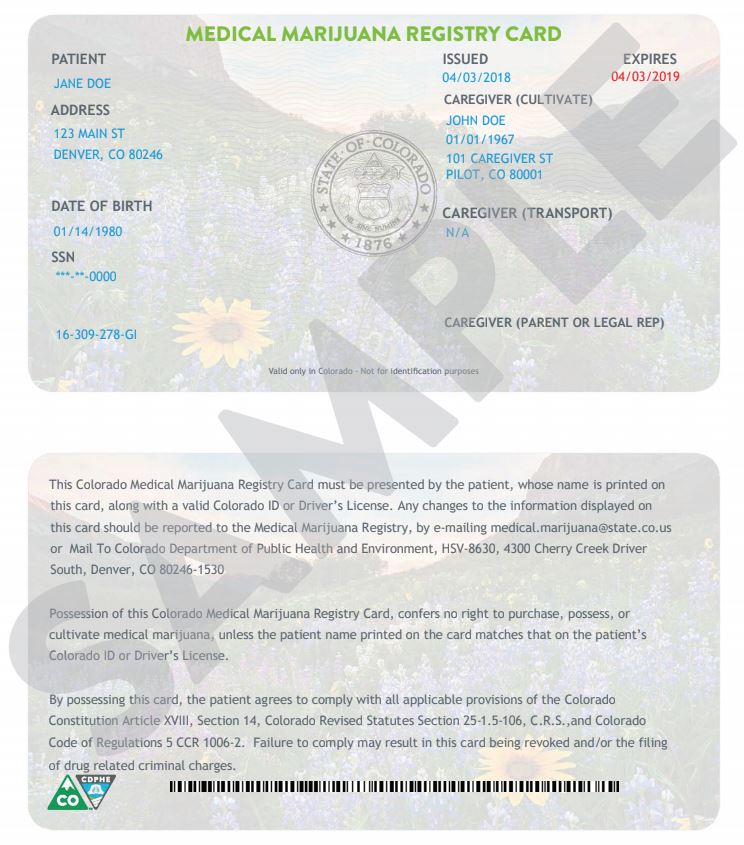
Upon approval, you won’t necessarily receive a physical card in the mail immediately. Colorado has transitioned to a digital system, where your approval is stored electronically within the registry. You will receive an email notification of your approval, which typically includes a temporary ID number. You can then access and print your official digital card from your online registry account. This digital card, along with your Colorado state ID, serves as proof of your status as a medical marijuana patient.
With your Med Card in hand, you gain legal access to licensed medical marijuana dispensaries across Colorado. These dispensaries often offer a broader selection of products, including higher potency options and specific strains tailored for medical conditions, which might not be available in recreational stores. Many dispensaries also provide consultations with knowledgeable staff who can help guide you through product selection based on your specific needs and the physician’s recommendation. This enhanced access forms a key part of the Colorado lifestyle for those who require medical cannabis.
Benefits and Considerations for Colorado Med Card Holders
Having a Colorado Med Card brings several distinct advantages, particularly when compared to relying solely on the recreational market. However, it also comes with responsibilities and limitations that cardholders must understand to remain compliant with state and federal laws.
Enhanced Access and Product Selection at Dispensaries
One of the most significant benefits of a Med Card is the expanded access it grants. Medical marijuana dispensaries, regulated by the Marijuana Enforcement Division (MED), are distinct from recreational ones. They often cater specifically to patients, offering a more extensive inventory of medical-grade cannabis, including products with higher cannabinoid concentrations (like CBD or THC), a wider variety of edibles, tinctures, and topicals. For patients dealing with chronic pain or severe conditions, this access to specialized products can be invaluable.
Furthermore, medical patients typically benefit from higher purchase limits compared to recreational consumers. This means fewer trips to the dispensary and the ability to stock up on necessary medication. Many dispensaries also offer tax exemptions or lower tax rates for medical patients, leading to considerable cost savings over time. For those exploring Colorado‘s diverse cities, such as Aspen or Vail, where the cost of living and tourism can be high, these savings contribute to a more manageable lifestyle.
Legal Protections and Limitations
While a Colorado Med Card provides state-level legal protection, it’s crucial to remember that marijuana remains illegal under federal law. This means that transporting cannabis across state lines, even to another legal state, is prohibited. Similarly, federal properties, including national parks like those in the Rocky Mountains and federal buildings, are off-limits for cannabis possession or use.
Within Colorado, cardholders are protected from state prosecution for possessing and using medical marijuana according to the regulations. However, public consumption is still generally prohibited, and driving under the influence of cannabis is illegal and carries serious penalties. Employers also retain the right to enforce drug-free workplace policies, even for medical cardholders. Understanding these limitations is paramount for responsible use and integration into your Colorado lifestyle, whether you’re enjoying the vibrant culture of Denver or the outdoor adventures of Boulder.
The Renewal Process
A Colorado Med Card is not permanent; it typically needs to be renewed annually. The renewal process is similar to the initial application. You will need to obtain a new physician’s recommendation, often requiring another consultation to assess your ongoing medical needs. This new recommendation is then submitted to the Colorado Medical Marijuana Registry, along with the updated application and renewal fee. It’s advisable to start the renewal process several weeks before your card’s expiration date to ensure continuous access to medical cannabis without interruption. The CDPHE website provides reminders and detailed instructions for renewals, making it a relatively smooth administrative task.
Colorado Med Card and Integrating with Travel and Accommodation
For visitors and long-term residents alike, integrating the management of a medical marijuana card with Colorado‘s booming tourism and accommodation sectors requires thoughtful planning. The state’s welcoming attitude towards cannabis means many businesses are adapting, but rules vary.
Navigating Colorado’s Destinations with a Med Card
Having a Med Card can shape your travel experience within Colorado. When visiting different destinations like the historic mining towns, bustling ski resorts, or serene mountain retreats, understanding local regulations is key. While your card is valid statewide, local ordinances might have specific rules regarding cannabis use or the operation of dispensaries. For instance, some smaller towns might not have medical dispensaries, meaning you’ll need to plan your supply accordingly from larger cities.
Responsible use is always encouraged. When exploring attractions and landmarks, discretion is vital. Public consumption remains prohibited, and even in cannabis-friendly locales, respect for non-cannabis users is expected. Many dispensaries offer discreet consumption methods like edibles or vape pens, which can be more practical for travelers exploring Colorado‘s natural beauty or urban attractions. From hiking trails in the Rocky Mountains to art galleries in Denver, your Med Card allows for personal wellness management without impacting your ability to enjoy the state’s offerings.
Finding Cannabis-Friendly Accommodation in Colorado
The landscape of accommodation in Colorado is evolving to meet the needs of cannabis consumers, including medical patients. While most traditional hotels and resorts still maintain strict non-smoking policies (which typically extend to cannabis), a growing number of cannabis-friendly options are emerging. These can range from boutique hotels and private apartments listed on short-term rental platforms to dedicated cannabis-friendly villas and guesthouses.
When booking accommodation, it’s crucial to inquire about their specific policies regarding cannabis use. Some establishments may allow vaping indoors but prohibit smoking. Others might designate specific outdoor areas for consumption. For those seeking long-term stays, particularly in cities like Boulder or Colorado Springs, searching for cannabis-friendly apartments or rental homes is a viable option. Websites specializing in cannabis tourism often list verified 420-friendly hotels and suites, offering peace of mind for medical cardholders. This ensures that your choice of lodging complements your lifestyle and medical needs, allowing for a comfortable and compliant stay in Colorado.
Conclusion
Obtaining a Colorado Medical Marijuana Card is a well-defined process that offers significant benefits for qualifying residents. It opens doors to enhanced access, tailored products, and potential cost savings, all within a state that embraces progressive cannabis policies. Whether you’re a long-time resident integrating medical cannabis into your daily lifestyle or a newcomer considering Colorado for its unique blend of outdoor adventure and forward-thinking health solutions, understanding the Med Card system is an invaluable step.
By following the outlined steps—from securing a physician’s recommendation to navigating the online registry and understanding the nuanced legal landscape—you can responsibly access the medical cannabis you need. As you explore Colorado‘s diverse destinations, from the majestic Rocky Mountains to the vibrant streets of Denver, your Med Card can be a tool for better health and well-being, ensuring your journey through the Centennial State is as comfortable and fulfilling as possible. Always prioritize responsible use and stay informed about the latest regulations to make the most of your Colorado Med Card.
LifeOutOfTheBox is a participant in the Amazon Services LLC Associates Program, an affiliate advertising program designed to provide a means for sites to earn advertising fees by advertising and linking to Amazon.com. Amazon, the Amazon logo, AmazonSupply, and the AmazonSupply logo are trademarks of Amazon.com, Inc. or its affiliates. As an Amazon Associate we earn affiliate commissions from qualifying purchases.