
Obtaining a Commercial Driver’s License (CDL) in Colorado opens up a wide array of career opportunities in transportation, a critical industry that underpins virtually every sector of the state’s economy, from agriculture and manufacturing to its thriving tourism and outdoor recreation industries. Navigating the scenic routes of the Rocky Mountains, delivering goods to bustling cities like Denver, or supporting the logistics for ski resorts and national parks, commercial drivers are essential. This comprehensive guide outlines the step-by-step process to secure your CDL in the Centennial State, detailing the requirements, procedures, and resources available to ensure a smooth journey into a rewarding profession.
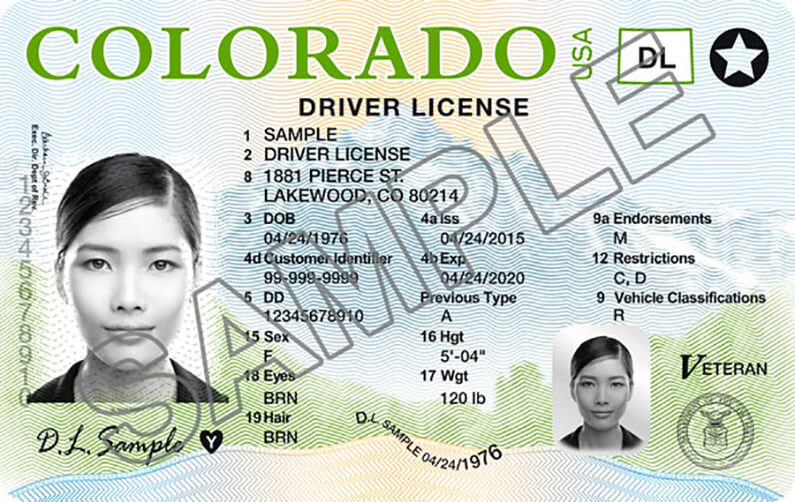
The First Steps Towards Your CDL in Colorado
Before embarking on the rigorous training and testing required for a CDL, prospective drivers in Colorado must meet several fundamental criteria and understand the different classifications of commercial vehicles. These initial steps are crucial for determining eligibility and setting the correct path for your desired driving career.
Understanding CDL Classes
The Federal Motor Carrier Safety Administration (FMCSA) defines three primary classes of CDLs, each corresponding to different types of commercial vehicles based on their Gross Vehicle Weight Rating (GVWR), Gross Combination Weight Rating (GCWR), or the number of passengers they are designed to carry. Colorado adheres to these federal classifications:
- Class A CDL: Required for driving any combination of vehicles with a GCWR of 26,001 pounds or more, provided the GVWR of the vehicle(s) being towed is more than 10,000 pounds. This includes tractor-trailers, truck and trailer combinations, flatbeds, and livestock carriers. It is the most comprehensive CDL and allows drivers to operate Class B and Class C vehicles as well, with appropriate endorsements.
- Class B CDL: Necessary for operating a single vehicle with a GVWR of 26,001 pounds or more, or towing a vehicle not heavier than 10,000 pounds. Common vehicles in this class include straight trucks, large buses (city buses, tour buses), dump trucks, and segmented buses.
- Class C CDL: Required for vehicles that do not meet the criteria for Class A or Class B, but are designed to transport 16 or more passengers (including the driver), or transport hazardous materials (HAZMAT) requiring a placard. This typically includes smaller buses, passenger vans, and vehicles carrying hazardous waste.
Choosing the correct class upfront is vital, as it dictates the training program and tests you will need to complete.
Eligibility Requirements
To be eligible for a CDL in Colorado, applicants must satisfy specific age, residency, and driving record criteria. These requirements ensure that only qualified and responsible individuals are entrusted with operating commercial vehicles.
- Age: You must be at least 18 years old to drive a commercial vehicle intrastate (within Colorado only). To drive interstate (across state lines) or transport hazardous materials, you must be at least 21 years old.
- Residency: You must be a legal resident of Colorado. Proof of residency will be required, typically two documents from a list provided by the Colorado Division of Motor Vehicles (CDMV).
- Valid Driver’s License: You must possess a valid, non-commercial Colorado driver’s license. Your license must not be suspended, revoked, canceled, or disqualified in any state.
- Driving Record: A clean driving record is paramount. The CDMV will review your driving history for the past 10 years across all 50 states and the District of Columbia. Certain serious offenses, such as driving under the influence (DUI), leaving the scene of an accident, or excessive speeding, can disqualify you from obtaining a CDL for a specified period.
- English Language Proficiency: Applicants must be able to read and speak English sufficiently to converse with the general public, understand highway traffic signs and signals, respond to official inquiries, and make entries on reports and records.
Fulfilling these preliminary requirements is the gateway to beginning your CDL journey. It’s advisable to gather all necessary documentation, such as proof of identity, residency, and your current driver’s license, before proceeding.
Navigating the Colorado CDL Permit Process
Once you meet the eligibility criteria, the next significant step is to obtain a Commercial Learner’s Permit (CLP). The CLP allows you to practice driving a commercial vehicle on public roads under the supervision of a licensed CDL holder, preparing you for the comprehensive skills test.
Medical Certification
Before you can apply for a CLP, you must undergo a mandatory physical examination by a certified medical examiner listed on the FMCSA National Registry. This examination ensures you are medically fit to operate a commercial vehicle safely. The examiner will assess your vision, hearing, blood pressure, and overall physical and mental health. Upon passing, you will receive a Medical Examiner’s Certificate (DOT card), which must be provided to the CDMV and kept with your CDL at all times.
Drivers must self-certify their driving type with the CDMV (e.g., Non-Excepted Interstate, Non-Excepted Intrastate). Most commercial drivers operate in the Non-Excepted Interstate category, which means they are subject to federal DOT medical card requirements.
Knowledge Tests
After obtaining your medical certificate, you must pass a series of written knowledge tests administered by the CDMV. These tests assess your understanding of general commercial vehicle operation, air brakes, and combination vehicles (if applicable for a Class A CDL). Depending on the endorsements you seek, additional tests may be required for:
- Hazardous Materials (H): Transporting placarded hazardous materials.
- Tanker (N): Operating a tank vehicle.
- Passenger (P): Driving a vehicle designed to transport 16 or more passengers.
- School Bus (S): Operating a school bus.
- Double/Triple Trailers (T): Towing double or triple trailers (not permitted for triples in Colorado).
It is highly recommended to study the Colorado CDL Manual thoroughly, as it contains all the information needed to pass these exams. You must pass all required knowledge tests to obtain your CLP. Once you have your CLP, there’s a mandatory waiting period of at least 14 days before you can take the CDL skills test, allowing time for practical driving practice.
Practical Training and Skills Testing
With your CLP in hand, the focus shifts to hands-on training and demonstrating your ability to safely operate a commercial vehicle. This phase is crucial for developing the practical skills necessary for a successful career.
Choosing a CDL Training Program
While not federally mandated prior to February 7, 2022, Entry-Level Driver Training (ELDT) regulations now require all new CDL applicants to complete specific training from a provider listed on the FMCSA Training Provider Registry. This ensures a standardized level of instruction.
In Colorado, numerous certified CDL training schools offer programs tailored to different CDL classes and endorsements. When selecting a school, consider factors such as:
- FMCSA ELDT Compliance: Ensure the school is registered and compliant with ELDT regulations.
- Program Length and Curriculum: Programs typically range from a few weeks to several months, covering classroom instruction and extensive behind-the-wheel training.
- Instructor Experience: Experienced instructors can provide invaluable insights and practical tips.
- Vehicle Availability: Access to well-maintained training vehicles that match the CDL class you are pursuing is essential.
- Job Placement Assistance: Many schools offer support in finding employment upon graduation.
- Cost and Financial Aid: Tuition fees vary, and some schools may offer financing options or accept veterans’ benefits.
Practical training is where you’ll gain proficiency in pre-trip inspections, basic vehicle controls, backing maneuvers, and on-road driving under various conditions, essential skills for the upcoming skills test.
The Driving Skills Test
After completing your ELDT and practicing with your CLP, you can schedule your CDL skills test. In Colorado, these tests are typically administered by third-party examiners certified by the CDMV. The skills test consists of three parts:
- Pre-Trip Inspection: You must demonstrate your ability to inspect the commercial vehicle for safety and operational issues, identifying critical components and explaining their function.
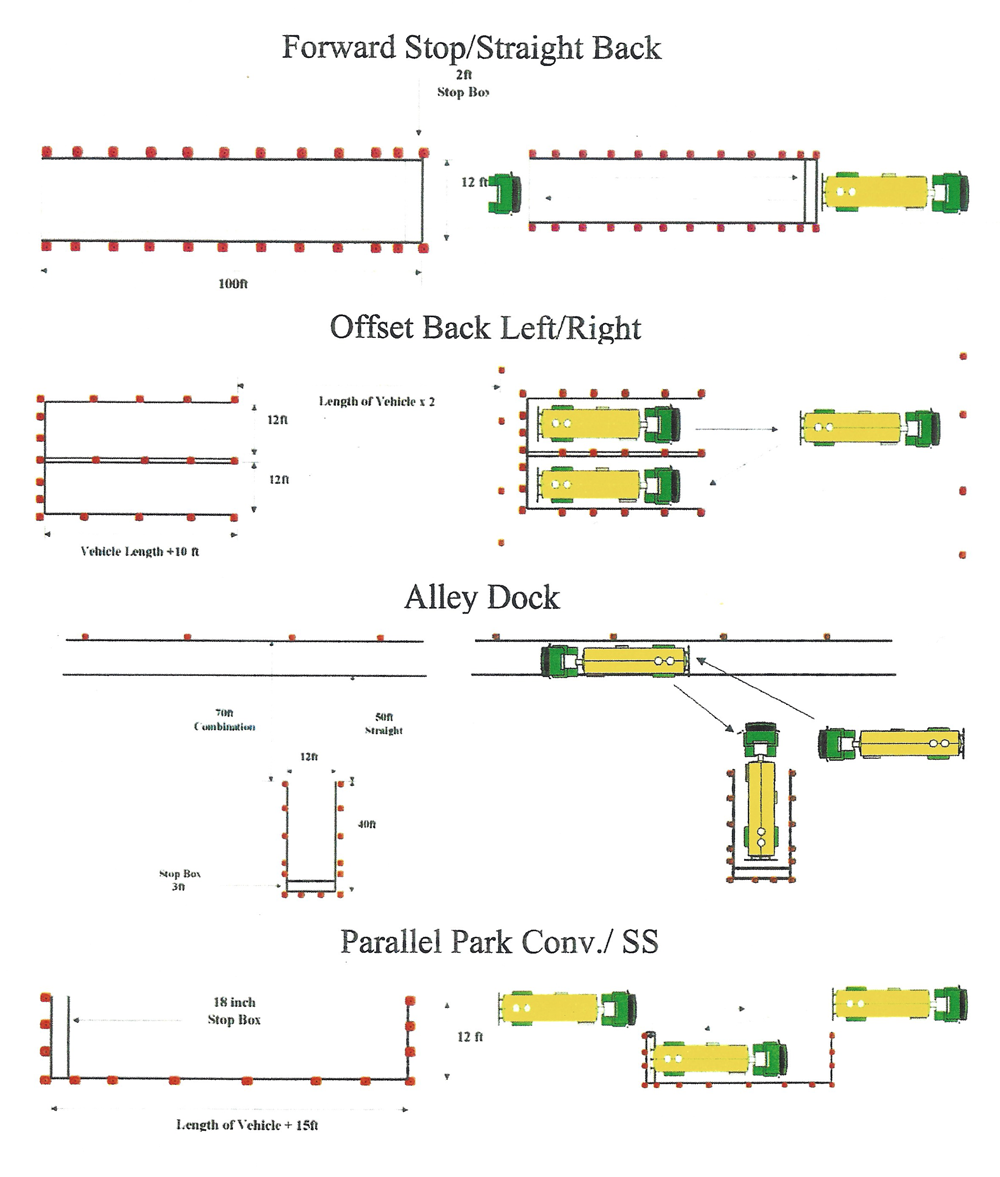
- Basic Vehicle Control Skills: This segment evaluates your ability to perform various maneuvers in a controlled environment, such as straight-line backing, offset backing, parallel parking, and alley docking.
- On-Road Driving Test: You will drive the commercial vehicle on public roads, demonstrating your ability to safely navigate traffic, manage speed, make turns, change lanes, and adhere to all traffic laws under the supervision of the examiner.
You must pass all three parts of the skills test to earn your CDL. If you fail any section, you may have to wait before retesting, and fees may apply for subsequent attempts. Upon successful completion of the skills test, you will return to the CDMV to have your CDL issued.
Maintaining Your Colorado CDL
Earning your CDL is a significant achievement, but it also comes with ongoing responsibilities to maintain its validity and compliance with federal and state regulations.
Endorsements and Restrictions
As mentioned earlier, endorsements allow you to operate specific types of commercial vehicles or carry certain cargo. Acquiring additional endorsements after receiving your initial CDL involves further knowledge tests and, in some cases, additional skills tests (e.g., for passenger vehicles).
Conversely, restrictions may be placed on your CDL based on the vehicle used for the skills test or any physical limitations. Common restrictions include:
- L (No Air Brakes): If you take your skills test in a vehicle without air brakes.
- E (No Manual Transmission): If you take your skills test in a vehicle with an automatic transmission.
- O (No Tractor Trailer): Often applies to Class B drivers.
- Z (No Full Air Brake): Applies to vehicles with air over hydraulic brakes.
Understanding and managing your endorsements and restrictions is crucial for legal and safe operation.
Renewal and Continued Compliance
In Colorado, a CDL typically needs to be renewed every four years. However, your DOT medical card must be updated more frequently, usually every two years, and you must self-certify with the CDMV that your medical information is current. Failure to maintain a valid medical certificate or update your self-certification can result in your CDL being downgraded or canceled.
Commercial drivers are also subject to stricter regulations regarding traffic violations and disqualifying offenses. Certain serious infractions can lead to the suspension or revocation of your CDL, even if they occur in a non-commercial vehicle. Staying informed about regulations and maintaining a professional driving record are paramount for a long and successful career in commercial driving in Colorado.
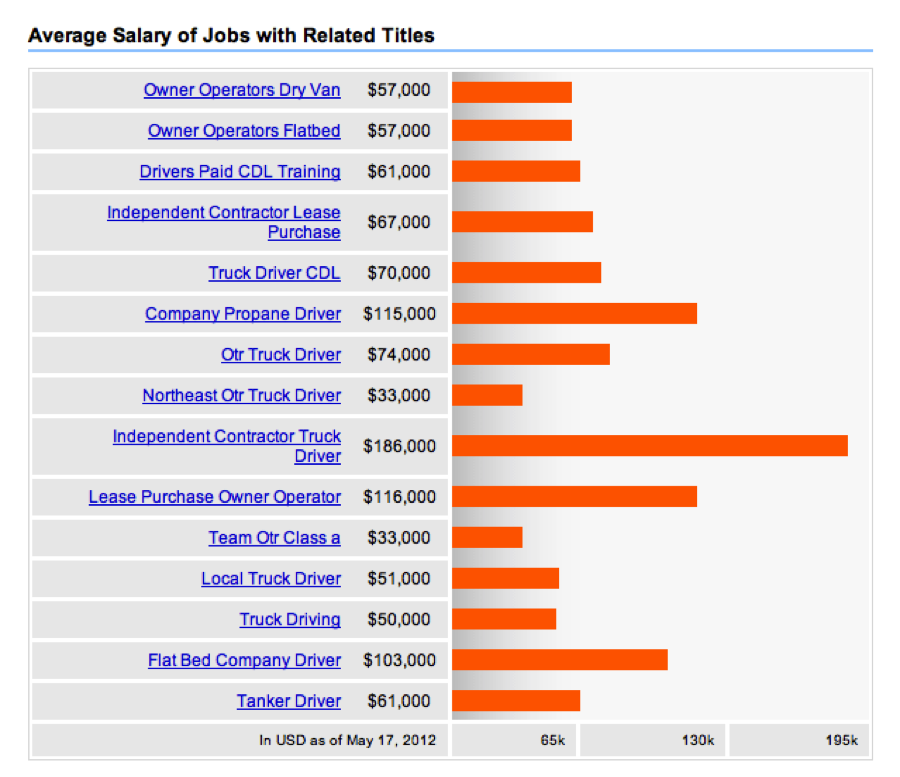
Embarking on the path to a CDL in Colorado is a commitment to a profession that offers stability, good wages, and the unique opportunity to traverse the state’s diverse landscapes while contributing to its economic backbone. By understanding and meticulously following these steps, you can confidently obtain your CDL and unlock a world of professional travel and opportunity.
LifeOutOfTheBox is a participant in the Amazon Services LLC Associates Program, an affiliate advertising program designed to provide a means for sites to earn advertising fees by advertising and linking to Amazon.com. Amazon, the Amazon logo, AmazonSupply, and the AmazonSupply logo are trademarks of Amazon.com, Inc. or its affiliates. As an Amazon Associate we earn affiliate commissions from qualifying purchases.