
Embarking on a career that offers unparalleled freedom and the chance to explore the vast landscapes of Texas and beyond often begins with a crucial credential: the Commercial Driver’s License (CDL). For many, the idea of a road trip conjures images of leisure and discovery, but for a commercial driver, the open road is both their office and their gateway to unique experiences. This comprehensive guide will navigate you through the process of obtaining a CDL in Texas, seamlessly blending the practical steps with an appreciation for the travel and lifestyle opportunities that come with it.
The Open Road Awaits: Why a CDL is Your Ticket to Texas and Beyond
The lure of the highway is undeniable. While many associate travel with exotic destinations and luxury resorts, the commercial driver’s journey offers a different, yet equally rich, tapestry of experiences. Getting a CDL in Texas isn’t just about qualifying for a job; it’s about unlocking a new way of seeing the world, experiencing diverse cultures, and enjoying the freedom that only the open road can provide.
Exploring Diverse Texas Landscapes: From Houston to El Paso
Texas itself is a continent-sized state, offering an incredible variety of environments. As a commercial driver, your routes might take you from the bustling urban sprawl of Houston and Dallas, with their towering skyscrapers and vibrant arts scenes, to the historic charm of San Antonio and its iconic Alamo. Imagine driving through the rolling hills of the Texas Hill Country, experiencing the dramatic desert vistas near El Paso, or witnessing the majestic canyons of Palo Duro Canyon State Park in the panhandle.
Each route presents an opportunity to witness breathtaking landmarks and natural beauty. Unlike a tourist bound by fixed itineraries, a commercial driver gets to observe the subtle shifts in scenery, architecture, and local culture over hundreds of miles. They might stop for authentic Texas barbecue in a small town or discover a hidden gem along a less-traveled highway. This continuous exposure to diverse environments fosters a unique appreciation for the state’s geography and heritage, turning every delivery into a mini-expedition. The very act of transportation becomes an immersive travel experience, connecting various facets of the Lone Star State.
A Unique Travel Lifestyle: Freedom and Flexibility
The commercial driving lifestyle is fundamentally different from a typical 9-to-5 job. It offers a sense of autonomy and independence that is highly appealing to many. While there are schedules and deadlines, the day-to-day work often involves being your own boss on the road. This can translate into the freedom to choose your routes (within reason), manage your time efficiently, and experience the changing seasons from the best vantage point imaginable – the driver’s seat of a big rig.
For those who love to travel and explore, a CDL opens doors to seeing not just Texas, but potentially the entire North American continent. Many long-haul drivers describe their profession as an ongoing adventure. They encounter different regional dialects, taste local cuisines, and witness countless sunrises and sunsets from unparalleled vantage points. This isn’t just a job; it’s a mobile lifestyle that prioritizes movement, observation, and an intimate connection with the vast expanse of the country. It’s a career path that seamlessly blends work with continuous discovery, offering a unique blend of business and leisure, albeit in a non-traditional format.
Navigating the Path to Your Texas CDL: Requirements and Application
Obtaining a Commercial Driver’s License in Texas is a structured process designed to ensure that all commercial drivers are thoroughly prepared and capable. It involves meeting specific eligibility criteria, passing a series of tests, and fulfilling all state and federal requirements. Understanding these steps is crucial for a smooth journey from aspiring driver to licensed professional.
Eligibility and Essential Documentation
Before you can even begin the application process, you must meet several fundamental requirements set by the Texas Department of Public Safety (DPS) and the Federal Motor Carrier Safety Administration (FMCSA). These are in place to ensure the safety and reliability of commercial drivers.
- Age Requirement: You must be at least 18 years old to drive a commercial motor vehicle (CMV) intrastate (within Texas). To drive interstate (across state lines), you must be at least 21 years old.
- Current Driver’s License: You need a valid Texas Class C non-commercial driver’s license.
- Residency: You must be a legal resident of Texas.
- Medical Certification: Commercial driving is physically demanding. You must pass a physical examination administered by a certified medical examiner listed on the FMCSA’s National Registry. Upon passing, you’ll receive a Medical Examiner’s Certificate (often referred to as a “med card”), which must be provided to the DPS.
- Driving Record: Your driving record will be reviewed. Serious offenses, such as certain convictions for driving under the influence or reckless driving, can disqualify you from obtaining a CDL.
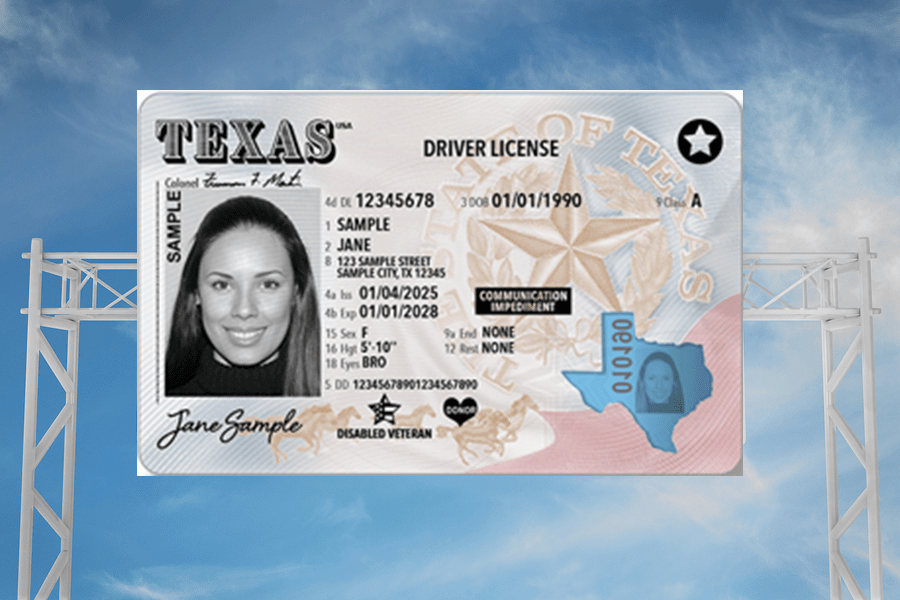
- Proof of Identity and Residency: You’ll need to provide documents such as your birth certificate, U.S. passport, social security card, and proofs of Texas residency (e.g., utility bills, voter registration card).
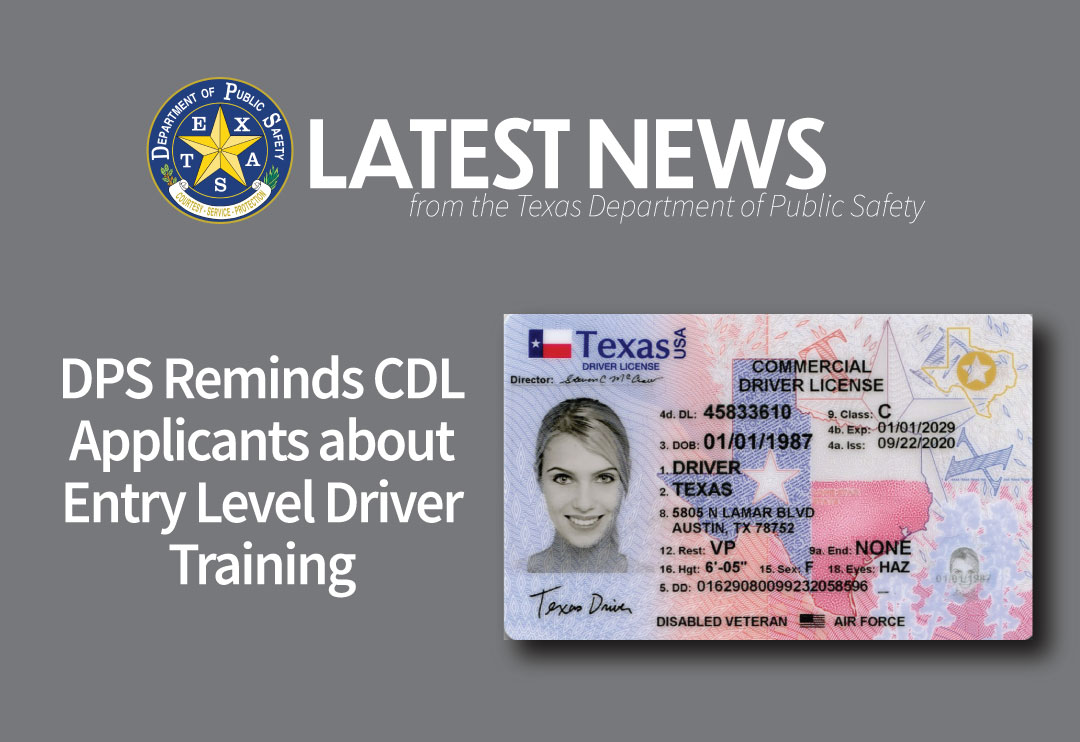
Once you’ve confirmed your eligibility, you’ll need to apply for a Commercial Learner’s Permit (CLP) at a DPS office. This permit allows you to practice driving a CMV on public roads with a qualified CDL holder accompanying you. To get your CLP, you’ll pass several knowledge tests relevant to the type of CDL you’re seeking (Class A, B, or C) and any endorsements. This initial step is vital, as it builds the foundational knowledge for your future driving career and ensures you are ready for supervised practice.
Mastering the Knowledge and Skills Tests
The journey to a full CDL involves successfully passing a series of rigorous tests. These are designed to ensure you possess both the theoretical understanding and the practical skills required to operate a large commercial vehicle safely.
- Knowledge Tests: These written tests cover a broad range of topics, including general knowledge of commercial driving, air brakes, combination vehicles, hazardous materials, passenger transport, tank vehicles, and school buses, depending on the endorsements you wish to acquire. Studying the official Texas Commercial Motor Vehicle Driver Handbook is essential. Many CDL training schools also offer specialized courses and practice tests to help you prepare.
- Skills Tests: Once you’ve held your CLP for at least 14 days and completed any required entry-level driver training, you can schedule your skills test. This multi-part test assesses your practical driving abilities and vehicle knowledge.
- Vehicle Inspection Test: You must demonstrate that you can thoroughly inspect your vehicle, identifying any potential defects or safety issues. This segment is critical for ensuring the vehicle is roadworthy before every trip, a fundamental aspect of commercial driving safety.
- Basic Controls Test: This evaluates your ability to maneuver the vehicle in various situations, such as backing up, parallel parking, and executing turns. It assesses precision and control in tight spaces, skills essential for navigating busy shipping yards or city streets.
- Road Test: The final part is a practical driving test conducted on public roads, where an examiner will assess your ability to operate the CMV safely in real-world traffic conditions. This includes demonstrating proper shifting, lane changes, turns, railway crossing procedures, and overall adherence to traffic laws.
Passing these tests not only grants you your CDL but also instills the confidence and competence necessary to embark on a fulfilling career on the road. It’s an investment in your future, paving the way for a lifestyle that combines work with the unique experience of continuous discovery.
Life on the Road: Accommodation and Lifestyle for Commercial Drivers
The commercial driver’s lifestyle is a unique blend of independence, responsibility, and constant movement. Unlike traditional jobs, “home” for a significant portion of the time is often the cab of their truck or a temporary accommodation on the route. Understanding the nuances of this lifestyle helps paint a complete picture of what a CDL truly offers.
From Truck Stops to Specialized Hotels: Finding Rest on Your Journey
One of the most defining aspects of the commercial driving lifestyle is the dynamic approach to accommodation. While some drivers opt to sleep in their truck’s sleeper berth – a surprisingly comfortable and often well-equipped space – others seek out more traditional lodging.
- Truck Stops: These are the oases of the open road, offering not just fuel but a comprehensive array of services. Modern truck stops often include showers, laundry facilities, restaurants (serving everything from fast food to home-style meals), convenience stores, and even barber shops or medical clinics. Many also have dedicated parking areas with security, providing a safe environment for drivers to rest and recharge. Some truck stops even feature small, clean hotel-style rooms for rent, offering a quiet escape from the hustle and bustle of the main parking area.
- Budget-Friendly Hotels: For drivers seeking a more conventional hotel experience, many chains offer budget-friendly options conveniently located near major highways. Brands like Motel 6, Super 8, and Days Inn are popular choices, often providing comfortable beds, complimentary Wi-Fi, and basic amenities that allow drivers to relax and prepare for the next leg of their journey. Some even offer specific “trucker rates” or ample parking for larger vehicles.
- Extended Stays and Apartments: For those on longer assignments or with specific needs, extended-stay hotels or even short-term apartment rentals might be an option, particularly during layovers in major cities like Austin or Houston. This allows drivers to have access to kitchenettes and more living space, creating a sense of home away from home.
The choice of accommodation often depends on the duration of the trip, the facilities available, and personal preference. Regardless, the industry is well-equipped to support the specific needs of commercial drivers, ensuring they get the necessary rest to operate safely and efficiently. This distinct segment of the hospitality industry caters specifically to the transient nature of the commercial driving lifestyle, offering everything from basic comforts to specialized amenities designed for truckers.
Embracing the Lifestyle: Balancing Work and Exploration
The commercial driving lifestyle is more than just driving; it’s about embracing a mobile existence. While the primary focus is on timely and safe deliveries, many drivers find ways to integrate aspects of travel and exploration into their routines.
- Tourism and Local Culture: During mandated rest breaks or layovers, drivers often have the opportunity to experience local culture. This could mean sampling regional cuisine in a roadside diner, visiting a historical marker, or taking a short walk around a small town square. In larger cities, a longer break might allow for a visit to a museum or a local attraction. These small excursions provide a valuable break from driving and add depth to the overall experience of life on the road.
- Budget Travel Advocates: For those who appreciate budget travel, commercial driving can be an ideal fit. Many expenses, such as fuel and sometimes even certain meals, are covered by the company or are tax-deductible. The job itself inherently involves constant movement, allowing drivers to see numerous places without the typical costs associated with leisure travel. This unique blend of employment and perpetual motion makes it a compelling option for those who crave new sights and experiences but need a sustainable way to fund their adventures.
- Family and Business Stays: While it’s primarily a solo endeavor, some companies or owner-operators allow for team driving, which can sometimes involve family members. Additionally, the flexibility in scheduling can allow drivers to plan longer breaks at home, making quality family time a priority. For business stays, particularly those involving specialized routes or longer projects, the “office” truly moves with the individual, offering a dynamic work environment unparalleled in many other professions.
Ultimately, the commercial driving lifestyle is what you make of it. With proper planning and an adventurous spirit, it can be a deeply rewarding path that blends professional responsibility with a continuous journey of discovery, offering a unique perspective on the diverse tapestry of Texas and the United States.
Beyond the Basics: Endorsements, Costs, and Career Opportunities
Obtaining your basic CDL is just the beginning. The world of commercial driving offers numerous specializations and career paths, many of which require additional endorsements on your license. Understanding these options, as well as the financial investment involved, is crucial for planning your commercial driving career.
Expanding Your Horizons: Different CDL Classes and Endorsements
The type of CDL you obtain (Class A, B, or C) depends on the weight and type of vehicle you intend to operate. Furthermore, specific endorsements allow you to drive particular kinds of vehicles or transport certain materials, significantly expanding your job prospects and earning potential.
- CDL Class A: This is the most comprehensive CDL, allowing you to operate any combination of vehicles with a Gross Combination Weight Rating (GCWR) of 26,001 pounds or more, provided the Gross Vehicle Weight Rating (GVWR) of the vehicle being towed is more than 10,000 pounds. This includes tractor-trailers, truck and trailer combinations, and flatbeds. It often requires the most extensive training but opens up the widest range of opportunities, including long-haul routes across states like Texas and the nation.
- CDL Class B: This license permits you to operate a single vehicle with a GVWR of 26,001 pounds or more, or a vehicle towing another vehicle weighing 10,000 pounds or less. This category typically includes straight trucks, large buses (like school buses or city buses), dump trucks, and delivery trucks.
- CDL Class C: This is for vehicles designed to transport 16 or more passengers (including the driver), or vehicles transporting hazardous materials that require placarding, that do not meet the criteria for Class A or B. This could include smaller passenger vans or specialized hazardous material delivery vehicles.
Common Endorsements:
- H – Hazardous Materials (HazMat): Required to transport hazardous materials, which involves additional background checks and specific knowledge tests.
- N – Tanker: Necessary for driving vehicles that transport liquid or gaseous materials in tanks (e.g., fuel trucks).
- X – Tanker/HazMat Combination: Combines the Tanker and HazMat endorsements.
- P – Passenger: Required to drive vehicles designed to transport passengers (e.g., buses).
- S – School Bus: A specific endorsement for operating a school bus, often with additional requirements like background checks and specific skills tests.
- T – Double/Triple Trailers: For pulling double or triple trailers (though triples are not legal in all states, including Texas).
Each endorsement requires additional knowledge tests and sometimes additional skills tests. Investing in these endorsements can make you a more versatile and valuable asset in the trucking industry, opening doors to more specialized and often higher-paying jobs, from transporting luxury goods to critical medical supplies. For those interested in a niche within the travel sector, a Class P endorsement could lead to operating tour buses, offering a distinct blend of driving and interacting with travelers eager to explore destinations.
Investing in Your Future: Training and Licensing Costs
The financial investment required to obtain a CDL in Texas can vary, but it’s an investment that typically yields significant returns in terms of career opportunities and earning potential.
- Training Schools: While it’s technically possible to study independently and pass the tests, most aspiring commercial drivers enroll in CDL training schools. These schools provide comprehensive classroom instruction, behind-the-wheel training, and guidance through the licensing process. Tuition costs can range from $3,000 to $10,000 or more, depending on the program’s length, the class of CDL, and the endorsements included. Many schools offer financing options, and some trucking companies even offer tuition reimbursement programs if you agree to work for them for a certain period.
- Application and Testing Fees: There are various fees associated with the application process, including the application fee for the CLP, the CDL itself, and fees for each knowledge and skills test. These typically add up to a few hundred dollars.
- Medical Examination: The FMCSA medical examination can cost between $50 and $200, depending on the provider.
- Background Checks: If you pursue endorsements like HazMat, there will be additional fees for federal background checks.
While these costs represent an initial outlay, the average salary for commercial truck drivers in Texas is competitive, and with experience and specialized endorsements, drivers can earn significantly more. Many drivers find that the independence, the constant change of scenery, and the ability to combine their work with elements of travel and exploration make the investment well worth it. It’s a pragmatic path to a lifestyle that is both financially rewarding and personally enriching, offering a unique perspective on the country’s vastness from the comfort of a commercial vehicle.
LifeOutOfTheBox is a participant in the Amazon Services LLC Associates Program, an affiliate advertising program designed to provide a means for sites to earn advertising fees by advertising and linking to Amazon.com. Amazon, the Amazon logo, AmazonSupply, and the AmazonSupply logo are trademarks of Amazon.com, Inc. or its affiliates. As an Amazon Associate we earn affiliate commissions from qualifying purchases.