
Navigating the intricacies of commercial transportation in the Lone Star State involves understanding and obtaining the necessary credentials, chief among them being the Department of Transportation (DOT) number. This crucial identifier, often referred to as a “dot number,” is a unique nine-digit number assigned by the Federal Motor Carrier Safety Administration (FMCSA) to businesses that operate commercial motor vehicles (CMVs) engaged in interstate commerce. While the title might suggest a geographically specific process solely within Texas, the fundamental requirements and application procedures are federally regulated, with Texas businesses adhering to these national standards. This guide aims to demystify the process for entities operating within or originating from Texas, providing a clear roadmap to compliance.

Understanding the DOT Number and Its Significance
A DOT number serves as a vital tracking mechanism for the FMCSA, enabling them to monitor the safety performance of commercial motor carriers. It’s not a license or a permit to operate, but rather a unique identifier that links a specific company to its fleet, driver records, inspection history, and any enforcement actions. For businesses in Texas involved in the transportation of goods or passengers across state lines, obtaining a DOT number is a non-negotiable requirement. This applies to a wide range of operations, including long-haul trucking, interstate bus services, and even certain types of specialized hauling.
Who Needs a DOT Number in Texas?
The requirement for a DOT number is primarily determined by the type of vehicle operated and the nature of the operation, rather than the specific state of operation. In Texas, as with all states, a DOT number is generally required if your business operates commercial motor vehicles that meet any of the following criteria:
- Gross Vehicle Weight Rating (GVWR) or Gross Combination Weight Rating (GCWR): Vehicles with a GVWR or GCWR of 10,001 pounds or more. This is a broad category encompassing many types of trucks and trailers.
- Transporting “Hazardous Materials”: Vehicles transporting quantities of hazardous materials that require a safety permit or placarding. This includes a wide array of substances, from flammable liquids to corrosive materials.
- Operating as a “For-Hire” Carrier: Vehicles designed to transport 9 or more passengers (including the driver) for compensation, or vehicles designed to transport 16 or more passengers (including the driver) regardless of compensation. This covers interstate bus lines and passenger van services.
It is imperative for Texas-based businesses to accurately assess their operations against these federal guidelines. Misunderstanding these requirements can lead to significant penalties, fines, and operational disruptions.
The Benefits of Having a DOT Number
Beyond regulatory compliance, a DOT number offers several advantages. It facilitates participation in various industry programs, allows for tracking of safety performance metrics, and is often a prerequisite for obtaining other necessary operating authorities, such as Motor Carrier Operating Authority. For businesses looking to establish credibility and demonstrate a commitment to safety, a properly maintained DOT profile is essential.
The Application Process for a DOT Number in Texas
The process of obtaining a DOT number is managed by the FMCSA. While there are no specific “Texas” forms for this initial application, Texas businesses must engage with the federal system. The application can be completed online, by mail, or through a third-party provider.
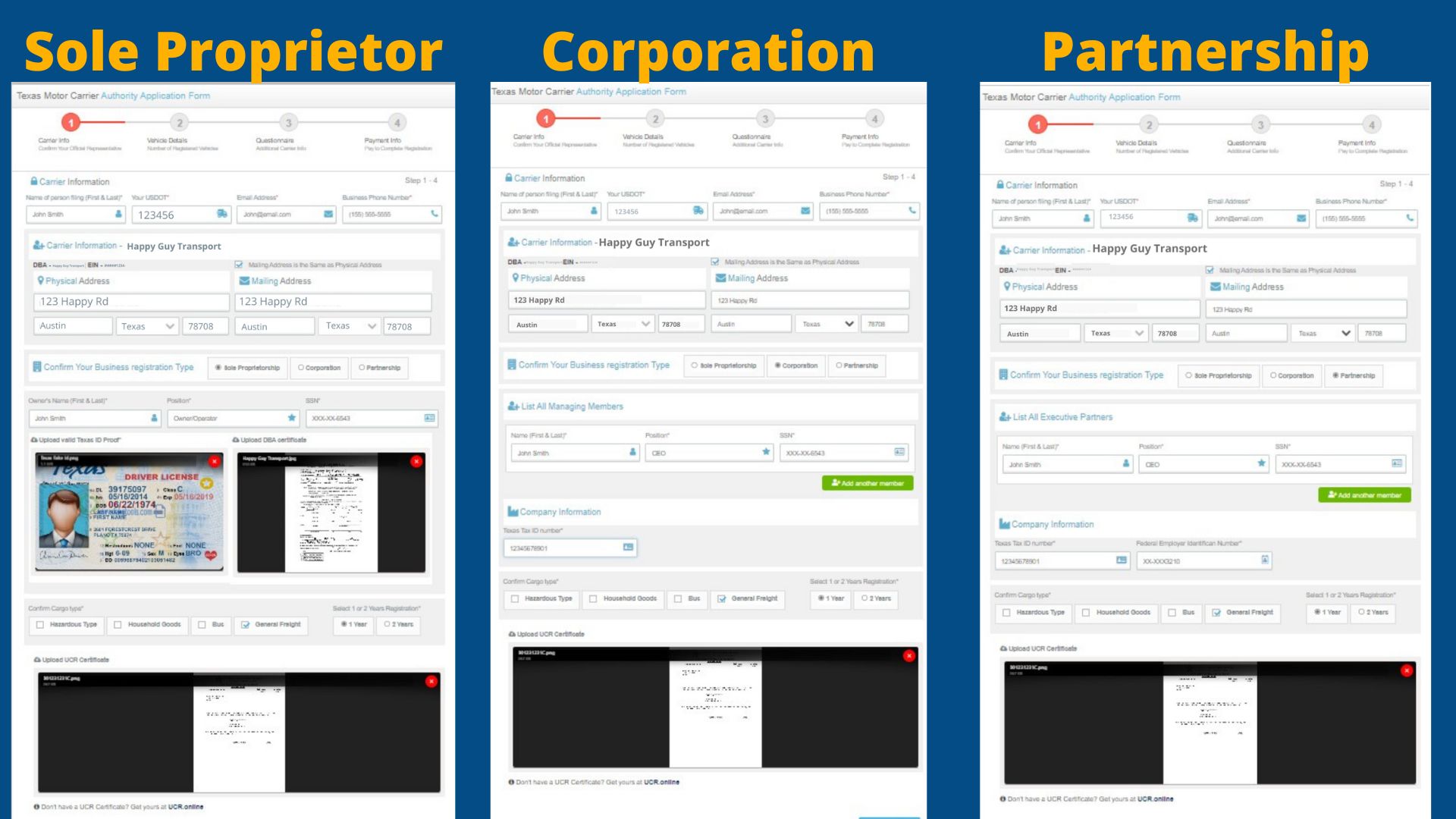
Step 1: Gather Necessary Information
Before initiating the application, it’s crucial to have all the required information readily available. This typically includes:
- Legal Business Name: The official name of your company as registered with the state of Texas.
- Doing Business As (DBA) Name (if applicable): Any trade names your business operates under.
- Business Structure: Whether you are a sole proprietorship, partnership, corporation, or limited liability company (LLC).
- Physical Business Address: A verifiable physical location in Texas (P.O. boxes are generally not accepted as the primary physical address).
- Mailing Address: Where official correspondence should be sent.
- Contact Information: Phone number and email address for the responsible party.
- Number of Vehicles: An estimate of the number of commercial motor vehicles you operate.
- Primary Business Activity: A description of the type of goods or passengers you transport.
- State of Operation: In this case, Texas, and any other states where you operate.
Step 2: Choose Your Application Method
- Online Application: The most common and often the quickest method is to apply directly through the FMCSA’s unified portal. This is accessible via the FMCSA website. The online system guides applicants through the process, asking for the information gathered in Step 1.
- Mail Application: You can download the application form from the FMCSA website and submit it via mail. This method typically takes longer than the online application.
- Third-Party Providers: Numerous companies specialize in assisting businesses with obtaining DOT numbers and other regulatory requirements. While they charge a fee for their services, they can be valuable for businesses unfamiliar with the process or those seeking to expedite it. Ensure any third-party provider you choose is reputable and experienced.
Step 3: Submit the Application and Receive Your DOT Number
Once your application is submitted, the FMCSA will process it. If all information is complete and accurate, you will be issued a DOT number. This number is typically assigned within a few business days to a couple of weeks, depending on the volume of applications and the method used. You will receive official notification from the FMCSA, and your DOT number will become publicly searchable in the FMCSA’s database. It’s crucial to verify the accuracy of your information in the database once it’s available.
Post-DOT Number Acquisition: Ongoing Responsibilities for Texas Carriers
Obtaining a DOT number is the first step; maintaining accurate records and adhering to ongoing regulations is equally important for Texas commercial motor carriers.
Keeping Your Information Current
The FMCSA requires businesses to update their information on file at least every two years, or more frequently if there are significant changes. This includes updates to your address, phone number, number of vehicles, or type of operation. Failure to maintain current information can result in penalties. The process for updating your information is similar to the initial application, often done through the FMCSA’s online portal.
Understanding Safety Ratings and Compliance
Your DOT number is linked to your safety performance. The FMCSA uses various data points, including roadside inspections, accident reports, and driver violations, to assess the safety fitness of motor carriers. Carriers in Texas can receive safety ratings such as “satisfactory,” “conditional,” or “unsatisfactory.” An unsatisfactory rating can lead to significant operational restrictions and even the suspension of operating authority.
Regularly reviewing your company’s safety record through the FMCSA’s Safety and Fitness Electronic Records System (SAFER) is highly recommended. This allows you to identify any discrepancies or areas for improvement before they impact your rating.
Texas-Specific Regulations and Resources
While the DOT number is a federal requirement, Texas may have additional state-level regulations that commercial carriers must comply with. The Texas Department of Motor Vehicles (TxDMV) is the primary state agency overseeing motor carrier operations. They often work in conjunction with the FMCSA and may have specific requirements related to vehicle registration, insurance, and permits that are relevant to Texas-based businesses.
It’s advisable for Texas businesses to familiarize themselves with the TxDMV’s Commercial Motor Vehicle Section resources. This often includes information on state-specific weight limits, size restrictions, and other operational guidelines that complement federal regulations. For instance, understanding toll road policies in cities like Houston or Dallas can be crucial for route planning.
The Role of Insurance
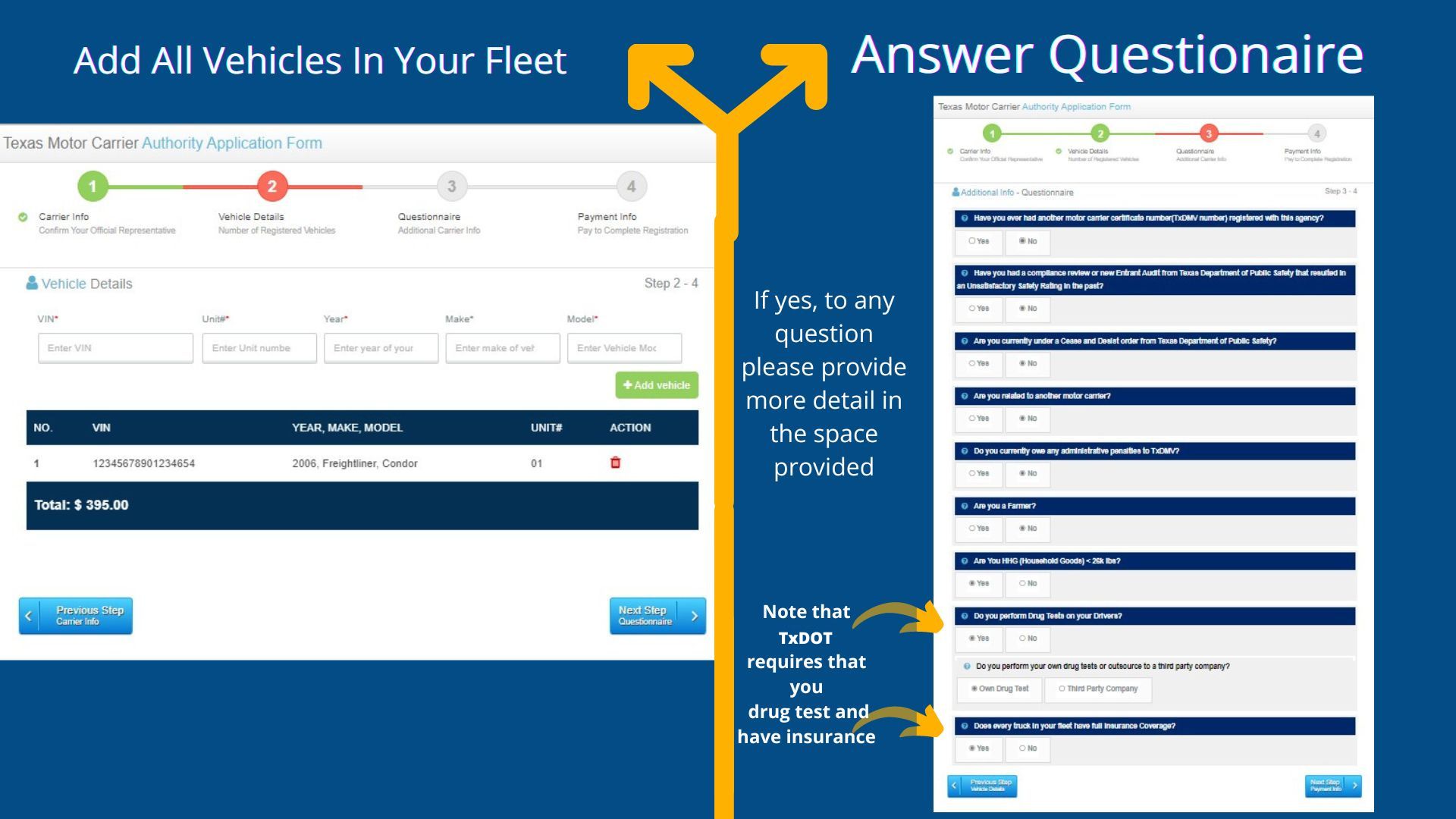
Adequate insurance coverage is a mandatory component of operating a commercial motor vehicle. The FMCSA and the TxDMV have specific minimum insurance requirements based on the type of operation and the commodities transported. Ensuring you have the correct type and amount of liability insurance is critical for protecting your business and meeting regulatory obligations. Companies often need to file proof of insurance with the relevant authorities, and this is linked to your USDOT number.
Common Pitfalls and Best Practices for Texas Carriers
Navigating the regulatory landscape can be challenging. Here are some common pitfalls to avoid and best practices to adopt for Texas commercial carriers:
Common Pitfalls
- Inaccurate Information: Submitting incomplete or incorrect information on the application can lead to delays or rejection. Double-check all details before submission.
- Ignoring Updates: Failing to update your information periodically is a common oversight that can result in fines.
- Lack of Awareness of Safety Regulations: Not understanding or complying with FMCSA safety regulations can quickly lead to a poor safety rating and operational issues.
- Misinterpreting Requirements: Assuming a DOT number is the only requirement without considering other state and federal permits or authorities can lead to non-compliance.
- Overlooking State-Specific Rules: Relying solely on federal information without checking Texas-specific requirements can be detrimental.
Best Practices
- Proactive Research: Thoroughly understand your operational needs and the specific federal and state regulations that apply.
- Utilize Official Resources: The FMCSA and TxDMV websites are invaluable sources of information.
- Consider Professional Assistance: If you are new to the industry or find the process overwhelming, consult with a reputable trucking consultant or a company specializing in DOT compliance.
- Regularly Review Your Safety Record: Stay on top of your CSA scores and address any potential issues proactively.
- Maintain Organized Records: Keep meticulous records of all vehicle maintenance, driver logs, inspections, and insurance policies.
- Stay Informed: Regulations can change. Subscribe to updates from the FMCSA and TxDMV to stay abreast of any new requirements.
By understanding the federal nature of the DOT number, meticulously following the application process, and committing to ongoing compliance, Texas-based commercial motor carriers can ensure they operate legally and safely, laying a strong foundation for success in the dynamic world of transportation. The journey from understanding the need for a DOT number to successfully obtaining and maintaining it is a critical one for any business involved in commercial trucking within the state.
LifeOutOfTheBox is a participant in the Amazon Services LLC Associates Program, an affiliate advertising program designed to provide a means for sites to earn advertising fees by advertising and linking to Amazon.com. Amazon, the Amazon logo, AmazonSupply, and the AmazonSupply logo are trademarks of Amazon.com, Inc. or its affiliates. As an Amazon Associate we earn affiliate commissions from qualifying purchases.