
Embarking on a new chapter in the Sunshine State or planning an extended stay in Florida can be an exhilarating experience. From the vibrant energy of Miami and the magical allure of Orlando to the serene beauty of the Florida Keys and the pristine shores of the Gulf Coast, this state offers an unparalleled diversity of experiences. However, to truly unlock the freedom to explore its vast landscapes, bustling cities, and charming small towns at your own pace, a Florida driver’s license often becomes an indispensable tool. More than just a bureaucratic requirement, obtaining your license here is a gateway to a richer travel experience and an integrated lifestyle, especially for new residents or long-term visitors.
This comprehensive guide will walk you through the process of securing your Florida driver’s license, detailing each step from gathering essential documents to passing the crucial tests. We’ll also delve into why this license is so vital for enjoying everything the state has to offer, touching upon the myriad travel possibilities, accommodation choices, and lifestyle enhancements it facilitates. Whether you’re relocating from another state, moving from an international destination, or simply planning an extended stay where personal mobility is key, understanding this process is your first step towards seamless exploration of the Sunshine State.
Navigating Florida’s Roads: Why a Driver’s License is Your Essential Key
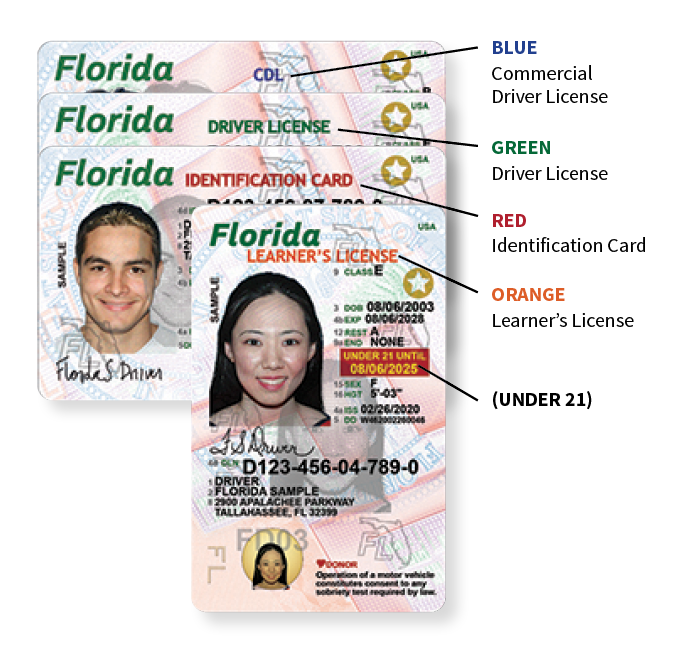
For anyone looking to fully immerse themselves in the Florida experience, having a valid driver’s license from the state is not merely a convenience but a fundamental enabler. The public transportation infrastructure in many parts of Florida, while present, is often not as extensive or efficient as in older, denser metropolitan areas elsewhere in the United States or Europe. This makes personal vehicle ownership or rental a necessity for truly experiencing the diverse attractions scattered across the state.
More Than Just a Permit: Unlocking Florida’s Riches
Imagine being able to spontaneously decide to drive down to Key West for a sunset celebration, embark on a multi-day road trip through the historic streets of St. Augustine, or venture into the wild beauty of Everglades National Park. A Florida driver’s license makes these adventures, and countless others, effortlessly accessible. Without it, relying on ride-sharing services, taxis, or infrequent public transport can quickly become costly and restrictive, especially when visiting landmarks slightly off the beaten path or staying in resorts that are not centrally located.
Consider the lifestyle benefits: commuting to work or school, running daily errands, accessing world-class healthcare facilities, or simply enjoying a leisurely drive along a scenic coastal route like A1A. For families, the flexibility to transport children to theme parks like Walt Disney World Resort or Universal Orlando Resort, or pack up for a beach day at Clearwater Beach or Siesta Key Beach, is invaluable. Hotels and accommodation choices also expand significantly; you’re no longer limited to properties within walking distance of specific transport hubs, allowing you to find unique stays, perhaps a charming villa in Sarasota or a beachfront apartment in Fort Lauderdale, that offer better value or a more authentic local experience.
Who Needs a Florida Driver’s License?
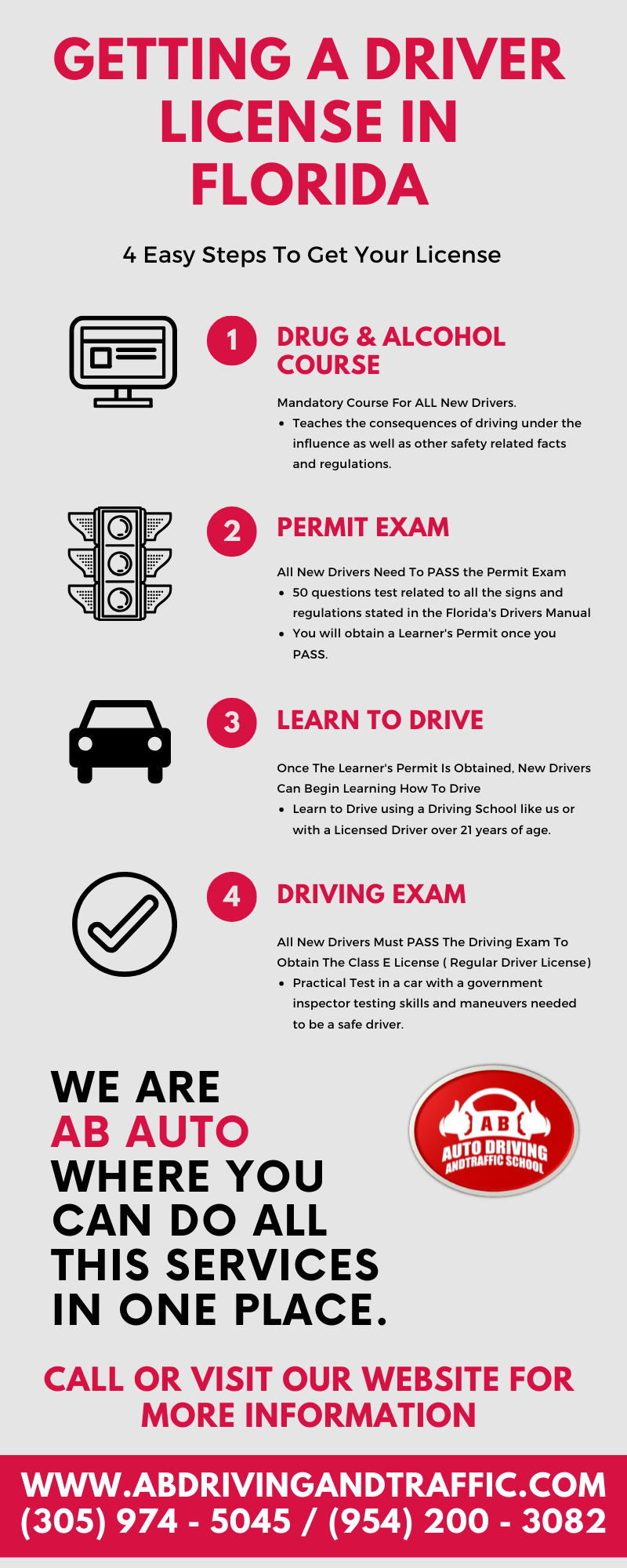
The general rule is that if you are a new resident in Florida and plan to operate a vehicle, you must obtain a Florida driver’s license within 30 days of establishing residency. This applies whether you’re moving from another U.S. state or internationally. Establishing residency can be triggered by various actions, such as enrolling children in public school, registering to vote, filing for a homestead exemption, or accepting employment.
For visitors, the rules are slightly different. If you hold a valid driver’s license from another U.S. state, territory, or district, you do not need a Florida license as long as your out-of-state license remains valid. International visitors with a valid driver’s license from their home country are generally permitted to drive in Florida for up to one year. However, if your stay extends beyond this period or if you become a resident, you will need to apply for a Florida license. It’s also highly recommended for international visitors to carry an International Driving Permit (IDP) along with their foreign license, as it provides a translation of your license information and is recognized in over 150 countries. While not strictly mandatory in Florida, it can significantly ease interactions with law enforcement and car rental agencies.
The Journey to Your Florida Driver’s License: Step-by-Step
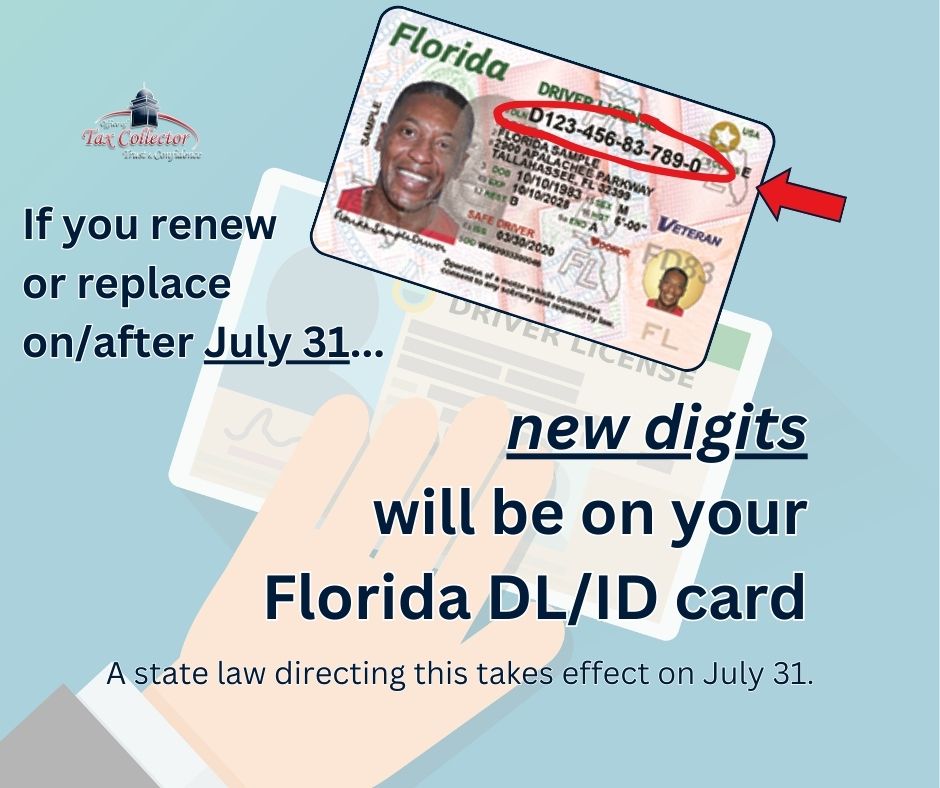
Obtaining a Class E driver’s license, which is the standard non-commercial license required for most personal vehicles, involves a structured process administered by the Florida Department of Highway Safety and Motor Vehicles (FLHSMV). Understanding each step will help you navigate the system efficiently and avoid unnecessary delays.
Gathering Your Essential Documents: The Foundation
Before you even step foot in a FLHSMV service center, the most critical phase is gathering all required documentation. Florida adheres to the federal REAL ID Act, meaning stringent proof of identity, residency, and lawful presence is required. Missing even one document can result in your application being denied, requiring another visit.
You will generally need to present:
- Primary Identification: This proves your full name and date of birth. Accepted documents include a U.S. birth certificate, valid U.S. passport, valid permanent resident card, or a Certificate of Naturalization.
- Proof of Social Security Number (SSN): Your original Social Security card or a W-2 form, pay stub, or 1099 form showing your full SSN. The Social Security Administration does not issue letters verifying SSNs.
- Proof of Residential Address (Two Different Documents): These documents must show your current residential address in Florida and your name. Examples include a utility bill, a lease agreement, a mortgage statement, a bank statement, or a voter registration card. P.O. boxes are not accepted for residential address proof.
- Proof of Name Change (if applicable): If your current name differs from the name on your primary identification (e.g., due to marriage or divorce), you must provide all original legal documents demonstrating the name change, such as a marriage certificate or court order.
For non-U.S. citizens, additional documentation will be required to prove lawful presence in the United States. This typically includes a valid passport with a visa, an I-94 form, or other documents issued by the Department of Homeland Security (DHS). It’s crucial to verify the exact requirements on the FLHSMV website before your visit, as these can be complex and vary based on visa type.
The Knowledge Test: Proving Your Understanding of Florida Traffic Laws
Once your documents are verified, the next step is the written knowledge test. This test assesses your understanding of Florida traffic laws, road signs, and safe driving practices. The test consists of 50 multiple-choice questions, and you must correctly answer at least 40 (80%) to pass.
Preparation is key here. The official Florida Driver’s Handbook is your primary resource and is available for free online on the FLHSMV website. Many third-party apps and websites also offer practice tests, which can be incredibly helpful for familiarizing yourself with the format and types of questions. Take your time studying, especially focusing on areas like right-of-way rules, speed limits, parking regulations, and the meaning of various road signs.
For new residents transferring an out-of-state license, the knowledge test might be waived under certain conditions, particularly if your license is current and from a state that shares reciprocity with Florida. However, it’s always best to confirm this with the FLHSMV as policies can change.
Mastering the Road: The Driving Skills Test
The final practical hurdle is the driving skills test, also known as the road test. This test evaluates your ability to safely operate a vehicle and demonstrate fundamental driving maneuvers. You will need to provide a vehicle for the test that is properly registered, insured, and in good working order. A licensed driver (who is not the examiner) must accompany you to the testing site.
During the test, an examiner will ride with you and assess your performance on various tasks, which typically include:
- Three-point turn: Demonstrating your ability to turn your vehicle around in a narrow space.
- Parallel parking: Parking proficiently between two cones or vehicles.
- Straight-line backing: Reversing your vehicle in a straight line.
- Stopping and starting: Smoothly bringing the vehicle to a halt and accelerating.
- Lane changes: Executing safe and signaling lane changes.
- Turns: Making left and right turns correctly, including signaling and using appropriate lanes.
- Observing traffic signs and signals: Adhering to all road rules.
- Maintaining a safe following distance: Demonstrating awareness of other vehicles.
The key to passing the road test is practice and confidence. Drive regularly in varied conditions, focusing on smooth control, consistent signaling, and adherence to all traffic laws. Examiners are looking for safe and predictable driving, not perfection. If you fail the test, don’t worry; you can usually retake it after a certain waiting period and paying an additional fee.
Finalizing Your License: Photo, Fee, and What’s Next
Once you’ve successfully passed all the required tests and your documents have been verified, the final steps are straightforward. You will have your photograph taken for the license, pay the applicable fees (currently around $48 for an initial Class E license, subject to change), and then you’ll receive a temporary paper license. Your official, permanent Florida driver’s license card will typically be mailed to your residential address within a few weeks.
At this point, you’ve officially joined the ranks of Florida’s licensed drivers! This new credential is more than just a piece of plastic; it’s your official identification, a key to unlocking rental cars, and, most importantly, your passport to exploring the incredible breadth of the Sunshine State on your own terms.
Beyond the Application: Tips for New Florida Drivers and Visitors
Obtaining your Florida driver’s license is a significant milestone, but the journey of safe and enjoyable driving in the state doesn’t end there. Understanding local nuances, leveraging your newfound mobility, and being aware of ongoing responsibilities are all part of maximizing your Florida experience.
For Our International Travelers: Understanding Florida Driving Regulations
If you’re an international visitor transitioning to a Florida license, be mindful that driving rules and customs can vary significantly from country to country. For instance, in countries like the United Kingdom or Australia, driving is on the left side of the road, whereas in the United States, Canada, and most of Europe, it’s on the right. Familiarize yourself with speed limits, right-of-way rules, and specific laws regarding U-turns or right turns on red lights, which might differ from your home country. The Florida Driver’s Handbook is an invaluable resource for this.
Maximizing Your Florida Experience with Your New License
With your Florida driver’s license in hand, the possibilities for exploration are truly endless.
- Road Trips: Plan unforgettable road trips from the metropolitan vibrancy of Tampa and St. Petersburg down to the tranquil paradise of the Florida Keys, or eastward along the Atlantic Coast to destinations like Daytona Beach and the Kennedy Space Center Visitor Complex.
- Hidden Gems: Venture off the main highways to discover charming small towns, pristine natural springs, or secluded beaches that are inaccessible without a personal vehicle. Your license empowers you to seek out authentic local culture, try diverse culinary experiences, and discover unique attractions beyond the typical tourist trails.
- Accommodation Flexibility: You can now consider a wider range of accommodation options, from luxurious beachfront resorts in Naples to budget-friendly apartments near quieter neighborhoods, knowing you have the means to reach them and explore the surrounding areas.
Important Considerations: Car Rental, Insurance, and Renewal
- Car Rental: A valid Florida driver’s license makes renting a car hassle-free. Most rental agencies require a license, and often a credit card, in the driver’s name. This opens up options for larger vehicles for family trips or specific models for luxury travel experiences.
- Auto Insurance: If you plan to own a vehicle in Florida, proof of personal injury protection (PIP) and property damage liability (PDL) insurance is mandatory. Ensure you have adequate coverage before getting on the road. For new drivers, especially those coming from countries with different insurance systems, understanding Florida’s specific insurance requirements is crucial.
- License Renewal: Florida driver’s licenses typically need to be renewed every 6 to 8 years, depending on your age and lawful presence status. Most renewals can be done online, but some may require an in-person visit, especially if a new photo or vision test is needed. Keep track of your expiration date to avoid driving with an expired license.
Exploring Florida with Confidence: Your License, Your Adventure
Ultimately, securing a driver’s license in Florida is an investment in your personal freedom and your ability to fully experience this diverse and captivating state. It transforms travel from a series of logistical challenges into an open invitation for adventure, discovery, and unforgettable memories.
Unforgettable Road Trips Across the Sunshine State
Imagine the crisp morning air as you embark on a drive from Jacksonville down the Atlantic Coast, stopping at charming beach towns, historic sites like Castillo de San Marcos in St. Augustine, and vibrant cities like Fort Lauderdale before reaching the iconic South Beach and the Art Deco Historic District in Miami Beach. Or perhaps a journey along the Gulf of Mexico from the Panhandle beaches of Destin to the cultural richness of Sarasota and the stunning sunsets of Naples. Each of these routes promises unique attractions, delicious local cuisine, and breathtaking natural beauty, all made possible by the independence that comes with your own set of wheels.
The Freedom to Discover Hidden Gems and Major Attractions
With your license, you’re not just limited to the well-trodden tourist paths. You can delve into the lesser-known state parks, discover quaint riverside towns, or find that perfect, secluded spot for fishing or kayaking. Simultaneously, it provides effortless access to Florida’s world-famous attractions, from the thrilling rides at Busch Gardens Tampa Bay to the serene beauty of wildlife sanctuaries. This ability to mix major landmarks with local favorites truly defines a rich Florida lifestyle.
In conclusion, while the process of obtaining a driver’s license in Florida requires attention to detail and patience, the reward is immeasurable. It is a vital step for new residents to fully integrate into their communities and for long-term visitors to transform their stay into an epic adventure. Embrace the journey, prepare thoroughly, and get ready to experience the Sunshine State like never before, one scenic drive at a time.
LifeOutOfTheBox is a participant in the Amazon Services LLC Associates Program, an affiliate advertising program designed to provide a means for sites to earn advertising fees by advertising and linking to Amazon.com. Amazon, the Amazon logo, AmazonSupply, and the AmazonSupply logo are trademarks of Amazon.com, Inc. or its affiliates. As an Amazon Associate we earn affiliate commissions from qualifying purchases.