
Navigating the Sunshine State’s roadways is an essential part of experiencing all that Florida has to offer. Whether you’re a new resident looking to explore beyond the confines of your neighborhood in Miami or a visitor planning extended adventures to places like Orlando or the Florida Keys, obtaining a Florida driver’s license is a fundamental step. This guide provides a comprehensive overview of the process, ensuring you can confidently get behind the wheel and embrace the freedom of the open road.
Understanding Florida Driver’s License Requirements
The Florida Department of Highway Safety and Motor Vehicles (FLHSMV) oversees the issuance of driver’s licenses. The specific requirements can vary slightly depending on your age and whether you’ve previously held a driver’s license in another state or country. However, the core components of obtaining a Florida license generally involve age verification, proof of identity, proof of residential address in Florida, and passing relevant examinations.
Eligibility and Age Requirements
For new drivers under 18 years old, Florida employs a Graduated Driver Licensing (GDL) program designed to ensure safe driving practices. This program involves several stages:
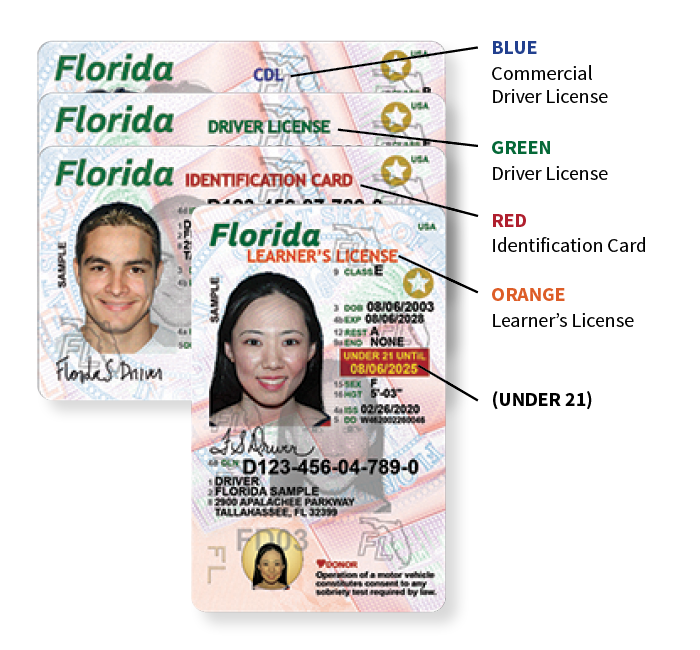
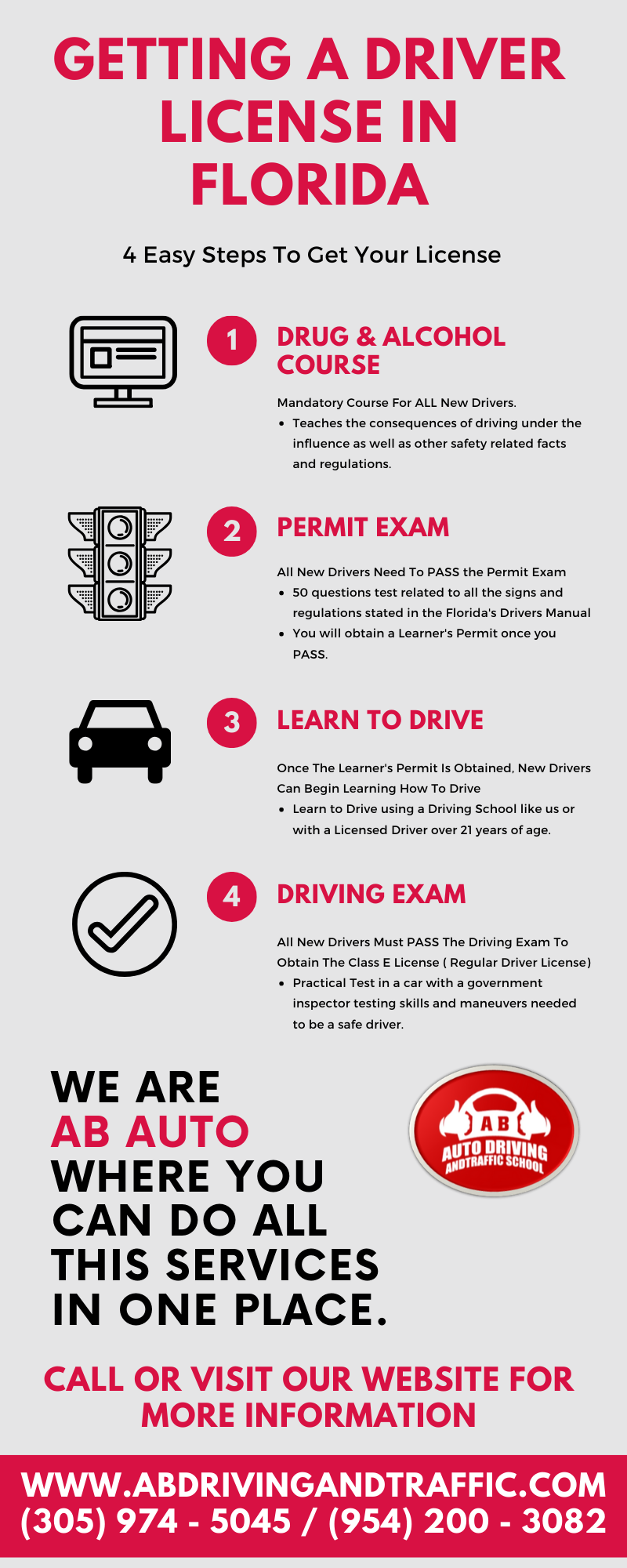
- Learner’s Permit (Stage 1): This permit can be obtained by individuals aged 15. Applicants must have completed a Traffic Law Substance Abuse Education (TLSAE) course and passed the Class E knowledge exam. Permit holders can only drive when accompanied by a licensed driver who is at least 21 years old and occupies the front passenger seat. They must also have held their learner’s permit for at least 12 months and completed 50 hours of supervised driving, including 10 hours at night.
- Restricted Driver License (Stage 2): At age 16, and after meeting the learner’s permit requirements, individuals can apply for a restricted license. This license allows them to drive without a supervising adult, but with certain restrictions, such as no driving between 11 p.m. and 6 a.m., unless accompanied by a licensed driver 21 years or older, or driving to and from work or school.
- Full Driver License (Stage 3): Upon reaching 18 years of age, or after holding a restricted license for a specified period and meeting all requirements, individuals are eligible for a full, unrestricted driver’s license.
For individuals 18 years of age or older, the process is more direct. You will need to provide the necessary documentation and pass the required tests.
Documentation Essentials
Before heading to your local Florida Tax Collector’s office or driver license service center, ensure you have gathered all the required documents. These typically include:
- Proof of Identity: A certified copy of your birth certificate or a valid U.S. passport.
- Proof of Social Security Number: Your Social Security card or a W-2 form.
- Proof of Residential Address: Two different documents with your name and Florida address. Examples include utility bills, mortgage statements, or bank statements. Rental agreements may also be accepted under specific circumstances.
- Proof of Name Change (if applicable): If your name differs from your birth certificate (e.g., due to marriage), you’ll need official documentation like a marriage certificate or court order.
- Vision and Hearing Screening: This is typically conducted at the driver license service center.
- TLSAE Course Completion Certificate: For individuals under 18, and often recommended for others, this course educates on the dangers of substance abuse and traffic laws.
It is crucial to verify the most current list of acceptable documents on the FLHSMV website to avoid any last-minute complications.
The Testing Process: Knowledge and Road Skills
Successfully passing the required examinations is a cornerstone of obtaining your Florida driver’s license. The tests are designed to assess your understanding of traffic laws and your ability to operate a vehicle safely.
The Class E Knowledge Exam
This written test covers Florida’s traffic laws, road signs, and safe driving practices. It is a multiple-choice exam, and a passing score is typically 80% or higher. Studying the official Florida Driver Handbook is the most effective way to prepare. The handbook is available online through the FLHSMV website and at all driver license service centers. You can also find practice tests online and through various educational resources to gauge your readiness. For those who are not proficient in English, the knowledge exam can be taken in several other languages.
The Vision and Hearing Screening

Before taking the knowledge exam or the road skills test, you will undergo a brief vision and hearing screening. This ensures your senses are adequate for safe driving. You must meet the minimum vision standards, which can often be corrected with glasses or contact lenses. If you require corrective lenses to pass the vision screening, a restriction will be placed on your license.
The Road Skills Test
The road skills test, often referred to as the driving test, assesses your practical driving abilities. A certified examiner will evaluate your skills in various aspects of driving, including:
- Basic Vehicle Control: Starting, stopping, steering, and shifting gears.
- Observation Skills: Checking mirrors, blind spots, and scanning intersections.
- Following Traffic Laws: Obeying speed limits, traffic signals, and signs.
- Maneuvers: Performing common driving tasks such as three-point turns, parallel parking (though this is sometimes omitted for first-time drivers with learner’s permits), and backing up.
- Lane Changes and Turns: Executing these maneuvers safely and efficiently.
To take the road skills test, you must have a valid learner’s permit and a vehicle that is properly registered, insured, and in safe working condition. Ensure all lights, brakes, and signals are functional. You will need to provide your own vehicle for the test.
Obtaining Your First Florida Driver’s License
Once you have successfully passed all the required examinations and provided the necessary documentation, you are ready to receive your Florida driver’s license. The process typically involves visiting a Florida Tax Collector’s office or a dedicated driver license service center.
The Application Process at the Service Center
At the service center, you will:
- Submit Documentation: Present all the required identification and proof documents.
- Complete Application Forms: Fill out any necessary application forms.
- Pay Fees: There are fees associated with obtaining a driver’s license, which can vary. It’s advisable to check the FLHSMV website for current fee structures.
- Pass Vision and Hearing Tests: As mentioned, these are conducted on-site.
- Pass Knowledge and Road Tests: If you haven’t already completed these.
- Have Your Photograph Taken: Your photograph will be captured for the license.
- Receive Your License: In many cases, you will receive a temporary paper license on the spot, with your permanent plastic license mailed to your address within a few weeks.
Special Considerations for New Residents and International Visitors
- New Residents: If you are moving to Florida from another U.S. state and hold a valid driver’s license from that state, you typically do not need to retake the knowledge or road skills tests. However, you must surrender your out-of-state license and obtain a Florida license within 30 days of establishing residency. You will still need to pass a vision and hearing screening and provide the required identification and proof of address.
- International Visitors: Individuals who are not U.S. citizens but are legally residing in Florida may also be eligible for a driver’s license. The requirements for documentation will be different, typically involving proof of lawful presence in the United States, such as an unexpired visa, Permanent Resident Card, or Employment Authorization Document. International visitors on temporary visas may have specific restrictions or time limits on obtaining a license. It is essential to consult the FLHSMV website for the most accurate and up-to-date information regarding requirements for non-U.S. citizens. Some international licenses may be recognized for a limited time, but obtaining a Florida license is generally required for long-term residents.
Maintaining Your Florida Driver’s License
Once you have your driver’s license, it’s important to understand the renewal process and the importance of safe driving.
License Renewal
Florida driver’s licenses are typically valid for 8 years and expire on your birthday. Renewal can often be completed online, by mail, or in person at a driver license service center. Online renewals are convenient for many, but there may be limitations based on your driving record or the type of license you hold. You will need to pass a vision screening as part of the renewal process.
Safe Driving Practices and Legal Responsibilities
Holding a driver’s license comes with significant responsibilities. Always adhere to Florida’s traffic laws, practice defensive driving, and never drive under the influence of alcohol or drugs. Familiarize yourself with the state’s seatbelt laws and child restraint requirements. Keeping your license current and your driving record clean will ensure you can continue to enjoy the freedom and convenience that driving in Florida provides. Remember, a driver’s license is not just a permit to drive, but a commitment to operate a vehicle safely and responsibly, contributing to the overall safety of our roadways for everyone, from Key West to the northern borders.
LifeOutOfTheBox is a participant in the Amazon Services LLC Associates Program, an affiliate advertising program designed to provide a means for sites to earn advertising fees by advertising and linking to Amazon.com. Amazon, the Amazon logo, AmazonSupply, and the AmazonSupply logo are trademarks of Amazon.com, Inc. or its affiliates. As an Amazon Associate we earn affiliate commissions from qualifying purchases.