
Obtaining a driver’s permit in Colorado is an exciting step towards independence and unlocking the vast opportunities for exploration the state offers. Whether you’re a resident eager to experience the scenic byways of the Rocky Mountains or a newcomer looking to navigate the urban landscapes of Denver, understanding the process is key. This guide breaks down the essential requirements, steps, and tips to ensure a smooth journey towards securing your Colorado learner’s permit.
Eligibility and Documentation
Before embarking on the application process, it’s crucial to understand the eligibility criteria and gather the necessary documentation. Colorado has specific age requirements and mandates that all applicants prove their identity and residency.
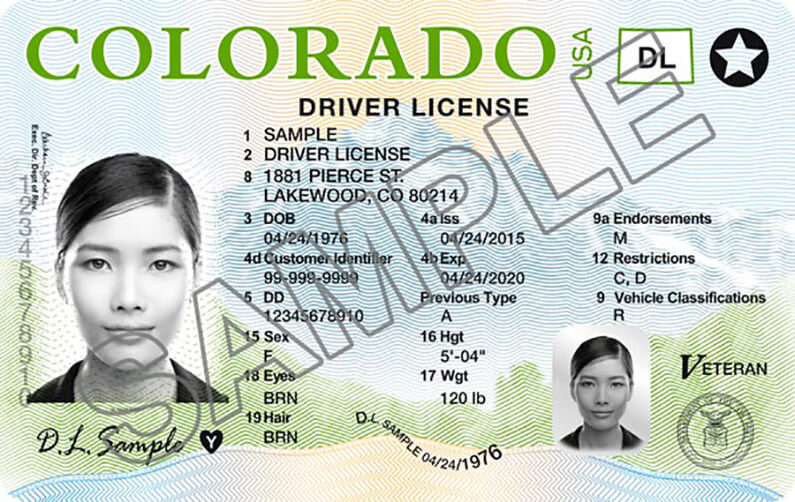
Age Requirements
In Colorado, you can apply for a learner’s permit (also known as an instruction permit) at the age of 15 years and a half. However, there are different pathways and requirements depending on your age at the time of application.
- Under 16 years old: Applicants under 16 must complete an approved driver education course from a commercial driving school or a high school. This course must include at least 30 hours of classroom instruction and six hours of behind-the-wheel training.
- 16 years old and older: Applicants who are 16 or older are not required to complete a formal driver education course to obtain an instruction permit. However, they will still need to pass the required tests and meet all other documentation requirements.
Required Identification and Documentation
To prove your identity, legal presence, date of birth, and residency in Colorado, you will need to present specific documents to the Department of Revenue (DMV). It is highly recommended to check the official Colorado DMV website for the most up-to-date list of acceptable documents, as requirements can change. Generally, you will need:
- Proof of Identity: This can be an original or certified copy of your U.S. birth certificate, a U.S. passport, or a Certificate of Citizenship.
- Proof of Legal Presence: If you are not a U.S. citizen, you will need documents such as a valid U.S. passport, a Permanent Resident Card, or an Employment Authorization Card.
- Proof of Social Security Number: Your Social Security card is the most common form of proof. If you do not have a card, other documents may be accepted.
- Proof of Colorado Residency: You will need to provide at least two documents proving you live in Colorado. Examples include utility bills, bank statements, rental agreements, or school transcripts, all bearing your name and Colorado address.
- Proof of Name Change (if applicable): If your name differs on any of your documents, you’ll need to provide legal proof of the name change, such as a marriage certificate or court order.
It is essential to bring originals or certified copies of all documents. Photocopies are generally not accepted.
The Application Process
The application process for a driver’s permit involves several steps, starting with gathering your documents and culminating in passing the necessary tests.
Step 1: Visit a Colorado Driver License Office
The first practical step is to visit a Colorado Division of Motor Vehicles (DMV) office. Appointments are often recommended or even required, especially in busier locations. You can usually schedule an appointment online through the Colorado DMV website. Be prepared for potential wait times, even with an appointment.
Step 2: Complete the Application Form
At the DMV office, you will be given a Driver License Application form. Ensure you fill this out completely and accurately. Any errors or omissions could delay your application.
Step 3: Pass the Vision Test
A vision test is a standard part of the permit application process. This test assesses your ability to see clearly at various distances. If you wear corrective lenses (glasses or contacts), be sure to have them with you and inform the examiner. If you pass the vision test while wearing corrective lenses, your permit will have a restriction indicating you must wear them while driving.
Step 4: Pass the Knowledge Test
The knowledge test, often referred to as the written test, assesses your understanding of Colorado traffic laws, road signs, and safe driving practices. The test is typically administered on a computer. To prepare, it is highly recommended to study the official Colorado Driver Handbook. This handbook is available for free download from the Colorado DMV website. It covers all the material that will be on the test.
The knowledge test consists of multiple-choice questions. You will need to answer a certain percentage correctly to pass. If you fail the knowledge test, you will usually have to wait a specific period before you can retake it, and there may be a fee associated with retesting.
Step 5: Pay the Required Fees
There are fees associated with obtaining a driver’s permit in Colorado. These fees cover the application, testing, and the issuance of the permit. The exact amount can vary, so it’s best to check the Colorado DMV website for the most current fee schedule. Payments are typically accepted in the form of cash, check, or credit/debit card.
Step 6: Get Your Photograph Taken and Receive Your Permit
Once you have successfully passed all the tests and met all the documentation and payment requirements, your photograph will be taken for your permit. You will then be issued your official Colorado instruction permit. This permit is valid for a specified period, typically a few years, and allows you to drive under the supervision of a licensed adult.
Restrictions and Requirements for Permit Holders
Holding a driver’s permit is a privilege that comes with specific rules and restrictions designed to ensure safe driving practices. Understanding and adhering to these rules is paramount for a successful and safe learning experience.
Driving Supervision

The most significant restriction for an instruction permit holder is that you must always drive with a licensed driver who is at least 21 years old and has at least one year of driving experience. This licensed driver must be seated in the front passenger seat, ready to take control of the vehicle if necessary.
Curfew and Passenger Restrictions
Colorado has specific restrictions for permit holders, particularly concerning driving during certain hours and carrying passengers.
- Curfew: For permit holders under the age of 18, there are restrictions on when they can drive unsupervised. While driving with a licensed adult, these specific curfew laws for permit holders might not apply, but it’s crucial to be aware of them as you progress towards a full license.
- Passenger Limitations: When you eventually progress to a provisional license, there will be strict limitations on the number and age of passengers you can carry. For permit holders, the primary rule is always having a qualified supervising driver present.
Cell Phone Usage
Using a handheld electronic device, including cell phones, while driving is illegal for all drivers in Colorado, and this applies strictly to permit holders as well. This means no texting, calling without a hands-free device, or browsing the internet while behind the wheel, even with a supervising driver.
Permit Validity and Renewal
Your instruction permit will have an expiration date. It is your responsibility to be aware of this date and renew your permit before it expires if you have not yet obtained your driver’s license. Failure to do so will mean you cannot legally drive.
Preparing for the Knowledge Test
The knowledge test can be a hurdle for some, but with the right preparation, you can approach it with confidence.
Study the Colorado Driver Handbook
As mentioned earlier, the Colorado Driver Handbook is your most valuable resource. Read it thoroughly, paying close attention to sections on:
- Traffic laws and regulations
- Road signs and signals
- Safe driving techniques
- The effects of alcohol and drugs on driving
- Sharing the road with others
Utilize Practice Tests
Many resources are available online that offer practice knowledge tests. These are often modeled after the actual DMV test and can help you identify areas where you need more study. Taking several practice tests can also familiarize you with the test format and question types.
Understand Road Signs
Road signs are a critical component of the knowledge test and safe driving. Make sure you can identify and understand the meaning of various signs, including warning signs, regulatory signs, guide signs, and construction signs.
Review Common Mistakes
Familiarize yourself with common mistakes drivers make and the rules designed to prevent them. This includes understanding right-of-way rules, speed limits, parking regulations, and procedures for emergencies.
Next Steps: Moving Towards a Driver’s License
The instruction permit is the first step in a graduated licensing program. Once you have held your permit for the required period and completed other prerequisites, you can move on to obtaining a provisional license and eventually a full driver’s license.
Graduated Driver Licensing (GDL) Program
Colorado operates a Graduated Driver Licensing (GDL) program for young drivers. This program is designed to provide new drivers with supervised driving experience in a controlled manner before granting them full driving privileges.
- Instruction Permit: The initial stage, allowing supervised driving.
- Provisional License: Obtained after holding an instruction permit for a minimum period (typically 12 months) and completing a driver education program (if under 16) and 16 hours of supervised driving, including at least 10 hours at night. This license has its own set of restrictions, including passenger limits and a curfew for unsupervised driving.
- Driver’s License: The final stage, typically obtained at age 18, once all GDL requirements are met.
Supervised Driving Practice
A crucial part of progressing through the GDL program is accumulating supervised driving hours. Make the most of your time with your supervising driver to practice various driving scenarios, from city streets to highways, in different weather conditions, and at different times of day. Documenting these hours is often required.

Driver Education Courses
For drivers under 16, completing an approved driver education course is mandatory. These courses provide structured learning on driving techniques, traffic laws, and defensive driving. Even for those over 16, a driver education course can be incredibly beneficial for building confidence and competence.
Securing your driver’s permit in Colorado is an achievable goal with careful preparation and adherence to the state’s regulations. By understanding the requirements, diligently studying, and practicing safe driving habits, you’ll be well on your way to enjoying the freedom of the open road responsibly.
LifeOutOfTheBox is a participant in the Amazon Services LLC Associates Program, an affiliate advertising program designed to provide a means for sites to earn advertising fees by advertising and linking to Amazon.com. Amazon, the Amazon logo, AmazonSupply, and the AmazonSupply logo are trademarks of Amazon.com, Inc. or its affiliates. As an Amazon Associate we earn affiliate commissions from qualifying purchases.