
Navigating the process of obtaining a driver’s permit in Florida is a significant step for young residents eager to gain independence and explore the Sunshine State. This guide will meticulously outline the requirements, steps, and essential information needed to successfully acquire your learner’s permit, ensuring a smooth and informed journey from application to issuance. The process is designed with safety and education as paramount, focusing on equipping new drivers with the fundamental knowledge and skills necessary before they can operate a vehicle on public roads. Understanding these prerequisites is key to a successful application.
Understanding the Florida Learner’s Permit Requirements
The Florida Department of Highway Safety and Motor Vehicles (FLHSMV) has established clear criteria for individuals applying for a learner’s permit. These requirements are primarily centered around age, parental consent, and completion of specific educational courses.
Age Eligibility
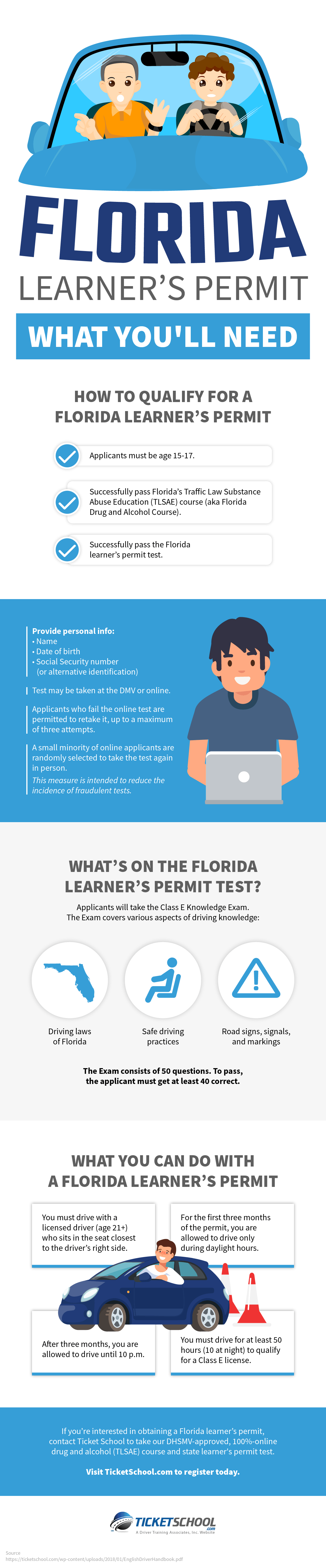
To be eligible for a learner’s permit in Florida, applicants must be at least 15 years old. This age threshold is a crucial component of the Graduated Driver Licensing (GDL) program, which introduces driving privileges in stages to allow new drivers to gain experience in a controlled environment. Applicants who are under 18 years of age will need parental or legal guardian consent.
Parental or Legal Guardian Consent
For applicants under the age of 18, the signed consent of a parent or legal guardian is mandatory. This form typically needs to be notarized, although in many cases, it can be completed in the presence of a Driver and Vehicle Services (DVS) or Tax Collector’s office representative. This requirement underscores the importance of parental involvement in a young driver’s education and the responsibility associated with obtaining a permit.
Required Documentation
Prospective permit holders must present several forms of identification and documentation to verify their identity, date of birth, Social Security number, and residency in Florida. Accepted forms of identification generally include:
- Proof of Identity: An original or certified copy of a birth certificate or a valid U.S. passport.
- Proof of Social Security Number: A Social Security card or a W-2 form.
- Proof of Residential Address: Two different documents showing a Florida residential address, such as a utility bill, a lease agreement, or a bank statement.
- Proof of Legal Presence: Documents that prove legal presence in the United States, such as a birth certificate or a valid U.S. passport.
It is essential to check the official FLHSMV website for the most up-to-date list of acceptable documents, as requirements can occasionally change.
Completion of a Drug and Alcohol Course
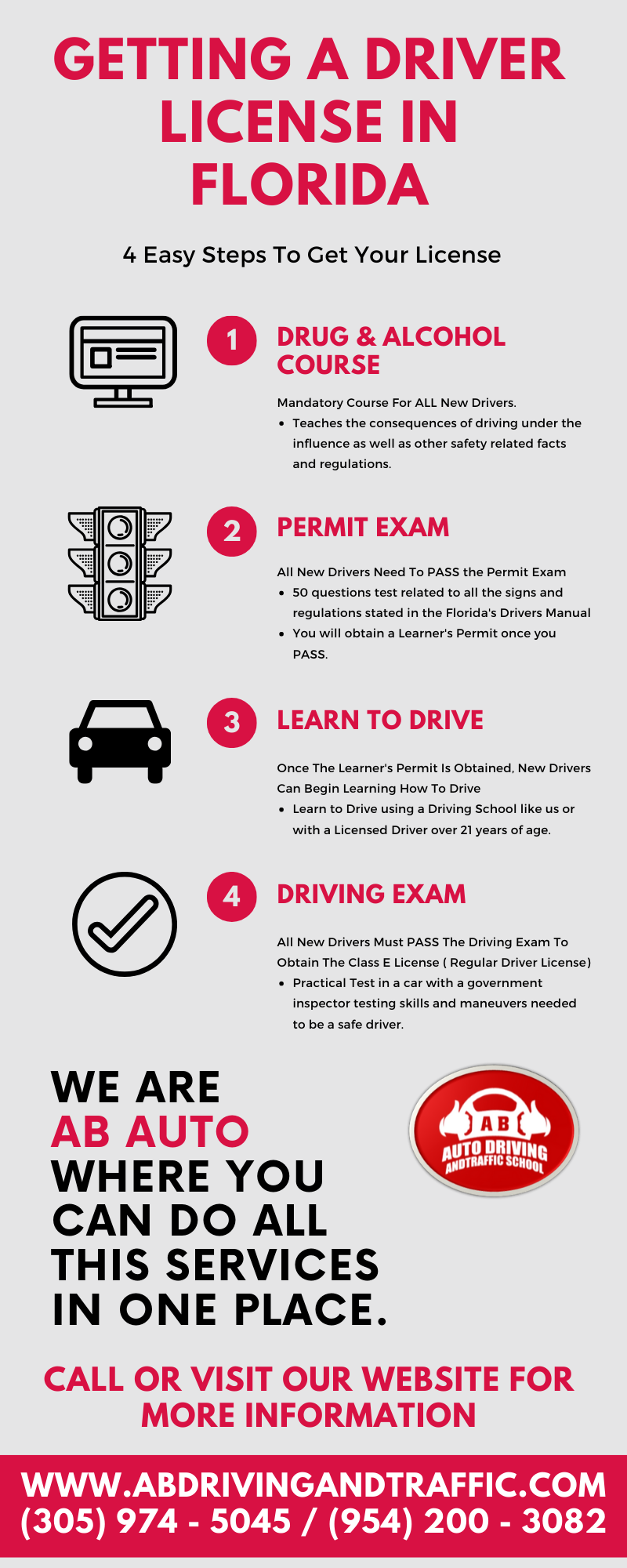
Before applying for a learner’s permit, all applicants, regardless of age, must complete a Traffic Law and Substance Abuse Education (TLSAE) course. This course is designed to educate individuals on the dangers of driving under the influence of drugs and alcohol, traffic laws, and safe driving practices. The course can be taken online from a Florida-certified provider or in person. Upon successful completion, participants receive a certificate, which must be presented at the time of the permit application.
The Steps to Obtaining Your Learner’s Permit
Once you have confirmed you meet the eligibility requirements and gathered the necessary documentation, the next step is to proceed with the application process at a Florida Driver and Vehicle Services (DVS) or Tax Collector’s office.
Scheduling an Appointment and Visiting the Driver’s License Office
While walk-ins are sometimes accommodated, it is highly recommended to schedule an appointment online through the FLHSMV website or by contacting your local county Tax Collector’s office. This will help minimize wait times and ensure a more efficient experience. On the day of your appointment, arrive punctually and be prepared to present all your required documents.
Passing the Knowledge and Vision Tests
At the Driver and Vehicle Services office, you will be required to pass two essential tests:
- Vision Test: This test assesses your visual acuity to ensure you can see clearly enough to operate a vehicle safely. You will be asked to read letters on a chart at a specified distance. If you wear corrective lenses, ensure you have them with you and inform the examiner.
- Learner’s Permit Knowledge Test: This computer-based test evaluates your understanding of Florida traffic laws, road signs, and safe driving practices. The test consists of 50 multiple-choice questions, and you must answer at least 40 correctly to pass. You can prepare for this test by studying the Florida Official Driver Handbook, which is available for free on the FLHSMV website. Practicing with online permit tests is also highly beneficial.
If you do not pass either test on your first attempt, you will typically be allowed to retake it after a waiting period, usually the following day.
Providing Required Documentation and Paying Fees
During your visit, you will submit all the verified documentation you have gathered. The examiner will review your documents to ensure they meet all the FLHSMV criteria. You will also be required to pay the applicable fees for the learner’s permit. These fees can vary slightly, so it’s advisable to check the current fee schedule on the FLHSMV website. Payment is typically accepted in cash, check, or credit/debit card, depending on the office.
Having Your Photograph Taken and Biometrics Captured
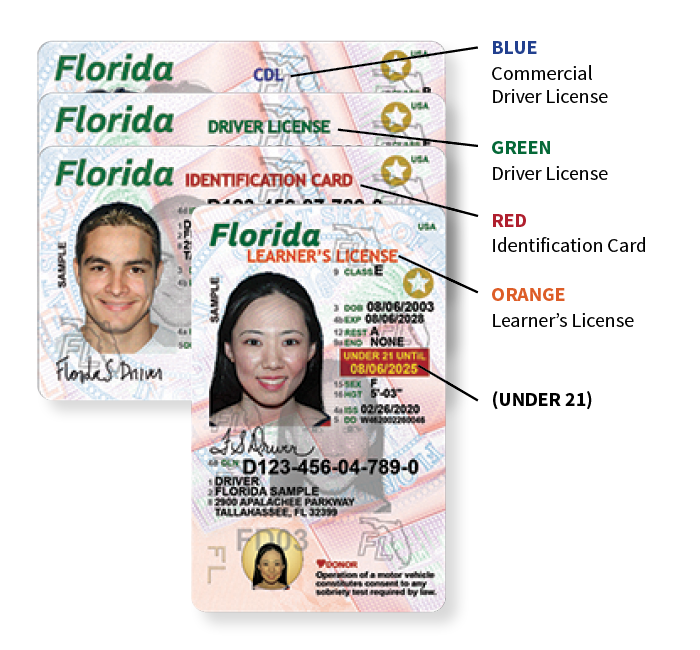
As part of the licensing process, your photograph will be taken for your learner’s permit. Additionally, your thumbprint may be captured for identification purposes. This ensures that the permit is uniquely linked to you.
Restrictions and Responsibilities with a Learner’s Permit
Holding a learner’s permit in Florida signifies a crucial stage of supervised driving. It comes with specific restrictions and responsibilities designed to foster safe driving habits and build experience.
Supervised Driving Requirements
A learner’s permit holder must always be accompanied by a licensed driver who is at least 21 years old and holds a valid Florida driver’s license. This supervising driver must occupy the front passenger seat. The permit holder can only drive during daylight hours unless they have completed 50 hours of supervised driving, 10 of which must be at night.
Curfew Restrictions
For permit holders under 17 years old, there are specific curfew restrictions. They cannot drive between 11:00 p.m. and 6:00 a.m., unless accompanied by a licensed driver meeting the age requirement or traveling to or from a work or church activity. These curfews are in place to further enhance safety during the initial stages of learning to drive.
Restrictions on Mobile Device Use
Florida law strictly prohibits the use of wireless communications devices (including cell phones) by drivers under the age of 18 while operating a motor vehicle. This includes hands-free devices. This zero-tolerance policy aims to eliminate distractions and promote focused driving.
Maintaining a Clean Driving Record
It is imperative for permit holders to maintain a clean driving record. Any traffic violations, such as speeding tickets or citations for running a red light, can result in penalties, including extensions of the permit holding period or suspension of driving privileges. Demonstrating responsibility now will pave the way for a smoother transition to a full driver’s license.
Transitioning to a Driver’s License
The learner’s permit is a stepping stone toward obtaining a full driver’s license. To advance, permit holders must meet specific requirements and complete further steps.
Minimum Holding Period
Applicants must hold their learner’s permit for a minimum of 12 months or until they turn 18 years old, whichever comes first. This period is dedicated to gaining practical driving experience under supervision.
Completion of Behind-the-Wheel Training
In addition to the TLSAE course, applicants under 18 must complete at least 50 hours of supervised driving practice, with a minimum of 10 hours occurring at night. This practical experience is crucial for developing confidence and proficiency in various driving conditions. It is recommended to log these hours and have them certified by the supervising driver.
The Driving Test
Once the permit holding period and supervised driving hours are met, the applicant is eligible to schedule and take the driving test. This test is administered by a licensed Florida driver license examiner and assesses the applicant’s ability to safely operate a vehicle in real-world driving situations. The test typically involves maneuvers such as parking, changing lanes, and navigating traffic.
By diligently following these guidelines and dedicating time to practice, aspiring drivers in Florida can successfully navigate the process of obtaining their learner’s permit and embark on their journey toward becoming licensed drivers. The emphasis on education, supervised practice, and adherence to rules ensures that new drivers are well-prepared for the responsibilities of the road.
LifeOutOfTheBox is a participant in the Amazon Services LLC Associates Program, an affiliate advertising program designed to provide a means for sites to earn advertising fees by advertising and linking to Amazon.com. Amazon, the Amazon logo, AmazonSupply, and the AmazonSupply logo are trademarks of Amazon.com, Inc. or its affiliates. As an Amazon Associate we earn affiliate commissions from qualifying purchases.