
Navigating the process of obtaining a duplicate car title in Florida is a crucial step for any vehicle owner who has misplaced, lost, or had their title stolen. This essential document serves as proof of ownership, and without it, selling your vehicle, registering it in another state, or even certain repair processes can become significantly more complicated. Fortunately, the Florida Department of Highway Safety and Motor Vehicles (FLHSMV) provides a clear and relatively straightforward procedure to secure a replacement. Understanding the requirements, gathering the necessary documentation, and knowing where to submit your application will ensure a smooth and efficient experience.
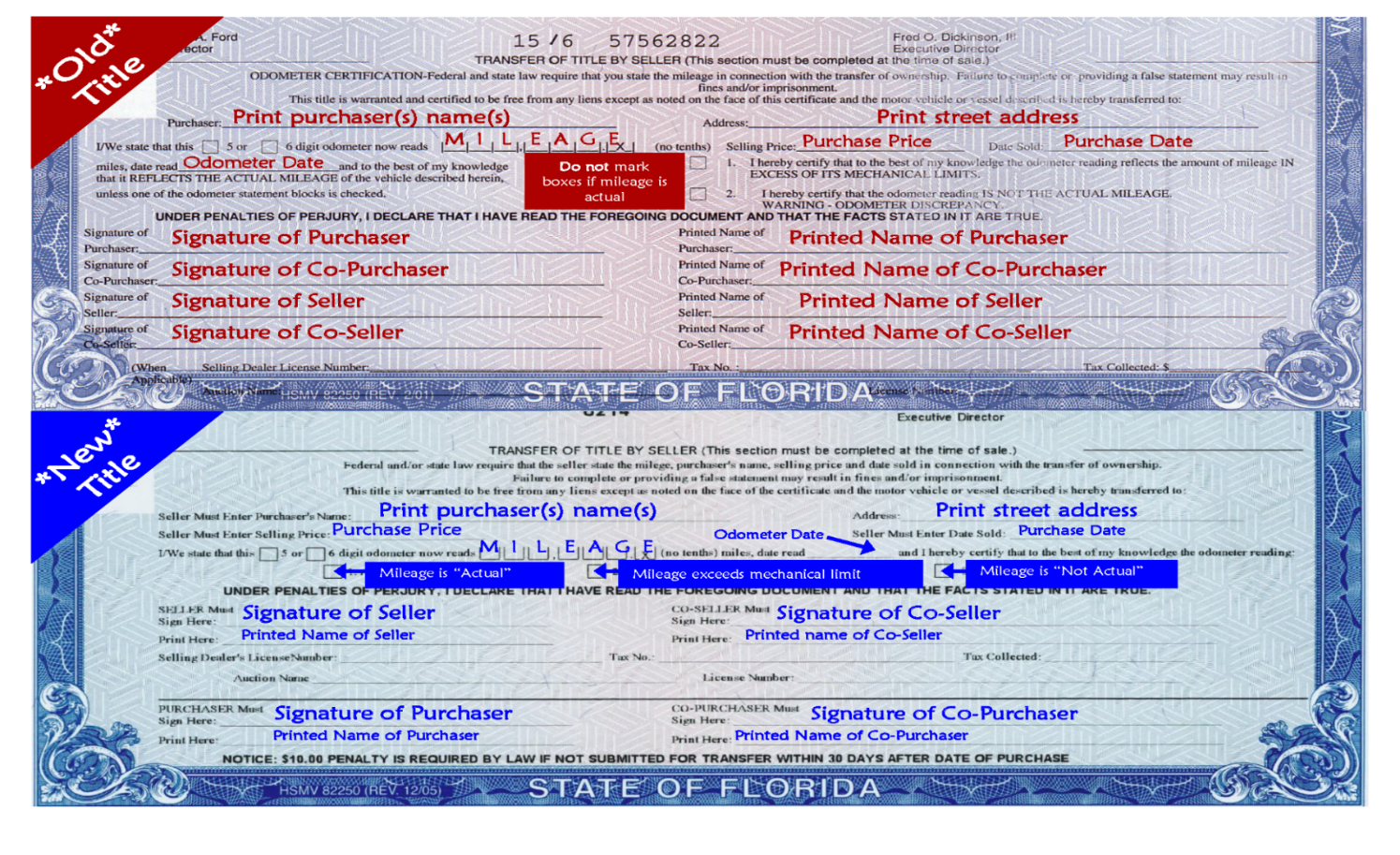
Understanding the Importance of Your Vehicle Title
Your car title, often referred to as a Certificate of Title, is more than just a piece of paper. It is the legal document that signifies who has the ultimate ownership of a vehicle. In Florida, like most states, this document is fundamental for a variety of transactions and responsibilities related to your vehicle.
Proof of Ownership
The primary function of a car title is to establish legal ownership. When you purchase a vehicle, the title is transferred to your name, proving that you are the rightful owner. This is critical for preventing fraudulent claims and ensuring that the vehicle is legally yours to possess, operate, and manage.
Vehicle Transactions
Without a valid title, you cannot legally sell your car, truck, motorcycle, or any other titled vehicle. The buyer will need the title to register the vehicle in their name, and you, as the seller, will need to transfer ownership by signing over the title. Similarly, if you are gifting a vehicle or transferring it to a family member, the title must be properly handled.
Registration and Licensing
While not always required for daily registration renewals if you have a copy of your registration, a title is indispensable for initial registration, especially if you are bringing a vehicle into Florida from another state. It’s also vital if you’ve lost your registration and need to re-establish your vehicle’s legal status.
Financing and Insurance
Lenders who finance vehicle purchases typically hold the title as collateral until the loan is fully repaid. This is to protect their investment. Insurance companies may also require proof of ownership in certain situations, particularly in cases of total loss or disputes.
Other Legalities
A title is also important for specialized vehicle transactions, such as applying for historical plates, custom modifications that require re-titling, or resolving lien issues. In essence, any activity that legally alters the status or ownership of your vehicle hinges on having a proper title.
Eligibility and Required Documentation
Before you embark on the process of obtaining a duplicate title, it’s essential to understand who is eligible to apply and what documentation you will need to present to the Florida Department of Highway Safety and Motor Vehicles (FLHSMV). Eligibility generally falls to the registered owner(s) of the vehicle, or in some cases, a lienholder.
Who Can Apply?
- The Registered Owner(s): If your name is on the existing title as the owner, you are the primary person eligible to apply for a duplicate. If there are multiple owners listed (e.g., “and” or “or”), all listed owners may need to sign the application, depending on how they are listed.
- Lienholder: If there is an active lien on the vehicle and the lender is listed as the lienholder on the title, they may be able to apply for a duplicate title. This is typically done to protect their interest in the vehicle.
- Legal Representative: In cases where the owner is deceased or incapacitated, a legal representative with proper documentation (e.g., power of attorney, letters of administration) can apply on behalf of the owner.
Essential Documents for Application
The core document required for a duplicate title application is the “Application for Duplicate or Lost in Transit Title” (HSMV Form 71073). This form can be downloaded from the FLHSMV website or obtained from a local county tax collector’s office.
Beyond the application form, you will generally need the following:
- Proof of Identity: A valid, government-issued photo identification is mandatory. This can include a Florida driver’s license, a Florida identification card, or a valid out-of-state driver’s license.
- Vehicle Information: You will need to provide accurate information about the vehicle, including:
- Vehicle Identification Number (VIN)
- Year, Make, and Model of the vehicle
- Current license plate number (if applicable)
- Reason for Duplicate Title: The application form will ask you to specify the reason for requesting a duplicate title (e.g., lost, stolen, damaged, never received).
- Lien Information (if applicable): If there is a lien on the vehicle, you will need to provide the name and address of the lienholder. The lienholder may also need to sign the application.
- Fees: A fee is required for processing the duplicate title application. The exact amount can be found on the FLHSMV website or at your local tax collector’s office.
Important Note on Lost vs. Stolen Titles: If your title was stolen, it is advisable to file a police report. While not always a mandatory requirement for a duplicate title, it can provide an extra layer of security and documentation.
The Application Process: Step-by-Step
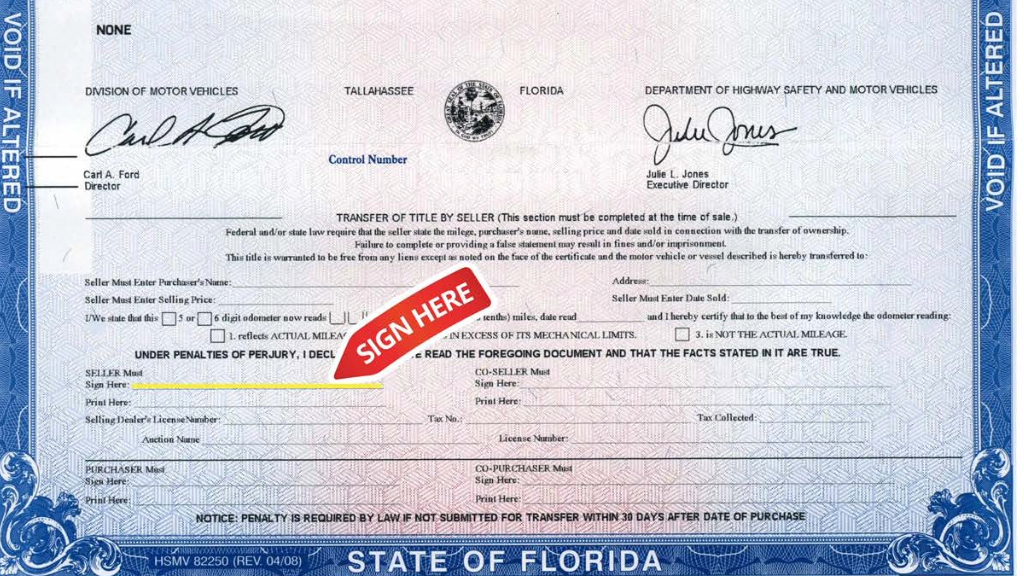
The process for obtaining a duplicate car title in Florida can be completed in a few ways, offering flexibility to applicants. The most common and recommended method is through your local county tax collector’s office.
Option 1: Applying Through a County Tax Collector’s Office (Recommended)
This is generally the most efficient method as it allows you to submit your application in person, have your documents reviewed immediately, and often receive your duplicate title more quickly.
- Locate Your Local Office: Visit the FLHSMV website or conduct a web search for “Florida county tax collector offices.” Find the office nearest to you.
- Gather Required Documents: As outlined in the previous section, ensure you have your completed HSMV Form 71073, proof of identity, and all necessary vehicle and lienholder information.
- Visit the Office: Bring all your documents with you to the tax collector’s office. A customer service representative will guide you through the process, review your paperwork, and collect the required fees.
- Application Submission: The office will submit your application and supporting documents to the FLHSMV on your behalf.
- Receiving Your Title: The duplicate title will be mailed to the address on file for the vehicle owner. Processing times can vary but are typically within a few weeks.
Option 2: Applying by Mail
While less common and potentially slower, it is possible to apply for a duplicate title by mail. This option may be suitable if you are unable to visit a local office.
- Obtain the Form: Download HSMV Form 71073 from the FLHSMV website.
- Complete the Form: Fill out the application accurately and legibly.
- Prepare Supporting Documents: Make copies of your proof of identity.
- Mail the Application: Send the completed application form, copies of your identification, and a check or money order for the required fee to the address specified on the form or the FLHSMV website for mail-in duplicate title applications.
- Processing and Mailing: Once received and processed, the FLHSMV will mail the duplicate title to your address. Be prepared for a longer processing time compared to applying in person.
Option 3: Online Applications (Limited Availability)
The FLHSMV may offer limited online services for certain title-related transactions. It is advisable to check the official FLHSMV website for the most up-to-date information on whether a duplicate title application can be fully initiated or completed online. Often, online services are for specific scenarios or may require a follow-up in person.
Special Considerations and Potential Roadblocks
While the process for obtaining a duplicate car title in Florida is generally straightforward, there are certain special considerations and potential roadblocks that vehicle owners should be aware of. Addressing these proactively can save time and prevent frustration.
Joint Ownership and Signatures
If your vehicle title lists multiple owners with “and” between their names, all owners will typically need to sign the duplicate title application. If the title lists owners with “or,” usually only one owner is required to sign. It is crucial to verify how the names are listed on your existing title or vehicle registration to understand the signature requirements.
Active Liens on the Title
If there is an active lienholder listed on your title, they have a legal interest in the vehicle. In such cases, the lienholder will usually need to be involved in the application process for a duplicate title. They may even be the ones to initiate the application to protect their security interest. You will need to provide their full name and address, and they may need to endorse the application.
Out-of-State Titles
If your vehicle was previously titled in another state and you are now applying for a duplicate title in Florida because you’ve lost the original out-of-state title, the process can be more complex. You may need to provide proof of prior ownership from the previous state, and the FLHSMV will guide you through the specific requirements for titling a vehicle with a lost out-of-state title. This often involves a VIN inspection and potentially clearing any outstanding liens in the previous jurisdiction.
Salvaged or Rebuilt Titles
Vehicles that have been declared a total loss by an insurance company and subsequently rebuilt may have a “salvage” or “rebuilt” brand on their title. Obtaining a duplicate title for such vehicles might involve additional steps and documentation related to the rebuilding process and inspections.
Delays and Rejections
Applications can be delayed or rejected if the information provided is incomplete, inaccurate, or if the required documentation is missing. Ensuring all fields on HSMV Form 71073 are filled out correctly and that your identification is current and valid is paramount. Double-checking all details before submission can prevent these issues.

Cost and Payment Methods
The fee for a duplicate title is subject to change, so it’s always best to check the official FLHSMV website or inquire with your local tax collector’s office for the most current amount. Payment methods accepted can vary by office, but typically include cash, check, money order, and sometimes debit/credit cards.
By being prepared with the correct documentation and understanding the potential complexities, you can successfully obtain a duplicate car title in Florida and maintain your vehicle’s legal standing without undue stress.
LifeOutOfTheBox is a participant in the Amazon Services LLC Associates Program, an affiliate advertising program designed to provide a means for sites to earn advertising fees by advertising and linking to Amazon.com. Amazon, the Amazon logo, AmazonSupply, and the AmazonSupply logo are trademarks of Amazon.com, Inc. or its affiliates. As an Amazon Associate we earn affiliate commissions from qualifying purchases.