
Florida, often hailed as the “Fishing Capital of the World,” offers an unparalleled aquatic paradise for anglers of all skill levels. From the shimmering depths of the Atlantic Ocean to the tranquil freshwater lakes of its interior, the state boasts an incredible diversity of fish species and fishing environments. Whether you’re dreaming of reeling in a trophy bass in Lake Okeechobee, battling a tarpon in the Florida Keys, or enjoying a relaxed day of pier fishing, Florida’s waters promise memorable experiences. However, before you cast your line, securing the appropriate fishing license is not just a recommendation—it’s a legal requirement designed to protect and conserve the state’s precious marine and freshwater resources for generations to come.
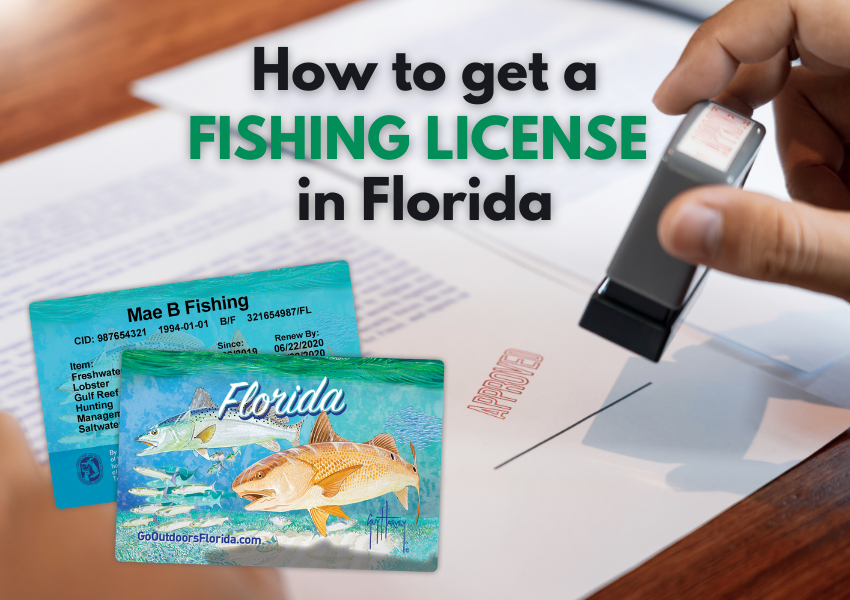
This comprehensive guide will walk you through everything you need to know about obtaining a fishing license in Florida, ensuring your adventure is both exciting and compliant with local regulations. We’ll delve into the various types of licenses available, where and how to purchase them, essential requirements, and how to integrate your fishing plans with the broader Florida travel and lifestyle experience, from ideal accommodations to top angling destinations. Planning your trip efficiently, understanding the local culture, and choosing the right activities will transform a simple fishing excursion into an unforgettable Florida getaway.
Navigating Florida’s Fishing License Requirements
Understanding the specific fishing license requirements in Florida is the first crucial step for any angler, whether you’re a lifelong resident or a visitor planning a vacation. The system is designed to be comprehensive, distinguishing between different types of fishing, residency statuses, and even age groups, all managed by the Florida Fish and Wildlife Conservation Commission (FWC). Familiarizing yourself with these distinctions ensures you select the correct license, avoiding potential fines and contributing positively to the state’s conservation efforts.
Understanding Different License Types
Florida’s fishing licenses are primarily categorized based on the type of water you plan to fish in and your residency status.
- Freshwater Fishing License: This is required for taking freshwater fish, such as largemouth bass, crappie, and bluegill, from inland lakes, rivers like the St. Johns River or Kissimmee River, and ponds. If your travel plans include exploring Florida’s interior natural landmarks, a freshwater license is essential.
- Saltwater Fishing License: If your angling aspirations lead you to the Gulf of Mexico, the Atlantic Ocean, or any of the state’s coastal bays, estuaries, or tidal creeks, you’ll need a saltwater license. This covers a vast array of species including snook, redfish, snapper, grouper, and many others prevalent in popular tourist destinations like Miami, Sarasota, and the Florida Keys.
- Combination License: For anglers who wish to explore both freshwater and saltwater environments, combination licenses are available. These often prove more convenient and cost-effective than purchasing separate licenses, especially for visitors planning extensive fishing trips throughout the state.
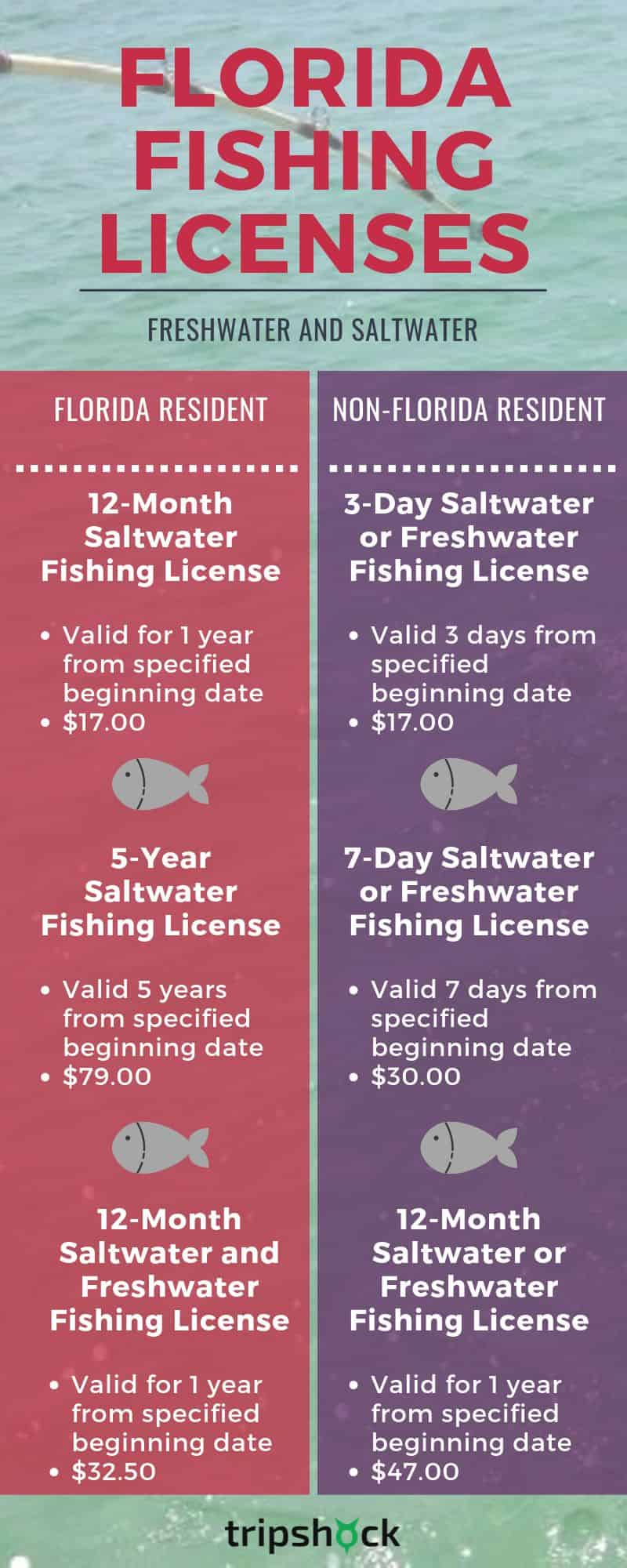
- Resident vs. Non-Resident Licenses: The pricing structure for fishing licenses in Florida varies significantly depending on whether you are a resident or a non-resident of the state. Residents typically enjoy lower fees and broader options for annual licenses. Non-residents, including those visiting from other states in the United States or international travelers from countries like Canada or Mexico, will purchase non-resident licenses, which are available for shorter durations (e.g., 3-day, 7-day) to accommodate vacation schedules.
- Special Permits and Endorsements: Certain species, like snook or lobster, may require additional permits or endorsements on top of your standard saltwater fishing license. These are often related to specific seasons or gear types, reflecting targeted conservation efforts. Always check the latest FWC regulations before targeting these species.
Who Needs a License? Exemptions and Special Cases
While most individuals engaged in fishing in Florida require a license, there are specific exemptions and situations to be aware of:
- Children: Residents and non-residents under the age of 16 are generally exempt from needing a fishing license in Florida. This makes fishing a wonderfully accessible family activity, perfect for family trips where even the youngest members can participate without additional bureaucratic hurdles.
- Seniors: Florida residents who are 65 years of age or older can obtain a complimentary fishing license. This is a fantastic benefit for retirees enjoying the Florida lifestyle and provides an incentive for older adults to stay active outdoors.
- Fishing from a Licensed Pier or Charter Boat: If you are fishing from a for-hire charter boat or a licensed fishing pier (like those found in tourist hotspots such as St. Petersburg or Key West), you are typically covered under the vessel’s or pier’s blanket license. This is a common arrangement for tourists and a convenient way to experience Florida fishing without needing an individual license immediately, making it a popular activity for those exploring local culture. However, it’s always prudent to confirm this with your captain or the pier management.
- Military Personnel: Active duty members of the United States Armed Forces who are Florida residents, while home on leave, may be exempt from certain license requirements. It’s always best to consult the FWC for the most current details regarding military exemptions.
- Disabled Residents: Certain disabled Florida residents may also qualify for a no-cost license or other exemptions. These provisions ensure that fishing remains an inclusive activity for all members of the community.
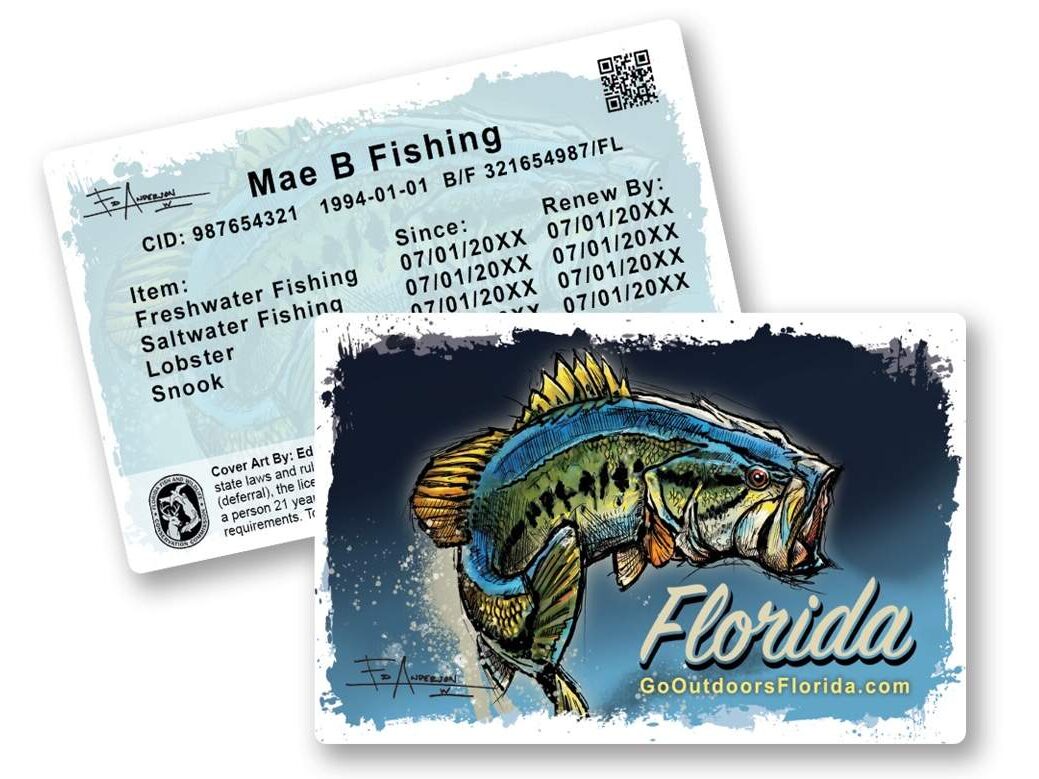
For all other scenarios, including fishing from your own boat, from shore, or from public bridges and beaches, an individual license is mandatory. It’s imperative to carry proof of your license, whether digital or physical, while fishing. The regulations are designed to sustain Florida’s reputation as a premier fishing destination, ensuring that the unique attractions and abundant marine life continue to draw visitors and provide a high quality of life for residents.
The Simple Steps to Purchase Your Florida Fishing License
Acquiring a Florida fishing license is a straightforward process, designed for convenience whether you’re planning your trip months in advance or making a last-minute decision to cast a line. The FWC has streamlined several purchasing avenues to ensure accessibility for both residents and the millions of tourists who flock to the state annually. Understanding these options will help you integrate the license acquisition seamlessly into your travel itinerary, leaving more time for enjoying Florida’s diverse attractions.
Online, In-Person, and By Phone Options
The FWC provides multiple convenient methods to purchase your fishing license:
- Online (Recommended for Convenience): The quickest and most popular method is to purchase your license directly from the FWC’s website. This platform is accessible 24/7, making it ideal for planning your trip from anywhere in the world, whether you’re at home contemplating a luxury trip or booking budget accommodation. You can select your desired license type (freshwater, saltwater, or combination), duration (annual, 3-day, 7-day), and complete the transaction securely. Once purchased, you can print a copy of your license or store it digitally on your mobile device, which serves as valid proof while fishing. This digital convenience aligns perfectly with modern travel trends, allowing you to manage your permits alongside your hotel bookings and attraction tickets.
- In-Person at License Agents: For those who prefer a physical transaction or need immediate assistance, licenses can be purchased at various authorized license agents across the state. These include most Walmart stores, many sporting goods stores, bait and tackle shops, and local tax collector’s offices. This option is particularly convenient if you’ve already arrived in a specific destination like Destin or Islamorada and need to pick up a license along with your fishing gear. Purchasing in-person can also offer an opportunity to chat with local experts who might provide valuable tips on local fishing spots or current conditions, enhancing your tourism experience.
- By Phone: You can also purchase a license by calling the FWC customer service line. This method is useful for those without immediate internet access or who prefer speaking directly with a representative. Have your personal information and payment details ready to expedite the process.
What You’ll Need: Documentation and Details
Regardless of the method you choose, you’ll need to provide some basic information and potentially documentation to acquire your Florida fishing license:
- Personal Identification: You will need a valid form of identification. For United States residents, this typically means a driver’s license or state ID card. International visitors should have their passport or other government-issued ID readily available.
- Social Security Number: For U.S. residents, a Social Security Number is required for license purchases, as mandated by federal law related to child support enforcement.
- Proof of Residency (for Resident Licenses): If you are applying for a resident license, you will need to demonstrate proof of Florida residency. This typically includes a Florida driver’s license or ID card, but other forms of proof like voter registration, vehicle registration, or a declaration of domicile might be accepted. The specific requirements are detailed on the FWC website, and it’s important to review them to ensure you qualify for resident rates. This is especially relevant for individuals who split their time between Florida and other states, influencing their lifestyle choices and travel patterns.
- Payment Method: A valid credit or debit card is necessary for online and phone purchases. In-person agents usually accept cash, credit, or debit.
It’s wise to complete your license purchase before heading out to fish. While mobile access allows for last-minute purchases, reliable internet connectivity might not always be available in remote fishing locations, particularly if you’re exploring natural landmarks like portions of the Everglades or the expansive Florida Panhandle. Having your license sorted beforehand means you can focus entirely on enjoying the incredible fishing opportunities that Florida has to offer, making your trip stress-free and enjoyable.
Beyond the License: Essential Regulations and Responsible Angling
Obtaining your Florida fishing license is a critical first step, but it’s equally important to understand and adhere to the state’s fishing regulations. These rules are not merely bureaucratic hurdles; they are vital tools for conservation, ensuring that Florida’s diverse aquatic ecosystems remain healthy and productive. For both local anglers and tourists, embracing responsible angling practices enhances the overall fishing experience and safeguards the natural attractions that make Florida a world-renowned destination.
Protecting Florida’s Aquatic Ecosystems
Florida’s waters are teeming with life, from intricate coral reefs in the Florida Keys to vast freshwater marshlands in the Everglades. The regulations are designed to protect this delicate balance. Overfishing, habitat destruction, and pollution pose significant threats, and every angler plays a role in mitigating these risks. By understanding catch limits, size restrictions, and closed seasons, you contribute to sustainable fishing practices. This commitment to ecological preservation also supports the broader tourism industry, as healthy environments are paramount for activities like snorkeling, diving, and wildlife viewing, which often accompany fishing trips. Your responsible behavior directly helps maintain the stunning natural landmarks that draw visitors globally.
Key Regulations to Keep in Mind
While the FWC website is the ultimate resource for the most current and detailed regulations, here are some general categories of rules every angler should be aware of:
- Catch Limits (Bag Limits): These specify the maximum number of fish of a particular species an angler can keep within a 24-hour period. These limits vary widely by species and often by location. For example, the bag limit for redfish might differ from that of snapper.
- Size Limits: Minimum and sometimes maximum size limits are set for many species to allow fish to reach maturity and reproduce before being harvested. Measuring your catch accurately is crucial. Always have a measuring device handy, especially when targeting popular species like snook or redfish in the Tampa Bay area.
- Seasons: Many popular species have open and closed seasons, typically to protect them during spawning periods or to manage populations. For instance, lobster mini-season and regular season are highly anticipated events, but strict rules apply. Always check the season dates for the fish you intend to target, especially if planning your trip around specific angling opportunities in destinations like Key West.
- Gear Restrictions: There are rules regarding the types of gear you can use, such as hook limits, net specifications, and prohibitions on certain fishing methods (e.g., spearfishing in freshwater, certain types of traps).
- Prohibited Species: Some species are protected and cannot be harvested at all. It’s important to be able to identify your catch to ensure you are not illegally keeping a protected species.
- Special Management Zones: Certain areas, like national parks or wildlife refuges, may have additional or stricter regulations. Fishing in places like Dry Tortugas National Park or the Canaveral National Seashore requires careful attention to local rules.
- Conservation and Release Practices: If you plan to catch and release, understanding proper handling techniques is crucial to maximize the fish’s survival rate. This includes minimizing handling time, using de-hooking tools, and supporting the fish properly in the water.
Ignorance of the law is not an excuse. Always consult the latest FWC regulations, either online or by picking up a copy of the current fishing regulations handbook from a license agent. Adhering to these rules not only ensures a legal fishing trip but also plays a direct role in preserving Florida’s incredible natural beauty and abundant marine life for your next visit and for future generations of anglers and tourists.
Elevate Your Florida Fishing Adventure: Travel, Accommodation, and Lifestyle
A fishing license is your ticket to Florida’s aquatic playground, but the true magic lies in how you weave this activity into a broader travel and lifestyle experience. Florida’s tourism infrastructure is designed to cater to every kind of traveler, offering an array of destinations, accommodations, and activities that can perfectly complement your angling pursuits. From luxury resorts offering private charters to budget-friendly stays near bustling fishing piers, the possibilities for crafting your ideal Florida fishing trip are endless.
Top Florida Destinations for Anglers
Florida’s geography offers distinct fishing experiences:
- The Florida Keys: Renowned globally, the Florida Keys are a mecca for saltwater fishing. Destinations like Islamorada (the “Sportfishing Capital of the World”) and Key West offer incredible opportunities for tarpon, bonefish, permit, and offshore species like marlin and sailfish. It’s a perfect blend of world-class fishing and vibrant island lifestyle, complete with unique local culture, exquisite food, and breathtaking natural landmarks.
- Southwest Florida (e.g., Sarasota, Fort Myers, Naples): The Gulf Coast provides vast flats fishing for snook, redfish, and trout, as well as excellent offshore opportunities. Sarasota combines urban amenities with pristine beaches and access to bountiful waters. The region is also a hub for eco-tourism, allowing anglers to pair their trips with wildlife viewing in protected areas.
- Central Florida (e.g., Lake Okeechobee, Orlando): For freshwater enthusiasts, Lake Okeechobee is legendary for largemouth bass. Even if your main travel destination is Orlando, famous for Disney World and Universal Studios Florida, numerous smaller lakes and rivers nearby offer excellent freshwater fishing, making it possible to combine theme park adventures with peaceful angling.
- Florida Panhandle (e.g., Destin, Panama City Beach): Known for its emerald waters and sugar-white sands, the Panhandle is famous for its “Redneck Riviera” charm and fantastic fishing, especially for snapper, grouper, and king mackerel offshore, and speckled trout and redfish inshore. Destin prides itself on being the “World’s Luckiest Fishing Village.”
- East Coast (e.g., Miami, Fort Lauderdale, Space Coast): From the urban chic of Miami to the tranquility of the Space Coast, the Atlantic coast offers diverse fishing. Offshore charters target pelagic species, while inshore fishing in estuaries can yield snook, tarpon, and redfish. It’s a region where you can easily transition from a high-energy city experience to a serene day on the water.
Pairing Your Fishing Trip with Ideal Accommodation
Your choice of accommodation can significantly enhance your fishing trip. Florida offers options for every budget and lifestyle:
- Fishing Resorts and Marina Hotels: Many coastal and lakefront areas boast specialized resorts and hotels designed with anglers in mind. These often feature private docks, boat ramps, cleaning stations, and even on-site bait and tackle shops. Booking a stay at one of these allows for maximum convenience, especially if you’re bringing your own boat. Some examples might include boutique hotels in Tarpon Springs or larger resorts in Key West.
- Vacation Rentals and Apartments: For longer stays, family trips, or groups, renting a villa or apartment through services like Airbnb or local real estate companies offers flexibility, space, and often a more localized experience. Many rentals are waterfront, providing direct access to fishing. This is a popular option for those seeking a home-away-from-home feel.
- Luxury Hotels and Boutique Stays: If your fishing trip is part of a luxury travel experience, Florida has an abundance of high-end hotels and resorts that can arrange private charters, gourmet picnic lunches, and spa treatments for after your day on the water. Imagine staying at a Grand Hyatt Hotel near Tampa Bay and combining your angling with fine dining and city exploration.
- Budget-Friendly Options: For budget travel, campgrounds, motels, and economy hotels are plentiful, especially slightly away from prime tourist centers. Many offer clean, comfortable stays that allow you to allocate more of your budget to fishing charters or tackle.
When booking accommodation, consider proximity to marinas, fishing piers, and boat ramps, as well as amenities like ample parking for trailers if you’re bringing your own vessel. Reading reviews can help you find places that cater specifically to anglers.
Crafting Your Perfect Florida Fishing Lifestyle
Fishing in Florida isn’t just a hobby; for many, it’s a lifestyle, and for visitors, it can be a deeply immersive tourism experience.
- Guided Charters vs. DIY: For novices or those seeking specific species, a guided fishing charter is an excellent investment. Knowledgeable captains provide all the gear, bait, and expertise, increasing your chances of success and offering valuable insights into local fishing culture. This is often the best way to experience high-quality fishing in a limited timeframe. For experienced anglers or those on a budget, DIY fishing from shore, a pier, or your own boat offers freedom and flexibility.
- Family-Friendly Fishing: Florida excels at family-friendly activities. Many charters cater to families, and numerous piers offer safe, accessible fishing spots where kids can catch their first fish. Combine fishing with beach days, visits to attractions like Busch Gardens Tampa Bay, or nature walks to create a well-rounded family trip.
- Culinary Adventures: Incorporate local food into your fishing experience. Many restaurants, especially in coastal towns, will cook your fresh catch for you, offering a truly “dock-to-dish” dining experience. Explore fresh seafood markets, local eateries, and enjoy the diverse culinary landscape that complements Florida’s vibrant culture.
- Eco-Tourism and Nature Exploration: Fishing often goes hand-in-hand with appreciating Florida’s incredible natural beauty. Consider combining your fishing with kayaking, paddleboarding, bird watching, or airboat tours in the Everglades. These activities deepen your connection to the environment and offer a holistic travel experience.
By thoughtfully planning your travel, selecting appropriate accommodation, and embracing the diverse lifestyle opportunities, your Florida fishing trip will be much more than just catching fish – it will be an adventure that captures the essence of the Sunshine State.
Final Tips for an Unforgettable Florida Fishing Experience
To ensure your Florida fishing trip is as smooth and rewarding as possible, keep these final tips in mind:
- Check the Weather: Florida’s weather can change rapidly. Always check the forecast before heading out, especially for offshore trips. Thunderstorms are common in summer afternoons.
- Stay Hydrated and Protected: The Florida sun is intense. Wear sunscreen, a hat, sunglasses, and light, protective clothing. Carry plenty of water.
- Know Your Resources: Bookmark the FWC website on your phone for quick access to regulations, license renewals, and emergency contacts.
- Practice Catch and Release Responsibly: If you’re not keeping your catch, ensure you handle fish gently to maximize their survival chances.
- Respect Private Property: Always be mindful of private property signs when fishing from shore or kayaking.
- Leave No Trace: Pack out everything you pack in, including fishing lines, bait containers, and trash. Help keep Florida’s waters clean and beautiful.
Armed with your Florida fishing license and a spirit of adventure, you’re ready to discover why the Sunshine State remains a top-tier destination for anglers worldwide. Whether you seek the thrill of a big game catch or the tranquility of a quiet morning on the water, Florida’s waters await, promising unforgettable memories and the quintessential Florida lifestyle experience. Happy fishing!
LifeOutOfTheBox is a participant in the Amazon Services LLC Associates Program, an affiliate advertising program designed to provide a means for sites to earn advertising fees by advertising and linking to Amazon.com. Amazon, the Amazon logo, AmazonSupply, and the AmazonSupply logo are trademarks of Amazon.com, Inc. or its affiliates. As an Amazon Associate we earn affiliate commissions from qualifying purchases.