
Establishing your life in the Sunshine State often involves a myriad of practical steps, and acquiring a Florida driver’s license is undoubtedly one of the most critical. Beyond mere legal compliance, a Florida license serves as your primary form of identification, simplifies vehicle registration, and provides the freedom to explore the state’s vibrant cities, pristine beaches, and natural wonders at your leisure. For those transitioning their lifestyle to Florida, understanding this process is paramount. This comprehensive guide outlines the journey to obtaining your Florida driver’s license, ensuring a smooth integration into your new Florida lifestyle.
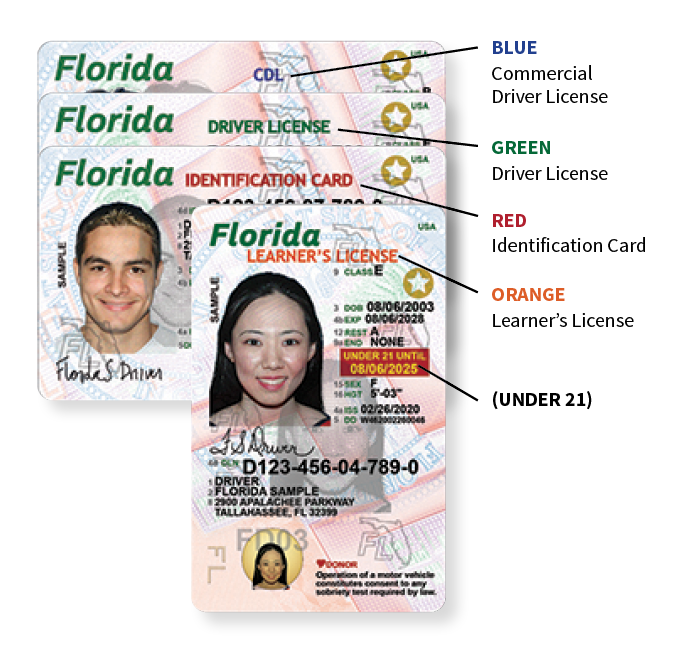
The Foundation: Understanding Eligibility and Required Documentation
Before you even step foot into a service center, it’s essential to understand who needs a Florida license and what specific documents you must prepare. This foundational step prevents wasted trips and ensures a streamlined application process, allowing you to focus on settling into your Florida routine.
Who Needs a Florida License?
If you’ve recently moved to Florida and plan to reside here permanently, you are generally considered a new resident and must obtain a Florida driver’s license within 30 days of establishing residency. Establishing residency can be indicated by actions such as gaining employment, enrolling children in public school, registering to vote, or filing for a homestead exemption. Visitors with valid out-of-state or international licenses can typically drive in Florida for up to 90 days, but for anyone planning a long-term lifestyle here, the Florida license is a necessity.
Essential Documentation: What to Bring
The Florida Department of Highway Safety and Motor Vehicles (FLHSMV) operates under the guidelines of the REAL ID Act, a federal mandate to improve the reliability and accuracy of state-issued identification documents. This means you’ll need to provide specific proofs to verify your identity, social security number, and residential address. It’s crucial to gather these documents before your visit:
- Proof of Identity: One primary document, such as a United States birth certificate (original or certified copy), a valid U.S. passport, a Certificate of Naturalization, or a Consular Report of Birth Abroad. For non-U.S. citizens, valid immigration documents are required (e.g., Green Card, Employment Authorization Card, I-94 with unexpired foreign passport).
- Proof of Social Security Number (SSN): Your original Social Security card, a W-2 form, a pay stub with your SSN, or a SSA-1099 form. The name on your SSN document must match the name on your identity document.
- Proof of Residential Address (Two Different Documents): These demonstrate your physical presence in Florida. Acceptable documents include a utility bill (electric, water, gas, cable), a lease agreement, a mortgage statement, a bank statement, or a voter registration card. The address on these documents must match the address you will list on your driver’s license.
- Proof of Name Change (if applicable): If your current name differs from the name on your identity document (e.g., due to marriage), you’ll need certified copies of all marriage certificates or court orders linking the names.
All documents must be originals or certified copies. Photocopies are not accepted. Having these ready not only streamlines your visit but also ensures your license is REAL ID-compliant, which will be essential for domestic air travel and accessing federal facilities in the future.
Navigating the Application Process at the FLHSMV
Once your documents are in order, the next step involves visiting a local FLHSMV service center. This part of the process includes several key stages, from form submission to knowledge testing, each designed to ensure you are a competent and informed driver on Florida’s roads.
Finding Your Nearest FLHSMV Office and Scheduling
Florida driver’s license services are provided through the FLHSMV and its authorized tax collector offices. You can easily find the nearest service center and often schedule an appointment online through the official FLHSMV website. Scheduling an appointment is highly recommended to minimize wait times, especially in popular relocation destinations like Orlando, Miami, or Tampa.
The Application Form and Fees
Upon arrival (or sometimes online in advance), you’ll complete a driver’s license application form. This form gathers personal information, including your name, address, and any previous driving history. Be prepared to pay the applicable fees for your driver’s license. As of recent updates, a Class E (non-commercial) driver’s license typically costs around $48.00, though fees can change, so it’s wise to check the FLHSMV website for the most current information. Payment methods vary by location but usually include cash, check, or credit/debit card.
Vision and Knowledge Tests: What to Expect
All first-time Florida driver’s license applicants, and those transferring from certain states, must pass a vision test and a knowledge test.
- Vision Test: This is a simple eye chart test to ensure you meet the minimum vision standards for driving safely. If you wear corrective lenses, bring them with you.
- Knowledge Test (Class E Exam): This test consists of 50 multiple-choice questions covering Florida traffic laws and road signs. You must correctly answer at least 40 questions (80%) to pass. The official Florida Driver Handbook is your primary resource for preparation. Many online practice tests are also available to help you familiarize yourself with the format and content. This test can sometimes be taken online in advance for eligible individuals, saving time at the service center.
Driving Skills Test: Proving Your Prowess on Florida Roads
For those who have never held a driver’s license, or whose out-of-state license has expired beyond a certain period, the driving skills test is the final hurdle. This practical exam assesses your ability to safely operate a vehicle and adhere to traffic laws, a critical aspect of your independent Florida lifestyle.
Preparing for the Road Test
The road test is administered by an examiner in a designated testing area or on public roads. You’ll need to provide a vehicle for the test that is properly registered, insured, and in safe working condition. The vehicle’s brake lights, turn signals, horn, mirrors, and tires will be checked before the test begins. Ensure you are comfortable and proficient with basic maneuvers:
- Starting and Stopping: Smooth acceleration and deceleration.
- Turning: Proper signaling, speed control, and lane positioning.
- Lane Changes: Safe observation, signaling, and execution.
- Backing Up: Straight-line backing for a short distance.
- Parking: Typically a three-point turn or parallel parking.
- Traffic Signals and Signs: Demonstrating awareness and compliance.
- Following Distance: Maintaining a safe space between vehicles.
Practice these skills diligently, paying close attention to signaling, mirror checks, and maintaining appropriate speeds.
Common Mistakes to Avoid
The driving skills test can be nerve-wracking, but awareness of common pitfalls can help. Avoid these mistakes:
- Failure to Signal: Always signal your intentions, whether changing lanes, turning, or pulling over.
- Improper Speed: Driving too fast or too slow for conditions.
- Ignoring Stop Signs/Traffic Signals: Coming to a complete stop and observing traffic.
- Poor Lane Discipline: Weaving or straddling lanes.
- Lack of Observation: Not checking mirrors or blind spots frequently.
- Contact with Curbs: During turns or parking maneuvers.
Vehicle Requirements for the Test
The vehicle you use for the test must meet specific criteria. It must be:
- In safe operating condition (working lights, brakes, horn, tires).
- Properly registered in Florida (or the state from which you are transferring, if applicable).
- Covered by valid insurance.
- Accompanied by a licensed driver if you only have a learner’s permit.
The examiner will conduct a brief safety inspection before beginning the test.
Special Considerations for Your Florida Lifestyle
While the core process remains the same, specific scenarios like transferring an out-of-state license or understanding REAL ID compliance have unique considerations that can impact your transition to a Florida lifestyle.
Out-of-State Transfers
If you hold a valid driver’s license from another U.S. state, the process is considerably simpler. You generally won’t need to take the driving skills test, provided your out-of-state license is current or has not been expired for more than one year. You will still need to pass the vision test and the Class E knowledge test. The same documentation requirements for identity, SSN, and residential address apply. Your out-of-state license will be surrendered when you receive your new Florida license.
International Drivers and Permits
Non-U.S. citizens planning an extended stay or residency in Florida will need to follow the full process, including the vision, knowledge, and driving skills tests, and provide appropriate immigration documents for proof of identity and legal presence. An International Driving Permit (IDP) is recommended for visitors from other countries but is not a substitute for a Florida license if you become a resident. An IDP, in conjunction with your foreign license, allows you to drive in Florida for up to one year as a visitor.
REAL ID Compliance and Florida Driver’s Licenses
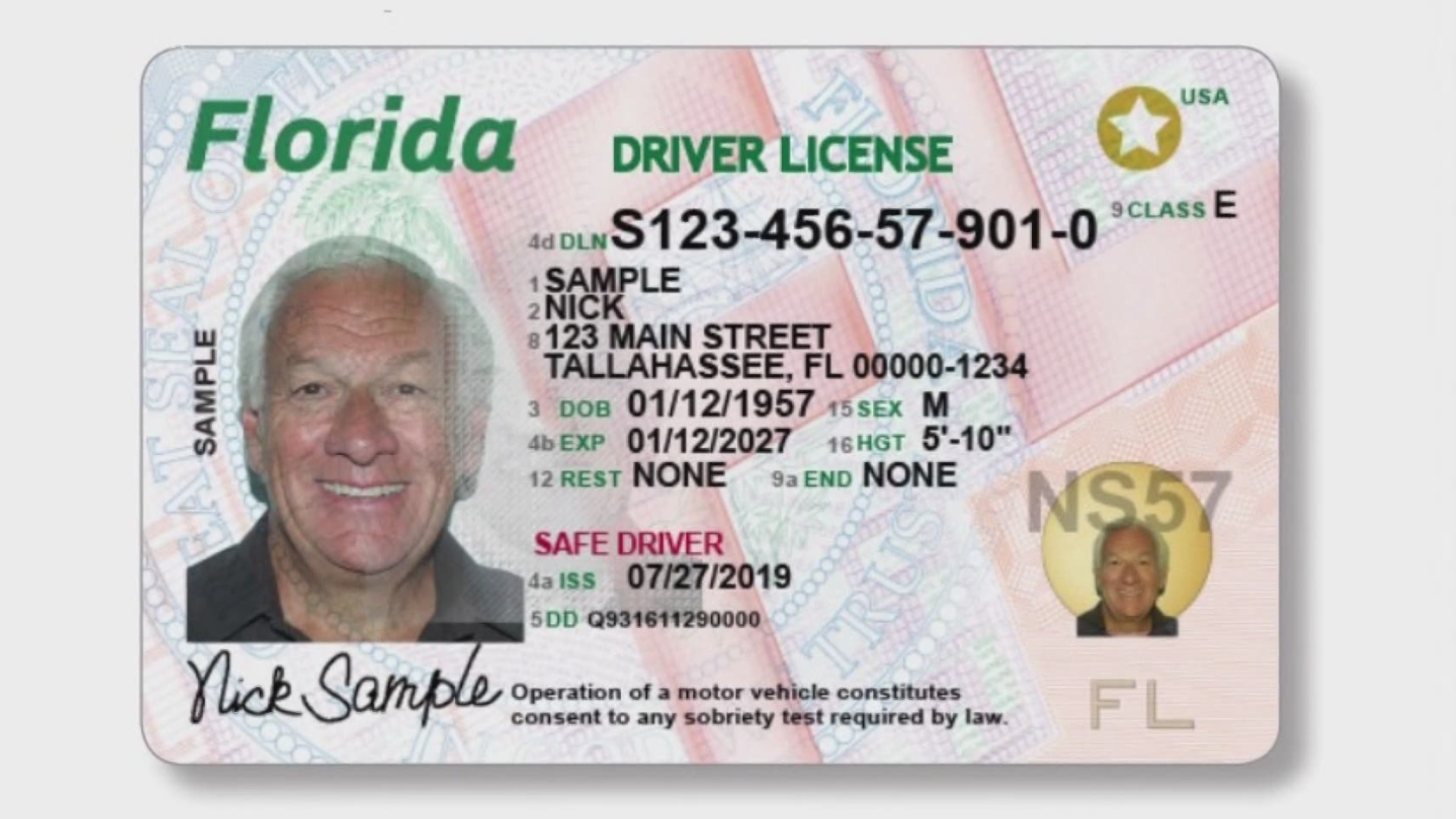
Since May 7, 2025, a REAL ID-compliant driver’s license or state ID will be required for domestic air travel and for accessing certain federal facilities. All new Florida driver’s licenses issued are REAL ID-compliant, indicated by a gold star in the upper right corner. By diligently providing all required documentation (identity, SSN, and two proofs of address), you automatically receive a REAL ID-compliant license, ensuring your future ease of travel and access within the United States.
Maintaining Your Florida License
Once you’ve successfully obtained your Florida driver’s license, it becomes a vital part of your daily life. Proper maintenance ensures continued legality and convenience.
Renewals and Updates
Florida driver’s licenses are typically valid for eight years. You will receive a renewal notice in the mail before your expiration date. Most renewals can be completed online, provided you are a U.S. citizen, your last renewal was in person, and there are no changes to your name or address. For any changes to your address or name, you must notify the FLHSMV within 30 days. This ensures your official records are accurate and helps avoid issues with mail or other official communications.

The Importance of Safe Driving for a Florida Lifestyle
Beyond the procedural aspects, driving in Florida is an integral part of the lifestyle. The state’s vast network of highways and scenic routes makes driving a primary mode of transportation. Maintaining a clean driving record not only keeps insurance costs down but also contributes to the safety of Florida’s bustling roads. Adhere to speed limits, avoid distractions, and always drive sober. Your Florida driver’s license is more than just a piece of plastic; it’s a testament to your commitment to responsible citizenship and an enabler of the independent, vibrant lifestyle you seek in the Sunshine State.
LifeOutOfTheBox is a participant in the Amazon Services LLC Associates Program, an affiliate advertising program designed to provide a means for sites to earn advertising fees by advertising and linking to Amazon.com. Amazon, the Amazon logo, AmazonSupply, and the AmazonSupply logo are trademarks of Amazon.com, Inc. or its affiliates. As an Amazon Associate we earn affiliate commissions from qualifying purchases.