
Embarking on Your Florida Journey: Why a Driver’s License is Essential
The Sunshine State of Florida beckons with its vibrant culture, stunning beaches, world-renowned attractions, and a lifestyle that seamlessly blends relaxation with adventure. From the magical theme parks of Orlando to the Art Deco splendor of Miami Beach, the historic charm of St. Augustine, and the tropical paradise of the Florida Keys, this diverse state offers an unparalleled experience for residents and visitors alike. Whether you’re planning a long-term stay, relocating for work, seeking a permanent haven, or simply aiming to explore its vast landscapes, securing a Florida driver’s license is often one of the most crucial first steps. More than just a permit to operate a vehicle, it serves as a primary form of identification, a key to unlocking greater personal freedom, and an essential document for navigating daily life in the United States.
For new residents, establishing your identity and residency is paramount. A Florida driver’s license is frequently required for everything from opening bank accounts and registering children for school to securing local employment and accessing various government services. It streamlines interactions across a spectrum of administrative and commercial activities, signifying your official presence within the state. For those who relish travel and exploration, the convenience of a personal vehicle is indispensable in a state as geographically expansive and diverse as Florida. Public transportation, while present in major urban centers, often falls short for comprehensive statewide travel, especially when venturing to more secluded attractions or the pristine natural beauty of its parks and coastlines. With a Florida driver’s license, you gain the autonomy to traverse the scenic coastal highways, discover hidden beaches on the Gulf Coast or Atlantic Coast, embark on spontaneous road trips to Everglades National Park, or drive through charming small towns. This guide will walk you through the comprehensive process of obtaining your Florida driver’s license, ensuring you are well-prepared to embrace all the opportunities the state has to offer, from finding the perfect accommodation to embarking on unforgettable travel adventures.
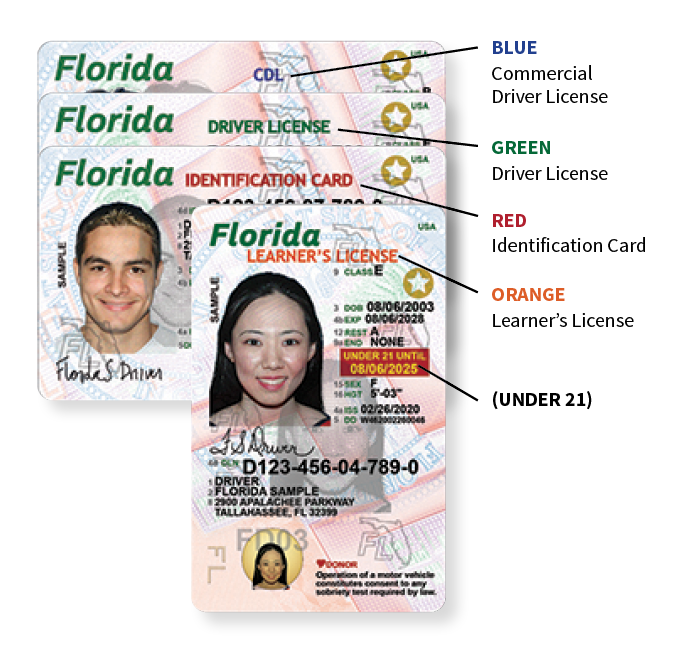
Navigating the Requirements: What You’ll Need to Secure Your License
The process of obtaining a Florida driver’s license, while straightforward, requires careful preparation and adherence to specific documentation requirements. The goal is to prove your identity, residency, and legal presence in the United States. Understanding these prerequisites before you even step foot into a service center of the Florida Department of Highway Safety and Motor Vehicles (DHSMV) will save you valuable time and prevent unnecessary multiple visits.
Establishing Your Identity and Residency: The Crucial Documents
The DHSMV operates under federal and state guidelines to ensure secure identification. You will need to bring original documents, as photocopies are generally not accepted. The core categories of documents required include:
- Proof of Identity: This is typically a certified birth certificate (from the United States or a U.S. territory), a valid U.S. passport, or a valid foreign passport with appropriate immigration documents (e.g., I-94, visa). Non-U.S. citizens will need to provide documents verifying their legal presence, such as an alien registration card, employment authorization card, or other official immigration papers.
- Proof of Social Security Number (SSN): Your original Social Security card issued by the Social Security Administration (SSA) is the preferred document. Alternatively, you can use a W-2 form, a pay stub, or a 1099 form showing your full SSN. The name on your SSN document must match the name on your identity document.
- Proof of Residential Address (Two Different Documents): This is where many applicants face challenges, so it’s essential to have two distinct documents. Examples include a utility bill (electric, water, gas, cable), a Florida voter registration card, a vehicle registration or title, a homeowner’s insurance policy, a mortgage statement, a rental agreement, or mail from a government agency. If you’ve just moved to Florida and are staying in a hotel or temporary accommodation, you might need to obtain a letter from the hotel management confirming your stay, or utilize official bank statements or mail received at your temporary address if it reflects your residency. For new residents residing with family or friends, a “Statement of Domicile” form may be required, along with proof of their residency and a letter from them verifying your address.
- Proof of Name Change (if applicable): If your current name differs from the name on your birth certificate or passport (e.g., due to marriage, divorce, or legal name change), you must provide original legal documents such as a marriage certificate, divorce decree, or court order.
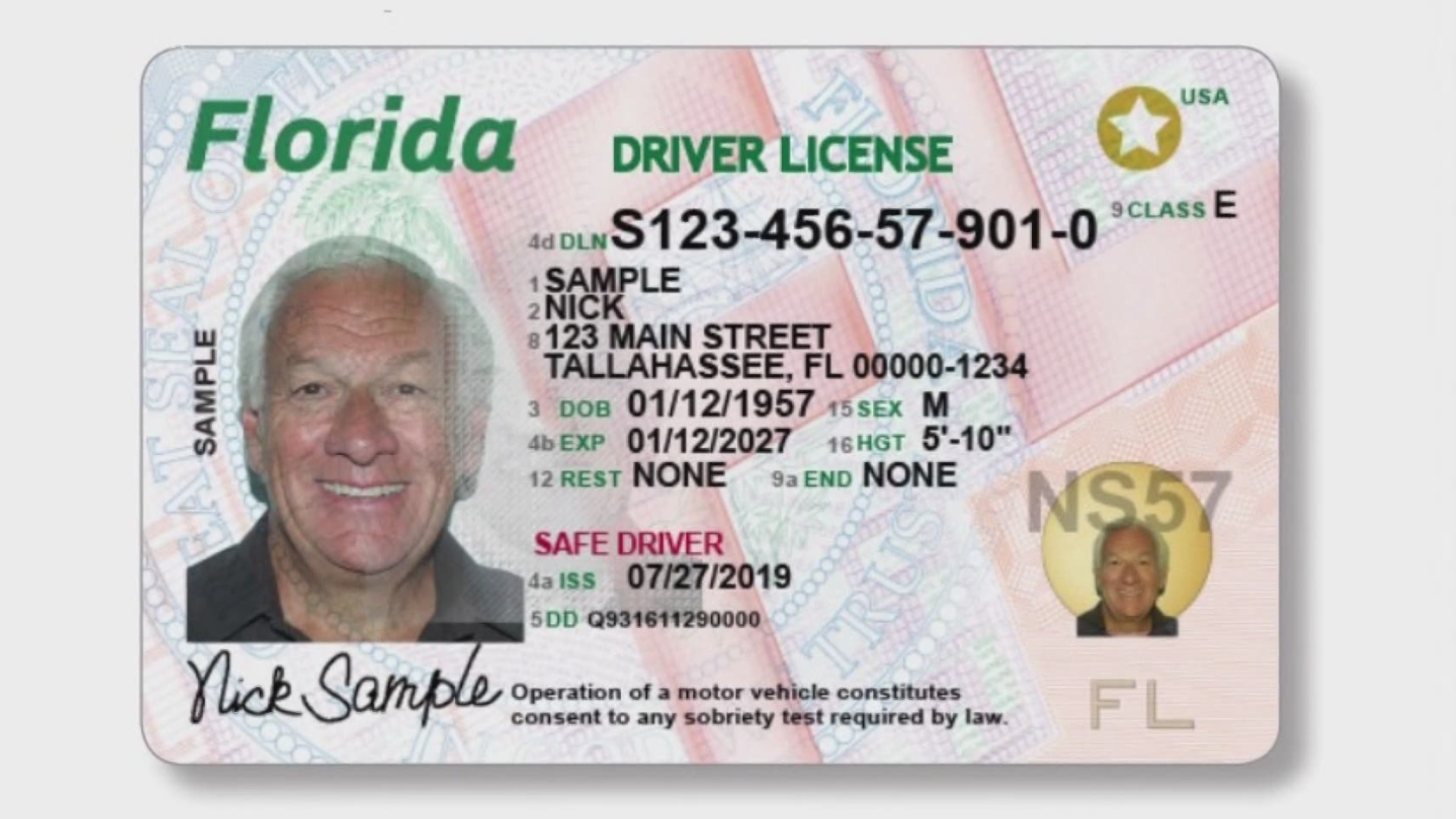
Always check the official DHSMV website (myflhsmv.com) for the most current and comprehensive list of acceptable documents, as requirements can sometimes change. It’s advisable to gather all necessary documents well in advance of your appointment to avoid any delays.
Understanding Driving Knowledge and Road Skills Tests
Beyond documentation, applicants for a first-time Florida driver’s license must pass both a written knowledge test and a practical road skills test.
- Class E Knowledge Exam: This test assesses your understanding of Florida’s traffic laws, road signs, and safe driving practices. It consists of 50 multiple-choice questions, and you must answer at least 40 correctly to pass. The best way to prepare is to thoroughly study the official Florida Driver’s Handbook, which is available online on the DHSMV website. Many organizations also offer practice tests, but the official handbook remains the definitive guide. First-time drivers must also complete a Traffic Law and Substance Abuse Education (TLSAE) course before applying for a license, which can be done online or in person through approved providers.
- Driving Skills Test: Once you’ve passed the knowledge exam and completed the TLSAE course, you’ll need to demonstrate your ability to safely operate a motor vehicle. This test evaluates your control of the vehicle, observation skills, adherence to traffic laws, and ability to perform maneuvers like turns, stops, and backing up. You must provide a vehicle that is properly registered, insured, and in safe working condition for the test. An examiner will ride with you, providing instructions and assessing your driving. Ensure you are familiar with the vehicle you bring, as any issues with it (e.g., non-working lights, expired tags) will result in a postponement of your test. For those who enjoy the lifestyle of independent travel, mastering these skills is key to confidently exploring all that Florida has to offer.
The Application Process: A Step-by-Step Guide
Once you have gathered all your required documents and feel confident in your knowledge of Florida traffic laws, you’re ready to begin the formal application process. This typically involves visiting a DHSMV service center or a local Tax Collector’s Office, which often handles driver’s license services on behalf of the state.
Your First Visit to the DMV: What to Expect
The term “DMV” is commonly used, though in Florida the official agency is the DHSMV. Here’s what you can generally expect during your visit:
- Schedule an Appointment: While some locations accept walk-ins, it is highly recommended to schedule an appointment online through the DHSMV website. This can significantly reduce your wait time, especially in popular tourist regions or densely populated cities like Miami, Orlando, or Tampa.
- Arrive Prepared: Bring all original documents (identity, SSN, two proofs of residency, and any name change documents). Ensure you have your completed TLSAE course certificate if you are a first-time driver.
- Application and Fees: You will fill out an application form at the service center. Be prepared to pay the applicable fees for the driver’s license. The fee can vary, so check the DHSMV website for current rates. Payment methods typically include cash, credit/debit cards, and checks.
- Vision Test: A basic vision screening will be administered to ensure you meet the minimum visual acuity standards for driving. If you wear corrective lenses, bring them with you.
- Class E Knowledge Exam: If you haven’t already taken this online (some providers allow this), you will take it on a computer at the service center.
- Photo and Signature: Your photograph will be taken for the license, and you will provide a digital signature.
- Driving Skills Test (if applicable): If you are ready for the driving test, you will proceed to the testing area with your vehicle. Remember, the vehicle must be registered, insured, and in good working order.
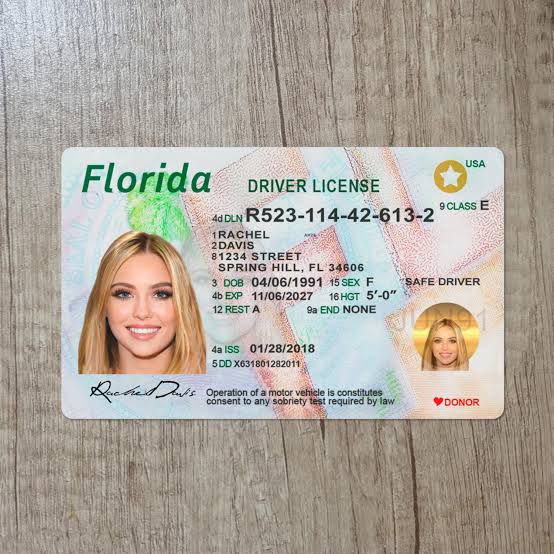
Upon successful completion of all requirements, you will typically receive a temporary driver’s license immediately. Your permanent, plastic driver’s license will then be mailed to your residential address within a few weeks. This temporary license is perfectly valid for driving and identification purposes in the interim.
Preparing for Success: Tips for Tests and Appointments
To ensure a smooth and efficient process, consider these tips:
- Study the Handbook: This cannot be stressed enough. The Florida Driver’s Handbook is your bible for the knowledge test. Review it thoroughly, focusing on road signs, traffic laws, and safe driving practices.
- Practice Driving: For the skills test, practice driving in various conditions and familiarizing yourself with the common maneuvers. If possible, practice in the area around the DMV where you’ll be taking the test, as some locations have specific routes. Consider taking a few refresher lessons if you haven’t driven in a while or are new to driving in the United States.
- Check Vehicle Condition: Before your road test, ensure your vehicle’s headlights, taillights, brake lights, turn signals, horn, wipers, and tires are all in proper working order. Make sure your registration and insurance are current.
- Time Your Visit: Mid-week, mid-morning appointments often see shorter wait times than early mornings, lunch hours, or Fridays.
- Stay Calm: While the process can feel daunting, approaching it calmly and with all your documentation in order will make it much easier. The staff are there to guide you.
- Plan Your Stay: If you are new to Florida, consider booking a comfortable hotel, suite, or apartment in a city like Tampa or Orlando for a few days around your appointment. This allows you time to settle in, address any unexpected issues, and prepare without added travel stress, contributing to a better overall lifestyle transition. Many resorts and villas offer amenities that can help make your relocation feel more like an extended vacation.
Special Scenarios and Further Considerations
The journey to obtaining a Florida driver’s license can vary slightly depending on your specific circumstances. Understanding these nuances is key to a smooth process.
New Residents: Transitioning Your Out-of-State License
If you are moving to Florida from another U.S. state, you are generally required to obtain a Florida driver’s license within 30 days of becoming a resident. The good news is that if you hold a valid, unexpired driver’s license from another U.S. state, you typically won’t need to take the knowledge or driving skills tests. However, you will still need to:
- Provide proof of identity, SSN, and two proofs of Florida residential address.
- Pass a vision test.
- Surrender your out-of-state driver’s license.
- Pay the applicable fees.
This streamlined process makes the transition easier for individuals and families relocating to the Sunshine State, allowing them to quickly get on the road and enjoy their new lifestyle.
International Visitors and Temporary Driving Privileges
For international visitors, the rules depend on the length and purpose of your stay:
- Short-Term Tourists (up to 1 year): If you are visiting Florida as a tourist for less than one year, you can generally drive in Florida with a valid driver’s license from your home country. It is highly recommended to also carry an International Driving Permit (IDP), which is a translation of your license, though not strictly required if your home country’s license is in English. The IDP provides an extra layer of clarity for law enforcement. Remember, you will still need to carry your valid foreign license with you.
- Long-Term Visitors / Non-Immigrants: If you are residing in Florida for more than one year, or if you are on a non-immigrant visa (e.g., for work, study), you are generally required to obtain a Florida driver’s license. The process is similar to that for U.S. citizens, but you will need to present your valid foreign passport, visa, and I-94 (Arrival/Departure Record) as proof of identity and legal presence. The validity of your Florida license will often be tied to the expiration date of your immigration documents. This is crucial for those establishing a temporary home, perhaps in a long-term apartment or villa, as it integrates them into the local system and provides official U.S. identification.
Always check the latest regulations on the DHSMV website or consult with your country’s consulate in the United States for specific advice regarding international driving.
Renewals and Maintaining Your Florida Driver’s License
Florida driver’s licenses are typically valid for eight years for most residents. You will receive a renewal notice by mail, usually a few weeks before your license expires. Many renewals can be done online, especially if you haven’t had any changes to your personal information and don’t require an updated photo. However, some renewals may require an in-person visit to a DHSMV service center, particularly if a new photo is needed or if your vision test needs to be updated. It is critical to renew your license before it expires to avoid any lapse in driving privileges or potential penalties. Keeping your license current is part of responsible vehicle operation and ensures uninterrupted access to the many destinations Florida offers.
Unlocking Florida’s Wonders: Driving with Your New License
With your shiny new Florida driver’s license in hand, a world of exploration opens up before you. The state’s diverse geography, vibrant cities, and abundant natural beauty are best experienced with the freedom and flexibility that personal travel by car provides. This license is not just a legal document; it’s your ticket to an enriched Florida lifestyle.
Exploring Destinations, Landmarks, and Unique Experiences
Imagine cruising down U.S. 1 through the Florida Keys, stopping at quaint seaside towns, diving into crystal-clear waters, and soaking up the bohemian atmosphere of Key West. Or perhaps you’ll embark on a journey to the Panhandle, discovering the pristine white sands of Clearwater Beach or Siesta Key Beach, consistently ranked among the best in the United States.
Your license empowers you to visit world-famous landmarks and attractions at your own pace. Drive to Orlando for an unforgettable experience at Walt Disney World Resort or Universal Orlando Resort. Head east to witness the marvels of space exploration at the Kennedy Space Center Visitor Complex. Venture south to Miami to immerse yourself in its Latin-infused culture, vibrant South Beach nightlife, and stunning architecture. Or, for a taste of history, drive north to St. Augustine, the oldest continuously inhabited European-established settlement in the United States.
Beyond the major draws, Florida is dotted with charming small towns, incredible state parks, and unique natural preserves. Your vehicle allows you to escape the crowds, discover local food scenes, participate in activities like kayaking through mangroves, or hike along hidden trails. This level of access transforms a simple trip into an immersive tourism experience, connecting you deeply with the local culture.
Lifestyle and Accommodation: Making the Most of Your Florida Stay
The freedom to drive significantly influences your chosen lifestyle in Florida. It allows for greater flexibility in choosing where to live, where to work, and how to spend your leisure time. Whether you opt for a luxurious beachfront condo in Naples, a family-friendly home in the suburbs of Jacksonville, or a vibrant urban apartment in Fort Lauderdale, your license ensures you can commute, run errands, and enjoy weekend excursions effortlessly.
For extended stays, exploring various accommodation options becomes simpler. You can drive to compare hotels, check out potential long-term villas or apartments, and visit different neighborhoods before making a decision. When planning trips within the state, your license facilitates easy booking and access to a wide range of resorts, boutique hotels, or vacation rentals. From luxury travel experiences in Palm Beach to budget travel adventures exploring the untouched wilderness, the ability to drive independently is invaluable. It’s about more than just getting from point A to point B; it’s about the journey, the discoveries along the way, and the unparalleled sense of independence that comes with navigating Florida’s roads on your own terms.
In conclusion, obtaining your Florida driver’s license is a fundamental step towards embracing everything this dynamic state has to offer. By meticulously preparing your documents, understanding the testing requirements, and approaching the application process systematically, you’ll soon be on your way to enjoying the boundless opportunities for travel, tourism, and an enhanced lifestyle that come with the freedom of the open road in Florida.
LifeOutOfTheBox is a participant in the Amazon Services LLC Associates Program, an affiliate advertising program designed to provide a means for sites to earn advertising fees by advertising and linking to Amazon.com. Amazon, the Amazon logo, AmazonSupply, and the AmazonSupply logo are trademarks of Amazon.com, Inc. or its affiliates. As an Amazon Associate we earn affiliate commissions from qualifying purchases.