
Florida, the Sunshine State, is renowned globally for its stunning beaches, vibrant cities, and unparalleled leisure opportunities. From the theme park capital of Orlando to the bustling metropolis of Miami, and the tranquil shores of the Florida Keys, it’s a destination that captures the imagination of millions. Whether you’re a long-term traveler, a seasonal snowbird, a new resident establishing roots, or simply seeking a reliable form of identification, understanding how to obtain a Florida ID card is a crucial step toward fully embracing the state’s unique lifestyle and navigating its diverse offerings.
While many might associate state-issued identification solely with driving privileges, a Florida ID card serves a far broader purpose. It’s an essential document for non-drivers, a vital tool for new residents to integrate seamlessly into their communities, and a convenient form of identification for anyone aged 12 and above. This comprehensive guide will walk you through the process, detailing eligibility, required documentation, the application steps, and highlighting how a Florida ID enhances everything from managing your accommodation to exploring the state’s iconic landmarks and enjoying its rich cultural tapestry.
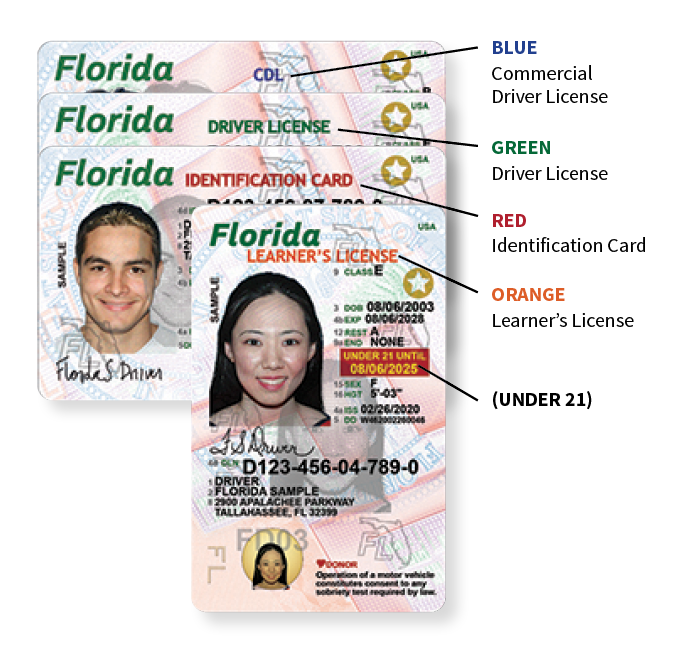
Why Obtain a Florida ID Card? A Gateway to the Sunshine State Lifestyle
Beyond its primary function as proof of identity and age, a Florida ID card opens doors to a multitude of conveniences and experiences that are central to the Florida lifestyle. For both temporary visitors planning extended stays and individuals making Florida their permanent home, this card can significantly streamline daily life and enhance recreational pursuits.
Beyond Driving: The Versatility of a State ID
For many, the first thought of state identification points to a driver’s license. However, a Florida ID card is specifically designed for individuals who do not drive or prefer to use a non-driver’s form of official identification. This makes it invaluable for a wide demographic, including young adults, seniors, international visitors on long-term visas, and anyone who simply doesn’t require or possess a driver’s license.
Its versatility extends to numerous everyday situations:
- Age Verification: Effortlessly verify your age when purchasing age-restricted items such as alcohol or tobacco, or when entering venues like bars, clubs, or certain attractions.
- Financial Transactions: Open bank accounts, cash checks, or conduct other financial business with ease. Many financial institutions in Florida’s major cities like Tampa or Jacksonville will require a state-issued ID for new account setup.
- Travel and Security: While not a substitute for a passport for international travel, it serves as a valid form of identification for domestic flights and navigating security protocols within the United States. It’s recognized by federal agencies like the Transportation Security Administration (TSA).
- Voting and Civic Engagement: Register to vote and exercise your democratic rights, ensuring your voice is heard in local and state elections.
- General Identification: Simply proving who you are in various scenarios, from picking up mail to verifying your identity for healthcare appointments or signing important documents.
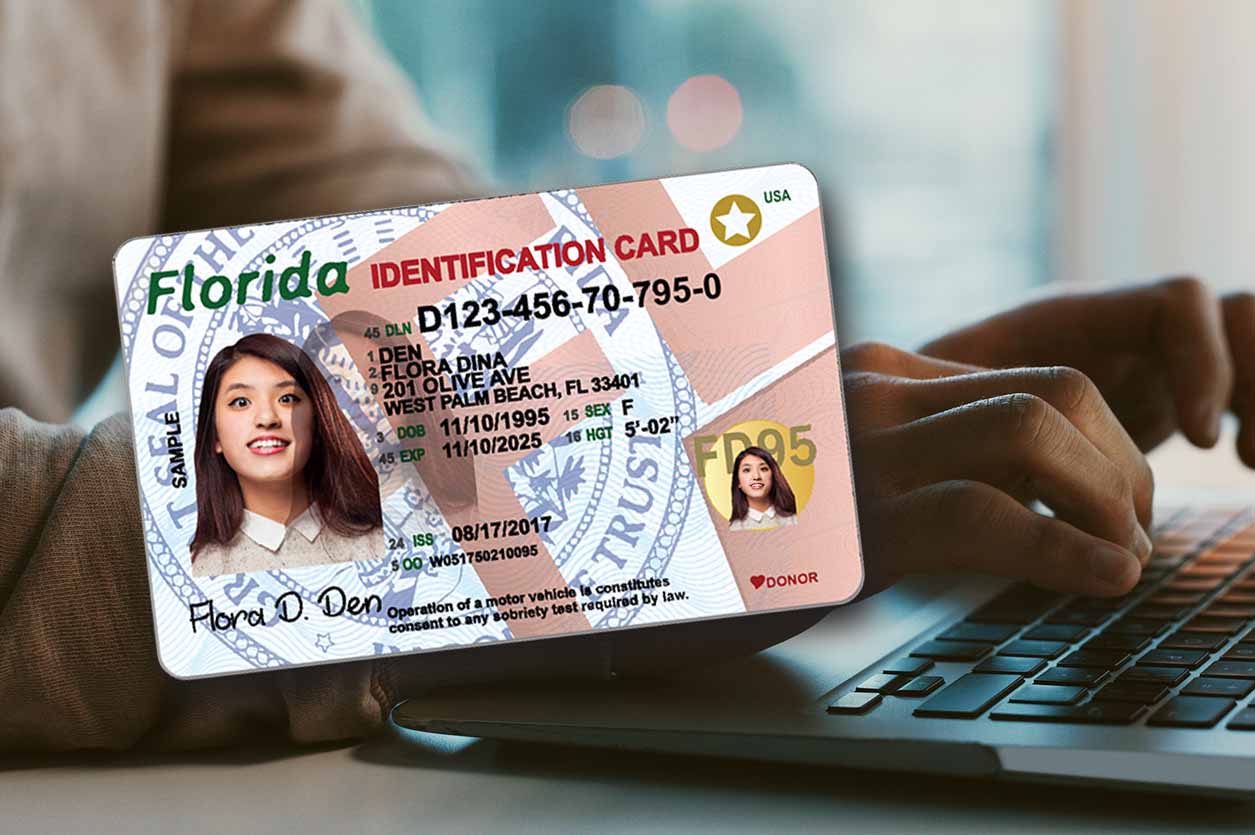
Having a state ID that clearly identifies you as a resident or long-term visitor to Florida can simplify countless interactions, making your experience smoother and more secure, whether you’re enjoying a luxury stay at a South Beach resort or exploring the natural beauty of the Everglades National Park.
A Gateway to Florida Living and Tourism
For individuals truly immersing themselves in the Florida experience, an ID card is more than just a piece of plastic; it’s a key to unlocking deeper engagement with the state’s vibrant tourism, accommodation, and lifestyle offerings.
- Accommodation and Residency: For those planning extended stays in Florida, perhaps renting an apartment in Fort Lauderdale or a long-term villa near Disney World, a Florida ID serves as excellent proof of local residency. Landlords and property managers often prefer or require state-issued identification for lease agreements, utility hook-ups, and other essential services. This is especially relevant for “snowbirds” who maintain residences in Florida for several months a year.
- Local Benefits and Discounts: Many local attractions, museums, and historical sites, from the Kennedy Space Center Visitor Complex to various state parks, offer resident discounts. Your Florida ID can be your ticket to enjoying these savings, enhancing your exploration of Florida’s rich landmarks and natural beauty without breaking your budget. This can significantly reduce costs for families enjoying a trip to Busch Gardens Tampa Bay or couples exploring the art scene in St. Petersburg.
- Employment and Education: For new residents seeking employment or enrolling in educational institutions, a Florida ID is a straightforward way to confirm identity and residency, simplifying onboarding processes and bureaucratic requirements.
- Emergency Services and Healthcare: In unforeseen circumstances, having a readily available, government-issued Florida ID can expedite emergency services or healthcare access by quickly confirming your identity.
Embracing the Florida lifestyle, whether through high-end luxury travel experiences or budget-friendly family adventures, is made easier and more secure with a Florida ID card. It signifies your connection to the state, simplifying administrative tasks and freeing you up to focus on enjoying the sun, sand, and attractions.
Eligibility and Required Documents for Your Florida ID Card
Before you embark on the journey to secure your Florida ID card, it’s crucial to understand the eligibility requirements and meticulously gather all necessary documentation. The process is designed to ensure accuracy and prevent identity fraud, making it essential to present the correct paperwork.
Establishing Your Identity and Residency
The Florida Department of Highway Safety and Motor Vehicles (DHSMV) mandates specific documents to prove your identity, your legal presence in the U.S., and your residency in Florida. Accuracy and completeness are key to a smooth application process.
You will typically need to provide the following:
-
Proof of Primary Identification: This establishes who you are.
- U.S. Citizens: An original or certified copy of your birth certificate (issued by a government agency, not a hospital certificate) or a valid U.S. passport.
- Non-U.S. Citizens: A valid immigration document, such as a Permanent Resident Card, Employment Authorization Card, or an I-94 form accompanied by a valid foreign passport. The specific documents required will depend on your immigration status. For instance, individuals on extended tourist visas or work permits residing in areas like Orlando for extended periods will need to present their relevant visa and passport.
-
Proof of Social Security Number (SSN): This verifies your social security details.
- Your original Social Security card.
- A W-2 form, a pay stub, or a 1099 form showing your full name and SSN.
- Note: If you are a non-U.S. citizen and have been issued a visa that does not require you to obtain an SSN, you may need to present a letter from the Social Security Administration (SSA) indicating your ineligibility.
-
Proof of Residential Address (Two Documents Required): This establishes your physical presence in Florida. These documents must show the applicant’s name and the Florida residential address. Examples include:
- A utility bill (water, electric, gas, internet, cable) from the last two months.
- A lease agreement or mortgage statement. This is especially important for new residents settling into vacation homes or apartments in popular spots like Sarasota or Naples.
- A deed or title to Florida property.
- A bank statement, credit card statement, or an insurance policy (homeowner’s, renter’s, auto) from the last two months.
- Mail from a government agency (federal, state, county, city).
- For students living in dorms or off-campus housing, an official letter from the school stating residency may be accepted.

It’s paramount that all documents presented are original or certified copies. Photocopies are generally not accepted. Any name discrepancies across documents (e.g., due to marriage or divorce) must be resolved with official documentation like a marriage certificate or divorce decree. Taking the time to gather these documents thoroughly will save you considerable time and potential frustration during your application visit.
Proving Your Social Security Number
The requirement for proof of a Social Security Number (SSN) is a critical part of obtaining your Florida ID card. This helps the state verify your identity and integrate your information within their system.
While the primary document for proof of SSN is your physical Social Security card, the DHSMV understands that this card may not always be readily available or easily accessible for everyone. Therefore, several alternative documents are accepted, provided they clearly display your full name and your complete SSN. These include:
- W-2 Form: An annual wage and tax statement provided by employers.
- 1099 Form: Used for reporting various types of income other than wages, salaries, and tips.
- Pay Stub: A recent pay stub that clearly shows your SSN.
- Medicare Card: A valid Medicare card can also serve as proof of SSN.
For Non-U.S. Citizens Without an SSN:
If you are a non-U.S. citizen legally present in the United States and have been issued a visa that does not permit you to obtain an SSN (e.g., certain visitor visas for extended stays, or some student visas), you are still eligible for a Florida ID card. In such cases, you will need to provide a letter from the Social Security Administration (SSA) verifying your ineligibility to obtain an SSN. This process ensures that individuals visiting or residing in Florida under specific immigration statuses can still obtain official state identification. It’s advisable to obtain this letter from the SSA well in advance of your DHSMV appointment.
Ensuring you have the correct documentation for your SSN is a critical step in avoiding delays. Double-check all documents for accuracy and ensure they are original or certified copies.
The Application Process: Step-by-Step for Your Florida ID
Once you have meticulously gathered all the necessary documents, the actual application process for your Florida ID card is relatively straightforward. Knowing what to expect can help ease any anxiety and ensure a swift and efficient visit.
Finding Your Local DMV or Tax Collector’s Office
The application for a Florida ID card is handled by the Florida Department of Highway Safety and Motor Vehicles (DHSMV) or, in most counties, through authorized county tax collector’s offices. These offices are conveniently located throughout the state, from populous urban centers like Miami-Dade and Orange County to smaller towns.
- Locate an Office: The easiest way to find the nearest service center is to visit the official Florida DHSMV website. There, you can input your zip code or county to locate the most convenient office, along with their operating hours and contact information. For instance, if you are moving to Tallahassee for work or education, you’ll find several options nearby.
- Schedule an Appointment: To minimize wait times, it is highly recommended to schedule an appointment online in advance. Many offices, especially in busy tourist hubs like Orlando and Fort Lauderdale, prioritize customers with appointments. This simple step can turn a potentially long wait into a quick and efficient visit, allowing you more time to enjoy Florida’s attractions or settle into your new accommodation.
What to Expect During Your Visit
Your visit to the DHSMV or tax collector’s office will typically involve several key steps:
- Check-in and Document Review: Upon arrival, you’ll check in (either for your appointment or as a walk-in). A staff member will review your collected documents to ensure you have everything required. This is why thorough preparation is vital.
- Application Form: You will be asked to complete a simple application form, which gathers basic personal information.
- Vision Test (Optional for ID Cards): While a vision test is mandatory for driver’s licenses, it is generally not required for a non-driver Florida ID card. However, be prepared for one just in case, or if there are any specific circumstances that might warrant it.
- Fingerprinting: As part of the identification process, you will have your fingerprints digitally scanned. This is a standard security measure.
- Photo: A digital photograph will be taken for your ID card. It’s advisable to dress neatly and ensure your appearance is presentable, as this photo will represent you for the next 8 years.
- Fee Payment: There is a fee for issuing a Florida ID card. The exact amount can vary slightly, so it’s wise to check the current fee on the DHSMV website beforehand. Payments are typically accepted via cash, check, or major credit/debit cards.
- Temporary ID and Mailing: Once all steps are completed and approved, you will usually receive a temporary paper ID. Your official, permanent Florida ID card will then be mailed to your residential address within a few weeks. Ensure the mailing address provided is accurate and secure, especially if you’re residing in a long-term rental or a temporary accommodation option.
The entire process, from check-in to receiving your temporary ID, can often be completed within an hour, especially with a pre-booked appointment and all documents in hand. This efficiency allows you to quickly move forward with integrating into your Florida life, whether that means exploring the famous beaches of Clearwater or enjoying the vibrant nightlife in South Beach.
Special Considerations for New Residents and Visitors
Florida attracts a diverse population, from those seeking a permanent change of scenery to seasonal residents and long-term visitors who come to enjoy the state’s mild winters and abundant attractions. For these groups, obtaining a Florida ID card carries specific benefits and considerations.
Moving to Florida: Seamless Transition
For individuals and families relocating to Florida, the Florida ID card is more than just identification; it’s a foundational step in establishing your new life. Whether you’re moving to the bustling tech hub of Orlando, the cultural richness of Sarasota, or the tranquil communities along the Gulf Coast, having a state ID streamlines numerous essential tasks:
- Opening Bank Accounts: Many local banks in cities like Jacksonville or St. Petersburg will require a Florida ID to open new checking or savings accounts, which is crucial for managing finances in your new home.
- Securing Accommodation: If you haven’t already secured permanent accommodation, a Florida ID can simplify the process of renting an apartment, home, or even booking a long-term stay at a hotel or extended-stay suite. It serves as strong proof of your intent to reside in the state, often a prerequisite for landlords and property management companies.
- Utility Services: Establishing utilities like electricity, water, internet, and cable at your new residence often requires official identification and proof of address. Your Florida ID will fulfill these requirements, ensuring a smooth transition into your new home environment.
- Vehicle Registration and Insurance: While the ID card itself doesn’t grant driving privileges, it’s a primary document for identity verification when you register an out-of-state vehicle in Florida or obtain Florida auto insurance.
- Healthcare Access: Enrolling in local healthcare providers or insurance plans will be more straightforward with a recognized state ID.
By obtaining your Florida ID card early in your relocation process, you can avoid potential hurdles and accelerate your integration into the vibrant Florida lifestyle, from exploring local attractions to settling into your community.
Long-Term Stays and Non-Driver IDs
Florida is a magnet for individuals seeking extended getaways, often referred to as “snowbirds,” students attending its numerous universities, or those on long-term work assignments. For these individuals, who might not intend to obtain a Florida driver’s license, a non-driver Florida ID card offers significant advantages.
- Convenience for Seasonal Residents: Many seasonal residents maintain primary residences in other states but spend several months a year enjoying Florida’s winter climate, particularly in areas like Naples, Fort Myers, or Key West. A Florida ID provides a local form of identification, simplifying interactions, proving age, and potentially accessing resident discounts at local businesses and attractions without needing to carry an out-of-state driver’s license.
- Student Life: University students, especially those from out of state or international backgrounds, can benefit greatly from a Florida ID. It simplifies age verification for campus activities, facilitates local banking, and provides an easily recognizable ID for general use, making their student life in cities like Gainesville or Tallahassee more convenient.
- International Visitors on Extended Visas: For tourists on extended visas, individuals on work permits, or those awaiting immigration status adjustments, a Florida ID provides a durable and universally accepted form of identification within the state. This can be particularly useful for renting vehicles, checking into hotels (beyond the initial booking with a passport), and generally navigating daily life more smoothly than constantly presenting a foreign passport.
- Safety and Security: Carrying a passport or a primary driver’s license from another state can be risky, especially when enjoying busy tourist areas like Universal Orlando Resort or Walt Disney World Resort. A Florida ID offers a secure, portable, and less critical alternative for everyday identification, keeping your primary documents safely stored.
Regardless of your reason for a long-term stay, a Florida ID card is a practical investment that enhances convenience, security, and your ability to fully engage with the unique culture and attractions of the Sunshine State.
Maintaining Your Florida ID and Future Steps
Once you’ve successfully obtained your Florida ID card, it becomes an integral part of your life in the Sunshine State. Understanding how to maintain it and appreciating its long-term benefits ensures you continue to enjoy the seamless experiences it provides.
Renewals and Updates
Florida ID cards are typically valid for a period of eight years. It’s crucial to be aware of your expiration date to ensure continuous validity.
- Renewal Process: The DHSMV will usually send a renewal notice by mail as your expiration date approaches. Renewals can often be completed online, especially if your information (name, address) remains unchanged. If there are changes, or if you prefer an in-person visit, you can renew at a DHSMV or tax collector’s office. Be prepared to provide updated proof of address if you’ve moved.
- Address Changes: If you relocate within Florida, it’s important to update the address on your ID card promptly. This can often be done online or by visiting an office. An accurate address on your ID is crucial for receiving official mail and for verifying your residency in various situations, from booking local accommodation to receiving packages.
- Name Changes: Should your name change due to marriage, divorce, or other legal reasons, you must apply for an updated ID card in person, bringing all supporting legal documentation (e.g., marriage certificate, court order).
Keeping your Florida ID current ensures it remains a valid and reliable form of identification, preventing any inconvenience when performing daily tasks or engaging in travel and tourism activities across the state.
The Benefits Extend Beyond Identification
The utility of your Florida ID card extends far beyond its initial purpose. It serves as a consistent thread through your Florida journey, supporting your lifestyle choices whether they involve luxury travel, budget exploration, family trips, or business stays.
- Uninterrupted Access: From securing hotel reservations in Orlando for a Walt Disney World Resort vacation to renting equipment for water sports in Key Largo, your valid Florida ID ensures uninterrupted access to services and activities.
- Embracing Local Culture: Attending local festivals in St. Augustine, exploring art galleries in Miami’s Wynwood Walls, or participating in community events in Tampa are all made easier when you have readily accepted proof of identity. Your Florida ID reinforces your connection to the local community and can sometimes even unlock exclusive resident offers.
- Security and Peace of Mind: Knowing you have a government-issued ID that is widely recognized and accepted throughout Florida provides a sense of security and peace of mind. It simplifies interactions with law enforcement, verifies your identity in medical emergencies, and generally makes navigating everyday life smoother.
- Long-Term Lifestyle Support: For retirees enjoying their golden years in sunny Florida, or families building a new life, the ID card is a constant, reliable document that supports all aspects of their chosen lifestyle, from administrative necessities to leisurely pursuits.
In conclusion, obtaining a Florida ID card is a simple yet impactful step for anyone planning an extended stay, making a move, or simply seeking a reliable form of non-driver identification in the Sunshine State. By carefully following the guidelines for documentation and the application process, you can quickly secure this valuable card and unlock a more convenient, secure, and enjoyable Florida experience, from its world-class resorts and vibrant attractions to its serene natural landscapes. It’s a small card that delivers big benefits for truly living out of the box in Florida.
LifeOutOfTheBox is a participant in the Amazon Services LLC Associates Program, an affiliate advertising program designed to provide a means for sites to earn advertising fees by advertising and linking to Amazon.com. Amazon, the Amazon logo, AmazonSupply, and the AmazonSupply logo are trademarks of Amazon.com, Inc. or its affiliates. As an Amazon Associate we earn affiliate commissions from qualifying purchases.