
Whether you’re planning an extended stay, making a permanent move, or simply seeking an official form of identification to enhance your experiences in the Sunshine State, obtaining a Florida ID Card is a straightforward process with significant benefits. For newcomers, visitors, and long-term residents alike, this card serves as a crucial piece of documentation that simplifies daily life and opens doors to various opportunities across the state. From checking into a hotel to navigating local attractions, a Florida identification card is far more than just a piece of plastic; it’s a key to unlocking the full potential of your Florida lifestyle.
This comprehensive guide will walk you through everything you need to know about acquiring your official Florida identification, ensuring you are well-prepared for a smooth application process. We’ll delve into the necessary documents, outline the steps involved, discuss special considerations, and highlight why this identification is an invaluable asset for anyone engaging with the vibrant culture, diverse tourism scene, and unique opportunities that Florida has to offer.
The Indispensable Florida ID: More Than Just Identification
An official Florida ID card holds immense value, extending far beyond merely verifying your age or identity. It’s an essential tool that facilitates countless transactions and experiences, making your life in Florida much more convenient, secure, and integrated. For those who frequently travel within the state or are establishing a new home, understanding its multifaceted benefits is key.
Seamless Travel and Accommodation
One of the most immediate and tangible benefits of possessing a Florida ID is the ease it brings to travel and accommodation. When you arrive at a resort in Miami, check into a boutique hotel in Key West, or rent a car for a road trip along the Gulf Coast, a state-issued identification card is the primary document required for verification. While an out-of-state ID or passport might suffice, a local Florida ID can often streamline the process, as establishments are intimately familiar with its format and security features.
Imagine planning a spontaneous getaway to Orlando to visit Walt Disney World Resort or Universal Studios Florida. Having a Florida ID makes checking into your booked suite or villa hassle-free. It’s also invaluable when securing local transportation, such as renting a scooter to explore South Beach or a boat for a fishing excursion. For those who are new to Florida, it signifies a step towards becoming a recognized part of the community, which can subtly improve interactions in service-oriented sectors.
Embracing the Florida Lifestyle
Beyond travel, a Florida ID card is integral to embracing and enjoying the distinct Florida lifestyle. It simplifies countless daily transactions and interactions, providing benefits that range from the practical to the recreational.
For instance, many local businesses, attractions, and cultural institutions offer resident discounts. Whether you’re visiting the Kennedy Space Center Visitor Complex on the Space Coast, exploring the historic sites in St. Augustine, or enjoying a day at a state park, presenting a Florida ID can often grant you reduced admission fees or special offers. This translates into tangible savings, especially for families or individuals exploring Florida’s vast array of landmarks and natural wonders, such as Everglades National Park.
Furthermore, conducting essential banking services, setting up utility accounts, or registering for local library cards become significantly easier with a Florida ID. It establishes your Florida residency, which is a prerequisite for many local services and advantages. It’s also the universally accepted document for age verification, whether you’re purchasing alcohol, entering a club, or accessing age-restricted services, ensuring smooth transactions without scrutiny.
Beyond the Basics: Civic Engagement and Emergency Preparedness
While less frequently discussed, a Florida ID also plays a role in civic engagement and personal safety. It is often required for voter registration, allowing you to participate in local and state elections and have your voice heard in your new community. In emergency situations, a clear and recognizable state ID can provide critical information to first responders, especially if you are unable to communicate. The information on your ID can help identify you and access important medical or emergency contacts. This provides an additional layer of security and peace of mind for both residents and those on extended stays.
Navigating the Requirements: Your Essential Document Checklist
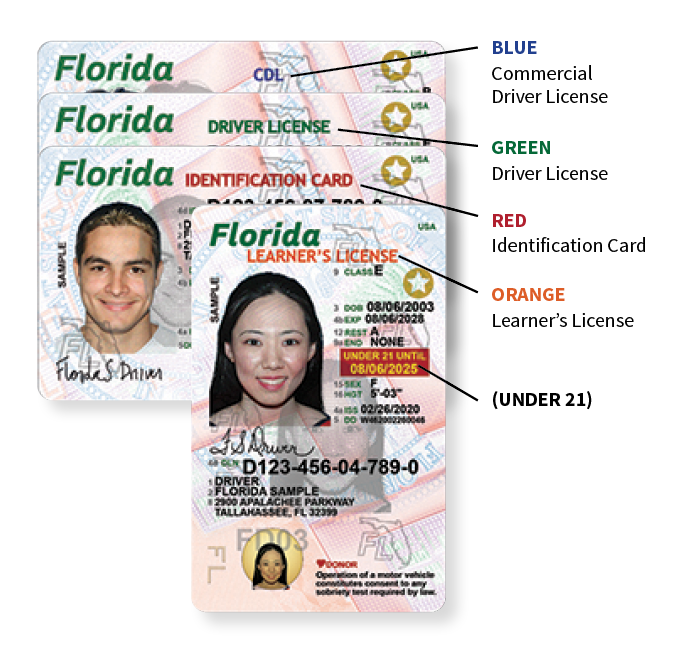
Acquiring a Florida ID card requires demonstrating proof of identity, residency, and your Social Security number. The process is designed to be thorough yet manageable, ensuring the integrity of the state’s identification system. Gathering the correct documents before your visit to the Florida Department of Highway Safety and Motor Vehicles (FLHSMV) – often referred to as the DMV – is paramount to a successful application. Florida adheres to the federal REAL ID Act, meaning specific documentation is required to ensure the ID is REAL ID compliant for federal purposes like boarding domestic flights.
Proof of Identity: The Cornerstones
You will need to present one primary document to establish your legal presence and identity. These documents must be originals or certified copies.
- Birth Certificate: An original or certified copy issued by a U.S. state or territory, or the United States government.
- U.S. Passport or Passport Card: A valid, unexpired U.S. passport or Passport Card.
- Consular Report of Birth Abroad: Issued by the U.S. Department of State.
- Certificate of Naturalization: Form N-550 or N-570.
- Certificate of Citizenship: Form N-560 or N-561.
- Immigration Documents: For non-U.S. citizens, this could include a valid alien registration Green Card (Form I-551), employment authorization document (Form I-766), or a valid foreign passport with an unexpired U.S. visa accompanied by the I-94 form. Specific requirements may vary, so checking the FLHSMV website for the most current information regarding international visitors is always recommended.
It’s crucial that the name on your identity document matches your current legal name. If your name has changed due to marriage, divorce, or other legal processes, you will need to provide original or certified copies of supporting documents like a marriage certificate or court order.
Establishing Florida Residency: Two Proofs Required
To prove that you are a resident of Florida, you must provide two different documents showing your residential address. These cannot be from the same source. Examples include:
- Utility Bill: A recent bill (e.g., electricity, water, gas, cable) in your name, dated within the last two months.
- Lease Agreement or Mortgage Statement: A current lease agreement, rental agreement, or a mortgage statement.
- Bank Statement: A recent bank statement or financial institution statement, dated within the last two months.
- Insurance Policy: An auto, homeowner’s, or renter’s insurance policy.
- Mail from Government Agencies: Documents from a government agency (federal, state, county, city) showing your name and Florida address.
- Vehicle Registration/Title: A Florida vehicle registration or title certificate.
- Medical Documents: A statement from a hospital, doctor, or clinic.
Post office boxes are not acceptable for proof of residency, as a physical address is required.
Social Security Number Verification
You must also provide proof of your Social Security number (SSN). Acceptable documents include:
- Social Security Card: Your original card issued by the Social Security Administration (SSA).
- W-2 Form: A W-2 form.
- Pay Stub: A pay stub with your SSN printed on it.
- SSA-1099 Form: A statement from the Social Security Administration.
If you have never been issued an SSN, or are not eligible for one (e.g., certain non-immigrants), you may need to present a letter from the SSA verifying your ineligibility or other appropriate documents from USCIS.
Other Supporting Documents
Depending on your specific situation, you might need additional documents:
- Name Change Documents: If your current name differs from your birth certificate or identity document, you’ll need certified marriage certificates, divorce decrees, or court orders to show the legal name change.
- Medical Certification: If applying for a handicapped parking permit in conjunction with your ID, a physician’s certification is required.
It’s always a good practice to visit the official FLHSMV website (flhsmv.gov) before your appointment to verify the most up-to-date requirements, as they can occasionally change.
The Application Journey: Step-by-Step to Your Florida ID Card
Once you have meticulously gathered all your necessary documents, the application process itself is structured to be efficient. Knowing what to expect can significantly reduce stress and wait times.
Preparing for Your Visit: Online Resources and Appointments
Before heading to an FLHSMV or tax collector’s office, it’s highly recommended to utilize the online resources available. The FLHSMV website allows you to:
- Pre-fill application forms: This can save considerable time during your visit.
- Check wait times: Some offices provide real-time wait time information.
- Schedule an appointment: Many offices, especially in busier metropolitan areas like Tampa, Jacksonville, or Fort Lauderdale, allow you to book an appointment online. This is a crucial step to avoid long queues, especially if you’re visiting during peak hours or tourist seasons. Selecting an office in a less populated area or during off-peak times (mid-week, mid-morning/afternoon) can also contribute to a faster experience.
At the DMV Office: What to Expect
Upon arrival at your chosen FLHSMV or county tax collector’s office (e.g., a service center in Orange County or a specific branch in Miami-Dade County), the process typically involves several stages:
- Check-in: If you have an appointment, you’ll check in. If not, you’ll likely take a number and wait for your turn.
- Document Review: A clerk will review all your submitted documents to ensure they meet the requirements. This is where meticulous preparation pays off. Any missing or incorrect documents will necessitate a return visit.
- Application Processing: Your information will be entered into the system. You might be asked to confirm details.
- Photo: A photograph will be taken for your ID card. Ensure you are presentable and adhere to any guidelines (e.g., no hats, certain types of eyewear).
- Signature and Fingerprint: You will provide an electronic signature and, typically, a thumbprint for security purposes.
- Payment: You will pay the required fee. The cost for a Florida ID card is generally around $25, but it’s always wise to confirm the exact amount on the FLHSMV website. They usually accept cash, checks, and major credit/debit cards.
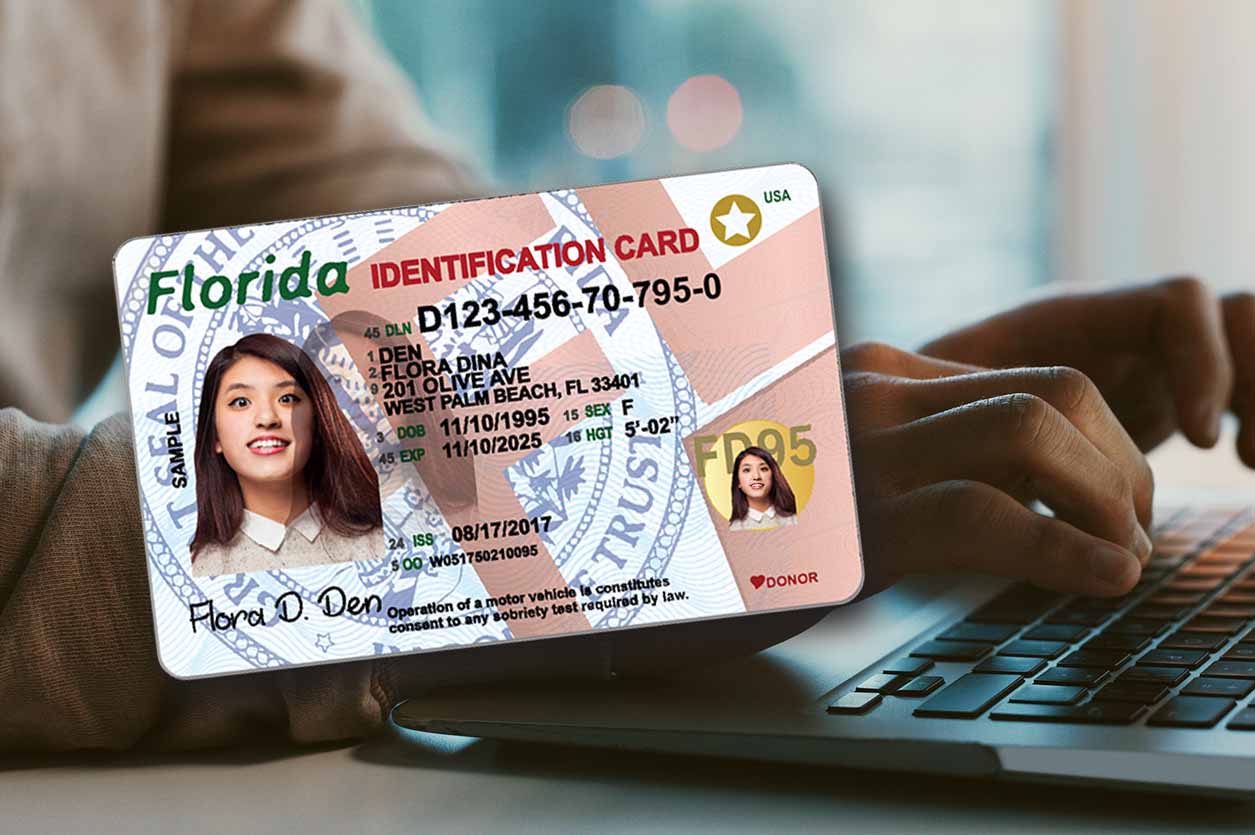
Once these steps are completed, you will usually receive a temporary paper ID card. Your official, permanent plastic Florida ID card will then be mailed to your residential address within a few weeks. Keep your temporary ID and receipt safe, as it serves as your legal identification until the permanent card arrives.
Special Circumstances and Considerations
While the general process applies to most applicants, certain situations warrant specific attention, such as those moving from other states, international visitors, or minor applicants.
Out-of-State Transfers: Converting Your License
If you are a new resident moving to Florida from another state and possess a valid out-of-state driver’s license, you have the option to convert it to a Florida driver’s license rather than just an ID card. This is often recommended if you plan to drive in the state, as Florida law requires new residents to obtain a Florida driver’s license within 30 days of establishing residency. The process for converting a driver’s license is similar to obtaining an ID card, requiring proof of identity, residency, and SSN, but also includes vision and potentially written/driving tests if your out-of-state license is expired or from a country that doesn’t have a reciprocal agreement. If you simply need a non-driving ID, the process remains the same as outlined above.
International Visitors and Non-Drivers
For international visitors residing in Florida for extended periods, or those who do not drive, obtaining a Florida ID card is an excellent alternative to carrying a passport. As mentioned, non-U.S. citizens will need to present specific immigration documents like a valid visa, I-94 form, or Green Card. The eligibility for an ID card is tied to the validity of their legal presence in the United States. It’s particularly useful for those exploring Florida’s diverse cities from Central Florida to the Panhandle, as it provides a readily accepted form of local identification.
Minor Applicants
Minor applicants (under 18) seeking a Florida ID card will typically need parental consent. A parent or legal guardian must accompany the minor to the FLHSMV office and present their own valid identification. They will also need to sign an affidavit of consent. The minor must still provide the necessary proofs of identity, residency, and Social Security number. This ensures that young individuals, often traveling with family, have a secure form of identification separate from their parents’ documents.
Maintaining Your Florida Identification
Once you have your Florida ID card, it’s important to understand how to maintain it, including renewal procedures, replacing a lost or stolen card, and updating your information.
Renewal Procedures
Florida ID cards are typically valid for eight years. You will receive a renewal notice in the mail or via email (if you opt for electronic notifications) prior to your card’s expiration date.
- Online Renewal: Many Florida ID cards are eligible for online renewal, provided there haven’t been significant changes to your personal information or photo. This is the most convenient method.
- In-Person Renewal: If you are not eligible for online renewal, or prefer to renew in person, you will need to visit an FLHSMV or tax collector’s office. You may need to bring proof of identity and residency again, especially if your personal information has changed.
- Mail Renewal: In some limited cases, renewal by mail might be an option.
It’s crucial to renew your ID before it expires to avoid any lapse in identification, which could impact travel, banking, or other daily activities.
Replacing a Lost or Stolen ID
Losing your Florida ID card can be stressful, but replacing it is a straightforward process.
- Report it: If your ID is stolen, it’s advisable to file a police report, as this can protect you from identity theft.
- Online Replacement: For many individuals, a replacement ID can be ordered online through the FLHSMV website.
- In-Person Replacement: You can also visit an FLHSMV office in person. You will need to provide proof of identity and potentially re-verify your SSN and residency. There will be a fee for replacement.
Having a digital copy or a clear photograph of your ID (front and back) stored securely can be helpful for quick reference during this process, though it cannot serve as official identification.
Updating Your Information
If you change your name or address, you are required to update your Florida ID card promptly.
- Name Change: A legal name change (e.g., due to marriage or divorce) requires an in-person visit to an FLHSMV office with certified legal documents proving the name change. A new photo may be taken.
- Address Change: An address change can often be updated online through the FLHSMV website. However, for a new physical ID card with the updated address printed on it, an in-person visit might be necessary, and a fee will apply.
Keeping your information current on your Florida ID card is essential for accurate identification and communication from state agencies.
Conclusion
Obtaining a Florida ID Card is a foundational step for anyone living in or frequently visiting the Sunshine State. From facilitating smooth check-ins at bustling resorts along the Atlantic Coast to ensuring you can enjoy resident discounts at iconic landmarks and local attractions, this identification streamlines countless aspects of your daily life and travel experiences.
By diligently gathering the required documents – proof of identity, two proofs of residency, and your Social Security number – and understanding the step-by-step application process, you can navigate the FLHSMV system with confidence. Remember to leverage online tools for appointments and form pre-fills to ensure a swift and efficient visit. Whether you’re converting an out-of-state license, applying as an international visitor, or simply seeking a non-driver ID, the benefits of having official Florida identification are undeniable. It’s an investment in convenience, security, and a fuller, more integrated experience of the vibrant and welcoming Florida lifestyle.
LifeOutOfTheBox is a participant in the Amazon Services LLC Associates Program, an affiliate advertising program designed to provide a means for sites to earn advertising fees by advertising and linking to Amazon.com. Amazon, the Amazon logo, AmazonSupply, and the AmazonSupply logo are trademarks of Amazon.com, Inc. or its affiliates. As an Amazon Associate we earn affiliate commissions from qualifying purchases.