
For individuals seeking alternative wellness solutions within the sunny confines of Florida, understanding the path to obtaining a medical marijuana card is a crucial step towards enhancing one’s lifestyle and well-being. The Sunshine State, renowned for its vibrant culture and relaxed atmosphere, has also established a robust medical cannabis program designed to provide relief for patients suffering from specific debilitating conditions. This comprehensive guide will walk you through the process, requirements, and considerations for acquiring your Florida Medical Marijuana Card, ensuring you can navigate this journey with confidence and clarity, integrating medical cannabis responsibly into your personal lifestyle choices.
Understanding Florida’s Medical Marijuana Program
Florida’s medical marijuana program, established under Amendment 2 in 2016, is overseen by the Office of Medical Marijuana Use (OMMU), a division of the Florida Department of Health. The program aims to provide qualified patients with safe access to medical cannabis for therapeutic purposes. Understanding the foundational aspects of this program is the first step in ensuring a smooth application process and responsible use.
Eligibility Requirements: Who Qualifies?
To qualify for a medical marijuana card in Florida, prospective patients must meet stringent criteria. The primary requirement is to be diagnosed with one or more qualifying medical conditions by a licensed and certified physician. These conditions include, but are not limited to:
- Cancer: Including chronic pain, nausea, and loss of appetite often associated with cancer treatment.
- Epilepsy: To help manage seizures and related symptoms.
- Glaucoma: For reducing intraocular pressure.
- HIV/AIDS: To address symptoms like weight loss, pain, and neuropathy.
- PTSD (Post-Traumatic Stress Disorder): For managing anxiety, flashbacks, and sleep disturbances.
- ALS (Amyotrophic Lateral Sclerosis): To alleviate muscle spasms, pain, and other debilitating symptoms.
- Crohn’s Disease: For managing inflammation, pain, and gastrointestinal distress.
- Parkinson’s Disease: To help control tremors and other motor symptoms.
- Multiple Sclerosis (MS): For reducing muscle spasticity, pain, and fatigue.
- Chronic Nonmalignant Pain: Defined as pain that is caused by a qualifying medical condition or that originates from a qualifying medical condition and persists beyond the usual course of that qualifying medical condition.
- Medical conditions of the same kind or class as or comparable to those listed above. This provides some discretion for physicians to determine eligibility for conditions not explicitly listed but which are similar in nature and severity.
- A terminal condition diagnosed by a physician other than the qualified physician issuing the physician certification.
In addition to a qualifying condition, patients must also be permanent or seasonal Florida residents. A permanent resident is an individual who has established a permanent dwelling in Florida and resides there with a present intention to remain. A seasonal resident is someone who lives in Florida for at least 31 consecutive days each calendar year and maintains a temporary residence in the state, returning to a residence outside of Florida at least once during the calendar year. Proof of residency is required, usually in the form of a Florida driver’s license or state identification card.
The Role of a Qualified Physician
The cornerstone of Florida’s medical marijuana program is the qualified physician. Unlike traditional doctors who can simply prescribe medication, a qualified physician for medical cannabis must meet specific criteria outlined by the state. They must be a licensed physician in Florida, complete specific continuing medical education courses on medical cannabis, and register with the OMMU.
Their role is pivotal: they are responsible for diagnosing your qualifying condition, determining if medical cannabis is an appropriate treatment, and then entering your information into the state’s Medical Marijuana Use Registry. This physician acts as your guide through the initial stages, educating you on potential risks, benefits, and various administration methods. It’s crucial to find a physician who is not only qualified but also empathetic and knowledgeable about medical cannabis to ensure you receive the best possible care and recommendation tailored to your specific needs. This personalized approach is vital for integrating medical cannabis effectively into your health regimen and lifestyle.
The Application Process: Step-by-Step
Once you’ve confirmed your eligibility and identified a qualified physician, the process of obtaining your medical marijuana card becomes a structured series of steps designed for clarity and compliance.
Initial Consultation and Recommendation
Your journey begins with an initial consultation with a qualified Florida medical marijuana physician. During this appointment, the physician will review your medical history, current diagnoses, and any previous treatments. It’s important to bring all relevant medical records to this appointment to substantiate your qualifying condition. This could include diagnostic reports, previous treatment plans, and letters from other specialists.
If the physician determines that you have a qualifying condition and that the benefits of medical cannabis outweigh the risks, they will enter your information into the Medical Marijuana Use Registry. This entry will include your personal details, your qualifying condition, and a recommended dosage and route of administration for medical cannabis. This certification is valid for a specific period, typically seven months, after which a follow-up visit with the physician is required for re-certification.
Submitting Your Application to the OMMU
After your physician has entered your information into the registry, you will receive an email from the OMMU with instructions on how to complete your application. This application is typically submitted online, requiring you to:
- Create an account or log in to the Medical Marijuana Use Registry.
- Verify your identity and residency: This usually involves uploading a clear, color copy of your Florida driver’s license or state ID card. If you are a seasonal resident, you will need to provide two forms of proof of residency from a list of acceptable documents (e.g., a utility bill and a lease agreement).
- Upload a passport-style photograph: This photograph must be recent, in color, and against a plain background.
- Pay the application fee: There is a non-refundable application fee that must be paid at the time of submission. This fee covers the cost of processing your application and maintaining the registry.
Ensure all information is accurate and documents are clear to avoid delays in processing. The online portal provides a user-friendly interface, but attention to detail is paramount.
What to Expect After Applying
Once your application is submitted and the fee is paid, the OMMU will review your submission. The processing time can vary, but generally, it takes approximately 5–10 business days for the OMMU to review complete applications. If your application is approved, you will receive an email confirmation.
Upon approval, you will be able to access a temporary electronic card via the registry, which can be used immediately at licensed dispensaries. Your physical card will then be mailed to the address on file, typically arriving within a few weeks. This card is your official proof of registration and must be presented along with a valid photo ID at any licensed medical marijuana treatment center (MMTC) to purchase products.
Navigating the Florida Medical Cannabis Landscape
With your medical marijuana card in hand, you’re now ready to access Florida’s network of licensed dispensaries. Understanding the purchasing process and the legal framework is essential for responsible and compliant use, ensuring medical cannabis truly enhances your lifestyle.
Authorized Dispensaries and Product Access
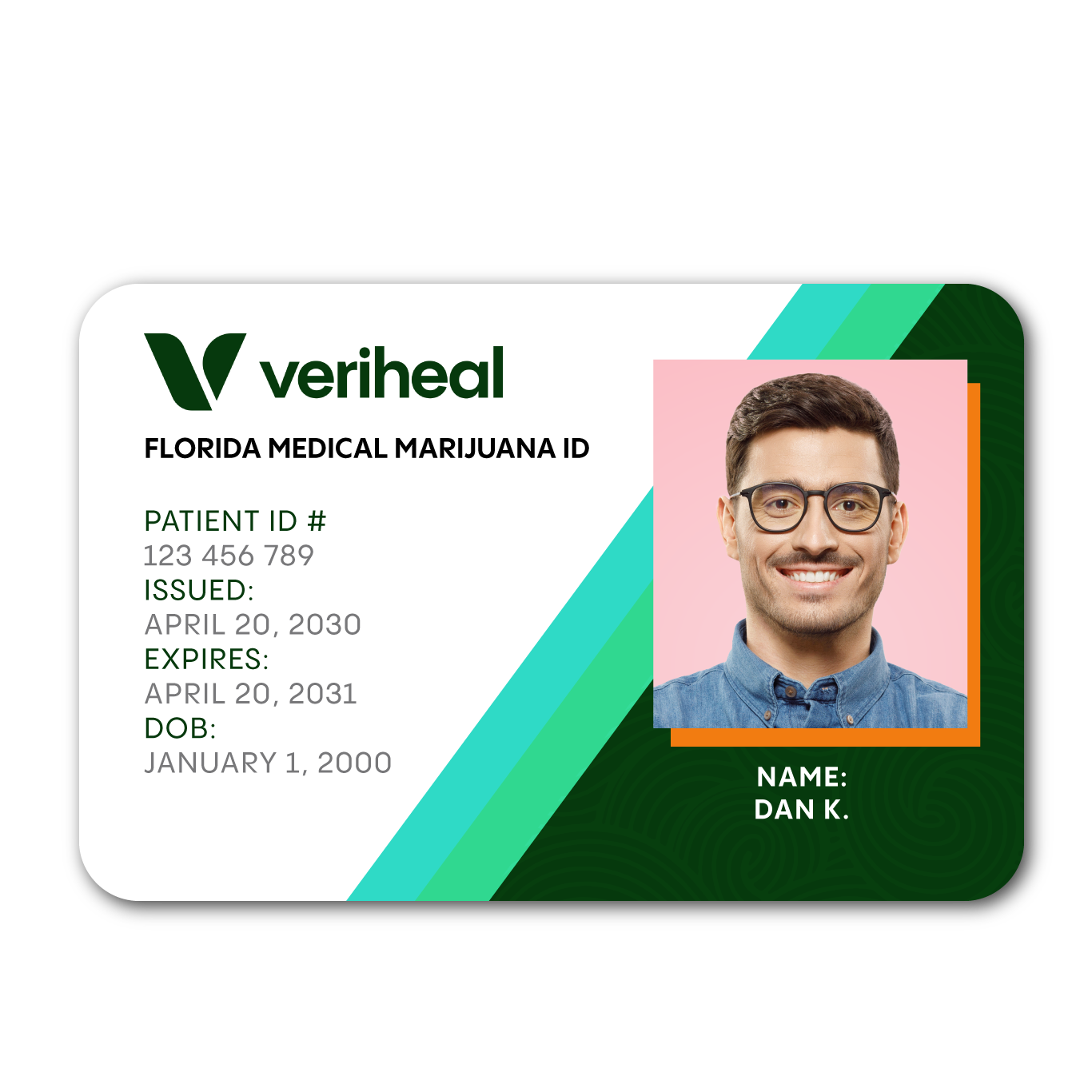
Florida’s medical cannabis program operates through licensed Medical Marijuana Treatment Centers (MMTCs), commonly known as dispensaries. These dispensaries are regulated by the state and are the only legal places where qualified patients or their caregivers can purchase medical cannabis products.
Upon visiting a dispensary, you will need to present your medical marijuana card and a valid photo ID. Dispensaries offer a diverse range of products, including:
- Vaporization products: Inhalable cannabis in various forms.
- Edibles: Approved cannabis products designed for ingestion.
- Tinctures: Liquid extracts applied under the tongue.
- Topicals: Creams, lotions, and balms for localized relief.
- Capsules and oils: Oral administration options.
- Flower (whole flower cannabis): Available for smoking or vaporization, though specific regulations apply.
The dispensing limits are determined by your physician’s recommendation in the registry. Dispensary staff are typically knowledgeable and can help guide you through product selection based on your physician’s recommendation and your personal needs. They can explain different cannabinoid profiles (THC, CBD, etc.) and terpenes, helping you make informed choices that align with your health goals.
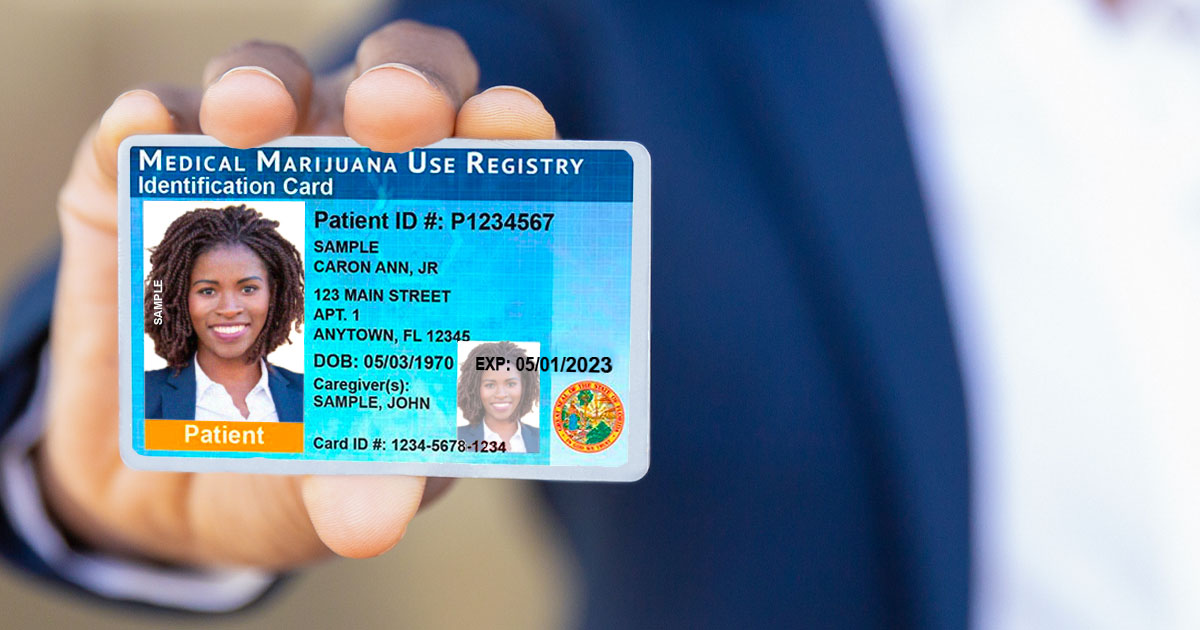
Understanding Your Patient Registry Identification Card
Your Florida Medical Marijuana Use Registry Identification Card is more than just a piece of plastic; it is your official authorization to possess and use medical cannabis in the state. It acts as legal proof that you are a registered patient and are permitted to purchase and consume medical cannabis products within the legal limits.
Key aspects of the card:
- Validity: The card has an expiration date, typically one year from its issuance. Renewing both your physician certification and your card annually is crucial to maintaining continuous access.
- Possession: Always carry your card when possessing or transporting medical cannabis products. This is vital for demonstrating legal compliance if questioned by law enforcement.
- Limitations: The card does not permit you to possess more than your recommended amount of cannabis, nor does it allow you to use cannabis in public places where smoking is prohibited, or to drive under the influence. It also does not grant permission to cultivate cannabis at home.
Understanding these details ensures that your engagement with medical cannabis remains within the legal framework, protecting your rights and promoting responsible consumption as part of your lifestyle choices.
Legal Protections and Limitations
While a Florida medical marijuana card grants significant protections, it is vital to understand its limitations. The card protects registered patients from state-level prosecution for the possession and use of medical cannabis in accordance with Florida law. However, federal law still classifies cannabis as an illegal substance, meaning these state protections do not extend to federal lands or jurisdictions.
Additionally, certain activities remain prohibited:
- Driving under the influence: It is illegal and unsafe to operate a vehicle or heavy machinery while impaired by cannabis.
- Public consumption: While rules vary by locality, generally, consumption in public places, especially smoking, is prohibited.
- Possession beyond recommended limits: Your physician’s recommendation specifies the maximum amount of cannabis you can possess.
- Home cultivation: Growing your own cannabis plants is illegal under Florida law, even for registered patients.
- Crossing state lines: Transporting medical cannabis across state borders is illegal, as it constitutes federal drug trafficking.
Being aware of these protections and limitations is paramount for integrating medical cannabis into your lifestyle without legal repercussions. Responsible use extends beyond consumption to understanding and respecting the legal boundaries set by the state.
Costs, Renewals, and Long-Term Considerations
Obtaining a medical marijuana card is an ongoing commitment that involves various costs and regular renewals. Planning for these aspects ensures uninterrupted access to your treatment and seamless integration into your long-term health management.
Financial Aspects of Obtaining Your Card
There are several costs associated with acquiring and maintaining a Florida Medical Marijuana Card:
- Physician Consultation Fees: These fees are paid directly to your qualified medical marijuana physician for the initial evaluation and subsequent follow-up visits. Fees can vary significantly between clinics, ranging from a few hundred dollars for an initial visit to lower costs for renewals.
- State Application Fee: The OMMU charges a non-refundable fee for processing your application and issuing your card. This fee is typically around $75 plus a convenience fee for online payments.
- Cost of Medical Cannabis Products: The price of medical cannabis products varies based on the type, potency, and quantity purchased from dispensaries. These costs are out-of-pocket, as medical marijuana is not currently covered by health insurance.
Factoring these costs into your personal budget is an important lifestyle consideration when deciding to pursue medical cannabis as a treatment option.
Annual Renewals and Physician Follow-Ups
To maintain your medical marijuana card, both your physician certification and your patient ID card require annual renewal.
- Physician Re-certification: You must have a follow-up appointment with your qualified physician at least once every 7 months. During this visit, the physician will re-evaluate your condition, assess the efficacy of medical cannabis, and update your recommendation in the registry if necessary. Without a current physician certification, your card cannot be renewed.
- Card Renewal: The OMMU card itself needs to be renewed annually. You will receive a reminder email from the OMMU approximately 45 days before your card’s expiration date. The renewal process is similar to the initial application: log into the registry, verify your information, and pay the annual renewal fee. It is advisable to submit your renewal application well in advance of the expiration date to avoid any lapse in access.
Staying on top of these renewal cycles is critical to ensure uninterrupted access to medical cannabis, making it a continuous and integrated part of your wellness lifestyle.
Integrating Medical Cannabis into Your Lifestyle
For many, obtaining a Florida medical marijuana card is a step towards a more comfortable and empowered lifestyle, allowing them to manage chronic conditions more effectively. Integrating medical cannabis thoughtfully means considering not just the legal and medical aspects but also its impact on your daily routines, social interactions, and overall well-being.
- Personalized Treatment: Work closely with your physician to fine-tune your treatment plan, adjusting dosages and product types to achieve optimal results with minimal side effects.
- Responsible Consumption: Practice responsible use, being mindful of when and where you consume, especially if you have children or are around individuals who may not be comfortable with cannabis use.
- Open Communication: Maintain open communication with your primary care physician and specialists about your medical cannabis use to ensure it complements your overall health strategy.
- Education: Continuously educate yourself on the latest research, product innovations, and regulatory changes in Florida’s medical cannabis program.
By understanding the process, adhering to the regulations, and embracing responsible use, a Florida Medical Marijuana Card can be a valuable tool in enhancing your quality of life, allowing you to live more fully and comfortably within the beautiful Sunshine State.
LifeOutOfTheBox is a participant in the Amazon Services LLC Associates Program, an affiliate advertising program designed to provide a means for sites to earn advertising fees by advertising and linking to Amazon.com. Amazon, the Amazon logo, AmazonSupply, and the AmazonSupply logo are trademarks of Amazon.com, Inc. or its affiliates. As an Amazon Associate we earn affiliate commissions from qualifying purchases.