
The dream of checking into a high-end suite in New York City or a beachfront villa in Bali without spending a dime is more attainable than most travelers realize. While the concept of a “free” stay often sounds like a marketing gimmick or a stroke of rare luck, it is actually the result of a calculated approach to the modern travel ecosystem. In the world of high-stakes hospitality, hotels are constantly looking for ways to fill beds and reward loyalty, creating a landscape of opportunities for the savvy traveler. Whether through strategic points accumulation, leveraging corporate policies, or exploring the burgeoning world of digital content creation, securing complimentary accommodation is a skill that can be mastered by anyone willing to learn the rules of the game.
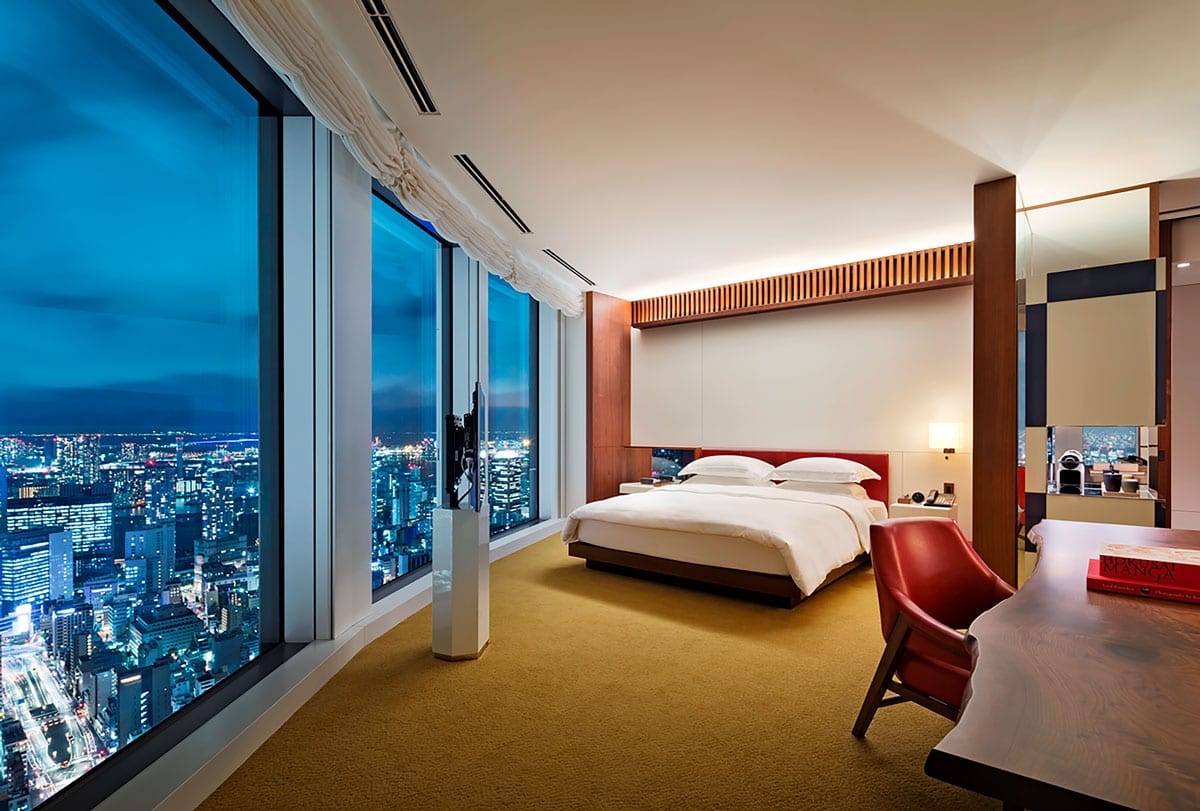
Mastering Hotel Loyalty Programs and Elite Status
The most consistent path to a free hotel room lies within the intricate structures of loyalty programs. Major global chains such as Marriott International, Hilton Worldwide, and Hyatt Hotels have designed these systems to incentivize repeat business, but for the lifestyle traveler, they serve as a primary currency for luxury experiences.
The Power of Reward Points
The fundamental mechanic of the “free” room is the reward point. By joining programs like Marriott Bonvoy, Hilton Honors, or World of Hyatt, travelers earn a set number of points for every dollar spent at participating properties. However, simply staying at hotels is the slowest way to earn a free night. To accelerate the process, one must look at promotional periods where brands offer double or triple points on stays in specific regions like Europe or Asia.
Another advanced strategy is the “fifth night free” benefit. Programs like Marriott Bonvoy and Hilton Honors allow members who book four consecutive nights using points to receive the fifth night entirely free. This effectively reduces the point cost by 20%, making high-value destinations like Tokyo or Paris far more accessible.
Leveraging Elite Status for Upgrades and Certificates
Elite status is often the gateway to “free” value that goes beyond the room itself. While the room might be booked with points, status levels like Diamond or Globalist often yield “Free Night Certificates” as annual rewards. These certificates can be used at prestigious properties such as the Ritz-Carlton or the Park Hyatt without depleting your points balance.
Status matching is another powerful tool. If you hold high-tier status with one brand, such as InterContinental Hotels Group, you can often request a “status match” or “status challenge” with Wyndham Rewards or Choice Hotels. This allows you to immediately access perks like room upgrades, late check-outs, and complimentary breakfasts, which significantly lower the overall cost of a trip, even if the base room isn’t technically free.
The Strategic Use of Credit Card Rewards
In the United States and several other markets, credit card rewards have become the ultimate engine for free travel. This isn’t just about cash back; it is about high-value sign-up bonuses and transferrable points currencies that can be converted into hotel nights.
Maximizing Sign-Up Bonuses
The quickest way to land a free week at a luxury resort in the Maldives is by strategically applying for co-branded hotel credit cards. Many cards offer enough points upon reaching a minimum spend requirement to cover multiple nights at mid-tier hotels or a few nights at top-tier properties like Caesars Palace in Las Vegas.
Cards such as the American Express Platinum Card provide cardholders with annual hotel credits and automatic elite status. These benefits often pay for themselves, essentially subsidizing the cost of the stay through statement credits. For the lifestyle-conscious traveler, rotating these cards and timing applications with planned large purchases is a primary method for maintaining a lifestyle of high-end travel on a budget.
Utilizing Transferable Point Systems
Perhaps more valuable than co-branded cards are those that earn transferable points, such as Chase Ultimate Rewards or American Express Membership Rewards. These points act as a flexible currency. If a stay in London requires points you don’t have, you can transfer these flexible rewards directly to partners like Hyatt Hotels at a 1:1 ratio. Because World of Hyatt often has a lower point requirement for high-end stays compared to other brands, this transfer can represent incredible value, sometimes netting a $1,000-a-night room for a relatively small number of points.
Best Rate Guarantees and Service Recovery
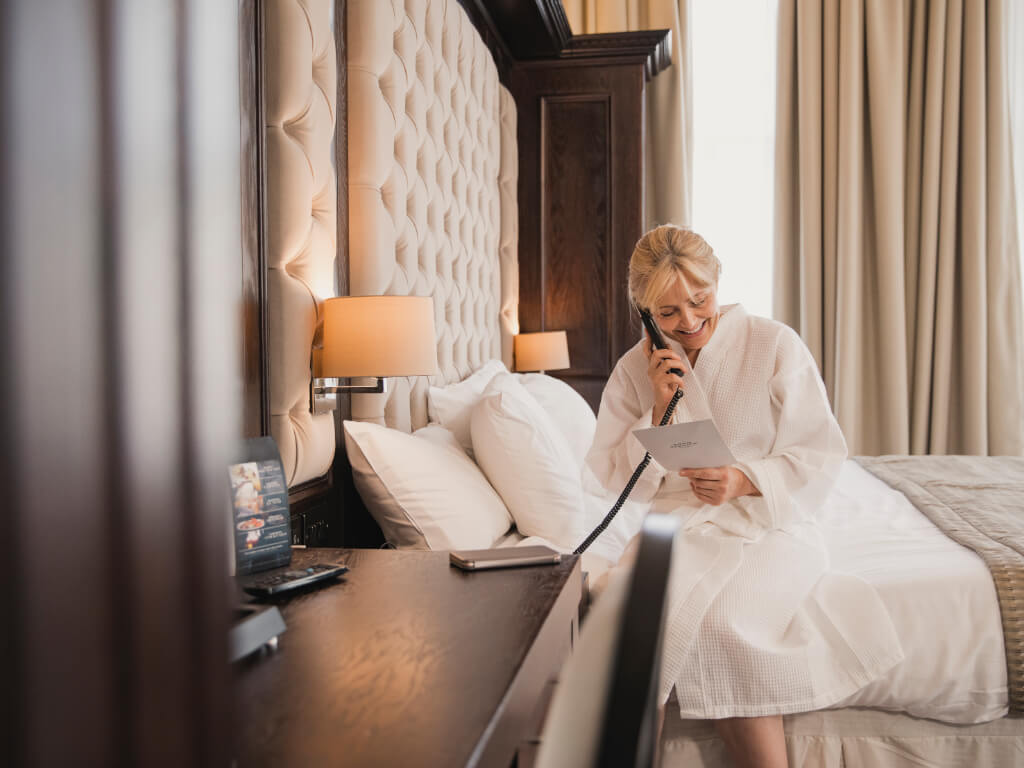
For those who do not wish to play the points game, there are “legal loopholes” within the hotel industry that can result in a free stay. These methods require a keen eye for detail and a willingness to communicate with hotel management.
The Best Rate Guarantee (BRG) Hack
Most major hotel groups, including Marriott International and Choice Hotels, promise that you will find the lowest price on their official website. If you find a lower price for the same room type and dates on a third-party site like Expedia or Booking.com, you can file a Best Rate Guarantee claim.
The rewards for a successful claim vary, but they are often substantial. For instance, some brands will match the lower price and then give you an additional 25% discount, while others have been known in the past to provide the first night of the stay entirely for free. This strategy works best for stays in competitive markets like Singapore or Dubai, where pricing discrepancies are common.
Service Recovery and Guest Satisfaction
While it is never recommended to “hunt” for problems, a legitimate service failure can often lead to a comped night. If a guest experiences a significant issue—such as a non-functioning air conditioner in a tropical destination like Mexico or a security breach—hotels would often rather waive the room charge than risk a scathing review on TripAdvisor.
Professionalism is key here. By addressing the issue calmly with the General Manager of a property like The Venetian or a boutique hotel in Italy, guests often find that the hotel is more than willing to offer a free night for a future stay as a gesture of goodwill.
Professional Partnerships and the Creator Economy
The rise of the “influencer” and digital content creator has changed how hotels view marketing. For those with a significant or highly engaged following, the “comped stay” is a standard business transaction.
Content Creation for Boutique Hotels
You do not necessarily need millions of followers to get a free room. Many boutique hotels in destinations like Greece or Portugal are in constant need of high-quality photography and video content for their own social media channels. A lifestyle traveler with professional photography skills can often trade a set number of high-resolution images for a multi-night stay. This is a “barter” system where the value of the content provided equals or exceeds the rack rate of the room.
Mystery Shopping and Hotel Audits
A more clandestine way to stay for free is to become a hotel mystery shopper. Companies are hired by brands like Four Seasons or Hilton Worldwide to ensure their standards are being met globally. As a mystery shopper, you are assigned a property, given a specific script of interactions to perform, and required to write a detailed report. In exchange, the company usually reimburses the cost of the room, meals, and sometimes even travel expenses. This is a professional path that requires high attention to detail and the ability to remain anonymous throughout the stay.
Alternative Accommodation Models
Finally, the definition of a “hotel room” is expanding. For the budget-conscious lifestyle traveler, alternative models of stay can offer the same comforts as a hotel without the financial burden.
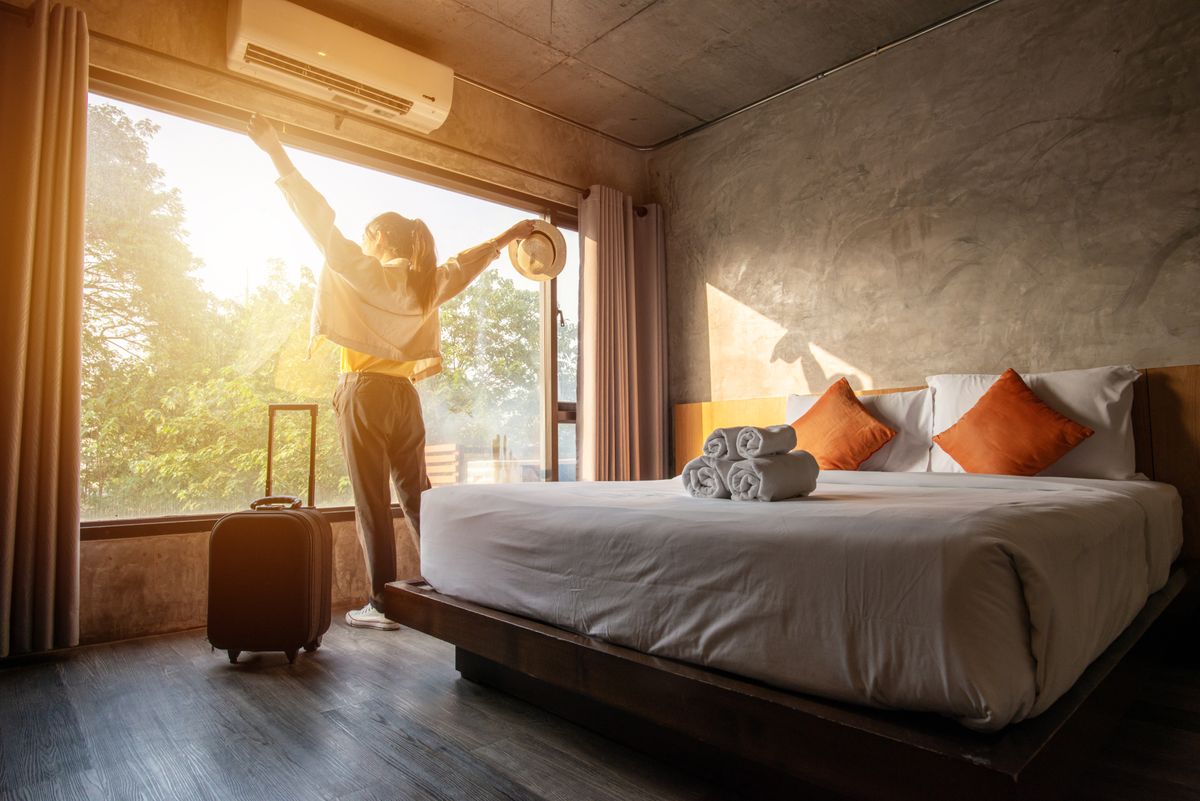
House Sitting and Work Exchanges
In major cities like Sydney or San Francisco, the cost of accommodation is astronomical. Platforms like TrustedHousesitters allow travelers to stay in luxury homes (often with hotel-like amenities) in exchange for looking after pets or the property. While not a traditional hotel, the experience of staying in a high-end apartment in France for free is a cornerstone of the modern nomadic lifestyle.
Similarly, work exchange programs such as Worldpackers or Workaway allow travelers to contribute a few hours of work per day in exchange for a bed. While this is more common in hostels, many eco-resorts and boutique lodges in Costa Rica or Thailand offer private rooms for those with specialized skills like yoga instruction, gardening, or social media management.
By combining these diverse strategies—loyalty mastery, financial savvy, professional networking, and a bit of creative negotiation—the cost of high-end accommodation can be brought down to zero. The secret to getting a free hotel room isn’t finding a “glitch in the system”; it is understanding that hospitality is a currency-based industry, and “money” is only one of the currencies they accept.
LifeOutOfTheBox is a participant in the Amazon Services LLC Associates Program, an affiliate advertising program designed to provide a means for sites to earn advertising fees by advertising and linking to Amazon.com. Amazon, the Amazon logo, AmazonSupply, and the AmazonSupply logo are trademarks of Amazon.com, Inc. or its affiliates. As an Amazon Associate we earn affiliate commissions from qualifying purchases.