
Navigating the Sunshine State with a disability can be significantly enhanced by understanding how to obtain a Florida handicap sticker, often referred to as a disabled parking permit. This essential permit not only grants access to designated parking spaces but also facilitates a more inclusive and enjoyable travel experience across Florida’s diverse attractions, from the vibrant streets of Miami to the historic charm of St. Augustine. Whether you’re planning a leisurely resort stay, exploring local culture, or embarking on a family adventure, a handicap sticker can make all the difference. This guide will walk you through the straightforward process, ensuring your Florida journey is as seamless and accessible as possible.

The primary purpose of a handicap sticker, or disabled parking permit, is to provide convenient parking for individuals with mobility impairments. In Florida, these permits are issued by the Department of Highway Safety and Motor Vehicles (FLHSMV). The process is designed to be accessible, and understanding the requirements upfront will save you time and ensure you have all the necessary documentation.
Understanding Florida’s Disabled Parking Permit System
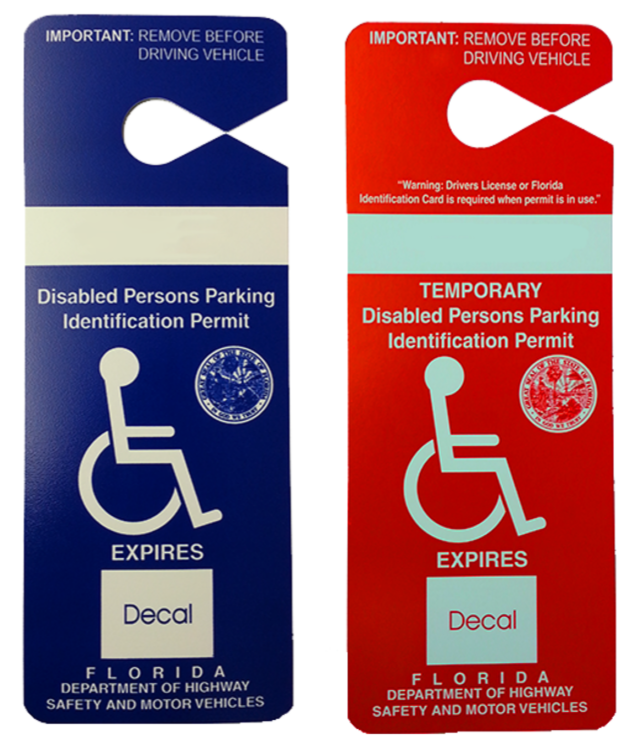
Florida offers two types of disabled parking permits: temporary and permanent. The choice between the two depends on the nature and expected duration of your disability. Both types confer the same parking privileges, allowing you to park in spaces designated for individuals with disabilities, often marked with the International Symbol of Access. These spaces are typically located closer to building entrances, providing easier access for those who require it.
Eligibility Criteria for Disabled Parking Permits
To be eligible for a disabled parking permit in Florida, you must meet specific medical criteria as defined by state law. These criteria generally relate to conditions that substantially limit one or more major life activities, including but not limited to:
- Visual Impairment: This includes individuals with a vision of 20/200 or less in the better eye with the use of corrective lenses, or a visual field of 20 degrees or less.
- Mobility Impairment: This encompasses individuals who cannot walk without the assistance of a brace, cane, crutch, prosthetic device, wheelchair, or other assistive device, or who cannot walk 200 feet without stopping to rest. It also includes individuals with severe lung disease, a Class III or IV cardiac condition according to the New York Heart Association, or a disability that makes it impossible to ambulate without significant assistance.
- Other Conditions: Certain other medical conditions that significantly impair mobility can also qualify.
It is crucial to note that the physician or healthcare provider certifying your condition will play a key role in the application process. They are responsible for verifying that your medical condition meets the state’s eligibility requirements.
Types of Permits Available
Florida issues both temporary and permanent disabled parking permits. The distinction is vital for the application process and renewal procedures.
Temporary Disabled Parking Permits
A temporary permit is issued for individuals whose disability is expected to last for a period of six months or less. These permits are ideal for those recovering from surgery, experiencing a temporary mobility issue due to an injury, or dealing with a short-term medical condition that affects their ability to walk or ambulate easily.
- Duration: Temporary permits are valid for up to six months.
- Renewal: If your disability persists beyond the initial six months, you will need to reapply and obtain a new certification from your healthcare provider to renew the permit.
Permanent Disabled Parking Permits
A permanent permit is for individuals with a chronic disability that is expected to last for more than six months. This is the most common type of permit issued and is designed for individuals with long-term mobility challenges, chronic health conditions, or permanent visual impairments.
- Duration: Permanent permits are valid for a longer period, typically several years, depending on the type of permit (e.g., a license plate or a placard).
- Renewal: While the placard itself might need renewal, the underlying medical condition is considered permanent, meaning you won’t need a new physician’s certification each time unless your condition changes significantly or the FLHSMV requires an updated assessment.
The Application Process: Step-by-Step
Applying for a disabled parking permit in Florida is a multi-step process that primarily involves obtaining a medical certification and submitting the required forms.
Step 1: Obtain a Medical Certification
The cornerstone of your application is a certification from a qualified healthcare provider. This includes physicians licensed under Chapter 458 or 459 of the Florida Statutes, osteopathic physicians, chiropractic physicians, optometrists, or podiatric physicians, as well as out-of-state licensed physicians.
- Form: You will need to complete the “Application for Disabled Person Parking Permit” (HSMV 83007) form. Section II of this form, “Certification of Disability,” must be completed and signed by your licensed healthcare provider. They will assess your condition and certify whether you meet the eligibility requirements for a disabled parking permit.
- Physician’s Role: Your healthcare provider will document your medical condition and explain how it limits your mobility or independence, justifying the need for a disabled parking permit.
Step 2: Complete the Application Form
While your healthcare provider is completing their section, you will need to complete the remaining parts of the HSMV 83007 form. This section includes your personal information, such as your name, address, and driver’s license or identification card number.
- Identification: You will need to provide proof of identity. This typically includes your Florida driver’s license or identification card. If you do not have a Florida driver’s license or ID, you may need to provide other forms of acceptable identification as specified by the FLHSMV.
Step 3: Choose Your Permit Type
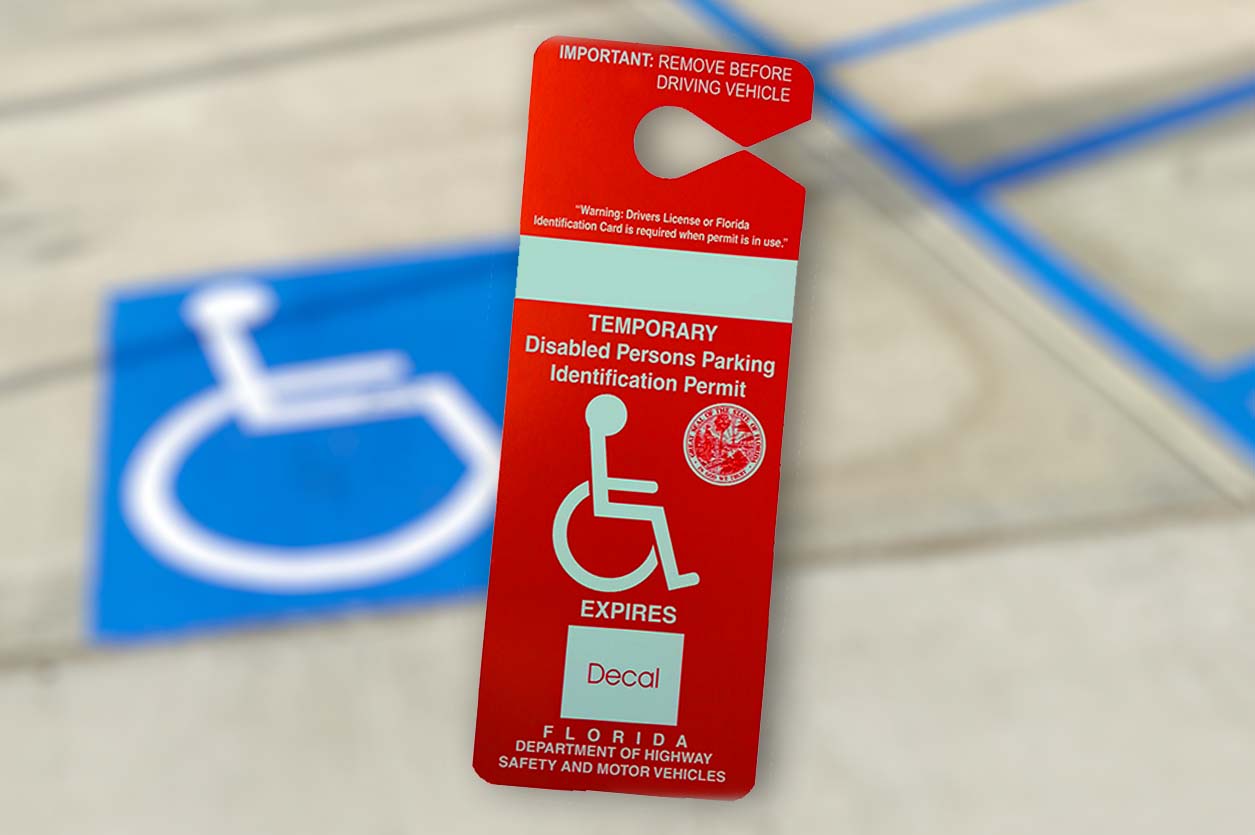
On the application form, you will indicate whether you are applying for a temporary or permanent permit. If you are applying for a permanent permit, you will also have the option to choose between a hanging placard (which hangs from your rearview mirror) or a disabled parking license plate for your vehicle.
- Placard: This is a portable permit that can be moved between vehicles. It’s ideal if you use various vehicles or travel with different drivers.
- License Plate: This is a more permanent solution, affixed to your vehicle’s license plate. It simplifies parking as you don’t need to remember to bring the placard. However, it is specific to one vehicle.
Step 4: Submit Your Application
Once all sections of the HSMV 83007 form are completed and signed, and you have gathered any other required documentation, you can submit your application.
- Where to Submit: Applications can be submitted in person to any county tax collector’s office or license plate agency in Florida. Some county tax collector offices may offer online submission options or appointments, so it’s advisable to check their specific procedures.
- Fees: There is a small application fee for disabled parking permits. The fee for a temporary placard is typically $15, while a permanent placard or disabled parking license plate is usually free, provided you have a Florida driver’s license or ID. However, it’s always best to confirm the current fee schedule with your local tax collector’s office.
Traveling with Your Florida Handicap Sticker
Having a Florida handicap sticker opens up a world of accessible travel experiences. From exploring the enchanting theme parks of Orlando to enjoying the pristine beaches along the Gulf Coast, your permit ensures that your journey is as comfortable and convenient as possible.
Maximizing Accessibility During Your Travels
Once you have your Florida handicap sticker, you can begin planning your adventures with greater confidence. Understanding how to utilize your permit effectively will enhance your travel experience.
Navigating Attractions and Landmarks
Many of Florida’s premier attractions and landmarks are designed with accessibility in mind. However, having a disabled parking permit ensures you can access the closest parking, which can be particularly helpful at large venues or crowded locations.
- Theme Parks: Major theme parks like Walt Disney World Resort, Universal Orlando Resort, and SeaWorld Orlando offer designated accessible parking areas. They also provide a wealth of information on their websites regarding accessibility services, including ride accessibility and transportation options.
- Museums and Cultural Sites: Institutions such as The John and Mable Ringling Museum of Art in Sarasota or the Vizcaya Museum & Gardens in Miami typically have accessible parking and facilities. Always check their individual websites for specific accessibility details.
- State and National Parks: Parks like Everglades National Park or Biscayne National Park often have accessible trails, visitor centers, and parking. The National Park Service provides detailed accessibility information for its sites.
Accommodation Options
When booking hotels, resorts, or vacation rentals in Florida, look for properties that explicitly advertise accessibility features.
- Accessible Rooms: Many hotels offer rooms specifically designed for guests with disabilities, featuring wider doorways, grab bars in bathrooms, and roll-in showers. When booking, be sure to confirm these amenities.
- Resorts and Villas: Luxury resorts and private villas can also cater to accessible needs. Many are equipped with elevators, ramps, and accessible common areas. Websites like Booking.com or Airbnb often allow you to filter accommodations by accessibility features.
- Amenities: Consider amenities that enhance your stay, such as accessible pools, dining facilities, and transportation services.
Dining and Local Experiences
Exploring Florida’s diverse culinary scene and local activities becomes easier with your permit.
- Restaurants: Most restaurants, especially those in tourist areas, provide accessible parking. If you are unsure, calling ahead can confirm their parking situation.
- Local Tours and Activities: Many tour operators and activity providers are increasingly aware of accessibility needs. Whether it’s a boat tour along the coast or a guided walking tour of a historic district, inquire about their accessibility policies.
Reciprocity with Other States and Countries
A significant benefit of your Florida handicap sticker is its recognition beyond the state’s borders.
- Interstate Travel: Florida adheres to reciprocity agreements with all other U.S. states and territories. This means your Florida disabled parking permit should be honored for parking privileges when you travel to other states.
- International Travel: Many countries also recognize U.S. disabled parking permits, though it’s always advisable to check the specific regulations of your destination country before you travel. The International Symbol of Access is universally recognized, which aids in this process.
Renewal and Maintaining Your Permit
To ensure you continue to benefit from your disabled parking permit, it’s important to be aware of renewal procedures.
- Permanent Permits: Permanent placards typically do not require a renewal fee as long as your Florida driver’s license or ID card is current. However, the placard itself may have an expiration date and needs to be replaced, usually at no cost, when it expires. You will need to visit your county tax collector’s office.
- Temporary Permits: As mentioned, temporary permits must be renewed by reapplying and obtaining a new certification from your healthcare provider if your disability persists beyond six months.
It’s essential to keep your permit in a visible location when parked in a designated space and to always have your identification card or driver’s license with you, as law enforcement may request it to verify the permit holder. Misuse of disabled parking permits carries significant penalties, including fines and the revocation of parking privileges.
By understanding and utilizing the Florida handicap sticker system, individuals with disabilities can significantly enhance their travel experiences. From securing convenient parking at world-class attractions to enjoying comfortable accommodations and seamless explorations of local culture, the Sunshine State becomes a more accessible and welcoming destination for everyone.
LifeOutOfTheBox is a participant in the Amazon Services LLC Associates Program, an affiliate advertising program designed to provide a means for sites to earn advertising fees by advertising and linking to Amazon.com. Amazon, the Amazon logo, AmazonSupply, and the AmazonSupply logo are trademarks of Amazon.com, Inc. or its affiliates. As an Amazon Associate we earn affiliate commissions from qualifying purchases.