
Navigating the process of acquiring a hunting license in Texas is a crucial first step for anyone wishing to engage in the state’s rich hunting traditions. Whether you’re a seasoned outdoorsman or a novice embarking on your first expedition, understanding the requirements, types of licenses available, and the application procedures is paramount. This guide aims to demystify the process, ensuring you are fully equipped and compliant with Texas Parks and Wildlife Department (TPWD) regulations, allowing you to focus on the thrill of the hunt.
Understanding Texas Hunting Licenses
The Texas hunting license system is designed to manage wildlife populations, fund conservation efforts, and ensure ethical hunting practices. The TPWD offers a variety of licenses, catering to different needs, residency statuses, and hunting pursuits.
Residency Requirements
To qualify for resident hunting and fishing licenses, you must have resided in Texas for at least six consecutive months prior to the application date. This includes active-duty military personnel stationed in Texas and students enrolled in a Texas college or university. Proof of residency is typically required, which can include a Texas driver’s license, voter registration, or a utility bill in your name. Non-residents will pay a higher fee for comparable licenses.
Types of Hunting Licenses
The TPWD offers several license types, each with specific privileges:
- Annual Hunting Licenses: These are the most common and grant privileges for an entire year, typically from August 31st to September 1st of the following year.
- Texas Resident General Hunting & Fishing Package: This is a comprehensive license that covers most hunting and fishing activities for residents. It’s often the most economical choice for those who engage in both pursuits.
- Texas Resident Youth Hunting License: Designed for hunters aged 9 to 16, this license offers an affordable way for young Texans to get involved in hunting. It includes many of the same privileges as the adult general license.
- Texas Resident Special Licenses: There are various specialized licenses available for residents, such as those for archery-only hunting, muzzleloader hunting, or specific game animals like white-tailed deer.
- Non-Resident Hunting Licenses: Similar to resident licenses, these are available for a year or specific seasons and are priced higher to reflect non-resident status.
- Non-Resident 5-Day Special Hunting License: This is a popular option for non-residents who plan a short hunting trip to Texas. It’s valid for five consecutive days and covers a wide range of game.
- Non-Resident Annual Hunting License: For those planning multiple hunting trips throughout the year, the annual non-resident license provides broader coverage.
- Special Permits and Stamps: In addition to a base hunting license, certain activities or game animals may require additional permits or stamps. These can include:
- Upland Game Bird Stamp: Required for hunting quail, pheasant, and chachalaca.
- Waterfowl Stamp: Necessary for hunting ducks, geese, and other migratory waterfowl.
- Archery Endorsement: Allows for hunting during archery-only seasons.
- Muzzleloader Endorsement: Permits hunting during muzzleloader-only seasons.
- Special Permits for Exotic Wildlife: Certain exotic species may have specific tagging or permit requirements.
Hunter Education Requirement
A critical component for obtaining a hunting license in Texas is completing a certified Hunter Education course. This course covers essential topics such as firearm safety, wildlife conservation, ethical hunting practices, and the laws and regulations governing hunting in Texas.
- Who Needs to Take the Course? All individuals born on or after September 2, 1971, must provide proof of completing a TPWD-approved hunter education program or a hunter education program recognized by another state or province.
- Course Options:
- Classroom Course: This traditional format involves in-person instruction from a certified volunteer instructor. It typically includes both classroom learning and a hands-on field day.
- Online Course: Many individuals opt for the online hunter education course, which offers flexibility. After completing the online portion, a field day is usually still required to demonstrate practical skills.
- Home Study Course: This option allows you to study the materials at your own pace and then attend a scheduled field day.
- Certification: Upon successful completion of the course and passing any required exams, you will receive a hunter education certificate, which is a prerequisite for purchasing a hunting license.
How to Purchase Your Hunting License
Texas offers multiple convenient channels for purchasing hunting licenses, ensuring accessibility for all hunters.
Online Purchase
The most efficient and straightforward method for many is to purchase a license online through the official Texas Parks and Wildlife Department website.
- TPWD Website: Visit the TPWD’s official hunting and fishing license page. Here, you can browse license types, select the appropriate one, provide the necessary information, and complete the transaction.
- Account Creation: You will likely need to create a customer account on the TPWD portal to manage your licenses and information.
- Hunter Education Verification: During the online purchase process, you will be prompted to enter your hunter education certification number.
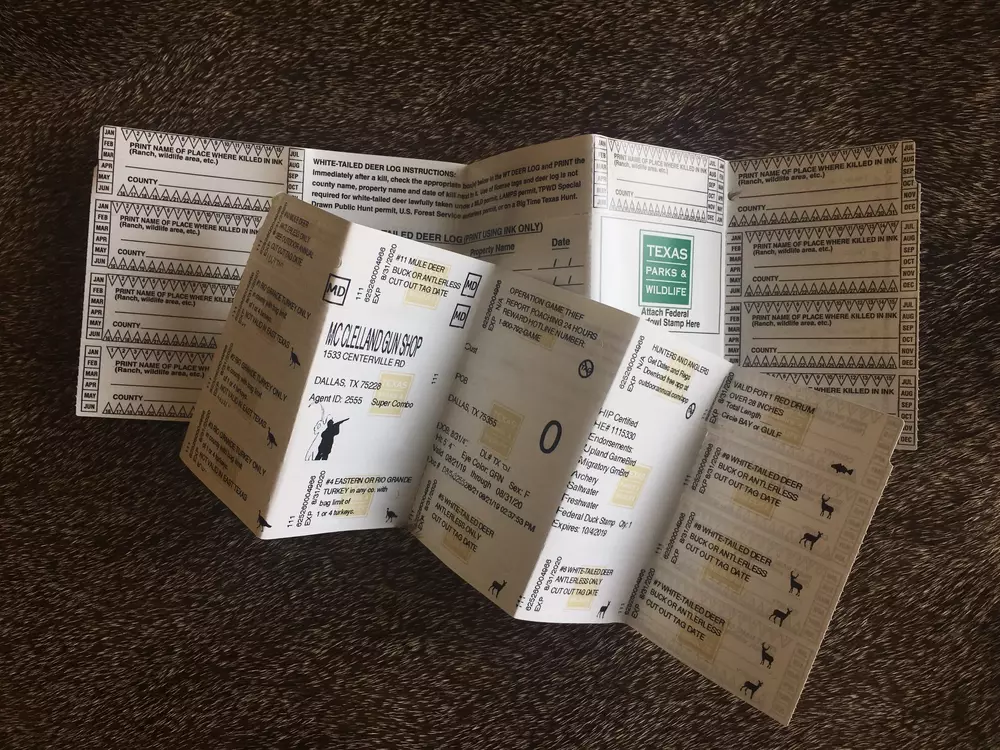
- Print or Download: Once purchased, you can typically print a temporary license immediately or download it to your smartphone for display. A permanent license will usually be mailed to you.
In-Person Purchase
For those who prefer face-to-face transactions or need assistance, licenses can be purchased at numerous authorized locations across Texas.
- TPWD Law Enforcement Offices: Many regional TPWD offices sell hunting licenses.
- Retail License Vendors: These are typically sporting goods stores, bait and tackle shops, and some general merchandise stores that are authorized to sell TPWD licenses. A comprehensive list of vendors is available on the TPWD website.
- Hardware Stores and Big Box Retailers: Many large retailers that carry hunting and outdoor gear also serve as license vendors.
By Phone
While less common, in some instances, licenses might be purchasable over the phone, though online and in-person are the primary methods. Always verify the most current purchasing options directly with the TPWD.
Required Information for Purchase
Regardless of the purchase method, you will typically need to provide the following information:
- Full Name
- Date of Birth
- Physical Address (for residency verification)
- Height and Weight
- Eye Color
- Hunter Education Certification Number (if applicable)
- Social Security Number (often used for identification and record-keeping, but not always mandatory for purchase itself)
Specific Considerations for Hunters
Beyond the basic license requirements, several other factors are important for a successful and legal hunting experience in Texas.
Seasons and Bag Limits
Each game animal in Texas has designated hunting seasons and bag limits, which are set by the TPWD to ensure sustainable populations. It is imperative to consult the current TPWD Outdoor Annual publication or website for the most up-to-date information on seasons, bag limits, and any specific regulations for the game you intend to hunt.
- Outdoor Annual: This official publication is the definitive guide to hunting and fishing regulations in Texas. It is available online and in print at many license vendors.
- Legal Hunting Hours: Hunting is generally permitted from 30 minutes before sunrise to 30 minutes after sunset. Specific regulations may apply to certain species or situations.
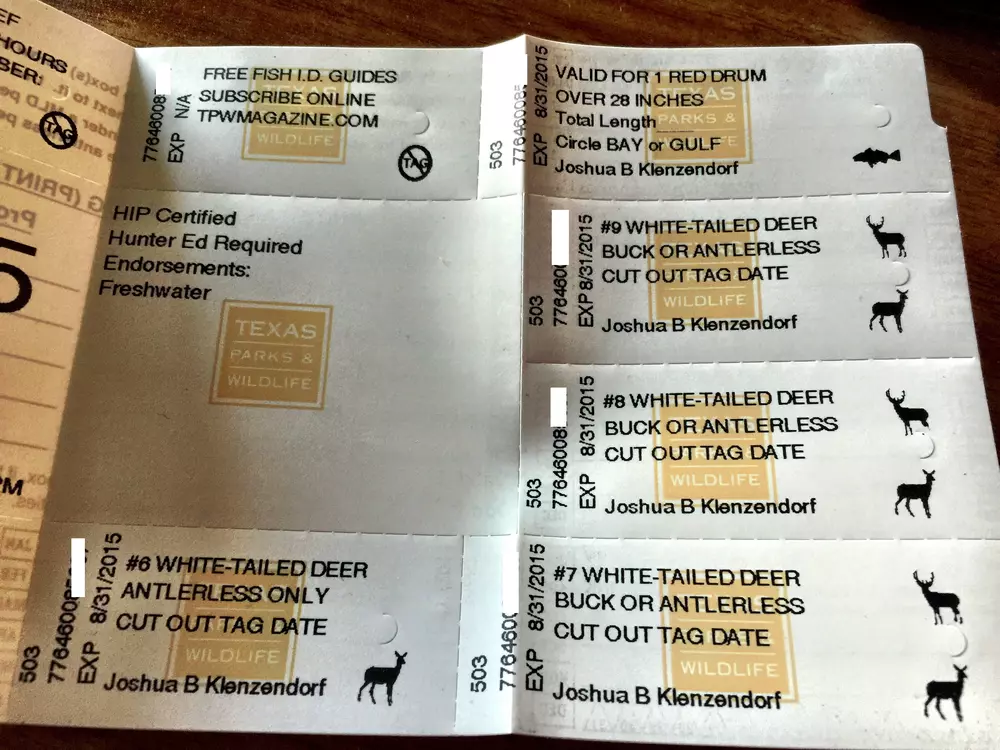
- Tagging Requirements: For certain game animals, such as white-tailed deer and wild turkey, harvested animals must be tagged with a carcass tag that comes with your license or a special permit. These tags must be properly filled out and attached to the animal immediately after harvest.
Wildlife Management Areas (WMAs)
Texas boasts numerous Wildlife Management Areas (WMAs) managed by the TPWD. These areas offer excellent opportunities for hunting, but they often have specific regulations and may require special permits or draw applications in addition to a valid hunting license. Researching the specific WMA you plan to visit is essential.
Trespassing Laws
Understanding and respecting private property boundaries is fundamental to ethical hunting. Always obtain explicit permission from landowners before entering private property to hunt. Trespassing can lead to significant legal penalties. Many hunters utilize land leases or public hunting opportunities on WMAs to avoid trespassing issues.
Ethical Hunting Practices
Responsible hunting involves more than just having a license. It encompasses respect for the animal, the environment, and fellow hunters. This includes:
- Accurate Shot Placement: Aiming for a quick and humane kill.
- Proper Field Dressing and Utilization: Making use of as much of the harvested animal as possible.
- Safe Firearm Handling: Always adhering to firearm safety rules.
- Leave No Trace: Minimizing your impact on the natural environment.
By adhering to these guidelines and understanding the licensing process thoroughly, hunters can ensure their experiences in the vast and diverse landscapes of Texas are both rewarding and compliant with all regulations. The Texas Parks and Wildlife Department is a valuable resource for all hunters, providing essential information to promote safe, ethical, and sustainable hunting for generations to come.
LifeOutOfTheBox is a participant in the Amazon Services LLC Associates Program, an affiliate advertising program designed to provide a means for sites to earn advertising fees by advertising and linking to Amazon.com. Amazon, the Amazon logo, AmazonSupply, and the AmazonSupply logo are trademarks of Amazon.com, Inc. or its affiliates. As an Amazon Associate we earn affiliate commissions from qualifying purchases.