
Navigating the landscape of medical cannabis can seem complex, especially in a popular destination like Florida, known for its vibrant tourism, diverse accommodations, and enticing lifestyle opportunities. For residents and seasonal visitors alike, understanding the process to obtain a medical marijuana card is crucial for legal access to this therapeutic option. This comprehensive guide will walk you through every step, from meeting initial residency requirements to understanding the ongoing responsibilities of a cardholder, ensuring you have all the information needed for a smooth application process in the Sunshine State. Whether you’re considering a long-term stay or are a permanent resident seeking relief, gaining access to medical marijuana in Florida offers significant benefits, including legal protection and access to high-quality, regulated products.
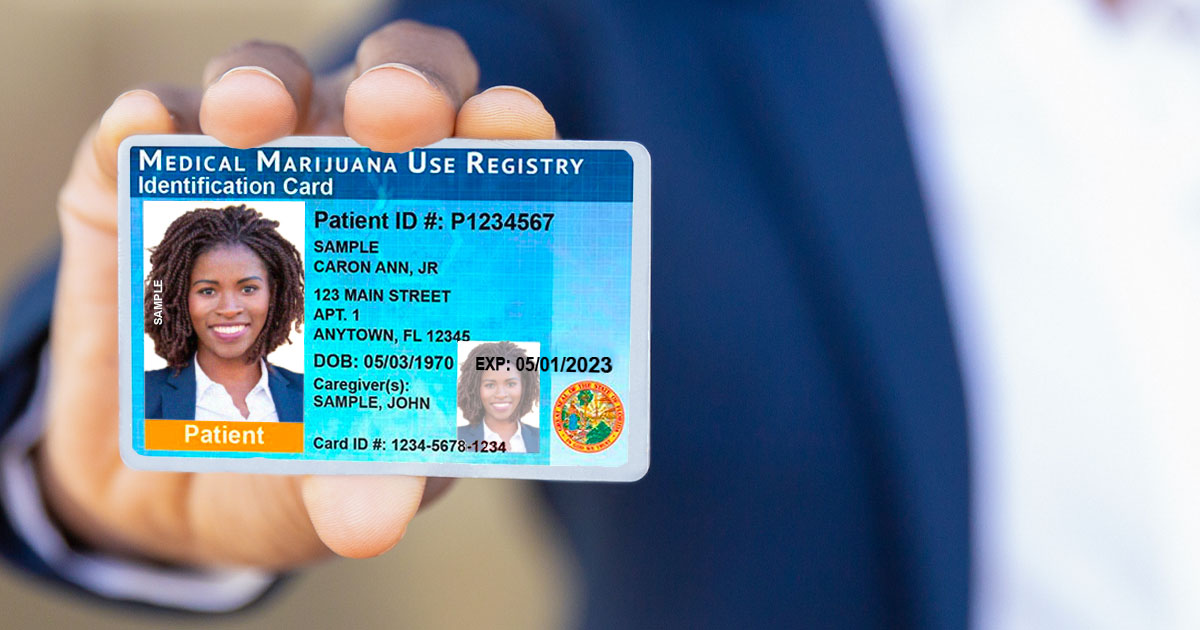
Understanding Eligibility: Residency and Qualifying Conditions
The journey to obtaining a medical marijuana card in Florida begins with establishing your eligibility based on two primary factors: your residency status and whether you suffer from a debilitating medical condition recognized by the state. These foundational requirements ensure that access to medical cannabis is provided to those who genuinely qualify under state law, aligning with the compassionate use principles that guide Florida’s medical marijuana program.
Meeting Florida’s Residency Criteria
First and foremost, to apply for a medical marijuana card, you must demonstrate that you are a legal resident of Florida. This requirement is straightforward for permanent residents but also extends to those who spend a significant portion of their time in the state, often referred to as seasonal residents or “snowbirds.”
For permanent residents, proof of residency is typically established with a valid Florida ID card or driver’s license. These documents are generally sufficient to confirm your legal ties to the state, making this initial step relatively simple for most long-term inhabitants.
Seasonal residents, who contribute significantly to Florida’s dynamic tourism and lifestyle sectors, also have a pathway to qualification. Recognizing the unique living arrangements of many who enjoy Florida for extended periods, the state allows these individuals to qualify by providing two forms of proof of residency. This can include a combination of documents such as a utility bill in their name from a Florida address, a bank statement from a Florida-based bank, or a copy of a lease agreement for a Florida property. These provisions ensure that individuals who are deeply embedded in the state’s community for part of the year can also access necessary medical care, including medical marijuana.
Recognized Debilitating Medical Conditions
Beyond residency, the cornerstone of eligibility is having a qualifying debilitating medical condition. Florida law outlines a specific list of conditions that are automatically recognized, alongside provisions for other conditions that a qualified physician may deem appropriate.
The primary qualifying conditions include:
- Cancer: A devastating disease where medical marijuana can help manage pain, nausea, and appetite loss associated with treatment.
- Epilepsy: A neurological disorder characterized by recurrent seizures, for which certain cannabis compounds have shown efficacy in reduction.
- Glaucoma: An eye condition that can lead to blindness, where medical marijuana may help reduce intraocular pressure.
- HIV/AIDS: A chronic, potentially life-threatening condition for which medical marijuana can alleviate pain, nausea, and stimulate appetite.
- Post-Traumatic Stress Disorder (PTSD): A mental health condition triggered by a terrifying event, where cannabis may help manage anxiety, insomnia, and mood swings.
- Amyotrophic Lateral Sclerosis (ALS): A progressive neurodegenerative disease, also known as Lou Gehrig’s disease, where medical marijuana can help manage symptoms like muscle spasms and pain.
- Crohn’s Disease: A chronic inflammatory bowel disease where cannabis may reduce inflammation and gastrointestinal discomfort.
- Parkinson’s Disease: A progressive disorder of the nervous system affecting movement, for which medical marijuana may help alleviate tremors and stiffness.
- Multiple Sclerosis (MS): A debilitating disease of the brain and spinal cord, where cannabis can help manage muscle spasms, pain, and sleep issues.
Beyond this explicit list, Florida law provides flexibility for patients suffering from other conditions of a similar kind or class. This means a qualified physician has the discretion to determine that other debilitating medical conditions, not explicitly listed but similar in nature or severity to those listed, also qualify. Furthermore, if a physician determines that the benefits of medical marijuana outweigh the potential health risks for a specific condition, it may also be considered a qualifying condition.
Lastly, patients diagnosed with a terminal condition by a physician other than the qualified physician issuing the medical marijuana recommendation may also qualify. This provision offers compassionate access to medical marijuana for individuals facing life-limiting illnesses, allowing them to seek comfort and relief during their final stages.
The Application Process: From Physician to Card
Once your eligibility based on residency and a qualifying medical condition has been established, the practical steps of applying for a medical marijuana card begin. This multi-stage process involves a crucial consultation with a specialized physician, followed by registration with the state’s regulatory body. Adhering to each step carefully is vital for a successful application and to ensure legal access to medical cannabis in Florida.
Consulting a Qualified Florida Medical Marijuana Doctor
The first critical step in the application process is to consult with a physician who is specifically qualified to recommend medical marijuana in Florida. Not just any doctor can issue such a recommendation; only state-licensed physicians who have completed specific training and are certified by the Office of Medical Marijuana Use (OMMU) can legally do so. Finding such a physician is paramount, and resources are often available through the OMMU’s website or through reputable medical cannabis clinics across the state.
Your initial consultation will be a comprehensive review of your health. During this visit, the qualified doctor will delve into your complete medical history, meticulously assess any current medications you are taking, and conduct a thorough physical examination. The primary goal of this evaluation is to confirm your qualifying medical condition and to determine if medical marijuana is an appropriate and beneficial treatment option for your specific circumstances. This detailed assessment ensures that the recommendation is medically sound and tailored to your individual needs.
An important aspect of Florida law is the requirement for an established relationship between the physician and the patient. This isn’t a one-off visit; it implies an ongoing therapeutic relationship, often necessitating multiple visits before a definitive recommendation for medical marijuana can be made. This ensures comprehensive care and allows the physician to monitor your condition and response to potential treatment over time.
Upon confirming your qualifying condition, the doctor will develop a personalized treatment plan. This plan is highly specific, outlining the recommended dosage, the preferred route of administration (e.g., inhalation, oral consumption, topical application), and the appropriate type of medical marijuana product (e.g., flower, oils, edibles). This tailored approach ensures that patients receive the most effective and safest form of cannabis for their condition.
Registering with the Florida Office of Medical Marijuana Use (OMMU)
Once your qualified physician has confirmed your condition and established a treatment plan, the next phase involves formal registration with the state. This is handled by the Florida Office of Medical Marijuana Use (OMMU), which oversees the state’s medical marijuana program.
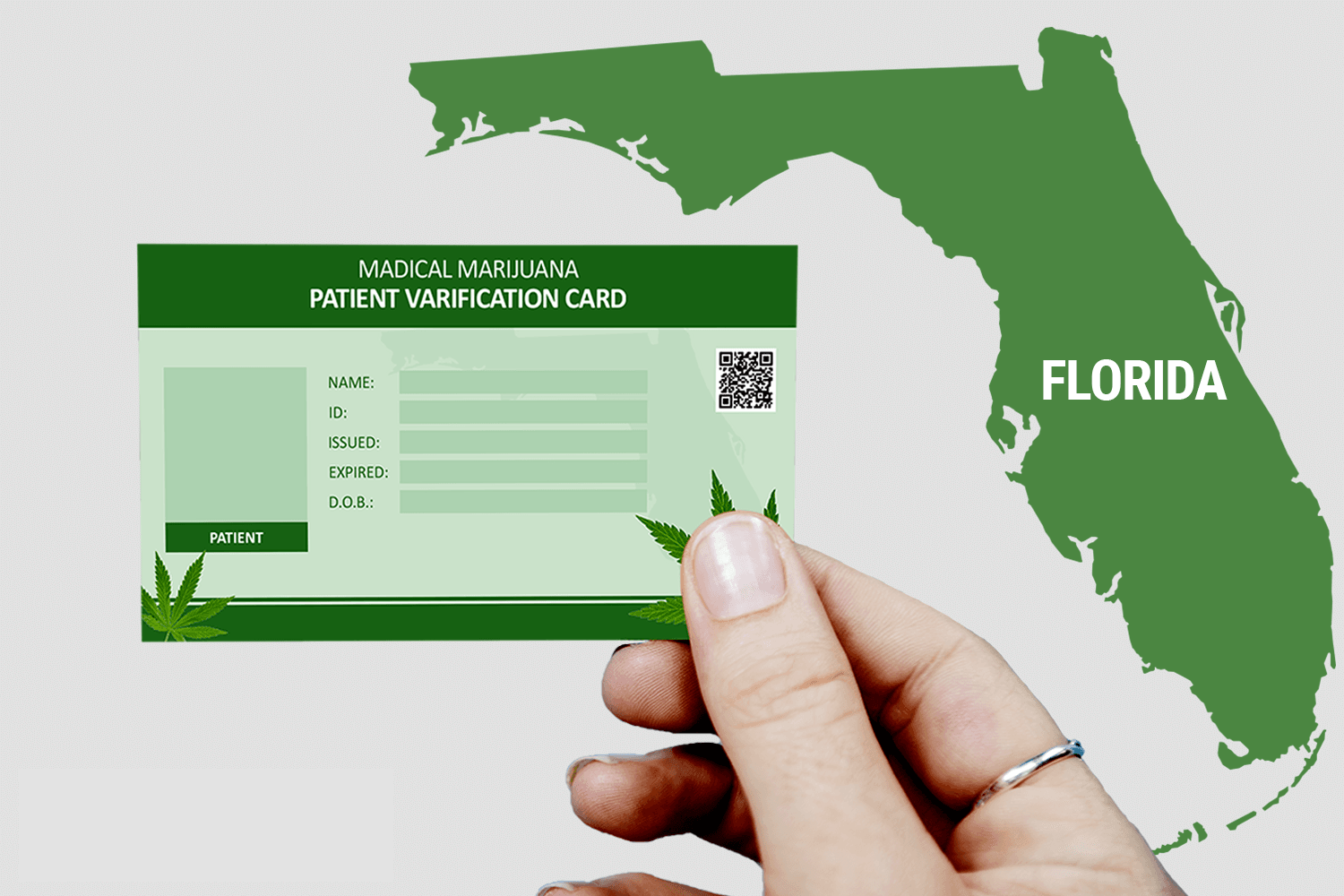
The physician plays a critical role in initiating this registration. After your qualifying condition is verified and your treatment plan is set, your doctor will submit your information directly into the OMMU’s secure online database, known as the Compassionate Use Registry. This submission signals to the state that you have met the medical criteria for a card.
Following your physician’s submission, you will receive an email directly from the OMMU. This email will contain detailed instructions on how to complete your online application for a medical marijuana card. The patient application typically requires you to provide personal details such as your full name, date of birth, and your Florida ID or driver’s license number. You will also need to reference the qualifying physician’s order that was previously submitted.
A crucial component of the application is the application fee. There is a non-refundable fee (currently $75, though this amount is subject to change, so it’s always wise to check the latest OMMU guidelines). This fee is an annual requirement for card renewal, emphasizing the ongoing administrative cost associated with maintaining the program. In addition to the fee, a recent passport-style photo is typically required, which will appear on your medical marijuana card.
Once all necessary information, documents, and the fee are gathered, you will submit your completed application and supporting documents online through the OMMU portal. Careful attention to detail during this submission process can prevent delays.
Navigating Your Card: Use, Renewal, and Legalities
Upon successful completion of the application process, receiving your medical marijuana card marks a significant milestone. However, understanding how to use it responsibly, renew it annually, and adhere to state laws is equally important. This section delves into the practical aspects of being a cardholder, ensuring you remain compliant and make the most of your access to medical cannabis in Florida.
Receiving and Utilizing Your Medical Marijuana Card
After you’ve submitted your application to the OMMU, there’s a processing period before your card is officially issued. Typically, the OMMU processes applications within 5-10 business days. You will receive an email confirmation once your application has been reviewed and approved, signaling that your card is on its way.
One of the helpful features of Florida’s system is the provision of a temporary card. An email containing this temporary card will be sent to you upon approval. This allows you to legally purchase medical marijuana from licensed dispensaries while you await the arrival of your physical card in the mail. This ensures continuity of access to your prescribed treatment without unnecessary delays.
With your temporary or physical card in hand, you can begin purchasing from dispensaries. These are officially known as Medical Marijuana Treatment Centers (MMTCs) in Florida and are commonly referred to as dispensaries. These licensed facilities are located throughout the state, offering a wide range of regulated, lab-tested medical marijuana products. When visiting an MMTC, you will need to present your medical marijuana card and a valid photo ID.
It’s crucial to be aware of the possession limits. Florida law specifies legal possession limits for different forms of medical marijuana, which are also detailed in your doctor’s recommendation. Exceeding these limits can lead to legal issues, so always consult your physician’s recommendations and state guidelines to ensure compliance.
Essential Renewal and Usage Guidelines
Maintaining your legal access to medical marijuana requires annual attention. Your medical marijuana card must be renewed annually. This involves submitting a new application and paying the non-refundable application fee once more. The OMMU typically sends reminders as your card’s expiration date approaches, but it’s ultimately the cardholder’s responsibility to track this date and initiate the renewal process in a timely manner to avoid any lapse in legal access.
In addition to the annual card renewal, you will also need to have an annual follow-up consultation with your qualified physician. This ensures that your qualifying condition is still present, that your treatment plan remains appropriate, and that your doctor can continue to monitor your progress and make any necessary adjustments to your prescription. This ongoing doctor-patient relationship is a cornerstone of responsible medical marijuana use in Florida.
Benefits and Important Considerations for Travelers
Obtaining a medical marijuana card in Florida offers significant advantages for qualified individuals, ensuring legal protection and access to quality products. However, for those who travel frequently or are visiting the state, there are crucial considerations regarding the legalities of medical marijuana use. Understanding both the benefits and the travel-related nuances is essential for any cardholder.
The Advantages of Holding a Florida Medical Marijuana Card
Possessing a medical marijuana card in Florida provides several key benefits:
- Legal Protection: Perhaps the most significant advantage is the legal protection it affords. A valid medical marijuana card protects patients from criminal penalties for the possession and use of medical marijuana, provided they adhere to state laws and their physician’s recommendations. This peace of mind is invaluable for patients seeking relief.
- Access to High-Quality, Regulated Products: Cardholders gain access to regulated, lab-tested medical marijuana products from licensed Medical Marijuana Treatment Centers (MMTCs). This ensures that products are safe, accurately labeled for potency, and free from contaminants, a stark contrast to unregulated markets.
- Variety of Products: Licensed dispensaries offer a wide array of forms and strains of medical marijuana, tailored to specific conditions and patient preferences. Whether a patient requires tinctures, edibles, vapes, or specific cannabis strains, the regulated market provides comprehensive options.
- Professional Guidance: Cardholders receive ongoing guidance from qualified physicians regarding appropriate dosage, routes of administration, and potential interactions. This professional oversight ensures that patients use medical marijuana safely and effectively as part of a broader treatment plan.
Important Considerations for Travelers and Tourists
For individuals who frequently travel, or for out-of-state tourists considering the medical marijuana landscape in Florida, there are vital legal and practical considerations to keep in mind:
- Out-of-State Cards Not Valid: Florida does not recognize medical marijuana cards issued by other states. This means if you have a medical marijuana card from another state, it will not grant you legal access to medical cannabis in Florida. To obtain medical marijuana in Florida, you must meet Florida’s residency requirements and obtain a Florida-issued card.
- Possession Laws Across State Lines: Even with a Florida medical marijuana card, transporting medical marijuana across state lines is illegal under federal law. Cannabis remains federally illegal, and federal laws govern interstate commerce and transportation. Therefore, bringing medical marijuana into or out of Florida across state borders, even if traveling to another state with legal medical marijuana, can result in severe legal penalties.
- Public Use Restrictions: The use of medical marijuana in public places is generally prohibited in Florida. This includes public parks, beaches, sidewalks, and any location where public consumption of cannabis is not permitted. Medical marijuana use is typically restricted to private residences.
- Driving Under the Influence: Operating a vehicle or heavy machinery under the influence of medical marijuana is illegal and can lead to DUI charges. Just like alcohol, impairment from cannabis can affect driving ability, and law enforcement takes this seriously. Patients should never drive while impaired.
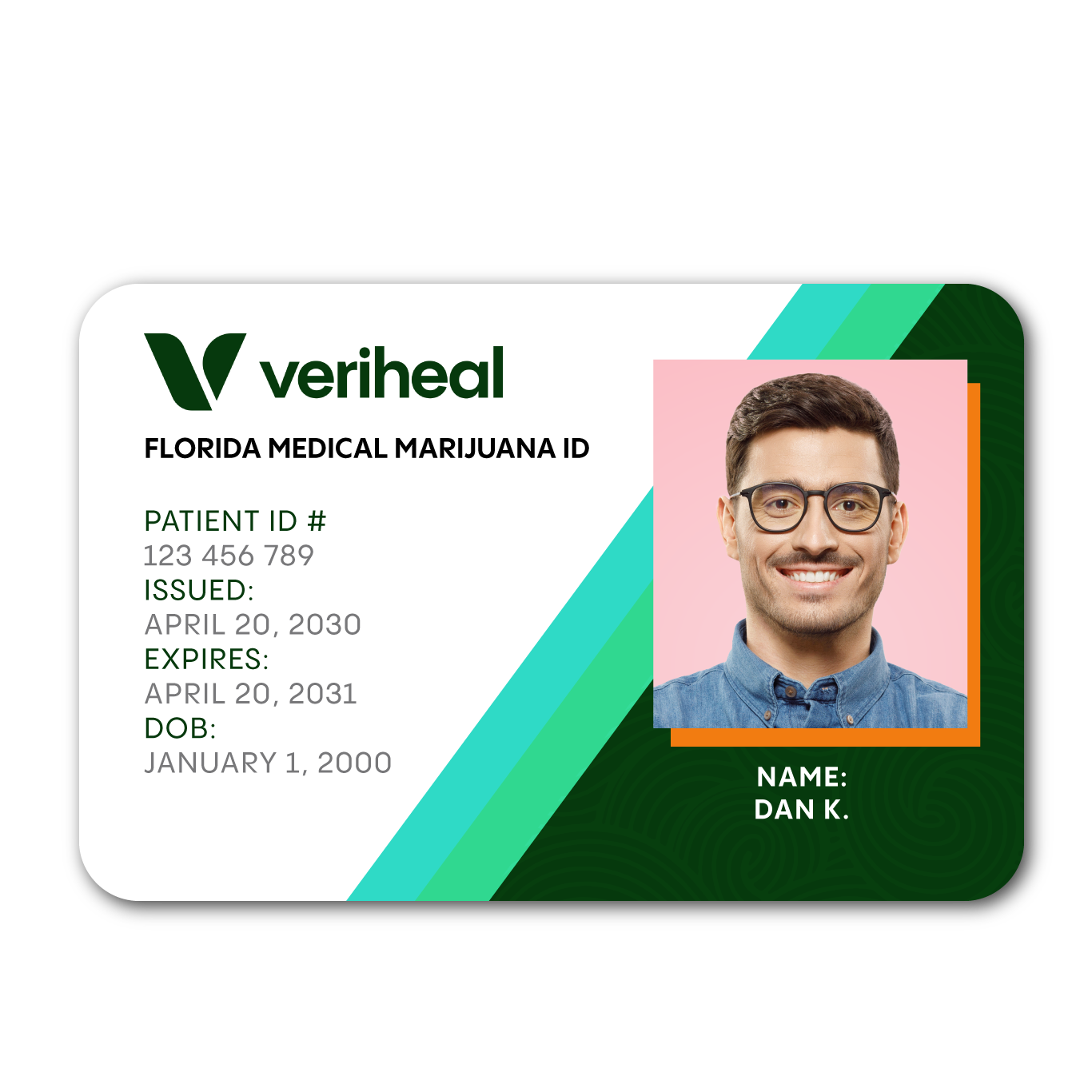
- Traveling within Florida with Medical Marijuana: If you are traveling within Florida as a cardholder, it is strongly advised to keep your medical marijuana in its original packaging from the dispensary with the product label clearly visible. Additionally, always have your physical medical marijuana card readily available to present to law enforcement if requested. This helps demonstrate legal possession and adherence to state regulations.
Understanding these benefits and crucial considerations ensures that Florida medical marijuana cardholders, particularly those with a passion for travel and exploration, can navigate their responsibilities safely and legally within the state’s vibrant landscape. Adherence to these guidelines not only protects the individual but also supports the integrity of Florida’s medical marijuana program.
LifeOutOfTheBox is a participant in the Amazon Services LLC Associates Program, an affiliate advertising program designed to provide a means for sites to earn advertising fees by advertising and linking to Amazon.com. Amazon, the Amazon logo, AmazonSupply, and the AmazonSupply logo are trademarks of Amazon.com, Inc. or its affiliates. As an Amazon Associate we earn affiliate commissions from qualifying purchases.