
Colorado, a state renowned for its breathtaking mountain landscapes, vibrant cities, and thriving tourism sector, also offers a unique pathway for individuals seeking medical access to cannabis. The concept of a Medical Marijuana (MMJ) card might seem a world away from the typical travel planning or accommodation searches on a site like ours. However, understanding the requirements for obtaining an MMJ card in Colorado is essential for residents and long-term visitors who may have qualifying medical conditions. This guide will navigate you through the process, ensuring you have the necessary information to obtain your Colorado MMJ card, making your experience in the Centennial State as comfortable and informed as possible.
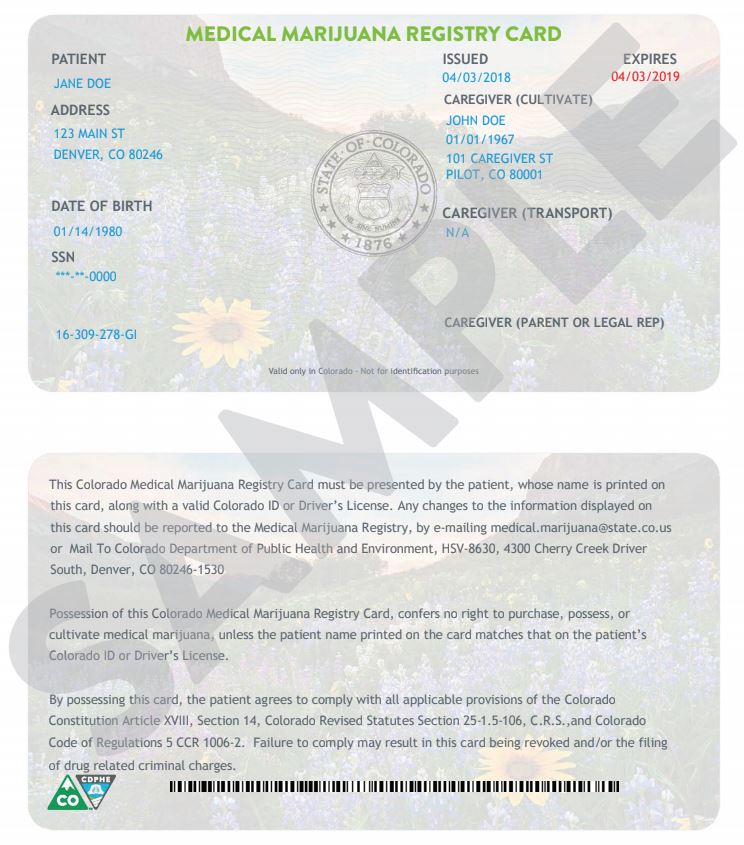
Our website typically focuses on enriching your travel experiences, from discovering hidden gems in Aspen to finding the perfect resort in Vail, and delving into the local culture of Denver. Yet, for those residing in or planning an extended stay in Colorado, understanding the medical marijuana program is a vital aspect of local lifestyle and healthcare access. This isn’t about recreational cannabis dispensaries, which are readily accessible to adults over 21. Instead, this guide focuses on the medical pathway, which often involves different regulations, product quality standards, and patient protections.
Understanding the Colorado Medical Marijuana Program
The Colorado Medical Marijuana Program (MMP), overseen by the Colorado Department of Public Health and Environment (CDPHE), aims to provide qualifying patients with safe and legal access to marijuana for therapeutic purposes. Unlike recreational marijuana, which is available to anyone 21 years of age or older, the medical program is designed for individuals with specific, debilitating health conditions who have received a recommendation from a physician. This program is rooted in the belief that cannabis can offer significant relief for a range of ailments, from chronic pain and nausea to epilepsy and multiple sclerosis.
The program operates under strict guidelines to ensure patient safety and prevent diversion. Patients registered in the MMP are permitted to possess a certain amount of medical marijuana and can purchase it from licensed medical dispensaries. The process of obtaining a card involves several key steps, and it’s crucial to follow each one meticulously. For residents, this can be a straightforward process, while for those considering a long-term stay, understanding the residency requirements is paramount.
Key Components of the Colorado MMJ Program:
- Qualifying Conditions: The state maintains a list of debilitating medical conditions for which medical marijuana may be recommended. This list is periodically reviewed and updated.
- Physician Recommendation: A cornerstone of the program is the requirement for a recommendation from a licensed physician in Colorado. This is not a prescription in the traditional sense but rather a physician’s professional opinion that the patient would benefit from medical marijuana.
- Registration: Approved patients must register with the state’s MMP to receive their official medical marijuana registry identification card.
- Dispensaries: Medical marijuana can only be purchased from licensed medical marijuana dispensaries, which are held to high standards of product testing and patient care.
For travelers who might be visiting Colorado for an extended period, perhaps to explore destinations like the Rocky Mountains or to enjoy the hospitality of hotels such as the Ritz-Carlton, Denver, understanding the nuances of medical marijuana access is key to informed travel choices. While our focus is typically on the tourist experience, we recognize that healthcare needs can arise, and knowing these options is part of a comprehensive understanding of living or staying in a place.
Steps to Obtain Your Colorado Medical Marijuana Card
Embarking on the journey to obtain a Colorado Medical Marijuana (MMJ) card involves a structured process that prioritizes patient health and regulatory compliance. It’s not as simple as walking into a store; it requires a genuine medical need, professional endorsement, and state registration. This section breaks down the essential steps, guiding you through each stage with clarity.
1. Determine Your Eligibility and Qualifying Conditions
The first and most crucial step is to ascertain if your medical condition qualifies you for the Colorado Medical Marijuana Program (MMP). The state has a defined list of debilitating medical conditions. These typically include, but are not limited to:
- Cancer
- Glaucoma
- Persistent muscle spasms or seizures (such as those characteristic of epilepsy)
- Severe pain
- Severe nausea
- Post-traumatic stress disorder (PTSD)
- Autism spectrum disorder
- Cachexia (wasting syndrome)
- And others as defined by the CDPHE.
It is essential to consult the official Colorado Department of Public Health and Environment (CDPHE) website for the most up-to-date and comprehensive list of qualifying conditions. Your condition must be diagnosed and documented by a healthcare professional. If you are uncertain whether your specific ailment is listed, discussing it with your physician is the best course of action.
2. Secure a Physician’s Recommendation
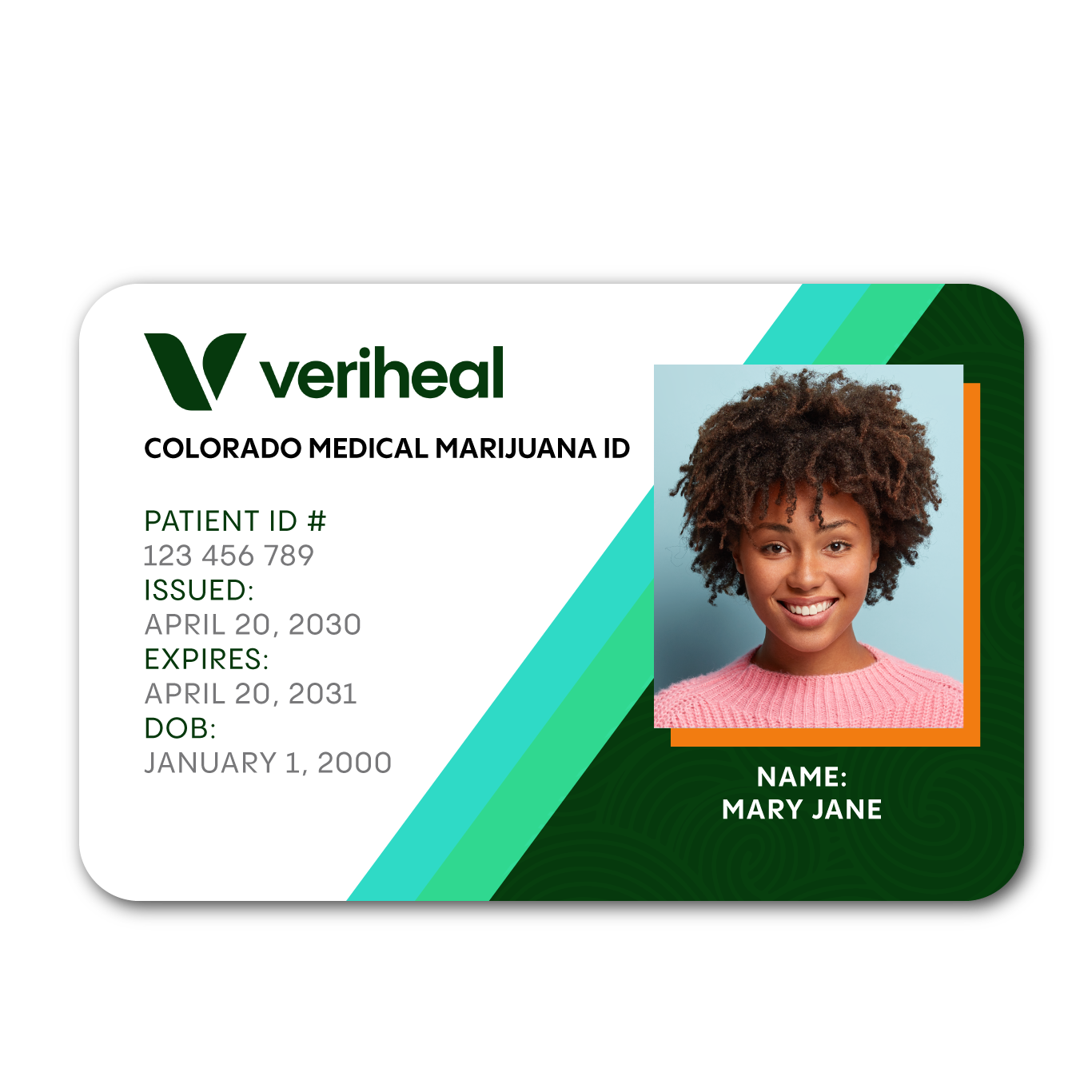
Once you have confirmed that your condition is on the qualifying list, the next pivotal step is to obtain a written recommendation from a physician licensed to practice in Colorado. This physician must be legally able to recommend medical marijuana. Not all doctors are comfortable or legally permitted to do so.
- Finding a Physician: You may need to seek out physicians who specialize in treating patients with chronic conditions or those who are known to recommend medical marijuana. Some clinics specifically cater to this purpose.
- The Consultation: During your appointment, you will need to discuss your medical history, symptoms, and how your condition impacts your daily life. Be prepared to provide any relevant medical records or documentation that supports your diagnosis. The physician will then assess whether medical marijuana is a medically appropriate treatment option for you.
- The Recommendation Form: If the physician determines that you would benefit from medical marijuana, they will provide you with a signed and dated written medical marijuana recommendation. This document is a critical piece of evidence for your application and must contain specific information as required by the state. Ensure it includes your name, date of birth, the physician’s name, address, license number, and their signature. It should also clearly state that you have a debilitating medical condition and that marijuana may provide relief.
This recommendation is not a prescription but a professional opinion. The physician is not prescribing a specific dosage or strain, but rather indicating that medical marijuana is a viable treatment avenue for your condition.
3. Register with the Colorado Medical Marijuana Program
With your physician’s recommendation in hand, you can now proceed to register with the Colorado Medical Marijuana Program (MMP). This is a state-level registration process that formalizes your access and provides you with your official registry identification card.
- Application Submission: You will need to submit an application to the CDPHE. This typically involves completing an application form, providing a copy of your physician’s recommendation, proof of identity (such as a driver’s license or state ID), and proof of Colorado residency. For residents, this might include utility bills, a lease agreement, or a voter registration card.
- Application Fees: Be prepared to pay an application fee. The exact amount can vary, so it’s best to check the official CDPHE website for current fee structures.
- Online or Mail-in Submission: The CDPHE may offer online application portals or require submissions via mail. Follow the specific instructions provided by the department to ensure your application is processed correctly.
- Processing Time: Once submitted, your application will be reviewed by the CDPHE. The processing time can vary, but it typically takes a few weeks. If your application is approved, you will be issued a Colorado Medical Marijuana Registry Identification Card.
This card serves as your official documentation allowing you to legally purchase and possess medical marijuana in Colorado, subject to state regulations regarding quantities and authorized locations. It is crucial to carry this card with you whenever you are in possession of medical marijuana.
Understanding Your Rights and Responsibilities as a Medical Marijuana Patient
Possessing a Colorado Medical Marijuana (MMJ) card grants you specific rights but also comes with a set of responsibilities that are crucial to understand. Adhering to these guidelines ensures you can utilize your MMJ card legally and safely, whether you are a long-term resident enjoying the lifestyle and local attractions of cities like Boulder or a visitor seeking medical relief during an extended stay.
Patient Rights and Privileges
As a registered patient in the Colorado Medical Marijuana Program (MMP), you are afforded several privileges designed to ensure access to your treatment:
- Legal Possession: You are permitted to possess up to two ounces of usable marijuana. This is a higher quantity than what is generally allowed for recreational use for individuals under 21.
- Purchase from Medical Dispensaries: You can purchase marijuana from licensed medical dispensaries, which often provide a wider range of strains and products specifically curated for medical use. These dispensaries are regulated to ensure product quality and safety.
- Cultivation (with limitations): Under certain circumstances and with proper registration, patients may be allowed to cultivate a limited number of marijuana plants for personal medical use. This requires adherence to strict state and local regulations regarding the number of plants and the security of the cultivation site.
- Affirmative Defense: The MMJ card provides an affirmative defense against state criminal charges for possession and use of marijuana, provided you are complying with all program rules.
For those who may be considering extended stays or even relocating to Colorado to be closer to specialized medical care, understanding these rights is fundamental. It allows for a more informed lifestyle, whether you’re looking for serene accommodation in a mountain town or engaging with the vibrant tourism scene in Colorado Springs.
Patient Responsibilities and Regulations
While your MMJ card offers significant benefits, it is imperative to be aware of and comply with all associated regulations. Failure to do so can result in legal penalties.
- Public Consumption: It is illegal to consume marijuana in public places, including parks, sidewalks, and public transportation. This applies to both recreational and medical marijuana. Violations can lead to fines and other penalties.
- Driving Under the Influence: Driving under the influence of marijuana is strictly prohibited and is a serious offense. Law enforcement uses various methods to detect impairment, and the legal limits for THC in the bloodstream are stringent.
- Possession Limits: Always adhere to the legal possession limits. Possessing more than two ounces of usable marijuana without proper authorization can lead to legal trouble.
- Transportation: Transporting marijuana across state lines is illegal, even if you are traveling from Colorado to another state where marijuana may be legal recreationally or medically.
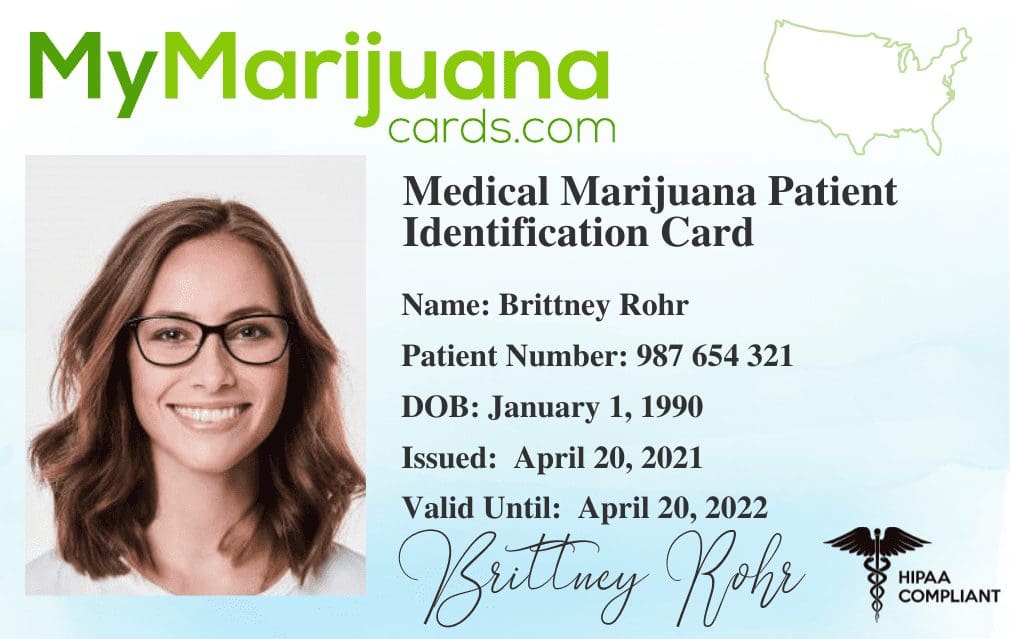
- Dispensary Etiquette: When visiting a medical dispensary, always present your MMJ card and valid identification. Be respectful of the staff and follow their guidance regarding product selection and purchase limits.
- Residency Requirements: To maintain your MMJ card, you must maintain Colorado residency. If you move out of state, your card will no longer be valid. This is a critical point for individuals who might be using the MMJ program as part of a longer-term lifestyle choice in the state, perhaps while enjoying the natural beauty of places like Great Sand Dunes National Park.
By diligently understanding and respecting these rights and responsibilities, you can ensure a safe and legal experience with medical marijuana in Colorado. This knowledge empowers you to fully benefit from the program while avoiding potential pitfalls, contributing to a more informed and enjoyable stay or residency in the state. Whether your interests lie in exploring the historic architecture of Denver or finding the perfect family-friendly accommodation, knowing these regulations is part of the complete picture of living and traveling in Colorado.