
Colorado, a state renowned for its breathtaking natural beauty, from the majestic peaks of the Rocky Mountains to the vibrant culture of Denver, has also become a pioneer in both recreational and medicinal cannabis. For residents and qualified patients seeking therapeutic benefits, obtaining a medicinal cannabis card in Colorado is a straightforward process, designed to ensure safe and regulated access. This guide will walk you through each step, from understanding the eligibility requirements to completing your application, ensuring you can navigate the system with ease and confidence. Whether you’re a long-time resident or new to the Centennial State, securing your medicinal card opens the door to a world of carefully cultivated and tested cannabis products.
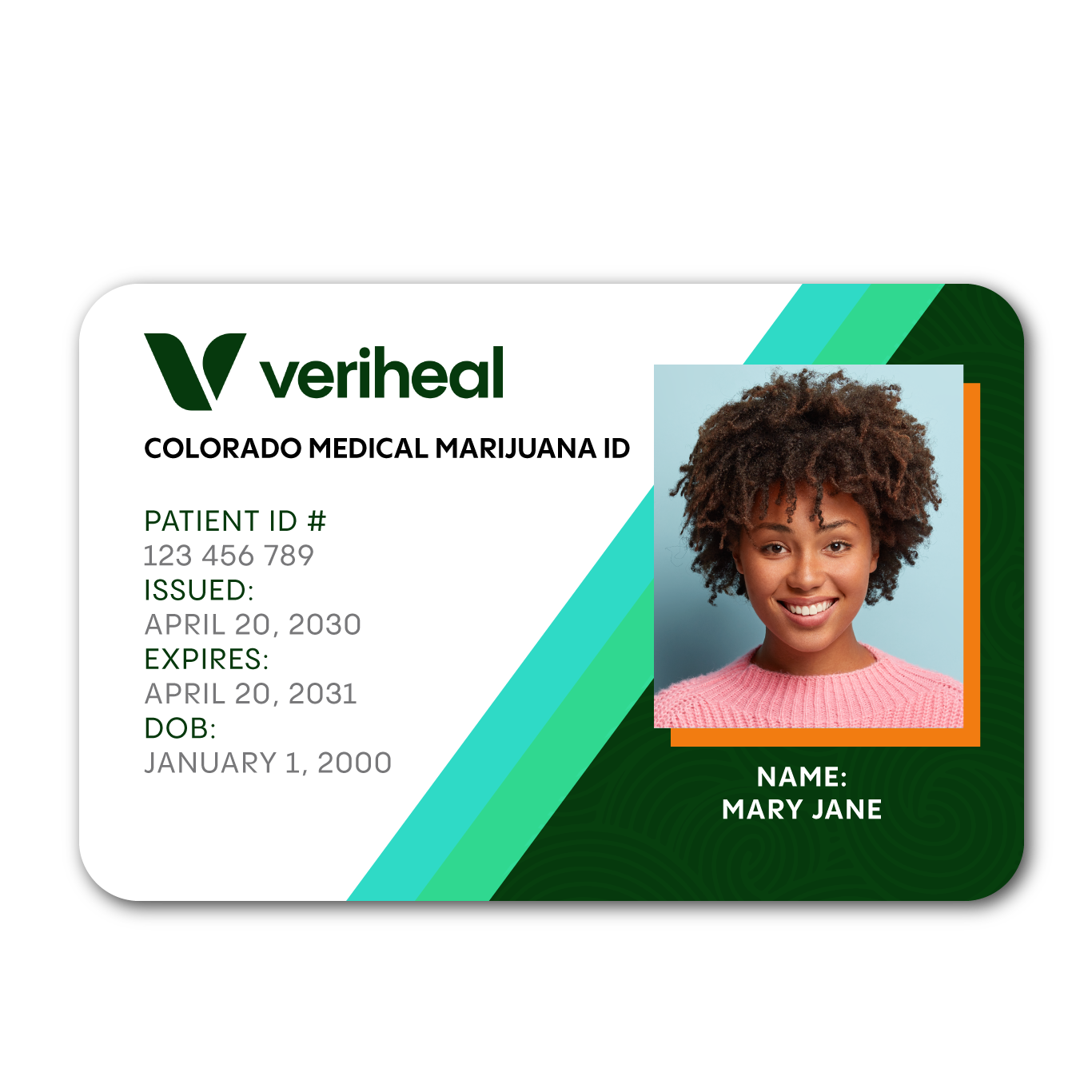
Understanding the Colorado Medical Marijuana Program
The Colorado Medical Marijuana Program (MMP) was established to provide patients with serious or debilitating medical conditions with access to marijuana for therapeutic purposes. This program is overseen by the Colorado Department of Public Health and Environment (CDPHE), which regulates the licensing of patients, caregivers, and medical marijuana centers. The MMP aims to ensure product safety, prevent diversion, and protect public health and safety while allowing patients to benefit from medical cannabis. It’s important to understand that this program is distinct from the state’s recreational marijuana market, with specific rules and regulations governing medicinal use.
Eligibility Criteria for Medicinal Cannabis in Colorado
To be eligible for a medicinal cannabis card in Colorado, you must meet specific criteria. Primarily, you need to be a resident of Colorado, which means you must provide proof of residency, such as a Colorado driver’s license or state identification card. You must also have been diagnosed with a qualifying medical condition by a licensed physician. The state maintains a list of recognized qualifying conditions, which can be updated periodically. Common conditions that may qualify include, but are not limited to, cancer, glaucoma, HIV/AIDS, severe pain, persistent muscle spasms, epilepsy, cachexia (wasting syndrome), and PTSD. It is crucial to consult with a healthcare provider who is knowledgeable about medical cannabis to determine if your condition meets the state’s requirements.
The Role of a Physician’s Certification
The cornerstone of your application is obtaining a physician’s certification. This involves scheduling an appointment with a licensed physician in Colorado who is registered with the Medical Marijuana Registry. During your appointment, you will discuss your medical history and symptoms. If the physician determines that medical cannabis is an appropriate treatment for your condition, they will issue a certification. This certification is a vital document that will be submitted as part of your application. It’s important to choose a physician who is genuinely invested in exploring all treatment options, including medical cannabis, and can provide a thorough assessment. Some physicians specialize in medical cannabis evaluations, and their expertise can be invaluable.
Qualifying Medical Conditions
The list of qualifying medical conditions for the Colorado Medical Marijuana Program is comprehensive, reflecting the diverse therapeutic applications of cannabis. While the exact list is subject to change, some of the most commonly recognized conditions include:
- Cancer: For managing pain, nausea, and appetite loss associated with cancer and its treatments.
- Glaucoma: To reduce intraocular pressure.
- HIV/AIDS: To help manage symptoms like nausea, appetite loss, and pain.
- Chronic Severe Pain: For individuals experiencing debilitating pain that has not responded to other treatments.
- Persistent Muscle Spasms: Including those associated with conditions like multiple sclerosis.
- Epilepsy and Seizure Disorders: To help control seizure activity.
- Cachexia (Wasting Syndrome): To stimulate appetite and improve nutrient absorption.
- Post-Traumatic Stress Disorder (PTSD): For patients whose PTSD symptoms significantly impact their daily life and have not responded to conventional therapies.
- Other Debilitating Medical Conditions: The program allows for the addition of other conditions that a physician deems debilitating and for which medical cannabis may provide relief.
It is essential to have medical documentation supporting your diagnosis of a qualifying condition. This documentation can help your physician make an informed decision and strengthen your application.
The Application Process: From Physician to Cardholder
Once you have your physician’s certification, the next phase involves completing the official application. This process is managed online by the Colorado Department of Public Health and Environment. Understanding each step of the online portal and ensuring all required documentation is accurate and complete will streamline your journey to becoming a registered patient.
Navigating the Online Application Portal
The Colorado Department of Public Health and Environment’s Medical Marijuana Registry website is your portal for submitting your application. You will need to create an account or log in if you are a returning applicant. The online system guides you through filling out the necessary forms, including your personal information, physician’s details, and information about your qualifying condition. You will also upload supporting documents. It is crucial to fill out all fields accurately to avoid delays. Double-checking all entered information before submission is highly recommended. The system is designed to be user-friendly, but if you encounter any technical difficulties, the CDPHE provides contact information for support.
Required Documentation Checklist
To ensure a smooth application process, gather all necessary documents beforehand. Here’s a checklist of what you’ll typically need:
- Proof of Colorado Residency: A copy of your valid Colorado driver’s license or state identification card. A utility bill with your name and address may also be accepted if your ID does not reflect your current Colorado address.
- Physician’s Certification: The completed and signed certification form from your licensed Colorado physician. Ensure it is current and clearly states your qualifying condition.
- Patient Information: Accurate personal details, including your full name, date of birth, address, and contact information.
- Application Fee: Be prepared to pay the required application fee. Accepted payment methods will be detailed on the application portal.
- Caregiver Information (if applicable): If you designate a caregiver to purchase or cultivate marijuana on your behalf, you will need their information and potentially their consent as well.
Having all these documents ready before you start the online application will save you time and prevent potential errors.
Submission and Waiting Period
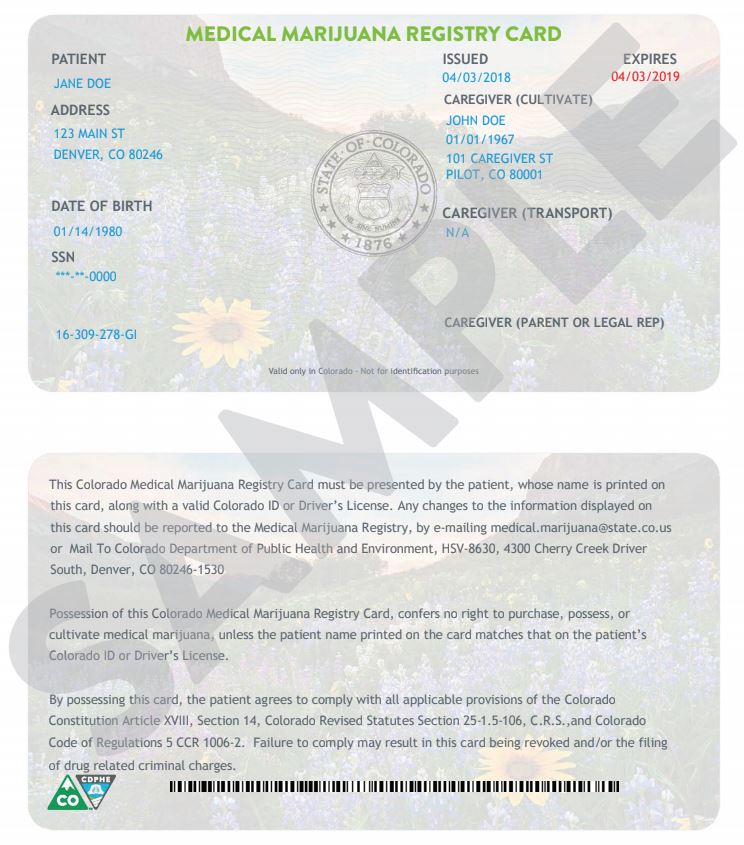
After completing the online application and uploading all required documents, you will submit your application for review. The Colorado Department of Public Health and Environment will then process your application. The typical waiting period for approval can vary, but it generally takes a few weeks. You will be notified via email or mail regarding the status of your application. If your application is approved, you will receive your official Medical Marijuana Registry Identification Card. If there are any issues or missing information, you will be contacted with instructions on how to rectify them. Patience is key during this waiting period, and you can often check the status of your application through the online portal.
Life as a Medical Marijuana Patient in Colorado
Once you have your medicinal cannabis card, you gain access to specific rights and benefits within Colorado’s regulated system. This includes purchasing from licensed dispensaries and understanding the rules around possession and cultivation. Embracing this role responsibly ensures you can utilize medical cannabis safely and legally.
Purchasing from Licensed Medical Marijuana Centers
Registered patients with a valid medicinal card have the privilege of purchasing marijuana from licensed Medical Marijuana Centers (MMCs) across Colorado. These centers are strictly regulated and are distinct from recreational dispensaries, although some locations may operate as both. At an MMC, you will find a wider variety of strains, products, and dosage forms specifically intended for medicinal use. Budtenders at these facilities are often knowledgeable about the therapeutic properties of different cannabis products and can offer guidance tailored to your specific condition and needs. It’s essential to always present your medicinal card at the point of sale. Remember that there are limits on how much you can purchase at one time, as dictated by state law.
Possession Limits and Cultivation Rights
As a registered medical marijuana patient in Colorado, you are entitled to certain possession limits and cultivation rights that differ from recreational users. Generally, patients can possess up to two ounces of usable marijuana. Furthermore, if you are over 21 years of age, you may also be permitted to cultivate a limited number of marijuana plants for personal medical use, typically up to six plants, with no more than three of them being mature. However, there are specific rules regarding where these plants can be grown, often requiring them to be in a secure, enclosed space that is not visible to the public. It is crucial to familiarize yourself with the most current regulations regarding possession and cultivation, as these laws can be subject to change and vary depending on local ordinances. Always ensure your cultivation activities comply fully with state and local laws to avoid legal repercussions.
Traveling with Your Medicinal Card and Cannabis
Traveling with your Colorado medicinal card and cannabis requires careful consideration, as cannabis remains illegal under federal law. While your card grants you the right to possess and use marijuana within Colorado, it does not provide protection when crossing state lines. It is strictly advised not to transport marijuana across state borders, even to other states where it may be legal recreationally or medically. Furthermore, federal property, including national parks, airports, and certain federal buildings, is subject to federal law, where marijuana is prohibited. Always be aware of your surroundings and local regulations when traveling. If you are staying in a hotel, such as the luxurious Ritz-Carlton, Denver, or a budget-friendly option, it’s wise to check their specific policies regarding cannabis use, as many establishments prohibit smoking or vaping on their premises. Respecting these rules ensures a pleasant and lawful experience.
The journey to obtaining a medicinal cannabis card in Colorado is a structured yet accessible process. By understanding the eligibility requirements, carefully preparing your documentation, and navigating the online application with diligence, you can successfully gain access to the therapeutic benefits of medical marijuana. Colorado’s commitment to a regulated and safe program ensures that patients receive the care they need. Whether you’re exploring the vibrant city life of Boulder or enjoying a serene retreat in Aspen, your medicinal card opens up another avenue for health and well-being within the state. Always stay informed about any updates to the program’s regulations to ensure continued compliance and to maximize the benefits available to you as a registered patient.
LifeOutOfTheBox is a participant in the Amazon Services LLC Associates Program, an affiliate advertising program designed to provide a means for sites to earn advertising fees by advertising and linking to Amazon.com. Amazon, the Amazon logo, AmazonSupply, and the AmazonSupply logo are trademarks of Amazon.com, Inc. or its affiliates. As an Amazon Associate we earn affiliate commissions from qualifying purchases.