
The allure of the open road, the wind in your face, and the unparalleled freedom of two wheels is a dream for many. For those seeking to experience the breathtaking beauty of the Golden State from a unique perspective, getting a motorcycle license in California is the first exciting step. Whether you envision cruising along the iconic Pacific Coast Highway, winding through the majestic forests of Yosemite National Park, or exploring the vast deserts near Joshua Tree National Park, a motorcycle offers an unparalleled sense of adventure. This comprehensive guide will walk you through everything you need to know to navigate the process, from eligibility to earning your Class M1 endorsement, ensuring you’re well-prepared for the journey ahead.

The Open Road Awaits: Why Get Your Motorcycle License in California?
California is not just a state; it’s a destination. Known for its incredible diversity in landscapes, vibrant cities, and a culture that celebrates freedom and exploration, it’s a paradise for motorcyclists. Obtaining your motorcycle license here isn’t just about gaining a new skill; it’s about unlocking a new way to experience travel, tourism, and lifestyle that few other modes of transport can offer.
Exploring California’s Diverse Landscapes
Imagine starting your day with a ride through the misty redwood forests of Northern California, then heading south to soak up the sun on the beaches of San Diego. In between, you could tackle the challenging mountain passes of the Sierra Nevada range, take a leisurely tour through the vineyards of Napa Valley or Sonoma Valley, or discover hidden gems in the sprawling desert landscapes of Death Valley National Park. A motorcycle provides the intimacy of being truly immersed in these environments, feeling the temperature changes, smelling the fresh pines, and hearing the roar of the ocean as you trace its edges. This form of travel allows for spontaneous detours to charming small towns, roadside attractions, and picturesque viewpoints that might be missed in a car. From the bustling urban jungles of Los Angeles and San Francisco to the serene shores of Lake Tahoe, the Golden State offers an endless tapestry of sights, sounds, and experiences for the intrepid rider.
A Unique Way to Experience the Golden State
Beyond the stunning scenery, motorcycling in California is a lifestyle choice. It embodies a sense of adventure, self-reliance, and connection with the road. For many, it’s a form of meditation, a way to clear the mind and focus on the present moment. This unique mode of transport also opens up opportunities for specific types of tourism. Motorcycle rallies, scenic tours, and specialized accommodation catering to riders are all part of the vibrant motorcycle culture. Whether you’re into luxury travel, exploring boutique hotels along scenic routes, or prefer budget travel by camping under the stars, your motorcycle becomes your key to tailored experiences. The freedom to pack light and go where the road takes you, unencumbered by rigid schedules, truly defines the appeal of two-wheeled exploration in this magnificent state. It transforms a simple trip into an unforgettable journey, making every mile a story waiting to be told.
Eligibility and Prerequisites: Laying the Foundation
Before you can even dream of hitting the open road on a motorcycle, there are a few fundamental requirements set by the California Department of Motor Vehicles (DMV) that you must meet. These are designed to ensure that every prospective rider has a basic level of maturity and a foundational understanding of road rules before proceeding to more specialized motorcycle training.
Age and Driver’s License Requirements
The primary requirement for obtaining a Class M1 motorcycle license in California revolves around your age and existing driving privileges.
- 18 years or older: If you are 18 years of age or older, the process is relatively straightforward. You will need to obtain a motorcycle permit first, which requires passing a written knowledge test and a vision exam at the DMV. Once you have your permit, you must hold it for a minimum of six months before you can apply for your full M1 license. During this permit phase, there are restrictions, such as not being able to ride a motorcycle at night, carry passengers, or ride on freeways.
- Under 18 years old: For individuals between 16 and 17 ½ years of age, the requirements are more stringent, emphasizing safety and comprehensive training. In addition to passing the written knowledge test and vision exam for a permit, you must:
- Complete a driver education course and hold a provisional driver’s license for at least six months.
- Complete an approved motorcycle rider training course, such as the California Motorcycle Safety Program (CMSP) Motorcyclist Training Course (MTC). This course is mandatory for minors and waives the DMV motorcycle skills test.
- Hold your provisional motorcycle permit for a minimum of six months.
These additional steps for younger riders underscore the state’s commitment to ensuring new motorcyclists are well-prepared and responsible on the road.
Establishing California Residency
For those moving to California or considering a longer stay, establishing residency might become a factor, especially if you plan to obtain your motorcycle license here. While visitors with valid out-of-state or international motorcycle licenses can generally ride in California for tourism purposes, if you intend to become a resident, you’ll eventually need to transfer your license or apply for a new one. The DMV defines residency in various ways, typically involving the intention to live in California, establishing an address, registering to vote, or gaining employment in the state. If you already hold a valid motorcycle license from another state, you might be able to transfer it to a California license with fewer steps, though a knowledge test might still be required. For international visitors, the process might involve demonstrating a permanent residency status or a long-term visa before being eligible to apply for a California license, including the motorcycle endorsement. It’s always advisable to check the most current DMV guidelines for specific residency requirements and documentation.
The Path to Your Provisional Permit: Knowledge and Vision
With the prerequisites in mind, the next crucial step on your journey to a California motorcycle license is obtaining your provisional permit. This phase focuses on ensuring you have the theoretical knowledge and physical capability to safely operate a motorcycle, even before you get on one.
Preparing for the DMV Knowledge Test
The motorcycle knowledge test administered by the DMV is designed to assess your understanding of traffic laws specific to motorcycles, safe riding practices, and general road rules. It’s a multiple-choice exam, and while it might seem daunting, thorough preparation can ensure success.
- Study the California Motorcycle Handbook: This is your primary resource. The handbook covers everything from basic motorcycle operation and defensive riding strategies to specific laws and road signs. Pay close attention to sections on lane positioning, hazard perception, passenger rules, and specific motorcycle equipment.
- Practice Tests: Numerous online resources offer practice tests that simulate the actual DMV exam. Utilizing these can help you familiarize yourself with the format and types of questions, boosting your confidence.
- Focus on Safety and Awareness: Many questions will revolve around anticipating risks, understanding blind spots, and making safe decisions in various traffic scenarios. These aren’t just for the test; they’re vital for real-world riding.
Passing this test is a testament to your commitment to safety and your readiness to understand the responsibilities that come with motorcycling.
Understanding the Vision Exam
Concurrent with the knowledge test, you will also undergo a vision exam at the DMV. This is a standard procedure for all driving licenses and ensures you have adequate vision to safely operate a vehicle.
- Acuity and Peripheral Vision: The test typically checks your visual acuity (how clearly you see) and may also assess your peripheral vision. You’ll usually be asked to read letters or numbers from a chart.
- Corrective Lenses: If you wear glasses or contact lenses, be sure to bring them to your appointment. If you pass the vision test with corrective lenses, this restriction will be noted on your permit and subsequent license, meaning you must wear them whenever you ride.
- Color Vision: While not always a specific test, having adequate color vision is important for distinguishing traffic signals and road signs.
Ensuring good vision is paramount for motorcyclists, as their ability to react quickly to changing road conditions and potential hazards heavily relies on what they can see. Failing the vision test would require you to get an eye examination from a licensed optometrist or ophthalmologist and potentially a report indicating your visual capabilities.
Mastering the Ride: Motorcycle Training and Skills Test
Once you’ve successfully obtained your motorcycle permit, the next phase is all about practical application: learning to ride safely and demonstrating your proficiency. California places a strong emphasis on rider training, particularly for new motorcyclists, to reduce accidents and enhance overall road safety.
The California Motorcycle Safety Program (CMSP)
The California Motorcycle Safety Program (CMSP) offers an approved Motorcyclist Training Course (MTC) that is highly recommended, and in some cases, mandatory.
- Course Structure: The MTC is typically a two-day course, usually held over a weekend, combining classroom instruction with practical, hands-on riding exercises in a controlled environment. You’ll learn fundamental skills such as starting, stopping, shifting gears, turning, obstacle avoidance, and emergency braking. Most courses provide motorcycles for training, removing the initial barrier of ownership.
- Benefits:
- Skills Test Waiver: For individuals 18 years or older, successfully completing the MTC waives the riding skills test at the DMV, making the licensing process significantly easier and less stressful.
- Mandatory for Minors: As mentioned, if you are under 18, completing the MTC is a mandatory requirement to obtain your Class M1 license.
- Insurance Discount: Many insurance companies offer discounts to riders who have completed an approved safety course, which can lead to significant savings.
- Enhanced Safety: Most importantly, the MTC equips you with critical defensive riding techniques and risk management strategies, making you a safer and more confident rider. This training extends beyond just passing a test; it instills habits that can prevent accidents and save lives on California’s diverse roads.
Investing in the CMSP MTC is not just a regulatory step; it’s a valuable investment in your safety and enjoyment of motorcycling.
What to Expect During the DMV Motorcycle Skills Test
If you are 18 or older and choose not to take the CMSP MTC (or if you are a minor who has not yet completed it), you will need to pass a motorcycle skills test at the DMV. This test evaluates your ability to control a motorcycle safely and effectively in various scenarios.
- Test Components: The skills test typically includes:
- Pre-trip Inspection: You might be asked to identify and check basic components of the motorcycle.
- Serpentine Ride: Weaving through cones at a slow speed, demonstrating balance and control.
- Circle Ride: Riding in a circle, often in both directions, to assess turning ability.
- Gear Shift Ride: Accelerating through gears and then braking smoothly.
- Quick Stop: Performing an emergency stop within a designated distance.
- Cone Weave: Navigating a more challenging cone pattern.
- Requirements: You must provide your own motorcycle for the test, which must be street-legal, registered, and insured. You also need to wear an approved helmet and appropriate riding gear.
- Preparation: Practice is key. Familiarize yourself with the exact maneuvers required by the DMV and practice them in a safe, open area. Many riders find that taking the MTC is a far less stressful and more beneficial route, given the challenging nature of the DMV skills test, which requires precision and confidence.
Final Steps and Important Considerations
After navigating the written tests and practical training, you’re almost ready to receive your Class M1 motorcycle license. However, there are a few more administrative steps and crucial considerations to keep in mind before you embark on your first grand tour of California.
Fees and Documentation
When you visit the DMV to apply for your permit and eventually your full license, you’ll need to be prepared with the necessary documentation and fees.
- Application Fee: There is an application fee for a new driver’s license or an endorsement. This fee typically covers the cost of both your permit and the final license.
- Required Documents:
- Proof of identity (e.g., U.S. birth certificate, passport, or other acceptable identity documents).
- Proof of California residency (e.g., utility bills, rental agreement, or other official documents).
- Your Social Security number.
- Proof of vehicle registration and insurance if you’re taking the skills test with your own motorcycle.
- The completion certificate from the CMSP MTC if you completed the course (this is crucial for waiving the skills test).
- Payment Methods: The DMV usually accepts cash, checks, debit cards, and sometimes credit cards. It’s always a good idea to check their website for current fees and accepted payment methods before your visit. Ensure all your documents are current and valid to avoid any delays in processing your application.
Maintaining Your License and Riding Responsibly
Once you have your Class M1 license in hand, the responsibilities of a motorcyclist truly begin. Your license will need to be renewed periodically, typically every five years, which usually involves a vision test and an updated photo. However, maintaining your license is about more than just administrative tasks; it’s about a commitment to lifelong learning and responsible riding.
- Continuing Education: Consider taking advanced rider courses even after you’ve obtained your license. These courses can refine your skills, teach you advanced techniques for challenging road conditions, and keep you sharp.
- Regular Maintenance: A well-maintained motorcycle is a safe motorcycle. Regular checks of tires, brakes, lights, and fluids are not just good practice but essential for your safety and the longevity of your bike, whether you’re commuting in San Jose or touring the coast of Big Sur.
- Awareness and Defensive Riding: Always ride defensively, assuming other drivers might not see you. Maintain safe following distances, scan the road for hazards, and be prepared to react quickly. This mindset is crucial for navigating California’s bustling freeways and winding country roads alike.
Beyond the License: Essential Gear and Safety Tips
Getting your license is merely the beginning of your motorcycling journey. To truly enjoy the freedom and experiences that motorcycling in California offers, investing in the right gear and adopting a safety-first mindset is paramount.
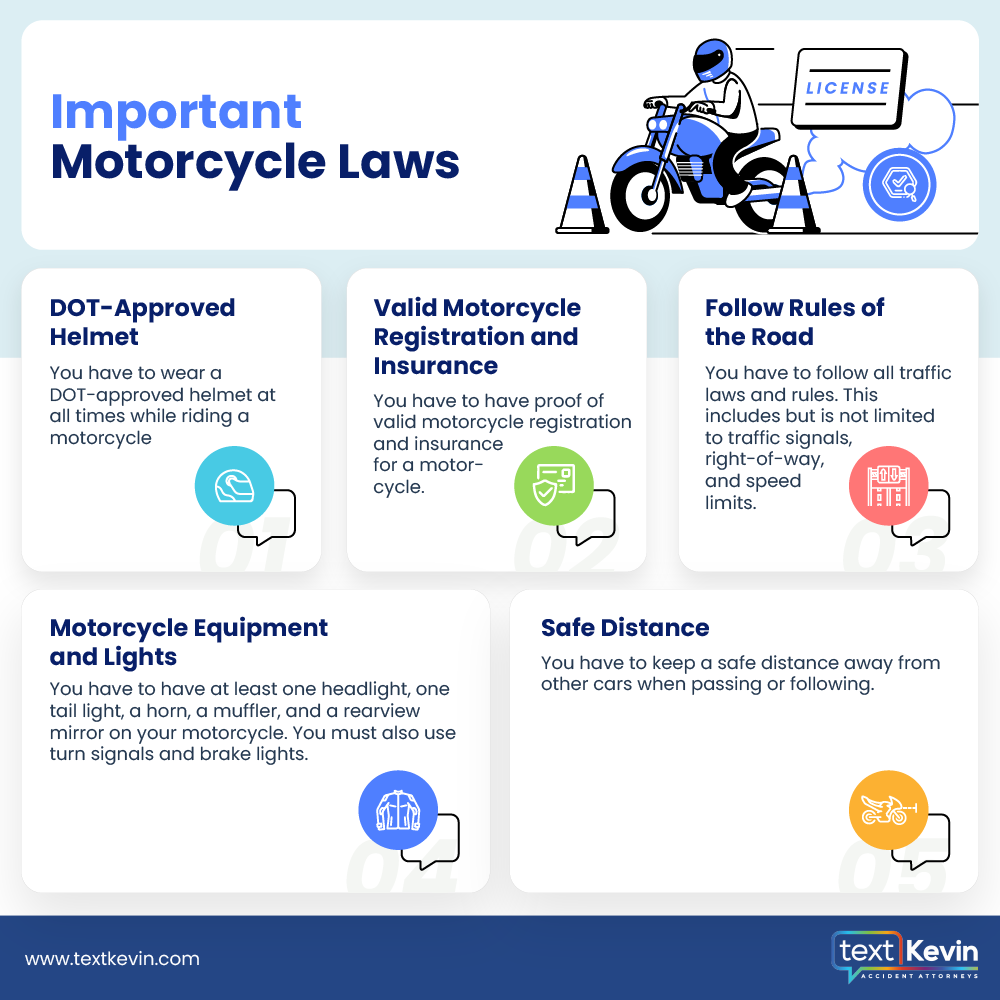
- Approved Helmet: A U.S. DOT-approved helmet is not just recommended but legally required in California. Choose a full-face helmet for maximum protection.
- Protective Clothing: Invest in a durable, abrasion-resistant jacket, riding pants, gloves, and sturdy over-the-ankle boots. Even on a hot California day, protective gear is your first line of defense against road rash and injuries. Many modern riding gear options offer excellent ventilation to keep you comfortable.
- Visibility: Wear bright colors and reflective materials, especially at night or in low-light conditions. Consider adding auxiliary lighting to your motorcycle to enhance your visibility to other motorists.
- Pre-Ride Checks: Make it a habit to perform a quick pre-ride inspection before every outing. Check your tires, controls, lights, oil, and chassis (T-CLOCS) to ensure everything is in working order.
- Stay Hydrated and Rested: Long rides can be physically and mentally demanding. Plan regular stops to rest, stretch, and hydrate, especially when exploring California’s warmer regions or covering vast distances.
- Plan Your Routes: While spontaneity is part of the appeal, having a general route planned, especially for longer trips, can enhance your experience. Consider scenic routes, plan for fuel stops, and research accommodations or camping options along the way. California offers numerous motorcycle-friendly hotels and resorts that cater to riders, often providing secure parking or specialized services.
By combining your new license with responsible habits and the right gear, you’re not just getting a license; you’re embracing a thrilling, liberating lifestyle that allows you to explore the incredible destinations, landmarks, and diverse culture of the Golden State like never before. The journey to obtaining your motorcycle license in California is an investment in adventure, safety, and a whole new perspective on travel.