
Embarking on a motorcycle journey through the diverse landscapes of California is a dream for many. From the sun-drenched beaches of Southern California to the majestic mountains of the Sierra Nevada, the Golden State offers unparalleled opportunities for two-wheeled adventure. Before you hit the open road, however, securing the proper documentation is paramount. This comprehensive guide will walk you through the essential steps of obtaining your motorcycle learner’s permit in California, ensuring a safe and legal riding experience.
The process of obtaining a motorcycle permit is managed by the California Department of Motor Vehicles (DMV). It’s a straightforward, yet detailed, procedure designed to ensure that all aspiring motorcyclists possess a foundational understanding of traffic laws, motorcycle operation, and safety principles. Whether you’re a local resident eager to explore your own backyard, or a traveler planning an extended stay to experience destinations like Death Valley National Park or the iconic Pacific Coast Highway, this permit is your first crucial step.
Understanding the Motorcycle Learner’s Permit
A motorcycle learner’s permit, often referred to as an instruction permit, is a temporary license that allows you to practice riding under specific conditions. It signifies that you have met the initial requirements and are in the process of obtaining a full motorcycle endorsement on your driver’s license. The permit is not a substitute for a full license and comes with restrictions to ensure your safety and the safety of others. These restrictions are vital to understand as you begin your riding journey, whether you plan to explore the urban vibrancy of Los Angeles or the charming coastal towns of Monterey.
Eligibility Requirements
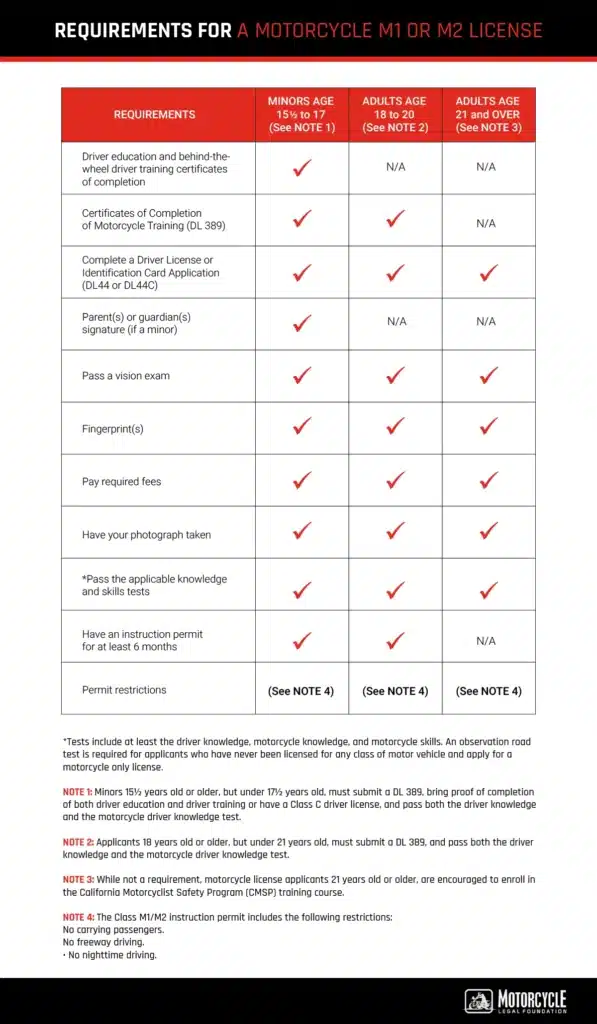
To be eligible for a motorcycle learner’s permit in California, you must meet certain age and residency criteria. Applicants under 18 years of age have a slightly different process, which we will detail further. For those 18 and older, the primary requirements revolve around proving your identity, residency, and passing the necessary tests.
For Applicants Under 18 Years Old
If you are under 18, you must complete a California Motorcycle Safety Program (CMSP) basic rider course before you can apply for a permit. This course provides essential training and hands-on instruction. You will also need to complete a Driver License or Identification Card Application, have your parents or guardians sign it, and provide proof of your birth date and legal presence in the United States. A certificate of completion from the CMSP course will be required. The goal of this enhanced process for minors is to foster a strong foundation in safe riding practices from the outset, preparing them for the responsibilities that come with operating a motorcycle.
For Applicants 18 Years and Older
For individuals 18 years and older, the path to a permit is primarily focused on demonstrating knowledge and passing vision tests. You do not need to complete a rider course to obtain the permit itself, although it is highly recommended for developing essential skills and can help you obtain your full endorsement faster. The focus here is on understanding the rules of the road and the specifics of motorcycle operation.
Required Documentation
Regardless of your age, you will need to gather specific documents before visiting a DMV office. Having these ready will expedite your application process significantly.
- Proof of Identity and Date of Birth: Accepted documents include a U.S. birth certificate, a valid U.S. passport, or a foreign passport with a valid I-94 form.
- Proof of Legal Presence: This often overlaps with proof of identity. If you are not a U.S. citizen, you’ll need documents like your Permanent Resident Card or Employment Authorization Document.
- Proof of California Residency: Two different documents are required. Examples include a utility bill, a rental agreement, or a mortgage statement in your name, showing your California address.
- Social Security Card: Your original Social Security card or a document from the Social Security Administration showing your SSN is necessary.
- Application Form: You can complete the DL 44/eDL44 online before your visit to save time at the DMV.
The Application Process: Step-by-Step
Once you have your documents in order and understand the eligibility requirements, you’re ready to begin the official application process. This involves visiting a DMV office, taking tests, and paying the required fees.

Visiting the DMV
It is highly recommended to schedule an appointment at your local California DMV office. This will save you considerable waiting time. You can do this online through the official DMV website. Arrive early for your appointment to allow time for check-in and to gather your thoughts before the tests.
Passing the Written Knowledge Test
The cornerstone of obtaining your motorcycle permit is the written knowledge test. This exam assesses your understanding of motorcycle traffic laws, safe riding practices, and hazard recognition. The test is multiple-choice and covers information found in the official California Motorcycle Handbook. Thoroughly studying this handbook is the most effective way to prepare. Pay close attention to sections on defensive riding, lane positioning, braking techniques, and the effects of alcohol and drugs on riding ability. The handbook is available for download from the DMV website. If you fail the test, you will have an opportunity to retake it after a waiting period.
Passing the Vision Test
Alongside the written test, you will be required to pass a vision screening. This test ensures that your eyesight meets the minimum requirements for safe driving and riding. You do not need to bring your own glasses or contact lenses if you need them to pass; the DMV will provide the necessary equipment. If you normally wear corrective lenses, be sure to wear them during the test.
Paying the Fees
There are fees associated with applying for a motorcycle permit. These fees cover the cost of processing your application, administering the tests, and issuing your permit. The exact amount can be found on the DMV website, but generally includes a permit fee and potentially other service charges. Payment can typically be made by cash, check, or money order.
Receiving Your Motorcycle Learner’s Permit
Upon successfully passing the written knowledge test, the vision test, and paying the required fees, you will be issued your motorcycle learner’s permit. This document will be valid for a specific period, typically 12 months. It’s essential to understand the restrictions that come with your permit.
Understanding and Adhering to Permit Restrictions
Your motorcycle learner’s permit is not a full license, and it comes with several important restrictions designed to protect you as you gain experience. Familiarizing yourself with these rules is crucial for a safe and legal riding experience. Violating these restrictions can lead to penalties, including license suspension. Whether you plan to ride through the vineyards of Napa Valley or explore the historic sites of San Francisco, obeying these rules is non-negotiable.
Key Restrictions for Permit Holders
- Daylight Riding Only: In most cases, you will be restricted to riding only during daylight hours. This means from sunrise to sunset. This restriction is in place to minimize risks associated with reduced visibility in darkness, which can be particularly challenging for new riders.
- No Passengers: You are generally prohibited from carrying any passengers on your motorcycle while you hold a learner’s permit. This allows you to focus solely on your own riding skills without the added complexity and responsibility of transporting another person.
- No Freeway or Highway Riding: Freeway and high-speed highway travel is typically not permitted. This restriction is to ensure that you gain experience in less demanding traffic conditions before venturing onto faster and more complex roadways.
- Must Be Accompanied by a Licensed Motorcycle Rider (for minors): If you are under 18 and have obtained a permit (after completing the CMSP course), you may still have restrictions regarding riding alone. It is imperative to check the specific regulations for minors. Typically, if you are under 21, you must complete the CMSP basic rider course to be eligible for a full motorcycle endorsement.
- Always Carry Your Permit: You must have your motorcycle learner’s permit with you at all times when operating a motorcycle.
Transitioning to a Full Motorcycle Endorsement
The motorcycle learner’s permit is a stepping stone to a full motorcycle endorsement. After holding your permit for the required period and gaining supervised riding experience, you can apply for your full license. For those under 21, completing the California Motorcycle Safety Program (CMSP) basic rider course is mandatory to receive your endorsement. For those 21 and older, successfully completing the CMSP course waives the requirement for the practical riding skills test at the DMV. This course not only provides valuable skills but also allows you to bypass a significant part of the licensing process.
The journey to becoming a licensed motorcycle rider in California is an exciting one. By understanding and diligently following the steps outlined above, from gathering the necessary documents to passing the tests and respecting permit restrictions, you’ll be well on your way to enjoying the freedom and adventure that motorcycle riding offers across this beautiful state. Whether your aspirations include exploring the vast deserts of Mojave National Preserve, cruising along the coast near Big Sur, or discovering hidden gems in less-traveled towns, your California motorcycle permit is the key to unlocking those experiences safely and legally. Remember, safety and responsible riding are paramount, and the permit process is designed to instill these principles from the very beginning of your riding career.
LifeOutOfTheBox is a participant in the Amazon Services LLC Associates Program, an affiliate advertising program designed to provide a means for sites to earn advertising fees by advertising and linking to Amazon.com. Amazon, the Amazon logo, AmazonSupply, and the AmazonSupply logo are trademarks of Amazon.com, Inc. or its affiliates. As an Amazon Associate we earn affiliate commissions from qualifying purchases.