
Navigating the journey to obtaining a driver’s license in California can seem like a complex process, especially for new drivers eager to gain independence on the road. At the heart of this process is the provisional driver’s license, a crucial stepping stone for individuals under 18 years of age. This license signifies that a driver has met the initial requirements and is progressing towards full driving privileges. Understanding the specific steps, eligibility criteria, and necessary preparations is key to a smooth and successful application. This guide aims to demystify the process, providing a clear roadmap for aspiring young drivers in the Golden State.
Understanding the Provisional License in California
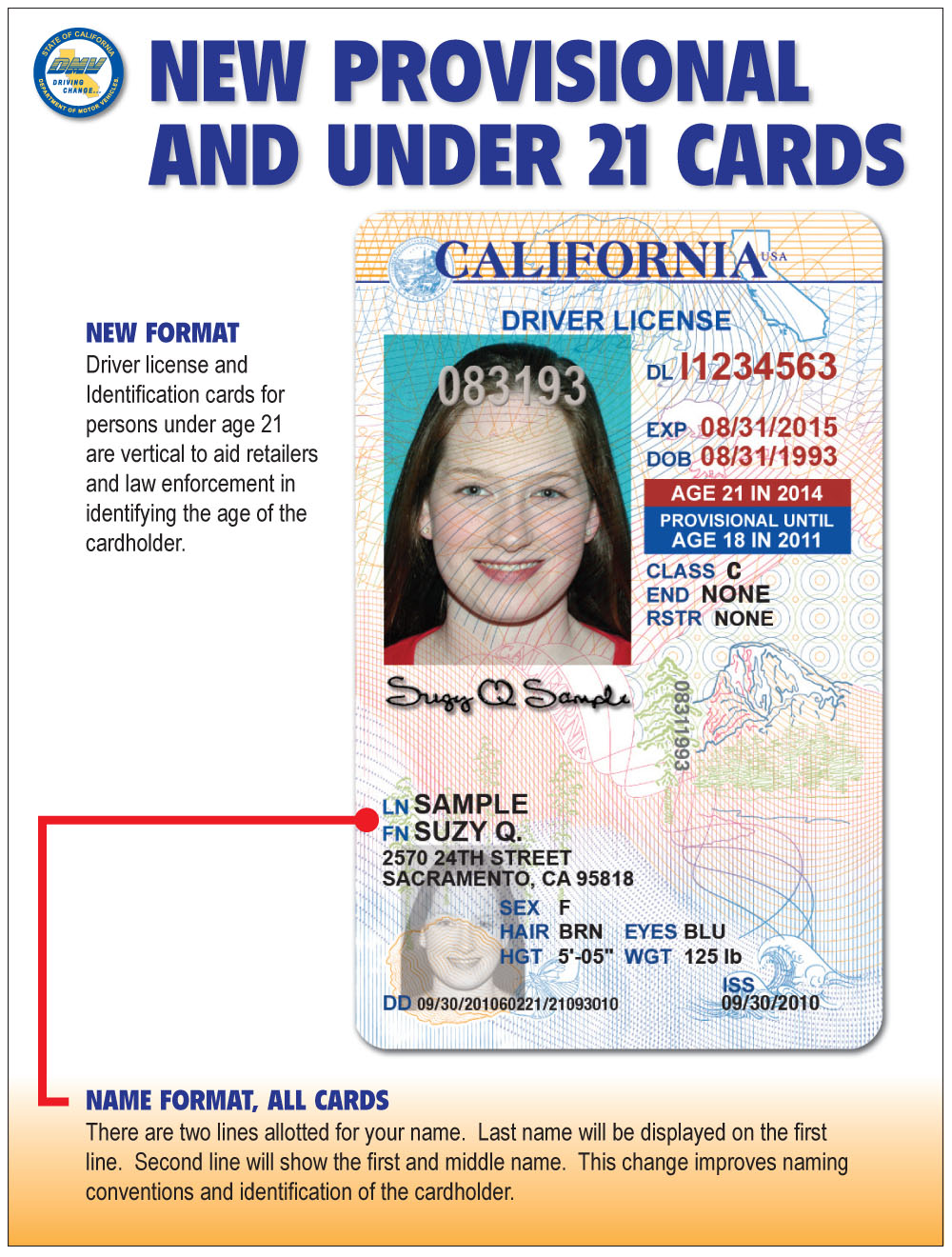
The provisional driver’s license, often referred to as a permit or instruction permit, is not a final destination but a significant phase in the licensing journey for minors. Introduced to enhance road safety and provide supervised driving experience, it imposes certain restrictions that are lifted upon reaching the age of 18 or after fulfilling specific requirements.
Eligibility Requirements
To be eligible for a provisional instruction permit in California, applicants must meet several criteria:
- Age: You must be at least 15½ years old but under 18 years of age.
- Driver Education Completion: You must have completed or be currently enrolled in an approved driver education program. This program typically covers traffic laws, safe driving practices, and the responsibilities of a driver. Proof of completion, such as a certificate, is often required.
- Parental/Guardian Consent: A parent or legal guardian must sign the application form, giving their consent for the minor to obtain a permit. This signifies their agreement to supervise the applicant’s driving practice.
- Residency: You must be a resident of California.
The Importance of Driver Education
California law mandates driver education for all applicants under 18. This is not merely a bureaucratic hurdle but a vital component of safe driving preparation. These courses, whether taken online or in a classroom setting, are designed to impart essential knowledge about:
- Traffic Laws and Regulations: Understanding the rules of the road is fundamental. This includes speed limits, right-of-way, traffic signals, and signage.
- Safe Driving Techniques: Courses cover defensive driving, hazard perception, and strategies for avoiding accidents.
- Substance Abuse and Driving: The dangers of driving under the influence of alcohol or drugs are heavily emphasized.
- Vehicle Operation: Basic understanding of how a vehicle functions and the importance of maintenance.
Successful completion of a California DMV-approved driver education program is a prerequisite for applying for the provisional instruction permit. It is advisable to start this process early, as some programs may have waiting lists or require a minimum commitment of time.
The Application Process: Step-by-Step
Securing a provisional instruction permit involves a series of distinct steps, each designed to assess your readiness and knowledge. Diligence and preparation are key to navigating this process efficiently.
Step 1: Complete a Driver Education Program
As mentioned, this is the foundational step. Ensure the program you choose is approved by the California Department of Motor Vehicles (DMV). Upon completion, you will receive a certificate that will be needed for your application.
Step 2: Gather Necessary Documents
Before heading to the local California DMV office, ensure you have all the required documentation. This typically includes:
- Proof of Identity and Date of Birth: A certified copy of your birth certificate or a U.S. passport.
- Proof of Social Security Number: Your Social Security card or a W-2 form.
- Proof of California Residency: Utility bills, rental agreements, or school records showing your address in California.
- Driver Education Certificate: The certificate of completion from your driver education program.
- Application Form DL 44: This form can be completed online prior to your visit to save time, or you can fill it out at the DMV office. It is crucial to have a parent or guardian signature on this form.
Step 3: Schedule an Appointment at the DMV
While walk-in services are sometimes available, scheduling an appointment at a California DMV office is highly recommended. Appointments ensure you are seen within a reasonable timeframe and reduce potential waiting times, making the experience more efficient. You can schedule an appointment online through the official California DMV website.
Step 4: Visit the DMV Office
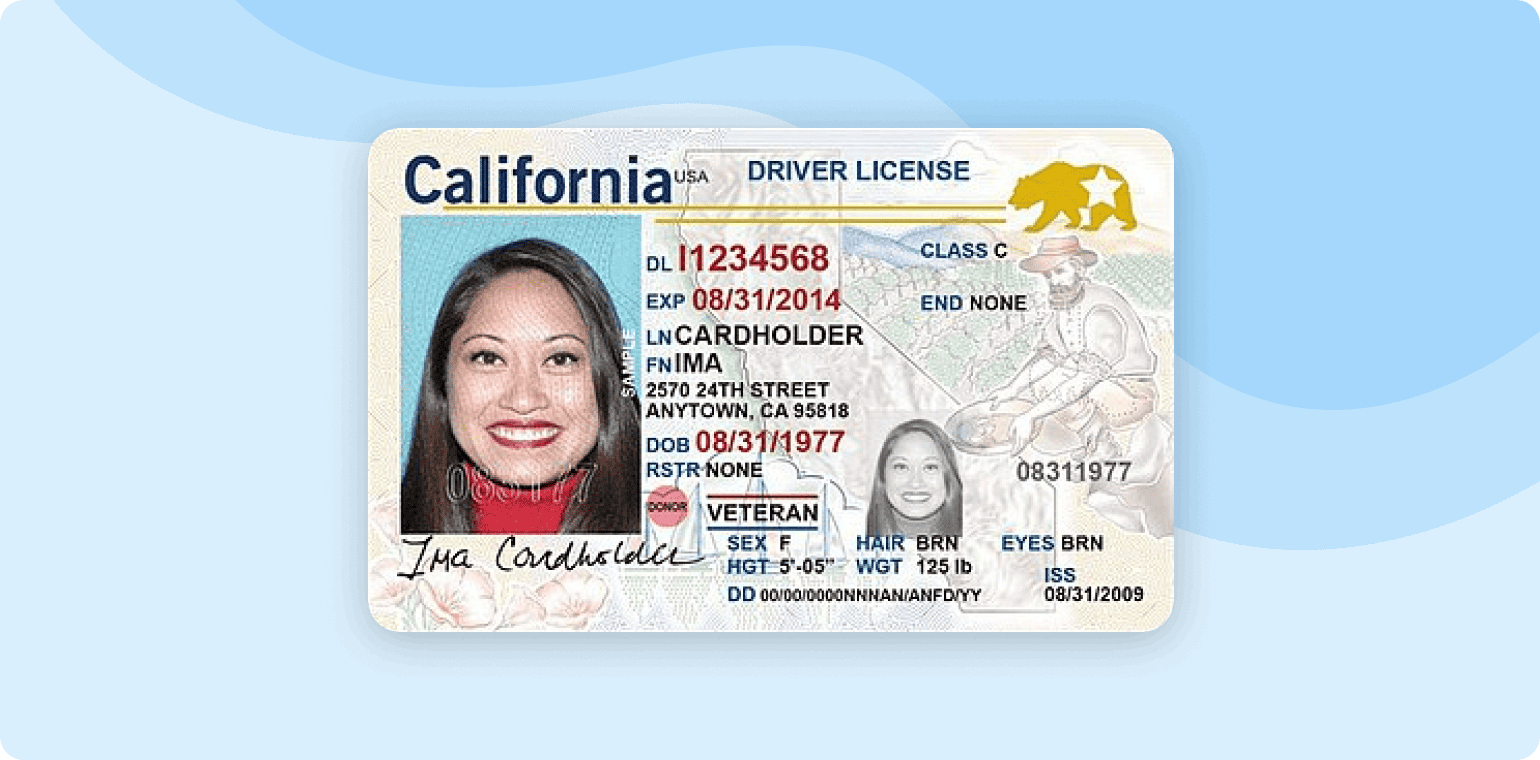
On the day of your appointment, arrive on time with all your gathered documents. At the DMV, you will:
- Submit Your Application: Present your completed DL 44 form and all supporting documents.
- Pay the Application Fee: There is a fee associated with the driver’s license application, which covers the cost of processing and testing.
- Pass a Vision Exam: You will be required to pass a vision screening to ensure you meet the minimum visual acuity standards for driving.
- Pass the Knowledge Test: This is a computerized test that assesses your understanding of traffic laws, road signs, and safe driving practices. It consists of multiple-choice questions. It is crucial to study the California Driver Handbook thoroughly to prepare for this test.
Step 5: Obtain Your Provisional Instruction Permit
Upon successfully passing the vision and knowledge tests, and after all your documentation is verified and fees are paid, you will be issued your provisional instruction permit. This permit allows you to begin your supervised driving practice.
Mastering the Knowledge Test
The knowledge test is a critical hurdle in obtaining your provisional license. It gauges your comprehension of the rules of the road, traffic signs, and safe driving principles. A thorough understanding of the material presented in the official California Driver Handbook is paramount for success.
Key Areas to Focus On
The knowledge test covers a broad range of topics. Prioritizing your study efforts will enhance your preparation. Key areas include:
- Traffic Signs and Signals: Understanding the meaning and function of various signs (warning, regulatory, guide) and signals.
- Right-of-Way Rules: Knowing who has the right to proceed in different traffic situations, such as intersections and lane changes.
- Speed Limits and Safe Driving Practices: Adhering to posted speed limits and implementing defensive driving techniques.
- DUI Laws and Consequences: Awareness of the legal implications and dangers of driving under the influence of alcohol or drugs.
- Sharing the Road: Special considerations for pedestrians, cyclists, motorcyclists, and other vulnerable road users.
- Emergency Situations: Basic knowledge of how to react in various emergency scenarios, such as tire blowouts or skidding.
Effective Study Strategies
To maximize your chances of passing the knowledge test, consider adopting these study strategies:
- Read the California Driver Handbook Thoroughly: This is the primary resource. Read it multiple times, paying close attention to details and understanding the underlying principles.
- Take Practice Tests: Many online resources and the California DMV website offer practice knowledge tests. These simulations help you identify your weak areas and familiarize you with the test format.
- Focus on Understanding, Not Memorization: While some memorization is necessary (e.g., speed limits), strive to understand the reasoning behind the rules. This deeper comprehension will help you answer questions that may be phrased differently from what you’ve seen in practice.
- Study in Chunks: Avoid cramming. Break down the material into smaller, manageable sections and study them over several days or weeks.
- Review Incorrect Answers: When taking practice tests, meticulously review any questions you answered incorrectly. Understand why the correct answer is right and the incorrect ones are wrong.
The Supervised Driving Phase
Once you have your provisional instruction permit, the real learning begins: supervised driving. This period is designed to build practical driving skills and experience in a safe, controlled environment.
Requirements for Supervised Driving
California law outlines specific requirements for supervised driving:
- Supervising Driver: You must be accompanied by a licensed California driver who is at least 25 years old and holds a valid driver’s license. This supervisor must be seated in a position where they can readily take control of the vehicle if necessary.
- Minimum Practice Hours: You are required to complete at least 50 hours of supervised driving practice. This must include a minimum of 10 hours of driving during the night.
- Documentation: You will need to keep a log of your supervised driving hours, detailing the dates, duration, and whether the driving was done during the day or night. This log will be required when you apply for your full driver’s license.
Restrictions of the Provisional License
The provisional license comes with specific restrictions designed to ensure the safety of young drivers and their passengers:
- Curfew: For the first 12 months, or until you turn 18, you cannot drive between the hours of 11:00 p.m. and 5:00 a.m. There are a few exceptions to this curfew, such as when accompanied by a licensed driver 25 years or older, driving for medical necessity, or driving to and from work or school.
- Passenger Restrictions: For the first 12 months, you cannot drive with passengers under the age of 20 unless accompanied by a licensed California driver 25 years or older. Exceptions apply for family members.
Transitioning to a Full License
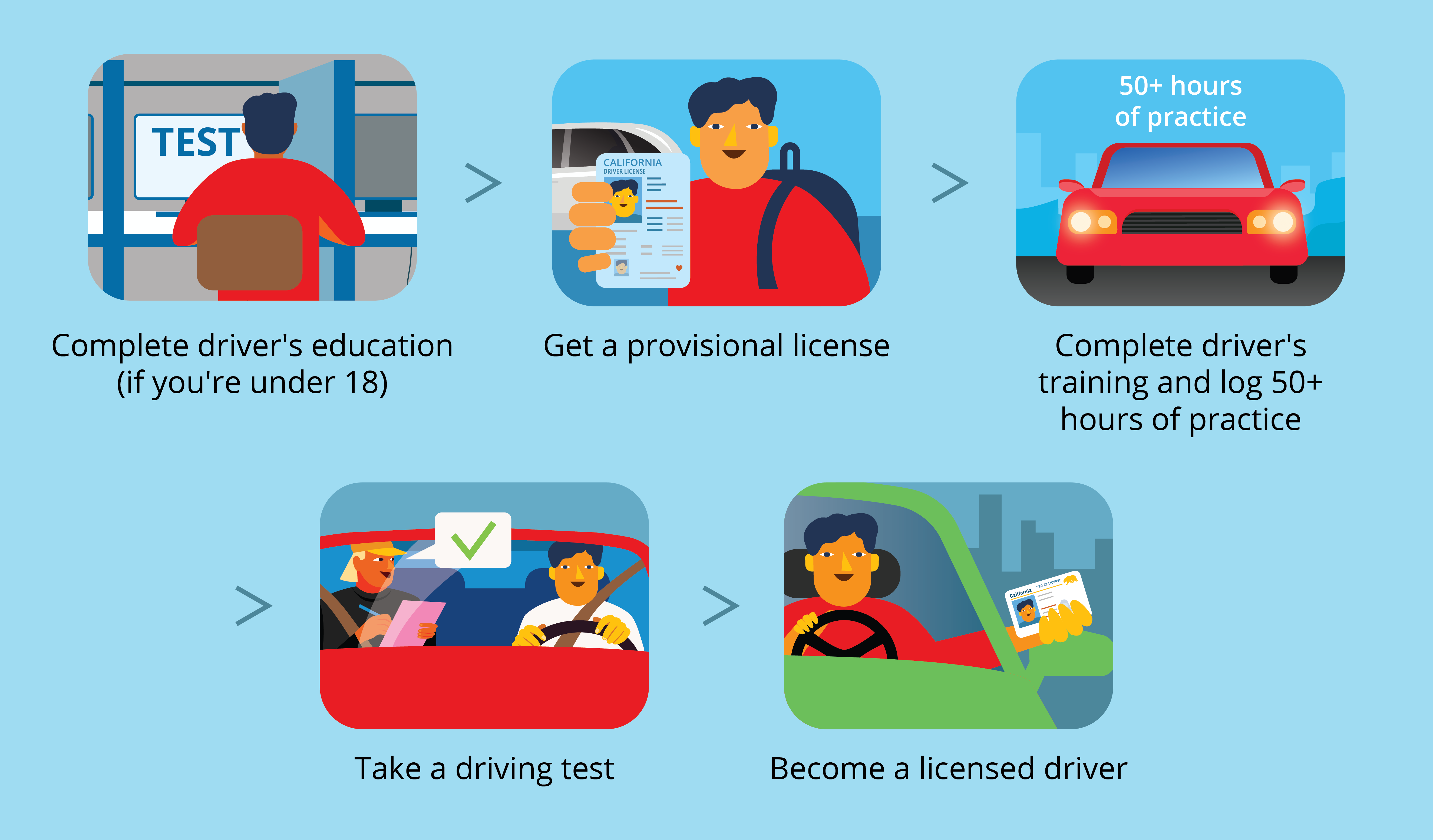
After holding your provisional instruction permit for at least six months, completing the required supervised driving hours, and reaching the age of 16, you can apply for a provisional driver’s license. This application also requires scheduling an appointment at the California DMV and passing a behind-the-wheel driving test. The behind-the-wheel test assesses your ability to safely operate a vehicle in various traffic conditions. It is essential to be well-prepared for this practical exam, demonstrating mastery of all driving skills. Once you pass the driving test and meet all other requirements, you will be issued your provisional driver’s license. The full, unrestricted driver’s license is typically granted upon turning 18.
LifeOutOfTheBox is a participant in the Amazon Services LLC Associates Program, an affiliate advertising program designed to provide a means for sites to earn advertising fees by advertising and linking to Amazon.com. Amazon, the Amazon logo, AmazonSupply, and the AmazonSupply logo are trademarks of Amazon.com, Inc. or its affiliates. As an Amazon Associate we earn affiliate commissions from qualifying purchases.