
Embarking on a career in real estate in Texas offers more than just a job; it’s a gateway to a dynamic lifestyle, financial independence, and a unique perspective on the state’s diverse landscapes and thriving communities. For those with a passion for travel, an interest in various forms of accommodation, or a desire to explore the intricacies of local tourism and iconic landmarks, a real estate license in the Lone Star State can be an unexpectedly perfect fit. Imagine a profession that allows you to assist clients in discovering their dream vacation homes along the coast of Galveston, securing investment properties in the bustling heart of Dallas, or finding charming residences near the historic Alamo in San Antonio. This guide will illuminate the path to becoming a licensed real estate agent in Texas, while highlighting how this career intertwines beautifully with the themes of travel, accommodation, and an enriched lifestyle.
The Allure of Texas Real Estate: A Gateway to Travel and Lifestyle
Texas is a land of immense opportunity, not only for residents but also for those looking to invest, relocate, or simply enjoy a new lifestyle. Its booming economy, diverse job markets, and vibrant cultural scenes in major cities like Houston and Austin make it an attractive destination for people from all walks of life. For a real estate professional, this translates into a constantly evolving market filled with potential.
Why Texas? Diverse Markets and Investment Opportunities
The real estate market in Texas is as varied as its geography. From the tech hubs and live music scene of Austin, with its rapid growth and sought-after residential areas, to the sprawling urban expanse of Houston, home to the NASA Johnson Space Center and a global energy industry, agents have a broad spectrum of properties and clients to serve. Dallas boasts a sophisticated metropolitan vibe, offering luxury high-rises and upscale suburbs, complemented by green spaces like Klyde Warren Park and the cultural richness of the Dallas Arts District. Meanwhile, San Antonio provides a unique blend of history and charm, with properties often close to the iconic Riverwalk and other historical landmarks. Even the coastal regions, like Galveston and South Padre Island, present opportunities for specializing in vacation rentals and beachfront properties, catering to the burgeoning tourism market.
These diverse markets offer more than just homes; they represent investment opportunities in various forms of accommodation, from single-family residences to multi-unit complexes, and even commercial properties like hotels and resorts. Understanding these varied demands allows real estate professionals to advise clients on the best locations for long-term stays, short-term rentals, or even luxury properties that align with specific lifestyle aspirations, often informed by travel experiences or investment strategies. The sheer scale and economic vitality of Texas ensures that there’s always a need for skilled agents who can navigate these exciting opportunities.
A Career that Travels with You
One of the most appealing aspects of a real estate career in Texas is the inherent flexibility and opportunity for exploration. Unlike many conventional jobs, being a real estate agent often means your office is wherever your clients and properties are. This naturally involves a good deal of travel, whether it’s driving across town to show a property in Fort Worth, visiting a potential development site in a rural area, or exploring a new neighborhood to stay current on market trends. Agents frequently find themselves crisscrossing the state, from the piney woods of East Texas to the desert landscapes of Big Bend National Park, gaining firsthand insights into the various regions that make Texas so unique.
This mobile nature of the job aligns perfectly with a lifestyle that values discovery and new experiences. Agents can shape their work around personal interests, perhaps specializing in properties near specific tourist attractions, or working with clients who are themselves moving to Texas for a lifestyle change, such as retirement in a charming small town or a move to an urban core like the Houston Museum District. The ability to set your own schedule, manage your own pipeline of clients, and potentially earn significant income also provides the freedom to fund personal travel adventures, turning your career into a vehicle for a life “out of the box.”
Navigating the Path to Licensure: Your First Steps
Obtaining a real estate license in Texas is a structured process designed to ensure that all agents are competent and ethical. The Texas Real Estate Commission (TREC) is the governing body that sets the standards and oversees the licensing procedures. Understanding these initial steps is crucial for anyone aspiring to enter this dynamic profession.
Eligibility Requirements: Who Can Apply?
Before diving into educational courses, prospective agents must meet certain fundamental eligibility criteria set by TREC. Applicants must be at least 18 years old and a citizen of the United States or a lawfully admitted alien. They must also be a resident of Texas. Perhaps most importantly, candidates must meet TREC’s qualifications for honesty, trustworthiness, and integrity. This often involves a background check, which is a standard part of the application process. Any criminal history could impact eligibility, so it’s advisable to disclose such information upfront and potentially seek a “Fitness Determination” from TREC if there are concerns.
These requirements ensure that the real estate profession maintains a high level of public trust. For individuals considering a career change or a path that allows for greater autonomy and connection to community, meeting these initial benchmarks is a clear indication that a fulfilling journey in real estate is within reach. It’s a career path chosen by those seeking to manage their own time and potentially build significant wealth, directly influencing their lifestyle choices and travel capabilities.
Pre-Licensing Education: Building Your Foundation
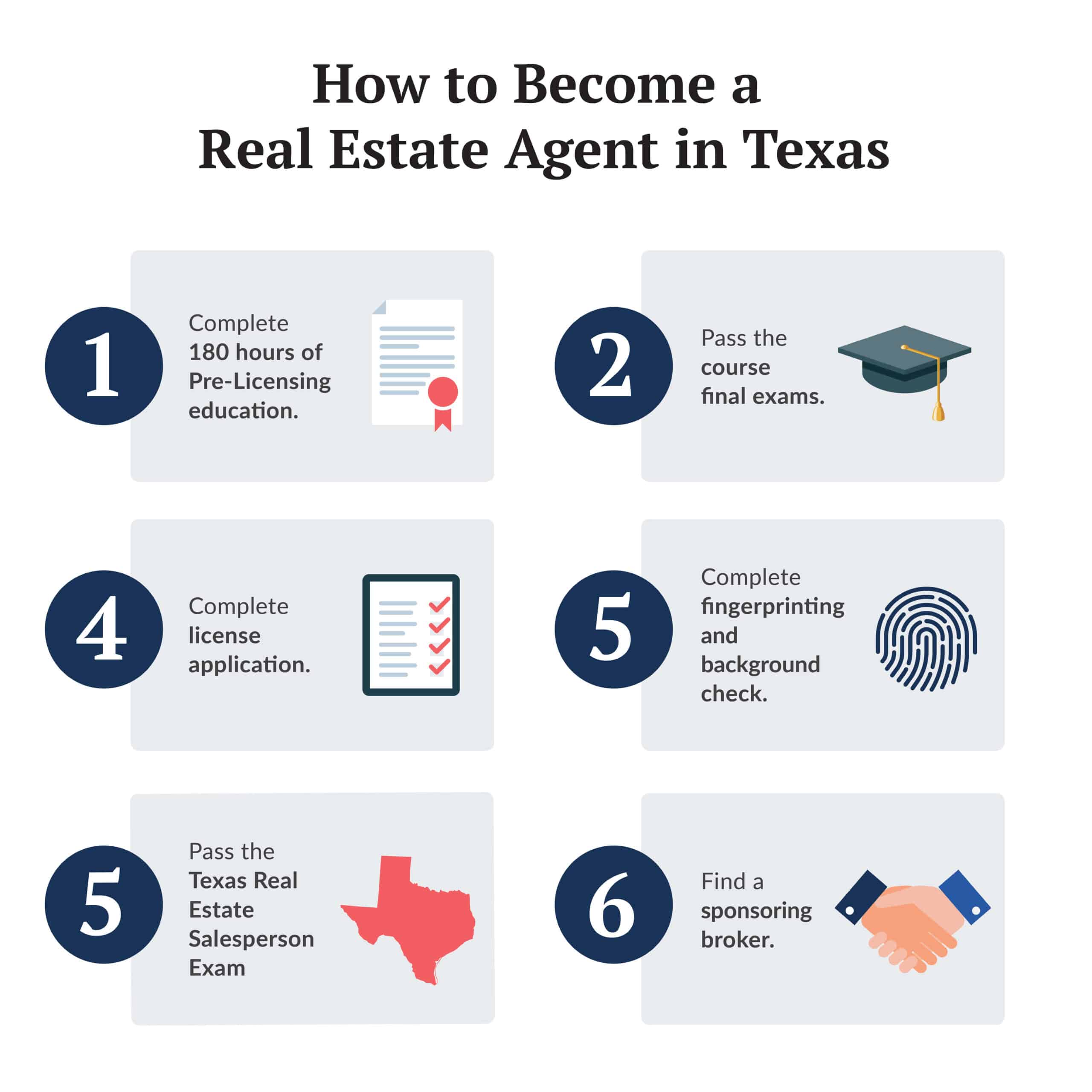
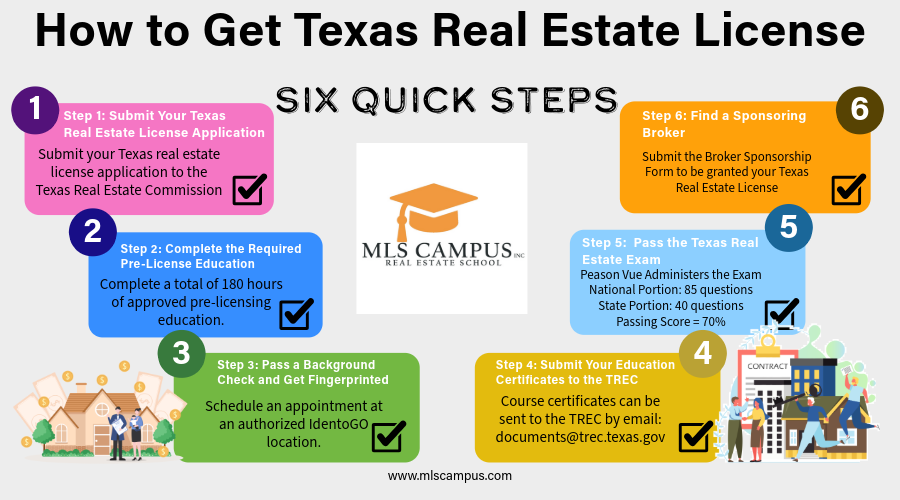
The cornerstone of becoming a licensed real estate agent in Texas is completing the mandatory pre-licensing education. TREC requires a total of 180 hours of approved coursework. This education is divided into six 30-hour courses, covering essential topics that form the bedrock of real estate practice. These courses typically include:
- Principles of Real Estate I & II: These introduce fundamental concepts, terminology, and practices in real estate.
- Law of Agency: Focuses on the legal relationships between agents, brokers, and clients.
- Law of Contracts: Covers the essentials of real estate contracts, which are vital for every transaction.
- Promulgated Contract Forms: Teaches how to correctly use the standardized contract forms developed by TREC.
- Real Estate Finance: Explores financing options, mortgages, and investment strategies.
These educational hours can be completed through various approved providers, including traditional classroom settings, online courses, or a hybrid approach, offering flexibility to fit different lifestyles and learning preferences. For those interested in the investment side of real estate, understanding finance and contracts is invaluable, not just for residential sales but also for assessing properties suitable for short-term rentals or commercial ventures. This foundational knowledge empowers agents to competently advise clients on significant decisions, whether they are buying a new home near the Capitol Building in Austin or seeking to acquire property for a budding hotel business. The breadth of knowledge gained also provides an excellent understanding of the varying types of accommodation available across the state, from luxury suites to cozy apartments, and the market forces that drive their value.
From Classroom to Closing: The Licensing Process
After completing the educational requirements, aspiring agents move on to the formal application and examination phases, culminating in the critical step of finding a sponsoring broker. This sequence transforms academic learning into practical readiness.
Applying to the Texas Real Estate Commission (TREC)
With your 180 hours of pre-licensing education complete, the next step is to submit your application to the Texas Real Estate Commission. This application includes providing personal information, detailing your educational history, and consenting to a background check. There is an application fee, and all documentation must be submitted accurately and completely. TREC reviews each application carefully, a process that can take several weeks. During this time, they verify your educational certificates and conduct the background check to ensure you meet the moral character requirements. This rigorous vetting process underlines the importance of trust and professionalism in the real estate industry, especially when dealing with properties that represent significant investments or lifestyle changes for clients. A clear application path helps smooth the transition for individuals dedicated to pursuing a career that often involves assisting people with their most valuable assets, from urban apartments to sprawling rural estates.

Passing the Exam: Your Ticket to Practice
Once your application is approved by TREC, you will receive authorization to schedule the state licensing exam. This comprehensive exam is typically divided into two parts: a national portion covering general real estate principles and practices, and a state-specific portion focusing on Texas real estate law, rules, and contracts. The exam is administered at designated testing centers across the state, often conveniently located near major transportation hubs like George Bush Intercontinental Airport in Houston or DFW International Airport.
Passing the exam is a significant milestone, as it demonstrates your mastery of the extensive material and your readiness to practice real estate competently. Many candidates invest in exam prep courses and study guides to maximize their chances of success. Acing this exam is not just about memorization; it’s about solidifying your understanding of how real estate transactions work, how to protect clients, and how to navigate the legal landscape of buying and selling property in Texas. This knowledge is critical for effectively advising clients, whether they are looking for a weekend getaway, a new family home, or a property suitable for a short-term accommodation business.
Sponsorship and Beyond: Launching Your Career
After successfully passing the state exam, you’re almost there! The final step to becoming an active real estate agent in Texas is to be sponsored by a licensed real estate broker. A broker acts as a mentor, supervisor, and employer, providing the essential guidance and infrastructure needed to conduct real estate activities legally and ethically. They provide office space, training, and support, crucial for new agents. Choosing the right broker is a pivotal decision. You might seek out a brokerage known for its expertise in luxury properties, one that specializes in commercial real estate (including hotels and resorts), or a firm with a strong presence in tourist-heavy areas or up-and-coming lifestyle developments like The Domain in Austin.
Once sponsored, your license becomes active, and you can begin practicing real estate. This marks the beginning of your journey into a career that offers continuous learning, networking opportunities, and the potential to build a thriving business. With an active license, you are equipped to help clients find everything from quaint homes to grand estates, and assist investors in identifying lucrative properties for tourism or long-term accommodation.
Real Estate and the Life Out of the Box: Unlocking Opportunities
A real estate license in Texas is not merely a piece of paper; it’s a key to unlocking a world of opportunity, particularly for those who envision a career that integrates travel, exploration, and a sophisticated lifestyle. The flexibility and earning potential allow for a life defined by choice, where professional success can fuel personal passions.
Specializations Aligned with Travel and Tourism
The breadth of the Texas real estate market allows agents to specialize in niches that perfectly align with the themes of travel, accommodation, and tourism:
- Luxury Homes and Estates: For agents with an eye for detail and a knack for high-end clientele, specializing in luxury properties in exclusive communities offers the chance to work with exceptional residences, often featuring resort-style amenities and located in desirable lifestyle destinations. These properties often cater to individuals accustomed to luxury travel and sophisticated living.
- Vacation Rentals and Investment Properties: With Texas’s growing tourism industry, there’s a strong demand for agents who can help clients acquire properties specifically for short-term rental income. This involves understanding the nuances of various accommodation types, local tourism trends, and investment returns, allowing agents to become experts in properties that serve as temporary homes for travelers.
- Commercial Real Estate (Hotels & Resorts): While requiring additional expertise, a real estate license can be a stepping stone into commercial real estate, specifically brokering the sale of hotels, motels, and resort properties. This niche directly ties into the travel and accommodation industry, dealing with large-scale assets that are central to the tourism economy.
- International Clients: Texas’s global appeal means many international investors and individuals look to acquire property here. Agents who specialize in serving this clientele often engage with diverse cultures and might even travel to meet clients or showcase properties, blending global perspectives with local market expertise.
These specializations transform a real estate career into a dynamic, multi-faceted profession that goes far beyond traditional home sales, inviting agents to engage with the world in exciting new ways.
The Lifestyle of a Texas Real Estate Professional
Beyond the specific niches, the very nature of being a real estate professional in Texas cultivates a lifestyle rich in exploration and personal growth. You become intimately familiar with various neighborhoods, local cultures, and the unique attractions that make each Texas city special, whether it’s the Dallas Arts District or the historic charm of San Antonio. Every property showing, every open house, and every client meeting offers an opportunity to learn something new about the state and its people.
The freedom to manage your own schedule means you can truly live a life out of the box. Imagine having the flexibility to take extended trips, explore new destinations, or indulge in passions, all while building a successful career. Real estate agents often attend industry events, network with professionals from various fields, and constantly adapt to market changes, ensuring that the work remains engaging and challenging. It’s a career that rewards initiative, builds valuable relationships, and provides a platform for financial prosperity, ultimately empowering a lifestyle defined by choice, travel, and a deep appreciation for the diverse and vibrant landscape of Texas.
In conclusion, obtaining a real estate license in Texas is a structured yet profoundly rewarding endeavor. It equips individuals with the knowledge and credentials to navigate a thriving market, offering diverse opportunities from residential sales to commercial investments in hotels and vacation rentals. More than just a profession, it’s a pathway to a flexible, engaging lifestyle that naturally intertwines with travel, an appreciation for diverse accommodation, and an intimate understanding of the unique charm and economic vitality of the Lone Star State. For those seeking a career that goes beyond the ordinary, Texas real estate offers an extraordinary journey.
LifeOutOfTheBox is a participant in the Amazon Services LLC Associates Program, an affiliate advertising program designed to provide a means for sites to earn advertising fees by advertising and linking to Amazon.com. Amazon, the Amazon logo, AmazonSupply, and the AmazonSupply logo are trademarks of Amazon.com, Inc. or its affiliates. As an Amazon Associate we earn affiliate commissions from qualifying purchases.