
The story of New York City is a vibrant tapestry woven from exploration, commerce, conflict, and multiculturalism. While no single individual can claim to have “founded” the sprawling metropolis we know today, its origins are firmly rooted in the aspirations of 17th-century Europeans seeking new trade routes and territories. From its nascent days as a Dutch trading post to its transformation into a global powerhouse, NYC’s founding narrative is a fascinating journey that profoundly impacts its modern identity, making it a compelling destination for travel and tourism.
The question “Who founded New York City?” doesn’t have a simple answer like attributing Rome to Romulus or Philadelphia to William Penn. Instead, it involves a cast of explorers, companies, and governors, each playing a pivotal role in establishing the settlement that would eventually become one of the world’s most iconic cities. Understanding these foundational moments not only illuminates NYC’s past but also enriches any visit, allowing travelers to connect with the deep historical layers beneath the modern skyline.
The Dawn of a Metropolis: Henry Hudson and the Dutch Arrival
The initial spark for what would become New York City can be traced back to the ambitious Age of Exploration, specifically to a voyage commissioned by the Dutch East India Company in the early 17th century. While his mission was not to establish a permanent settlement, his discoveries laid the groundwork for Dutch colonial ambitions in North America.
Charting a Course to the Future: Hudson’s Expedition
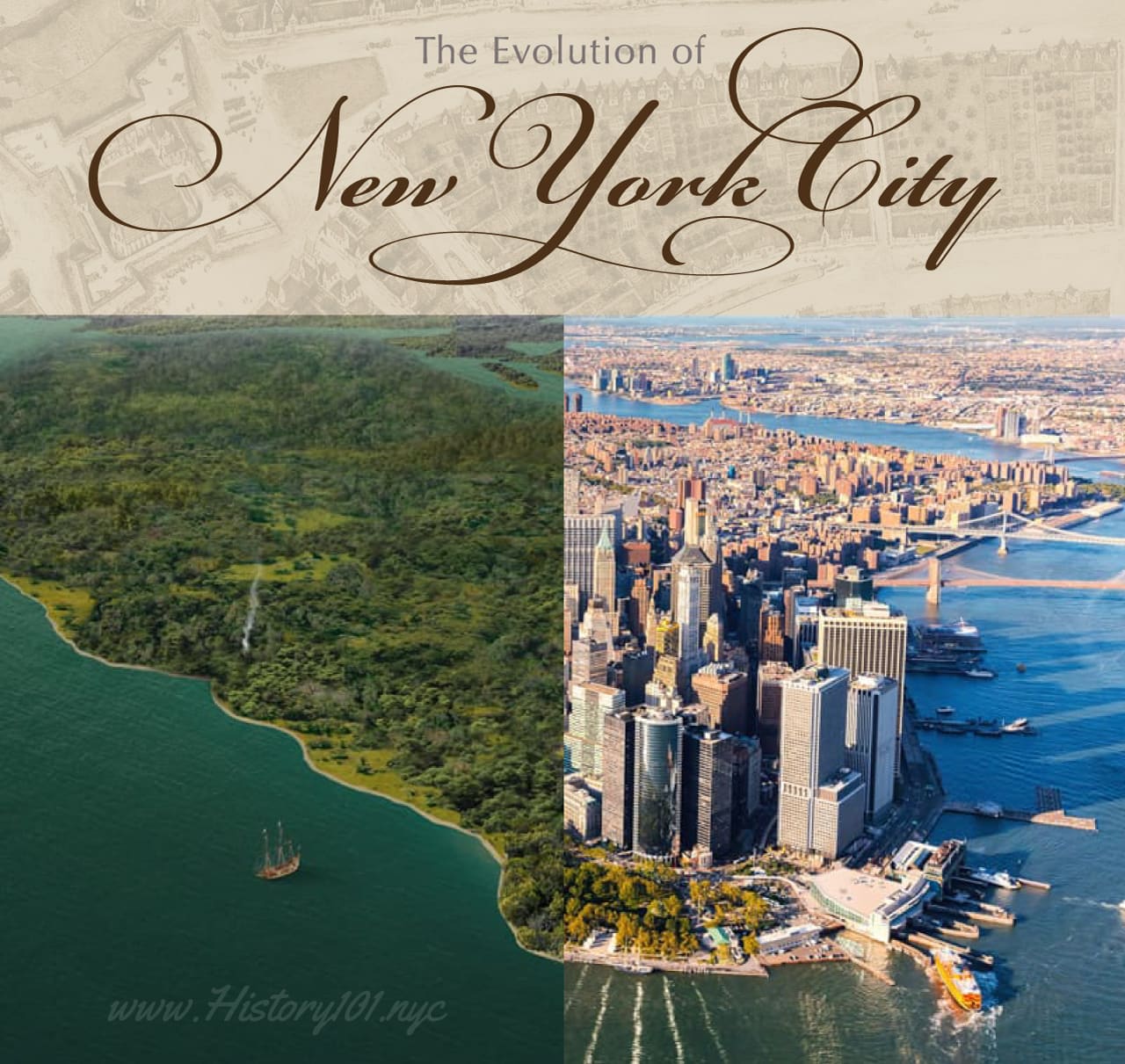
In 1609, the English explorer Henry Hudson, sailing under the Dutch flag aboard the ship Halve Maen (Half Moon), was tasked with finding a westward passage to Asia. Instead, he sailed into a magnificent river that would eventually bear his name: the Hudson River. As Hudson navigated upstream, he encountered diverse Native American communities, particularly the Lenape people, who had long inhabited the fertile lands around the harbor. Hudson quickly realized the immense potential of the area for fur trading, especially beaver pelts, which were highly coveted in Europe. His detailed reports of the abundant wildlife and strategic harbor quickly caught the attention of Dutch merchants and the newly formed Dutch West India Company.
The discovery of the Hudson River estuary marked the beginning of sustained Dutch interest in the region. This area, with its deep-water port and navigable river leading into the interior, was seen as an ideal location for a trading post. Early Dutch traders soon followed Hudson’s path, establishing temporary camps and engaging in commerce with the Lenape. These initial interactions, focused primarily on trade, slowly morphed into a desire for more permanent occupation, setting the stage for the formal establishment of a Dutch colony. For modern travelers, exploring the Hudson River valley by cruise or car offers a picturesque journey through landscapes little changed in their essential beauty since Hudson’s time, allowing for a unique historical perspective on the very waterway that first drew Europeans to the area.

A Strategic Purchase: The Island of Manhattan
The real pivot from temporary trading posts to a permanent settlement occurred in 1626, a momentous year often cited in the city’s foundational narrative. It was in this year that Peter Minuit, the Director-General of New Netherland on behalf of the Dutch West India Company, orchestrated the famous purchase of Manhattan Island from the Lenape people. The transaction, reportedly for goods valued at 60 Dutch guilders (often erroneously translated to $24 United States dollars, but representing a substantial value at the time), is one of the most debated and discussed moments in NYC history. While the Dutch viewed it as a legitimate purchase of land, the Lenape likely understood land ownership differently, perhaps as shared usage rights rather than outright sale.
Regardless of the complexities of the exchange, the purchase of Manhattan Island was undeniably a foundational act. It provided the Dutch West India Company with a strategic location at the mouth of the Hudson River, perfectly positioned for defense and trade. This act cemented the intention to build a permanent, self-sustaining colony. This early acquisition of land underpins the very existence of New York City as we know it, shaping its future urban development and socio-economic landscape. Today, walking through Lower Manhattan, one treads on the very ground bought in this pivotal transaction. Historical walking tours frequently highlight sites like Bowling Green, which was part of the original settlement, offering a tangible connection to this critical moment in history.

Peter Minuit and the Genesis of New Amsterdam
With the strategic acquisition of Manhattan Island, the vision for a flourishing Dutch colony began to materialize. Peter Minuit emerged as a central figure in this formative period, overseeing the initial development and administration of the settlement that would be named New Amsterdam.
Governance and Growth: Early Dutch Settlements
Under Minuit’s leadership, the Dutch West India Company prioritized the establishment of a defensible trading post. The construction of Fort Amsterdam on the southern tip of Manhattan in 1626 was a crucial step. This fort served as the administrative center for the entire colony of New Netherland and provided protection for the growing community. Around the fort, houses, a church, and other essential buildings began to spring up, forming the nascent village of New Amsterdam. The company encouraged settlers, offering incentives for families and skilled workers to make the perilous journey across the Atlantic.
Early growth was driven largely by the fur trade, with beaver pelts being the primary commodity. Ships regularly sailed between New Amsterdam and the Netherlands, exchanging furs for manufactured goods, tools, and provisions. This commerce was vital, but the company also sought to diversify the colony’s economy, promoting agriculture and other industries. The early years saw the establishment of farms stretching northward from the fort, laying the foundation for future urban expansion. For those interested in tourism with a historical slant, sites in present-day Lower Manhattan still echo the layout of New Amsterdam, with streets like Pearl Street and Broad Street tracing original paths and waterways. Visiting these historic areas provides a direct link to the administrative and commercial heart of the early Dutch settlement.
Life in New Amsterdam: A Melting Pot Takes Root
Even in its infancy, New Amsterdam was remarkably diverse, a characteristic that would define New York City for centuries to come. The Dutch West India Company adopted a pragmatic approach to settlement, welcoming people from various European nations and religious backgrounds, including French Huguenots, German Palatines, Walloons, and even the first Jewish settlers in North America. Enslaved Africans were also forcibly brought to the colony, contributing significantly to its labor force and early infrastructure, particularly the construction of the wall that would eventually give Wall Street its name. This early influx of different cultures, languages, and religions created a truly cosmopolitan atmosphere, albeit one marked by the inherent injustices of colonialism and slavery.
Daily life in New Amsterdam was a blend of frontier hardship and burgeoning trade. The settlers faced challenges from the wilderness, fluctuating relations with Native American tribes, and the bureaucratic oversight of the distant Dutch West India Company. Despite these difficulties, the community grew, developing its own unique culture influenced by its diverse inhabitants. Governor Peter Stuyvesant, who succeeded Minuit and ruled for a substantial period, implemented many civic improvements and laws, further shaping the character of the settlement. For the modern traveler interested in local culture and experiences, observing the enduring diversity of NYC is a direct echo of its Dutch beginnings. Exploring neighborhoods like the modern-day Financial District and connecting with historical societies can offer insights into the fascinating, complex daily life of New Amsterdam and the people who forged its early identity.
The English Takeover and the Birth of New York
The Dutch period, while foundational, was ultimately limited. The strategic location and burgeoning prosperity of New Amsterdam made it an attractive target for rival European powers, particularly England, which harbored ambitions of consolidating its colonial holdings along the Atlantic seaboard.
From New Amsterdam to New York: A Shifting Identity
In 1664, during the Second Anglo-Dutch War, an English fleet commanded by Colonel Richard Nicolls arrived in New Amsterdam’s harbor and demanded its surrender. Despite Peter Stuyvesant’s initial defiance and desire to resist, the citizens, weary of war and seeing the futility of fighting a superior force, urged him to capitulate. Without a shot being fired, New Amsterdam peacefully surrendered to the English. This bloodless takeover marked a dramatic shift in the city’s destiny. The English promptly renamed the city and the entire colony of New Netherland in honor of James, Duke of York, who would later become King James II of England. Thus, New York was born.
This transition was more than just a change of name; it initiated a gradual but profound cultural and administrative transformation. While many Dutch residents remained, English laws, customs, and language slowly began to dominate. The legal framework, land grants, and political structures evolved under English rule, albeit often retaining elements of the Dutch past. For travelers today, the lingering presence of Dutch influence can be found in street names, architectural styles in historic buildings, and even in some family names that persist. For those interested in historical landmarks, a walk through the streets of Lower Manhattan reveals a mosaic of influences, where the echoes of Dutch foundations mingle with later English colonial expansions. Understanding this peaceful transition helps to contextualize the unique blended heritage that characterizes much of New York City.
Building a Legacy: Early English Influence
Under English rule, New York continued to grow as a vital port and commercial center. The English focused on strengthening trade ties with their other colonies and with the mother country, solidifying New York’s position as a gateway to the North American interior. The city’s population diversified further with an influx of English settlers, Scots, Irish, and others from the British Isles and the Caribbean. This period saw the formal establishment of a provincial government, the creation of a strong mercantile class, and the development of early educational and religious institutions. The city’s grid system, although fully implemented much later, began to take shape, influencing the future urban plan.
The English era also brought increasing strategic importance to New York, particularly during various colonial conflicts and eventually during the American Revolution, where it served as a key British stronghold. This period laid the administrative and economic groundwork for New York’s eventual rise to prominence. Modern NYC landmarks such as Federal Hall National Memorial, where George Washington took the oath of office, directly reflect this English and early American colonial heritage. For visitors focusing on accommodation and lifestyle, staying in or exploring areas like the Financial District or Greenwich Village allows one to experience the tangible remnants of these foundational periods, often intertwined with modern luxury hotels and boutique stays.
New York City Today: A Legacy of Founding and Growth
The historical trajectory from Henry Hudson’s exploration to the Dutch settlement of New Amsterdam and finally its transformation into English New York provides the bedrock upon which modern New York City stands. The “founding” of NYC wasn’t a singular event but a continuous process of discovery, settlement, and transformation. Today, its rich history is an integral part of its allure, drawing millions of visitors eager to explore its historical depth alongside its contemporary vibrancy.
Experiencing History Through Travel and Tourism
For the modern traveler, New York City offers unparalleled opportunities to delve into its foundational history. Tourism in NYC is not just about gazing at towering skyscrapers or catching a Broadway show; it’s also about walking the cobblestone streets of Stone Street, one of the oldest paved streets in New York, which dates back to the Dutch era. Visitors can explore the remnants of the original New Amsterdam settlement in Lower Manhattan, where historical markers and preserved architecture provide glimpses into the past. Museums like the Museum of the City of New York and the New-York Historical Society offer comprehensive exhibitions detailing the city’s origins, featuring artifacts and narratives that bring the stories of Henry Hudson, Peter Minuit, and the early settlers to life.
Beyond specific sites, the very cultural fabric of NYC reflects its history. The city’s legendary diversity, its entrepreneurial spirit, and its constant evolution are direct descendants of its colonial beginnings as a global trading hub that welcomed people from all corners of the world. Engaging with local cultures through food, festivals, and community events often reveals subtle connections to these foundational periods, offering a holistic travel experience. Guided historical tours, whether walking tours through the Financial District or boat tours on the Hudson River, provide immersive ways to connect with the past and truly understand the layers of history that contribute to New York City’s unique character.
Where to Stay: Accommodating Your Historical Journey
When planning a trip to immerse oneself in New York City’s history, accommodation plays a crucial role in enhancing the experience. Numerous hotels, resorts, and apartments offer not just comfort but also proximity to historical sites or even a historical atmosphere themselves. For those interested in the Dutch and early English periods, staying in Lower Manhattan or the adjacent Financial District is ideal. Here, boutique hotels and luxury suites often occupy beautifully renovated historic buildings, placing guests steps away from the very locations where New Amsterdam once thrived. Options range from the timeless elegance of The Wall Street Hotel to more contemporary apartments with views of the Statue of Liberty and Ellis Island, both iconic landmarks representing later waves of immigration that further shaped the city.
For a different historical flavor, exploring hotels in areas like Midtown or the Upper West Side can offer perspectives on later periods of NYC’s growth, from the Gilded Age to the Roaring Twenties. Renowned establishments like The Plaza Hotel or The St. Regis New York offer a luxurious plunge into the city’s more recent historical lifestyle. Whether seeking luxury travel or budget-friendly options, prioritizing accommodation that aligns with your historical interests can significantly enhance your overall New York City experience, allowing for seamless exploration of its layered past.
Iconic Landmarks and Lifestyle Echoes
The legacy of New York City’s founding is not confined to obscure historical texts; it is etched into the very fabric of its most famous landmarks and its unique urban lifestyle. The physical manifestation of its history can be seen in the very street plan of Lower Manhattan, which deviates from the later, more orderly grid of Uptown and Midtown, reflecting the organic growth of New Amsterdam. The iconic Brooklyn Bridge, while a 19th-century marvel, symbolizes the enduring drive for connectivity and commercial expansion that characterized the city from its earliest days.
Even seemingly modern attractions carry historical weight. Times Square, with its relentless energy, harks back to the ceaseless commercial activity that defined the port of New Amsterdam. Central Park, a masterpiece of landscape architecture, embodies the city’s ongoing dialogue between urban development and natural preservation, a tension that existed even in the earliest days of settlement. The city’s thriving arts scene, from the Metropolitan Museum of Art to the cutting-edge galleries of SoHo and Chelsea, speaks to a tradition of cultural exchange and innovation that began when diverse Europeans and Native Americans first met on the shores of Manhattan.
In conclusion, while there isn’t one singular “founder” of New York City, its multifaceted origins lie in the combined efforts and impacts of explorers like Henry Hudson, entrepreneurial entities like the Dutch West India Company, and visionary leaders such as Peter Minuit and Peter Stuyvesant. These figures and the forces they represented laid the complex, vibrant foundation for the world-class city we experience today. For anyone traveling to New York, understanding this historical journey enriches every step, transforming a mere visit into a profound exploration of one of the world’s most enduring and dynamic metropolises.
LifeOutOfTheBox is a participant in the Amazon Services LLC Associates Program, an affiliate advertising program designed to provide a means for sites to earn advertising fees by advertising and linking to Amazon.com. Amazon, the Amazon logo, AmazonSupply, and the AmazonSupply logo are trademarks of Amazon.com, Inc. or its affiliates. As an Amazon Associate we earn affiliate commissions from qualifying purchases.