
Embarking on a journey through the Golden State, whether it’s a spontaneous road trip down Highway 1 to Big Sur, a meticulously planned family vacation to Disneyland, or a critical business trip from Los Angeles to San Francisco, often involves air travel. For residents of California, navigating the intricacies of identification has become a crucial aspect of seamless travel and everyday life. With the looming enforcement of the REAL ID Act, understanding how to obtain a California REAL ID isn’t just a suggestion; it’s a necessity for those seeking unrestricted access to domestic flights and certain federal facilities.
This comprehensive guide will demystify the process of acquiring your California REAL ID, connecting it directly to your travel aspirations and daily lifestyle needs. From the initial spark of an idea for a Pacific Ocean coastline adventure to checking into a luxurious resort in Palm Springs, having the correct identification ensures your journey remains smooth and stress-free. We’ll delve into why this document is so important, outline the specific requirements, and provide a step-by-step roadmap to help you secure your REAL ID with confidence, ensuring your next California experience is as golden as the state itself.
Why You Need a REAL ID: Navigating Travel and Beyond
In an increasingly interconnected world, where travel is often a cornerstone of both personal and professional lifestyles, proper identification is paramount. For California residents, the REAL ID isn’t just another card in your wallet; it’s a gateway to hassle-free travel and access to vital services. Understanding its significance is the first step in appreciating its value, particularly in the context of tourism, accommodation, and the overall travel experience.
The Federal REAL ID Act: A Quick Overview
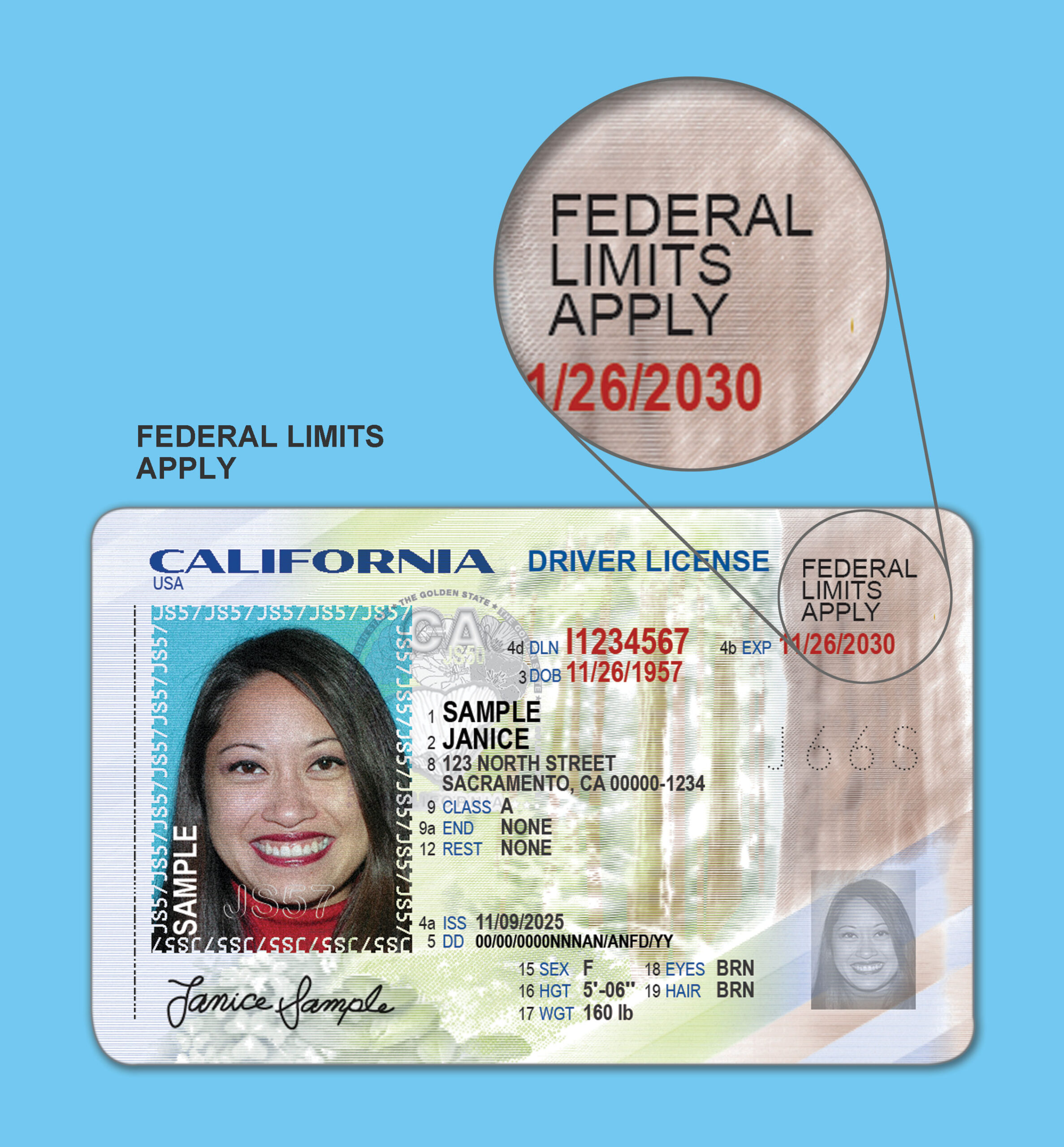
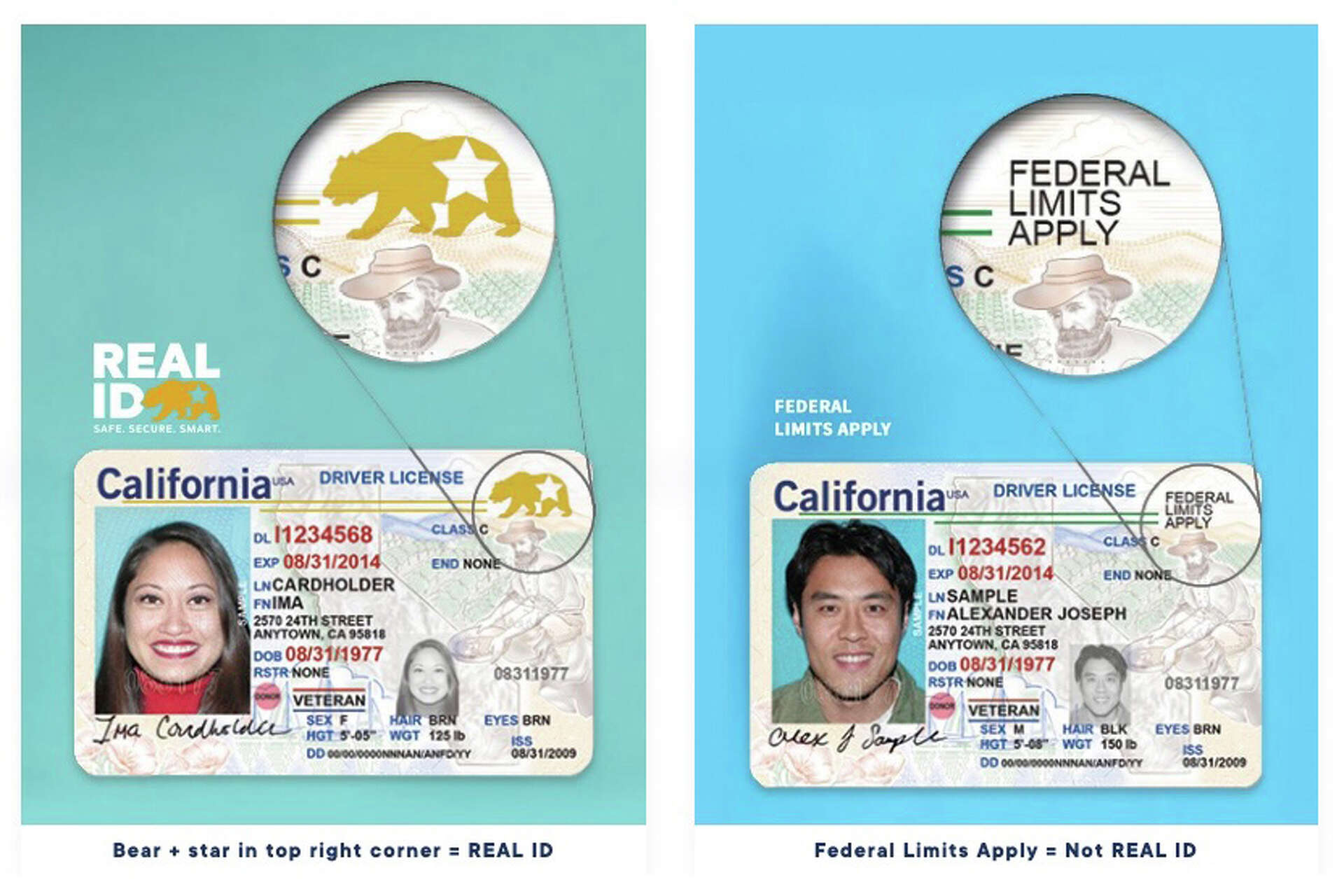
The REAL ID Act was passed by Congress in 2005, following the recommendations of the 9/11 Commission. It establishes minimum security standards for state-issued driver’s licenses and identification cards and prohibits federal agencies from accepting for certain purposes driver’s licenses and identification cards from states that do not meet these standards. Essentially, it’s a federal mandate designed to enhance the security of identity documents, making it harder for individuals to obtain fraudulent IDs. While the initial deadline for full enforcement has been extended multiple times, the importance of this document remains unchanged. For travelers and those interacting with federal facilities, understanding and complying with the REAL ID Act is no longer optional. The Department of Homeland Security (DHS) mandates that all travelers flying domestically must present a REAL ID compliant driver’s license or another acceptable form of identification, such as a passport.
Seamless Domestic Air Travel and Accessing Federal Facilities
The most prominent reason for obtaining a California REAL ID is its requirement for domestic air travel within the United States. After the enforcement deadline, a standard California driver’s license or ID card will no longer be accepted by the Transportation Security Administration (TSA) at airport security checkpoints. This means that if you plan to fly from San Diego to Seattle, Sacramento to New York City, or even just within California for a weekend getaway to Lake Tahoe, your REAL ID will be your key.
Beyond air travel, a REAL ID is also required to access certain federal facilities, such as military bases, nuclear power plants, and other restricted areas. For business travelers, military personnel, or anyone needing to visit such locations, this makes the REAL ID an indispensable tool. It streamlines the entry process, eliminating potential delays and complications that could arise from presenting a non-compliant identification. This level of access ensures that your lifestyle, whether professional or personal, remains unhindered by bureaucratic roadblocks.
The Peace of Mind for Your California Adventures
Imagine planning a dream vacation to Yosemite National Park, a cultural immersion in San Francisco with its iconic Golden Gate Bridge, or a thrilling experience at Universal Studios Hollywood. The excitement of exploring these California landmarks and attractions can quickly be overshadowed by pre-travel anxieties if you’re unsure about your identification. A California REAL ID provides that crucial peace of mind.
It simplifies checking into hotels and accommodations, whether it’s a boutique hotel in Napa Valley or a cozy villa in Santa Barbara. While many establishments accept various forms of ID, a REAL ID adds an extra layer of official recognition. For families planning trips, securing REAL ID for all eligible members eliminates a significant logistical hurdle, allowing everyone to focus on creating unforgettable memories. It’s an investment in smoother journeys, less stress, and more enjoyment of all the incredible experiences California has to offer. Moreover, for those who enjoy occasional travel to neighboring countries like Canada or Mexico by land or sea, while a passport is generally preferred, a REAL ID provides enhanced security features that can be beneficial in certain contexts, even if not explicitly for border crossing.
Demystifying the Application Process for Your California REAL ID
Acquiring a California REAL ID might seem like a daunting task, filled with bureaucratic steps and endless paperwork. However, with the right preparation and understanding, the process can be straightforward and efficient. This section breaks down the application journey, offering clarity on what to expect, from gathering documents to your visit to the Department of Motor Vehicles (DMV).
Gathering Your Essential Documents: The Golden List
The cornerstone of a successful REAL ID application is having all your required documents in order. The California DMV requires several proofs to verify your identity, residency, and social security number. Failing to bring the correct documents is the most common reason for application delays or rejections. Think of this as your pre-flight checklist before a major international journey; every item must be accounted for.
Before you even think about setting an appointment, dedicate time to compile these critical papers. It’s often helpful to create a physical folder or digital checklist. This proactive approach not only saves time but also reduces potential frustration at the DMV. Remember, you’ll need original documents or certified copies for most requirements, so plan ahead if you need to order birth certificates or marriage licenses.
Initiating Your Application: Online vs. In-Person
California offers a convenient online application option that significantly streamlines the process. You can start your REAL ID application by filling out the form on the DMV website. This pre-application step allows you to enter your personal information and upload some documents from the comfort of your home, saving valuable time during your actual DMV visit. It’s a smart move for anyone with a busy lifestyle, ensuring that a quick pit stop at the DMV is precisely that – quick.
After completing the online portion, you will receive a confirmation code. This code, along with your original documents, will be presented during your in-person visit. While the online application speeds up the process, an in-person visit to a DMV office is mandatory to finalize your application, provide fingerprints, have your photo taken, and present your original documents for verification. Scheduling an appointment beforehand is highly recommended to minimize wait times, especially if you’re planning a trip around peak travel seasons.
The DMV Visit: What to Expect
Your DMV visit is the final hurdle in obtaining your California REAL ID. Even with an appointment, arrive a little early and be prepared. The experience is typically organized: you’ll check in, potentially receive a number, and then wait to be called by a DMV representative.
When your number is called, you will present your confirmation code (if you started online) and all your original documents. The representative will meticulously review each document to ensure it meets the REAL ID requirements. This is where the thoroughness of your pre-gathering pays off. Once the documents are verified, you’ll complete any necessary paperwork, pay the application fee, have your thumbprint scanned, and get your picture taken. After this, you’ll typically receive a temporary paper REAL ID and your official card will be mailed to you within a few weeks. This temporary document is usually sufficient for domestic air travel, but it’s always wise to confirm with the TSA or your airline if your travel is imminent.
Essential Documents for Your REAL ID Application
The success of your California REAL ID application hinges entirely on providing the correct documentation. The DMV is very strict about these requirements to comply with federal regulations. This section provides a detailed breakdown of the types of documents you’ll need, ensuring you have everything in order before your appointment.
Proof of Identity: Your Cornerstone Document
This is the most critical piece of your application, establishing who you are. You will need one (1) document from this category. Acceptable documents typically include:
- An original or certified copy of a U.S. birth certificate (with an impressed seal).
- A valid, unexpired U.S. passport or passport card.
- A Certificate of Naturalization or Certificate of Citizenship.
- A Permanent Resident Card.
- An unexpired foreign passport with a valid U.S. visa and an approved I-94 form.
- Other approved documents for non-citizens, such as an Employment Authorization Document (EAD) or an unexpired I-551 stamp.
It’s crucial that the name on your identity document matches your current legal name. If there are discrepancies due to marriage, divorce, or other legal name changes, you’ll need supporting documentation, which we’ll discuss next. This identity proof is the foundation upon which your REAL ID is built, ensuring that your official identity is accurately reflected.
Proof of California Residency: Establishing Your Home Base
To prove you are a resident of California, you will need two (2) different documents with your current physical California address. P.O. Box addresses are not accepted for this purpose. These documents help the DMV confirm your physical presence in the state. Examples include:
- A utility bill (gas, electric, water, cable, cell phone).
- A rental agreement or lease with the signature of the landlord and tenant.
- A mortgage bill.
- Bank statements.
- Medical documents.
- An employment document, such as a pay stub.
- An insurance document (auto, health, life).
- A school document (for minors or students).
- Vehicle registration or title.
- Tax documents (W-2, 1099, property tax bill).
- Change of address confirmation by the U.S. Postal Service.
Ensure that the documents are recent, typically within the last two or three months, and clearly display your name and address. For individuals who live with family or friends and don’t have bills in their name, alternative options like a certified letter from the homeowner/leaseholder, along with their residency proofs, may be available, but it’s best to check with the DMV directly for specific guidance.
Proof of Social Security Number: The Vital Link
You will need to provide one (1) document that displays your full Social Security number (SSN). This links your identity to your federal record. Acceptable documents include:
- Your Social Security card.
- A W-2 form.
- A 1099 form.
- A pay stub with your full SSN.
- A Medicare card (if your SSN is on it).
- A Medi-Cal card (if your SSN is on it).
- A letter from the Social Security Administration (SSA) with your full SSN.
The document must clearly show your full nine-digit SSN. If you cannot locate your Social Security card, you can often request a replacement from the SSA or use other acceptable documents.
Name Change Documents (If Applicable): Ensuring Accuracy
If the name on your primary identity document (e.g., birth certificate or passport) does not match your current legal name, you will need to provide certified legal documents that explain the name change. This is a common requirement for individuals who have married, divorced, or legally changed their name. Acceptable documents include:
- A certified copy of your marriage certificate.
- A certified copy of a divorce decree that shows the new legal name.
- A certified copy of a court order for a name change.
- A certificate of adoption.
You may need to provide a chain of documents if you’ve had multiple name changes. For example, if your birth certificate has your maiden name, but you’ve been married and divorced, you might need both the marriage certificate and the divorce decree to show the progression to your current legal name. Ensuring all name changes are properly documented is crucial for the DMV to verify your identity accurately.
Beyond the Application: Tips for a Smooth Experience and Future Travel
Obtaining your California REAL ID is a significant step towards hassle-free travel and access, but the journey doesn’t end at the DMV. A few additional tips can help ensure your experience is as smooth as possible, from the application stage to your next exciting adventure. This proactive approach perfectly aligns with a lifestyle of convenience and preparedness, making every trip, whether for pleasure or business, a success.
Planning Ahead: Avoiding Last-Minute Stress
The golden rule for any travel-related documentation, especially something as critical as your REAL ID, is to plan ahead. Do not wait until a few weeks before your domestic flight to Florida or your family trip to Hawaii to start the application process. The DMV often experiences high volumes, and while the online application helps, appointments can still be booked out weeks in advance. Moreover, if you discover you need to order a certified copy of a birth certificate or a marriage license, that can add significant time to your preparation.
Aim to complete your REAL ID application several months before any anticipated travel. This buffer period accounts for potential delays, the time it takes for your physical card to arrive in the mail, and any unforeseen issues with your documentation. Thinking of your REAL ID as an integral part of your travel toolkit, like your luggage or booking confirmations, will help you integrate it into your regular preparedness routine.
REAL ID vs. Passport: Knowing the Differences
While a REAL ID is sufficient for domestic air travel, it is not a substitute for a U.S. passport for international travel. If your lifestyle includes exploring international destinations, a valid passport remains essential. A passport allows you to cross international borders, whether by air, land, or sea, to countries like Canada, Mexico, or further afield.
The REAL ID is specifically designed to meet federal security standards for identification within the United States. Think of it as an enhanced driver’s license that meets higher security requirements for specific federal purposes. Many frequent travelers opt to carry both a REAL ID and a passport. The passport serves as a backup form of identification for domestic travel if you misplace your REAL ID or for situations where a higher level of ID might be requested. Understanding this distinction is crucial for any global citizen or passionate explorer.
Exploring California and Beyond with Your New REAL ID
Once you have your California REAL ID in hand, a world of seamless travel and exploration opens up. You can confidently book flights to visit family across the country, plan epic road trips that involve flying part of the way, or simply enjoy the peace of mind that comes with compliant identification. Your REAL ID becomes an enabler of your travel dreams, whether those involve discovering the majestic redwoods of Redwood National Park, the stark beauty of Death Valley National Park, or the unique ecosystems of Joshua Tree National Park.
For residents of California, a state synonymous with diverse landscapes, vibrant cultures, and endless adventures, the REAL ID is more than just a piece of plastic. It’s a key that unlocks smoother journeys, reduces stress, and allows you to fully immerse yourself in the rich tapestry of travel experiences that await, both within the Golden State and across the broader United States. Make the decision to get your REAL ID today, and pave the way for a future of confident and unrestricted travel.
LifeOutOfTheBox is a participant in the Amazon Services LLC Associates Program, an affiliate advertising program designed to provide a means for sites to earn advertising fees by advertising and linking to Amazon.com. Amazon, the Amazon logo, AmazonSupply, and the AmazonSupply logo are trademarks of Amazon.com, Inc. or its affiliates. As an Amazon Associate we earn affiliate commissions from qualifying purchases.