
Navigating the intricacies of personal identification is a fundamental aspect of modern life, especially for those living a dynamic lifestyle that involves travel, access to federal facilities, or even just routine administrative tasks. In the United States, the Real ID Act, enacted in 2005 following the September 11 attacks, has significantly reshaped the landscape of acceptable identification for certain federal purposes. For residents of Colorado, understanding how to obtain a Real ID is not just a matter of compliance, but a strategic move towards a more seamless and less stressful lifestyle.
This comprehensive guide will demystify the process of acquiring a Real ID in Colorado, explaining its importance, outlining the necessary documentation, and walking you through the application steps. Whether you’re a frequent traveler, need to access secure federal buildings, or simply want to ensure you’re prepared for future identification requirements, securing your Real ID is a crucial step for an unhindered lifestyle.
Understanding the Real ID Act and Its Lifestyle Implications
Before diving into the specifics of application, it’s essential to grasp what a Real ID is and why it has become such an integral part of our lifestyle. The Real ID Act established minimum security standards for state-issued driver’s licenses and identification cards and prohibits federal agencies from accepting licenses and identification cards from states that do not meet these standards for certain purposes.
What is a Real ID?
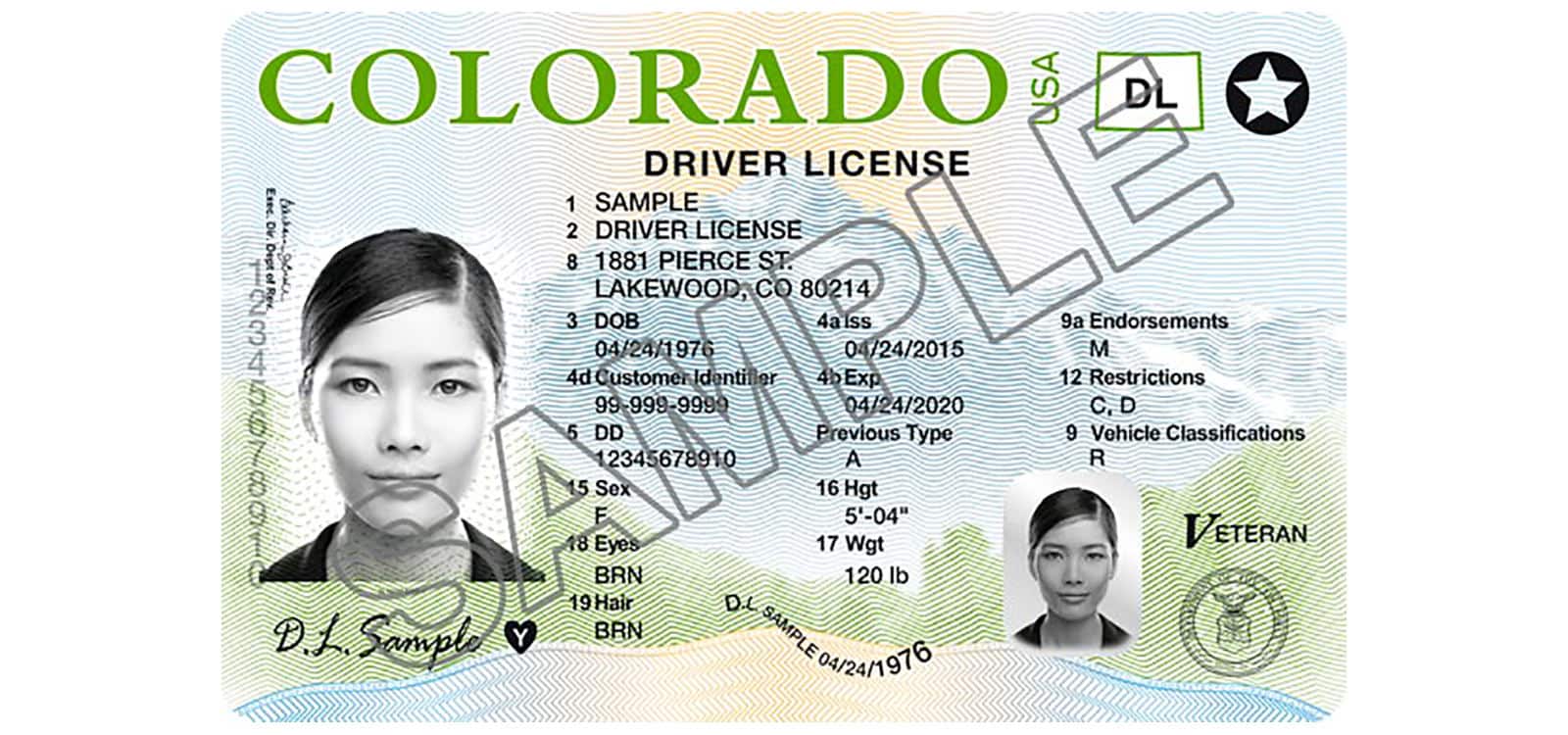
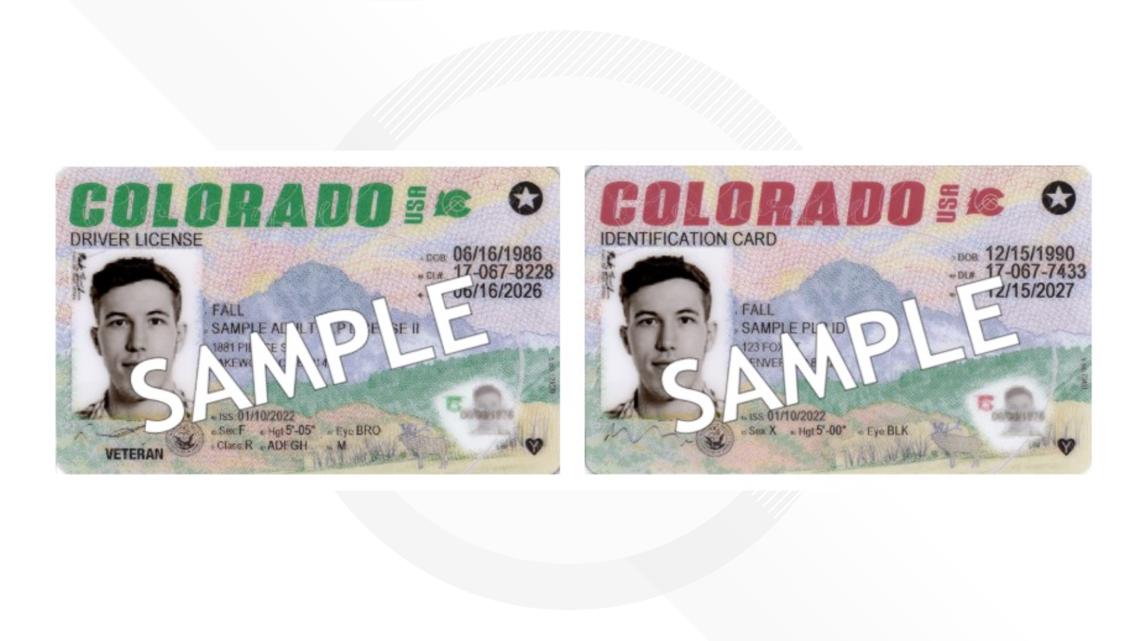
A Real ID-compliant driver’s license or identification card is easily distinguishable by a star symbol (either gold or black) typically located in the upper right corner of the card. This star signifies that the cardholder has met enhanced security requirements and that the identity documents used to obtain it have been verified. Unlike a standard driver’s license or state ID, which might still be valid for driving purposes, a Real ID is required for domestic air travel and access to federal facilities, including military bases, nuclear power plants, and some government buildings.
Why It Matters for Your Lifestyle
The most significant impact of the Real ID for most people revolves around travel. Without a Real ID or an alternative acceptable form of identification (like a passport), you will not be able to board federally regulated commercial flights, even for domestic travel. For the business traveler, the family vacation planner, or the adventurer exploring the United States, this means potential delays, missed flights, and considerable stress.
Beyond travel, professionals who regularly interact with federal agencies or need access to secure government facilities will find a Real ID indispensable. It streamlines entry and removes a layer of bureaucratic hassle, allowing for more efficient work and fewer interruptions. For anyone aiming for a hassle-free, prepared lifestyle, obtaining a Real ID in Colorado is a proactive measure that offers peace of mind and broadens your access to essential services and activities.
Eligibility and Documentation for Your Colorado Real ID
The process of obtaining a Real ID in Colorado is meticulous, requiring applicants to provide several documents to prove their identity, legal presence, social security number, and residency. This strict documentation requirement is precisely what gives the Real ID its enhanced security credentials. Being prepared with the correct paperwork before you visit the Colorado Division of Motor Vehicles (DMV) is crucial to avoid multiple trips and delays.
Gathering Your Proof of Identity
This is perhaps the most critical step. You’ll need to present one document proving your full legal name and date of birth. Examples include:
- An original or certified birth certificate (not a photocopy).
- A valid, unexpired United States passport or passport card.
- A Certificate of Naturalization or Certificate of Citizenship.
- A Consular Report of Birth Abroad.
The name on this document must match your current full legal name. If your name has changed due to marriage, divorce, or other legal action, you will also need to provide certified legal documents reflecting that change (e.g., marriage certificate, divorce decree, court order for name change).
Verifying Your Social Security Number
You must provide one document that displays your full Social Security Number (SSN). Acceptable documents include:
- Your Social Security card.
- A W-2 form.
- A Social Security Administration (SSA) 1099 form.
- A non-SSA 1099 form.
- A pay stub with your name and SSN.
Ensure the SSN on the document matches the name on your identity document. If you do not have an SSN or cannot locate your card, you may need to contact the Social Security Administration for assistance.
Proving Colorado Residency
To obtain a Colorado Real ID, you must demonstrate that you are a current resident of the state. This requires two different documents showing your name and current Colorado address. Each document must be from a separate source. Examples include:
- Utility bills (e.g., gas, electric, water, internet) issued within the last year.
- Bank statements from the last year.
- A valid Colorado vehicle registration or title.
- A pay stub or earnings statement issued within the last year.
- A lease agreement or mortgage statement.
- A property tax notice.
- Mail from a federal, state, or local government agency.

P.O. boxes are generally not accepted as proof of residency. The address on these documents must match the residential address you provide on your application.
Establishing Lawful Presence
For non-U.S. citizens, additional documentation is required to prove lawful presence in the United States. This typically includes:
- A valid, unexpired foreign passport with a valid United States visa and an I-94.
- A Permanent Resident Card (Green Card).
- An Employment Authorization Document (EAD card).
- Proof of asylum or refugee status.
It’s important to note that the specific documents required can vary based on your immigration status. The Colorado Division of Motor Vehicles website provides detailed lists tailored to different situations.
The Application Process: Step-by-Step in Colorado
Once you have meticulously gathered all your required documents, the actual application process for a Real ID in Colorado is relatively straightforward, designed for efficiency if you’re well-prepared.
Pre-Application and Scheduling Your Visit
While Colorado doesn’t typically offer a full online pre-application for the Real ID itself, you can often start by reviewing the checklist of documents on the Colorado Division of Motor Vehicles website to ensure you have everything. Many DMV offices in Colorado operate by appointment, which is highly recommended to minimize wait times and integrate seamlessly into your busy lifestyle. You can usually schedule an appointment online through the Colorado DMV portal, selecting your preferred location and time. This planning ensures your visit is efficient and stress-free.
Visiting the DMV and Completing Your Application
On the day of your appointment, arrive at the chosen DMV office in Colorado with all your original documents. Remember, photocopies are generally not accepted.
- Check-in: Present your appointment confirmation (if applicable) and be directed to the appropriate counter.
- Document Review: A DMV representative will carefully review all your submitted documents. This step is critical, as any discrepancies or missing information will require you to reschedule or return with the correct paperwork.
- Application Form: You will complete a Real ID application form, either electronically or on paper, verifying your personal information.
- Photo and Signature: Your photograph will be taken for your new ID, and you will provide your digital signature.
- Vision Test: You may be required to pass a simple vision test.
- Fees: You will pay the applicable fee for the Real ID. The fee structure is typically the same as for a standard driver’s license or state ID, but it’s always good to check current fees on the Colorado DMV website. Payment methods usually include cash, check, debit card, or credit card.
Receiving Your Temporary and Permanent ID
After successfully completing the application and payment, you will typically be issued a temporary paper Real ID. This temporary ID is valid for driving and can serve as proof that you have applied for a Real ID, though it may not be universally accepted for all federal purposes (e.g., domestic air travel) until you receive your permanent card. Your permanent Real ID card will then be mailed to your Colorado residential address within a few weeks. It’s crucial to check the mailing address provided to ensure accurate delivery.
Real ID vs. Standard Driver’s License: Key Differences and Lifestyle Implications
The distinction between a Real ID-compliant card and a standard Colorado driver’s license or identification card is paramount for anyone planning their lifestyle and future activities. While both serve as valid forms of identification within Colorado for purposes like driving, age verification, or proving residency, their federal acceptance differs significantly.
Functionality and Acceptance
A standard Colorado driver’s license or ID card, lacking the star symbol, will not be accepted by federal agencies for certain purposes after the full enforcement deadline. This means you cannot use it to board a domestic flight, enter a federal courthouse, or visit a military base. It still functions perfectly for driving, voting, and most state-level identification needs.
A Real ID-compliant card, with its distinctive star, will be accepted for all these federal purposes. This makes it the preferred choice for a lifestyle that involves regular travel or interaction with federal facilities. The convenience of using a single ID for most identification needs, both state and federal, greatly simplifies daily life and reduces the need to carry multiple forms of identification.
The Choice for Your Lifestyle
The decision to obtain a Real ID largely depends on your individual lifestyle and future plans.
- For the Traveler: If you plan to fly domestically within the United States at any point, a Real ID (or an alternative like a passport) is essential. Procrastinating on this could lead to significant travel disruptions.
- For Professionals Accessing Federal Buildings: Individuals whose jobs require entry into federal facilities will find the Real ID a necessity for seamless access.
- For Non-Travelers: If you primarily stay within Colorado and do not foresee needing to access federal facilities, a standard driver’s license or ID will suffice for most day-to-day activities. However, it’s worth considering the long-term perspective. Future plans might change, and having a Real ID ensures you’re prepared.
Ultimately, getting a Real ID in Colorado is an investment in your lifestyle, offering enhanced convenience, reduced stress, and expanded access to services and travel opportunities. By understanding the requirements and following the outlined steps, you can secure this vital identification document and ensure your personal logistics are always in order.
LifeOutOfTheBox is a participant in the Amazon Services LLC Associates Program, an affiliate advertising program designed to provide a means for sites to earn advertising fees by advertising and linking to Amazon.com. Amazon, the Amazon logo, AmazonSupply, and the AmazonSupply logo are trademarks of Amazon.com, Inc. or its affiliates. As an Amazon Associate we earn affiliate commissions from qualifying purchases.