
Embarking on a career in real estate in Texas offers a dynamic blend of challenge, reward, and unparalleled flexibility. The Lone Star State, known for its vast landscapes, bustling metropolises, and robust economy, presents fertile ground for aspiring realtors. From the historic charm of San Antonio to the tech-driven boom of Austin, the sprawling energy sector of Houston, and the financial prowess of Dallas and Fort Worth, Texas real estate is as diverse as its geography. Whether you’re passionate about helping families find their dream homes, guiding investors through lucrative property acquisitions, or facilitating the purchase of commercial spaces that drive local economies, becoming a licensed realtor in Texas opens doors to a fulfilling professional journey.
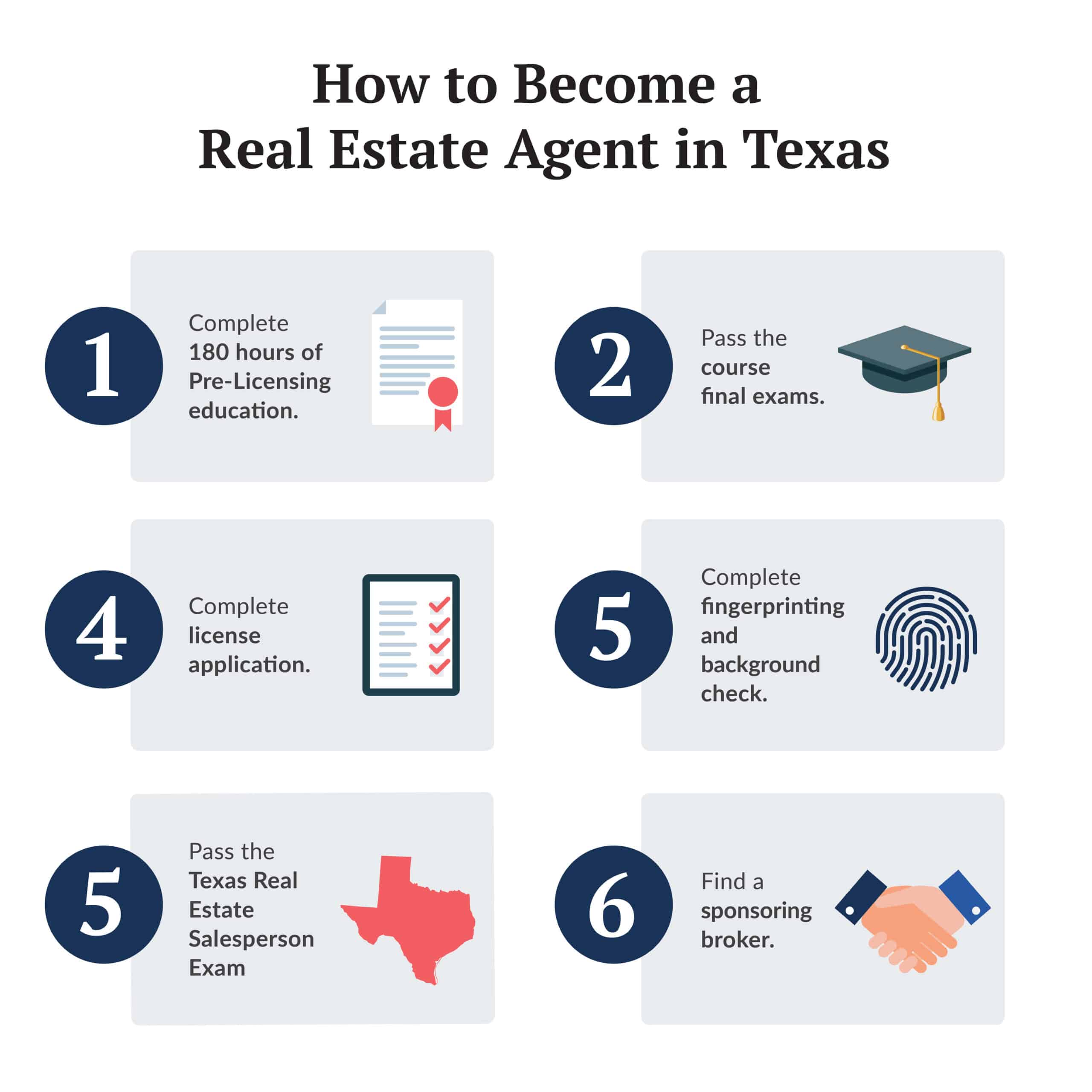
This comprehensive guide will walk you through every step of the process, from understanding the initial prerequisites to successfully passing your licensing exam and launching your career. We’ll delve into the educational requirements, the intricacies of the application process, and provide insights into what it takes to thrive in this exciting industry. For many, real estate isn’t just a job; it’s a lifestyle, offering the freedom to manage your own schedule, build meaningful client relationships, and directly impact people’s most significant life decisions. Given the state’s continuous growth in population and business, the demand for knowledgeable and ethical real estate professionals remains consistently high, making it an opportune time to consider this path.
Prerequisites for Becoming a Texas Realtor
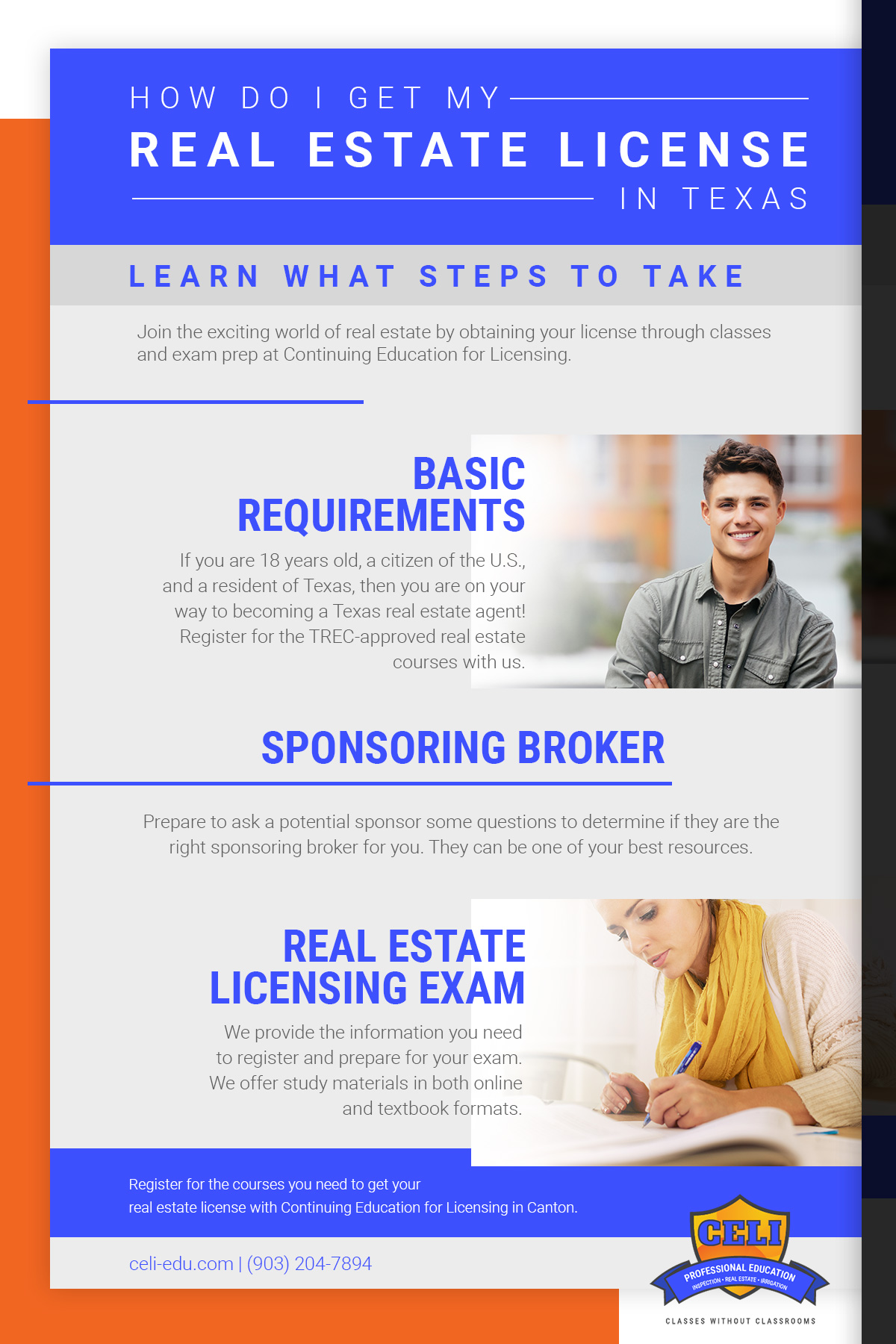
Before you can even begin your pre-licensing education, the Texas Real Estate Commission (TREC) has a set of fundamental eligibility requirements that all applicants must meet. These are designed to ensure that all licensed real estate professionals in Texas are prepared, responsible, and uphold the highest ethical standards. Understanding these initial hurdles is the first critical step in your journey to becoming a licensed realtor.
Eligibility Criteria: Age, Residency, and Background
To qualify for a real estate license in Texas, you must satisfy the following basic criteria:
- Age: You must be at least 18 years old. This is a standard requirement across most professional licensing boards, ensuring a level of maturity and legal capacity to enter into contracts and represent clients.
- Citizenship or Legal Residency: You must be a citizen of the United States or a lawfully admitted alien. This requirement ensures that individuals operating in such a significant capacity within the state’s legal framework are authorized to do so.
- Texas Residency: While not strictly mandated, if you’re residing in Texas, you’ll need to provide a mailing address within the state. If you are not a Texas resident, you may still apply, but you will need to meet specific additional requirements set by TREC, often including a background check facilitated through Texas authorities. Most applicants, however, are residents looking to practice within their local communities.
Beyond these objective criteria, TREC places a significant emphasis on an applicant’s character and trustworthiness, which leads us to the crucial aspect of the background check.
The Importance of a Clean Record: Background Checks and Character Suitability
A paramount requirement for obtaining a real estate license in Texas is passing a thorough background check. This process is integral to protecting the public and maintaining the integrity of the real estate profession. All applicants must consent to a fingerprint-based background check through the Texas Department of Public Safety (DPS) and the Federal Bureau of Investigation (FBI).
During this process, TREC reviews an applicant’s criminal history to determine their “honesty, trustworthiness, and integrity.” While a criminal record doesn’t automatically disqualify you, certain offenses, especially those related to fraud, theft, or violent crimes, can be significant barriers. TREC evaluates each case on an individual basis, considering factors such as the nature and severity of the crime, the amount of time that has passed since the offense, and evidence of rehabilitation.
It’s highly recommended that if you have any criminal history that might raise concerns, you consider requesting a “Fitness Determination” from TREC before investing time and money in pre-licensing education. This allows TREC to review your specific situation and provide an opinion on your eligibility, potentially saving you from a significant investment for a license you might not be able to obtain. This proactive step underscores TREC’s commitment to ensuring that only individuals of sound moral character are entrusted with the responsibilities of a real estate professional. The trust clients place in their realtor is immense, often involving their largest financial assets, and TREC acts as the guardian of that trust.
Navigating the Pre-Licensing Education Requirements
Once you meet the basic eligibility criteria, the next major hurdle is completing the required pre-licensing education. Texas has one of the most comprehensive real estate education programs in the country, designed to equip aspiring agents with the foundational knowledge necessary to practice effectively and ethically. This education ensures that you understand the complex legal, financial, and ethical aspects of real estate transactions.
Core Course Curriculum: The 180-Hour Journey
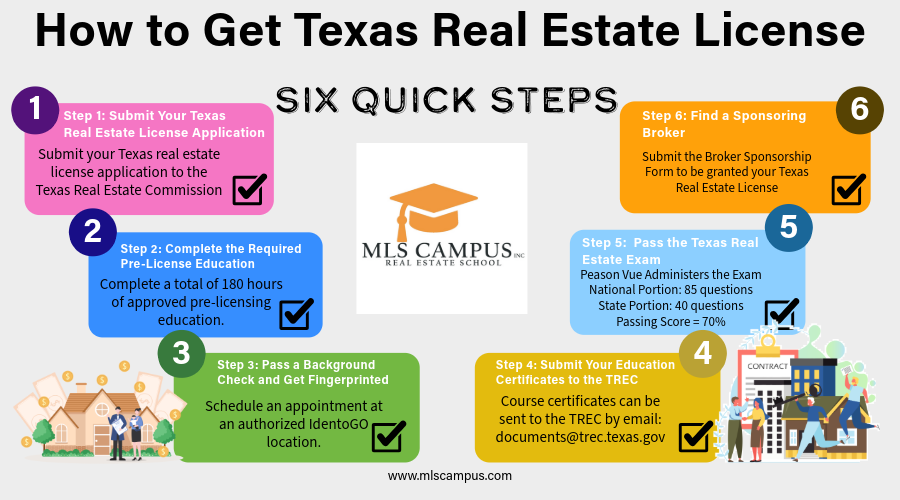
To become a licensed real estate sales agent in Texas, you must complete a total of 180 hours of qualifying real estate courses. These hours are divided into six specific courses, each covering a crucial aspect of real estate practice. Let’s break down the curriculum:
- Principles of Real Estate I (30 hours): This introductory course lays the groundwork, covering the fundamentals of real estate law, including property rights, types of ownership, and agency relationships. It introduces key terminology and concepts that are essential for understanding all subsequent topics.
- Principles of Real Estate II (30 hours): Building on the first course, Principles II delves deeper into topics like real estate finance, appraisal methods, property management, and fair housing laws. It expands your understanding of the broader real estate ecosystem and regulatory environment.
- Law of Agency (30 hours): This course is critical for understanding the legal relationship between a real estate agent and their clients. It covers various types of agency, the duties an agent owes to a principal, disclosure requirements, and the legal implications of dual agency and subagency. Mastering this course is vital for ethical practice and avoiding legal pitfalls.
- Law of Contracts (30 hours): Real estate transactions are fundamentally driven by contracts. This course focuses on the principles of contract law as they apply to real estate, including the elements of a valid contract, different types of agreements (such as purchase agreements, leases, and listing agreements), and remedies for breach of contract. A strong grasp of contract law is indispensable for every realtor.
- Promulgated Contracts Forms (30 hours): Unique to Texas, this course focuses specifically on the contract forms developed and promulgated by TREC for use by licensed real estate professionals. It teaches you how to properly fill out these forms, understand their clauses, and effectively represent clients using standardized, legally sound documents. This ensures consistency and protection for consumers.
- Real Estate Finance (30 hours): Understanding how real estate is financed is paramount. This course covers the various types of mortgage loans, the role of lenders, the loan application process, and key financial concepts like interest rates, amortization, and loan-to-value ratios. It also touches on government-backed loans and secondary mortgage markets.
This comprehensive curriculum is designed to provide a robust education, ensuring that new agents are well-prepared to navigate the complexities of real estate transactions, protect their clients’ interests, and comply with all state and federal regulations.
Choosing the Right Education Provider: Online vs. In-Person, Accredited Schools
The 180 hours of pre-licensing education must be completed through a real estate school approved by TREC. You have several options for how and where to complete these courses, each with its own advantages:
- Online Schools: For many aspiring realtors, online courses offer unparalleled flexibility. You can study at your own pace, on your own schedule, which is ideal for individuals juggling existing jobs, family commitments, or a travel-centric lifestyle. Online platforms typically offer interactive modules, quizzes, and digital textbooks. Many reputable online schools are approved by TREC and provide all the necessary content to prepare you for the state exam. This format is particularly appealing if you value independence and self-directed learning, allowing you to seamlessly integrate your studies with other life pursuits, such as exploring new destinations or managing a dynamic personal schedule.
- Traditional Classroom Settings: For those who thrive in a structured environment with direct instructor interaction and peer discussion, in-person classes offered by local real estate academies are an excellent choice. These provide a fixed schedule, which can help with accountability, and offer immediate opportunities to ask questions and network with classmates and instructors.
- Hybrid Programs: Some schools offer a blend of online and in-person learning, combining the flexibility of self-paced modules with the benefits of live classroom sessions for specific topics or Q&A.
When choosing a school, always verify that it is TREC-approved. Look for providers with strong reputations, positive student reviews, and a proven track record of helping students pass the state exam. Consider factors like course materials, instructor support, and any additional resources they offer, such as exam prep tools or career counseling. Investing in a quality education provider is an investment in your future real estate career.
The Application and Examination Process
Once your pre-licensing education is complete, the next phase involves formally applying for your license and then conquering the Texas Real Estate Sales Agent Exam. This stage requires meticulous attention to detail and a commitment to demonstrating your acquired knowledge.
Submitting Your Application to TREC: Step-by-Step Guide
The application process for a Texas real estate license is primarily handled online through the TREC website. Here’s a general overview of the steps:
- Create a My License Services Account: If you don’t already have one, you’ll need to create an account on the TREC website. This portal will be your hub for all licensing-related activities.
- Complete the Application Form: Fill out the “Application for an Inactive Sales Agent License.” It will ask for personal information, details about your education, and a declaration regarding any criminal history. Be honest and thorough, as any discrepancies can lead to delays or rejection.
- Pay the Application Fee: There is a non-refundable fee associated with the application. Check TREC’s website for the current fee schedule.
- Submit Education Certificates: Upload the certificates of completion for your 180 hours of pre-licensing education from your TREC-approved real estate school.
- Consent to a Background Check: As mentioned earlier, you’ll need to consent to a background check as part of the application.
TREC will review your application to ensure all requirements are met. Once your application is processed and approved (which can take several weeks, depending on the volume of applications and the complexity of your background check), you will receive authorization to schedule your licensing exam.
Fingerprinting and Background Check: Trust and Public Safety
Following your application submission, you will receive instructions from TREC on how to complete the fingerprinting process. This involves scheduling an appointment with an approved vendor (currently IdentoGO) to have your fingerprints electronically submitted to the Texas Department of Public Safety (DPS) and the Federal Bureau of Investigation (FBI).
The background check is a critical component of the licensing process, emphasizing public safety and ensuring that individuals granted real estate licenses possess the necessary honesty, trustworthiness, and integrity to conduct business in a highly sensitive field. The results of your background check are sent directly to TREC for review. Any issues discovered during this check could lead to a delay in processing or a request for additional information from TREC. It’s imperative to be transparent in your initial application to avoid complications later on.
Scheduling and Taking the Texas Real Estate Exam: What to Expect
Once TREC has approved your application and processed your background check, you will receive an “Eligibility for Examination” notification. This means you are cleared to schedule your Texas Real Estate Sales Agent Exam. The exam is administered by a third-party testing service, typically Pearson VUE.
Exam Structure and Content: State and National Portions
The Texas Real Estate Sales Agent Exam is a challenging comprehensive test designed to assess your understanding of real estate principles and practices. It consists of two main parts:
- National Portion (approx. 85 questions): This section covers general real estate principles and practices applicable across most states. Topics include property ownership, land use controls and regulations, valuation and market analysis, financing, real estate contracts, agency relationships, property disclosures, and federal fair housing laws.
- Texas State-Specific Portion (approx. 40 questions): This section focuses specifically on Texas real estate law, regulations, and TREC rules. It delves into the Texas Real Estate License Act (TRELA), promulgated forms, trust accounts, advertising rules, and other state-specific requirements.
You will have a total of 4 hours to complete the entire exam (2.5 hours for the national portion and 1.5 hours for the state portion). The questions are multiple-choice, and you’ll typically receive your results immediately after completing the test.
Passing Scores and Retake Policy
To pass the exam, you must achieve a minimum score of 70% on both the national and state portions. It’s crucial to pass both sections independently. If you pass one section but fail the other, you only need to retake the failed portion.
TREC allows up to three attempts to pass the exam. If you fail to pass after three attempts, you must complete an additional 30 hours of qualifying real estate education (for the portion you failed) before you can attempt the exam again. This policy underscores the importance of thorough preparation and taking your studies seriously. Many candidates choose to enroll in dedicated exam preparation courses, which often provide practice questions, simulated exams, and focused review sessions to boost their chances of success.
Activating Your License and Launching Your Career
Passing the state exam is a monumental achievement, but it’s not the final step before you can legally practice real estate. Your license will initially be issued as “inactive.” To begin working as a real estate agent, you need to find a sponsoring broker and officially activate your license. This phase marks the true beginning of your real estate career, involving mentorship, ongoing education, and the strategic development of your business.
Finding a Sponsoring Broker: Mentorship and Support
In Texas, all licensed real estate sales agents must be sponsored by a licensed real estate broker. A sponsoring broker acts as your employer, supervisor, and mentor. They are legally responsible for your real estate activities and play a crucial role in guiding your initial steps in the industry. Choosing the right broker is one of the most significant decisions you’ll make in your early career.
When searching for a sponsoring broker, consider the following:
- Training and Mentorship: Look for brokers who offer robust training programs, ongoing education, and a strong mentorship culture. Especially as a new agent, having experienced guidance is invaluable.
- Office Culture and Support: Find an office environment that aligns with your personality and work style. Some offices are highly collaborative, while others offer more independence. Consider administrative support, technology tools, and marketing resources available.
- Commission Splits and Fees: Understand the compensation structure, including commission splits, desk fees, and any other costs associated with joining the brokerage.
- Specialization: If you have a particular interest (e.g., residential, commercial, luxury properties, investment properties, or even specialized vacation rental management, which connects nicely to the accommodation aspect of our website), look for a broker with a strong presence in that niche.
- Geographic Focus: Choose a broker with a good market share and reputation in the specific areas where you intend to work, such as the vibrant communities around Dallas or the rapidly expanding suburbs of Houston.
Once you’ve secured a sponsoring broker, they will submit a “Sponsorship Request” through TREC’s online portal, officially activating your license and allowing you to begin practicing real estate.
Continuing Education (CE) Requirements: Lifelong Learning
The learning doesn’t stop once you get your license. TREC mandates continuing education (CE) to ensure that real estate professionals stay current with legal changes, market trends, and ethical standards.
- First Renewal (Sales Agent Apprentice Education – SAE): For your first two-year license renewal, you must complete a total of 90 hours of SAE courses, in addition to the standard 8 hours of CE. This “Apprentice Education” ensures new agents receive additional foundational knowledge beyond the pre-licensing requirements.
- Subsequent Renewals: After your first renewal, you will generally need to complete 18 hours of TREC-approved CE courses every two years to renew your license. This typically includes a 4-hour Legal Update I, a 4-hour Legal Update II, and 10 hours of elective CE courses.
Continuing education is vital for professional growth. It helps you adapt to new technologies, understand evolving consumer demands, and maintain a competitive edge in a dynamic market.
Building Your Real Estate Business: Marketing, Networking, and Specialization
With your active license and a sponsoring broker, you are now ready to build your real estate business. This involves strategic planning, effective marketing, and continuous networking.
- Marketing and Branding: Develop a strong personal brand. Utilize social media, create a professional website, and engage in local community events. A compelling brand identity will help you stand out in the crowded real estate market.
- Networking: Attend industry events, join local real estate associations, and build relationships with other agents, lenders, inspectors, and contractors. Networking is key to generating leads and building referral pipelines.
- Specializing in Investment Properties or Vacation Rentals: Given the website’s focus on travel, accommodation, and tourism, you might consider specializing in areas that align with these themes. Becoming an expert in investment properties—such as multi-family units, commercial spaces near popular attractions, or properties ideal for short-term vacation rentals (a booming market in many Texas cities)—can carve out a lucrative niche. You could guide clients on purchasing properties for their long-term stay accommodation needs or advise on converting residential properties into profitable vacation homes, leveraging your understanding of the local tourism landscape.
- Serving Diverse Client Needs: From First-Time Homebuyers to Luxury Travelers: Your clients will come from all walks of life. Some will be young families looking for their first home, while others might be high-net-worth individuals seeking luxury properties or investors looking to expand their portfolios in thriving markets like Austin or Houston. Tailoring your approach and expertise to diverse client needs will be crucial for long-term success.
The Lifestyle and Rewards of a Texas Real Estate Career
Beyond the financial incentives, a career in real estate in Texas offers a unique lifestyle and a myriad of personal and professional rewards that align well with themes of flexibility, independence, and personal growth.
Flexibility and Independence: Crafting Your Own Schedule
One of the most attractive aspects of being a realtor is the potential for significant flexibility and independence. Unlike a traditional 9-to-5 job, real estate often allows you to set your own hours, manage your calendar, and work remotely, especially with the advancements in technology. This autonomy empowers you to craft a work-life balance that suits your personal aspirations. For those who enjoy travel, a real estate career can offer the freedom to schedule trips, explore new destinations, and even work from different locations, provided you have the necessary tools and internet access. Imagine closing a deal from a luxury resort in the Caribbean or managing your client communications while enjoying a long-term stay in a charming European apartment. This flexibility makes real estate an ideal career path for individuals who value personal freedom and the ability to integrate their professional life with their preferred lifestyle.
Income Potential and Growth: A Lucrative Path
The income potential in real estate is directly tied to your effort, skill, and market savvy. While there’s no fixed salary, the commission-based structure means that the sky’s the limit for motivated individuals. Successful realtors can earn substantial incomes, far exceeding many traditional professions. As you gain experience, build a strong network, and establish a reputation, your earning potential can grow exponentially. Furthermore, the Texas real estate market, with its consistent growth and diverse opportunities (from bustling urban centers to expansive rural properties), provides a robust environment for building a thriving business. Whether it’s facilitating the sale of a historic landmark property in San Antonio or a modern condo in Dallas, each transaction brings not just financial reward but also valuable experience and client testimonials.
Contributing to the Community: Helping Clients Achieve Their Dreams
Perhaps the most profound reward of a real estate career is the satisfaction of helping people achieve significant life goals. For many, buying or selling a home is one of the most important financial and emotional decisions they will ever make. As a realtor, you become a trusted advisor, guiding clients through complex processes, alleviating their stress, and ultimately helping them realize their dreams. This could involve finding a young couple their first starter home, assisting a family in relocating to a new city, or helping an investor secure a property that will provide future financial security or serve as a fantastic vacation rental opportunity. The ability to positively impact individuals and families, contribute to community development, and facilitate meaningful transactions provides a deep sense of purpose and fulfillment that extends far beyond monetary gain. It’s a career where every successful closing is a testament to your dedication, expertise, and commitment to serving others.
Obtaining a realtor license in Texas is a journey that requires dedication, continuous learning, and an unwavering commitment to professional ethics. However, the comprehensive preparation and stringent requirements ultimately lead to a rewarding career path brimming with opportunities for personal growth, financial success, and the unique lifestyle freedom that many aspire to.
LifeOutOfTheBox is a participant in the Amazon Services LLC Associates Program, an affiliate advertising program designed to provide a means for sites to earn advertising fees by advertising and linking to Amazon.com. Amazon, the Amazon logo, AmazonSupply, and the AmazonSupply logo are trademarks of Amazon.com, Inc. or its affiliates. As an Amazon Associate we earn affiliate commissions from qualifying purchases.