
Navigating the bureaucratic landscape of vehicle ownership can sometimes feel like a labyrinth, especially when unexpected events like losing a vital document occur. In Texas, the vehicle title is the primary proof of ownership, and its loss, theft, or damage necessitates a replacement to ensure smooth transactions, such as selling, gifting, or registering your vehicle. This guide will provide a comprehensive, step-by-step approach to obtaining a replacement Texas vehicle title, ensuring you can re-establish your ownership documentation with confidence and efficiency. Understanding the process not only saves time but also prevents potential complications down the road.

Understanding the Texas Vehicle Title
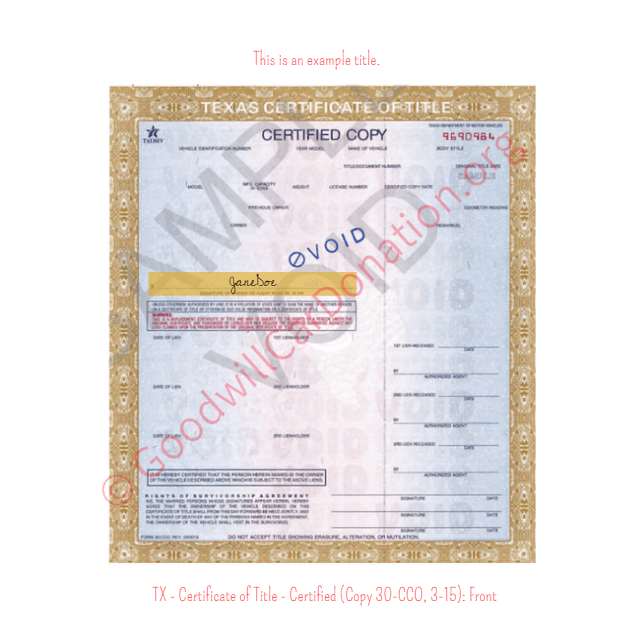
Before diving into the replacement process, it’s crucial to understand the significance of a vehicle title. A Texas Certificate of Title is a legal document issued by the Texas Department of Motor Vehicles (TxDMV) that signifies ownership of a motor vehicle. It contains essential information about the vehicle, including its Vehicle Identification Number (VIN), make, model, year, and the owner’s name and address. The title is indispensable for any transfer of ownership, whether you are buying, selling, or donating a vehicle. It also plays a role in obtaining vehicle insurance and registering your vehicle with the state. Without a valid title, you cannot legally transfer ownership, and you may face difficulties if you are stopped by law enforcement or wish to sell your vehicle.
Why You Might Need a Replacement Title
Several scenarios can lead to the need for a replacement vehicle title in Texas. The most common reasons include:
- Lost Title: Misplacement is a frequent cause. It might have been accidentally thrown away, lost in a move, or simply misplaced among important documents.
- Stolen Title: If your vehicle title was stolen, it’s essential to report it and obtain a replacement to prevent potential identity theft or fraudulent title transfers.
- Damaged Title: Water damage, tears, or illegible markings can render a title unusable for official purposes. A damaged title needs to be replaced to ensure all information is clear and verifiable.
- Name Change: If your legal name has changed due to marriage, divorce, or other reasons, you will need to update your title to reflect the current legal name associated with the vehicle.
- Mistakes on the Original Title: While less common, errors in the original title issuance can necessitate a request for a corrected or replacement title.
The Importance of a Clear Title
A clear title is free from liens or encumbrances, meaning no other party has a legal claim to the vehicle. If your vehicle has a lien (e.g., from a car loan), the lienholder will typically retain the title until the loan is fully paid off. Once the loan is satisfied, the lienholder will release the lien, and you will receive a clear title. If you are requesting a replacement title for a vehicle with a lien, the process might involve additional steps to ensure the lien is properly accounted for or released.
Steps to Obtain a Replacement Vehicle Title in Texas
The Texas Department of Motor Vehicles (TxDMV) handles the issuance of vehicle titles. To obtain a replacement title, you will need to complete a specific application and submit it along with the required documentation and fees.
Step 1: Gather Necessary Information and Forms
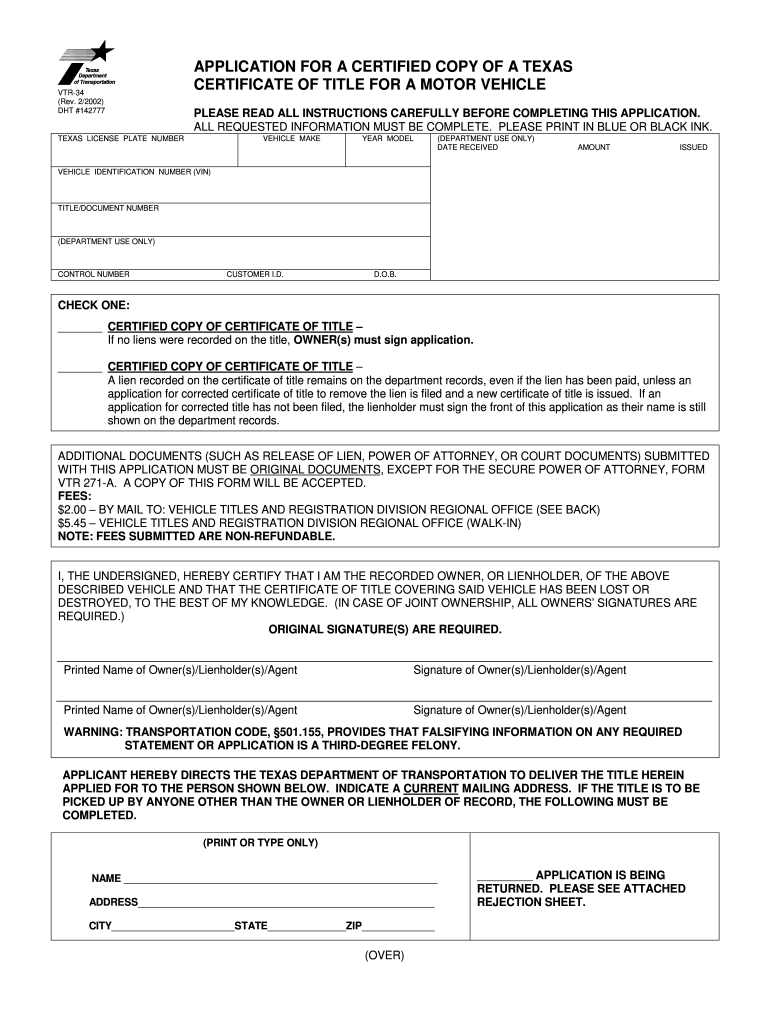
The primary form you will need is the Application for a Certified Copy of Title (Form VTR-395). This form can be downloaded from the Texas Department of Motor Vehicles website. You will need to accurately fill out all sections of the application.
Key information required on the form includes:
- Your Personal Information: Full name, current address, and driver’s license number.
- Vehicle Information: The Vehicle Identification Number (VIN), year, make, model, and body style of the vehicle.
- Previous Title Information: If you have any details about the original title, such as the title number or issuance date, it can expedite the process.
- Reason for Replacement: Clearly state why you need a replacement title (e.g., lost, stolen, damaged).
In addition to the application form, you will need to provide supporting documentation. This typically includes:
- Proof of Identity: A copy of your valid Texas driver’s license or other government-issued identification.
- Proof of Ownership: While you are applying for a replacement title because the original is missing, you may need to provide evidence of your prior ownership, such as a previous registration or bill of sale.
- Law Enforcement Report (if stolen): If your title was stolen, a copy of the police report is usually required.
- Bonded Title Information (if applicable): If you cannot prove ownership through traditional means and the vehicle has no prior Texas title, you may need to obtain a surety bond. This is a more complex process.
Step 2: Complete the Application for a Certified Copy of Title (VTR-395)
Carefully review the VTR-395 form and fill it out completely and accurately. Ensure that all vehicle details, particularly the VIN, are correct, as any discrepancies can cause delays. If the vehicle is jointly owned, all owners must sign the application. If one owner is deceased, you may need to provide a death certificate and potentially other legal documents to prove your right to apply for a replacement title.
Step 3: Submit the Application and Fees
Once the application is completed and all supporting documents are gathered, you can submit your application package to the Texas Department of Motor Vehicles. There are several ways to submit your application:
- By Mail: You can mail your completed application and payment to the Texas Department of Motor Vehicles, Title Bureau. The mailing address can be found on the TxDMV website or on the VTR-395 form itself.
- In Person: Some county tax assessor-collector offices may be able to process title applications, including replacement titles. It is advisable to call your local office beforehand to confirm if they offer this service and what their specific requirements are. This can often be a quicker option.
The fee for a replacement vehicle title in Texas is subject to change, but it is typically a modest amount. You can find the current fee schedule on the Texas DMV website. Acceptable payment methods usually include checks, money orders, and sometimes credit cards if applying in person at a county office.
Step 4: Processing and Receiving Your Replacement Title
After submitting your application, the Texas DMV will process your request. The processing time can vary depending on the volume of applications received and the accuracy of the information provided. Generally, you can expect to receive your replacement title within a few weeks.
If your application is incomplete or there are issues with the provided documentation, the DMV will contact you for clarification or additional information. It is crucial to respond promptly to any such requests to avoid further delays.
Once the replacement title is issued, it will be mailed to the address you provided on your application. It is imperative to ensure this address is current and accurate.
Special Circumstances and Considerations
While the process for a standard replacement title is relatively straightforward, certain situations may require additional steps or considerations.
Vehicles with Liens
If your vehicle has an outstanding lien, the lienholder is considered a co-owner of the title. When applying for a replacement title, you may need the lienholder’s consent or their cooperation. If you have paid off your loan, ensure the lien has been officially released by the lienholder. You might need to provide proof of lien release along with your replacement title application. If you are unable to obtain a release from the lienholder, you may need to pursue a bonded title.
Lost Title with No Proof of Ownership
In situations where the original title has been lost, and there is no clear proof of ownership (e.g., no bill of sale, no previous registration), obtaining a replacement can be more challenging. Texas offers a process for a “bonded title” in such cases. This involves obtaining a surety bond from an insurance company, which acts as a guarantee to the state that you are the rightful owner. This process is more complex and typically requires a waiting period. You will need to research the specific requirements for a bonded title in Texas.
Out-of-State Vehicles
If you are bringing a vehicle into Texas from another state and need to title it here, the process is different from obtaining a replacement title for a vehicle already titled in Texas. You will need to apply for a new Texas title, which typically involves a VIN inspection and surrendering the out-of-state title.
Transferring Ownership After Replacement
Once you have your replacement Texas vehicle title, you can proceed with any transactions requiring it, such as selling your vehicle or transferring ownership. Ensure that all parties involved sign the title correctly and that all necessary steps for the transfer are followed according to Texas regulations.
Tips for a Smooth Replacement Process
To ensure the replacement title process goes as smoothly as possible, consider these tips:
- Start Early: Do not wait until you desperately need your title to begin the replacement process. Start gathering information and filling out forms as soon as you realize the original is missing or damaged.
- Check the TxDMV Website: The Texas Department of Motor Vehicles website is the most reliable source for up-to-date forms, fee schedules, and procedural information. Visit it regularly to ensure you have the latest requirements.
- Be Thorough and Accurate: Double-check all the information you provide on the application and supporting documents. Inaccuracies are the most common cause of delays.
- Keep Copies: Make copies of your completed application, supporting documents, and any payment receipts for your records.
- Contact the TxDMV If Unsure: If you encounter any confusion or have specific questions about your situation, do not hesitate to contact the Texas DMV directly for assistance.
- Consider In-Person Application: If a county tax assessor-collector office offers title services and is convenient for you, applying in person can sometimes expedite the process and allow for immediate clarification of any issues.
Obtaining a replacement vehicle title in Texas is a manageable process when approached with clear understanding and careful attention to detail. By following these steps and being prepared, you can efficiently secure the necessary documentation to maintain the legal standing of your vehicle ownership.
LifeOutOfTheBox is a participant in the Amazon Services LLC Associates Program, an affiliate advertising program designed to provide a means for sites to earn advertising fees by advertising and linking to Amazon.com. Amazon, the Amazon logo, AmazonSupply, and the AmazonSupply logo are trademarks of Amazon.com, Inc. or its affiliates. As an Amazon Associate we earn affiliate commissions from qualifying purchases.