
Navigating the process of obtaining a resale certificate in Florida is a crucial step for any business intending to resell tangible personal property or taxable services. Often referred to as a sales and use tax exemption certificate or a wholesale license, this document empowers businesses to purchase goods for resale without being charged sales tax. This exemption is not a free pass to avoid tax entirely; rather, it shifts the responsibility of collecting and remitting sales tax to the point of final sale to the end consumer. Understanding the nuances of this process ensures compliance with Florida Department of Revenue regulations and helps businesses operate efficiently.
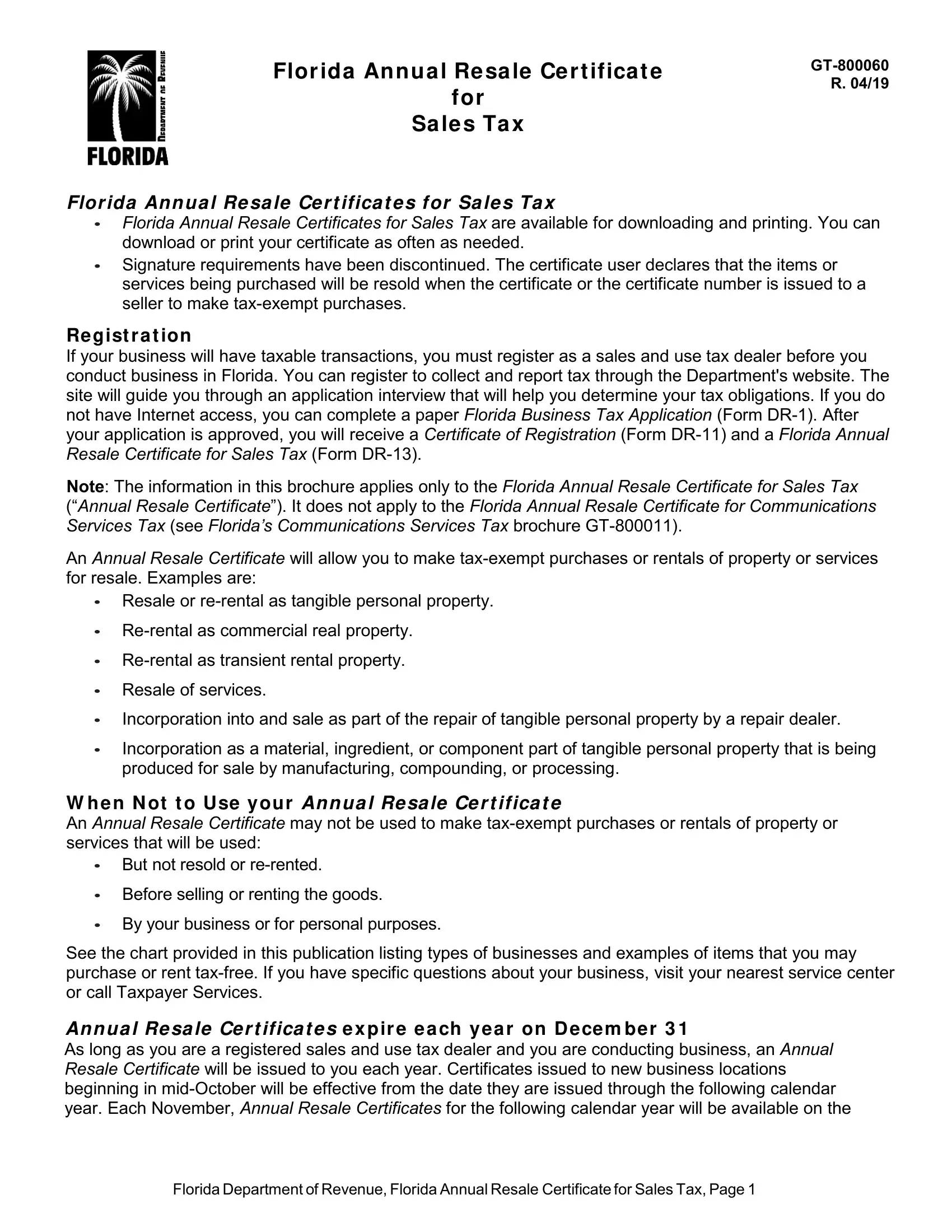
Understanding the Resale Certificate in Florida
A resale certificate is essentially a declaration by a buyer to a seller that the goods or services purchased will be resold to another party. When presented to a vendor, it signifies that sales tax is not due at the time of the initial transaction. This is a fundamental aspect of the sales tax system, designed to prevent multiple layers of taxation on the same goods as they move through the supply chain. In [Florida], the primary governing body for sales tax and resale certificates is the Department of Revenue.
Who Needs a Resale Certificate?
Any business that purchases items with the intent to resell them to the public, or incorporates them into a product that will be resold, typically needs a resale certificate. This includes a wide array of enterprises, from retail stores and online marketplaces to manufacturers and service providers who purchase materials for their services.
- Retailers: Businesses that sell goods directly to consumers, such as boutiques, electronics stores, or general merchandise shops, must obtain resale certificates to buy inventory tax-free.
- Wholesalers and Distributors: Companies that sell goods to other businesses for resale also utilize resale certificates when acquiring inventory from manufacturers or other distributors.
- Manufacturers: When purchasing raw materials or components that will become part of a finished product for sale, manufacturers will present resale certificates.
- Service Providers: Certain service providers who purchase tangible personal property for incorporation into their services can also use resale certificates. For example, a custom furniture maker might use a resale certificate to purchase wood and hardware.
- Online Sellers: E-commerce businesses, whether operating through platforms like Amazon or their own websites, are subject to the same sales tax requirements and must have a resale certificate for inventory purchases.
It is crucial to note that a resale certificate is not for personal use. Using a resale certificate for items that will not be resold is considered tax fraud and can result in significant penalties.
Legal Basis and Importance
The legal framework for sales tax in [Florida] is primarily established by Chapter 212 of the Florida Statutes. This chapter outlines the scope of taxable sales, the exemptions available, and the mechanisms for collection and remittance. The resale certificate serves as a vital tool for implementing the exemption for goods intended for resale, ensuring that tax is levied only on the final retail transaction.
Failing to obtain and properly use a resale certificate can lead to several negative consequences for a business:
- Unnecessary Tax Payments: Businesses that do not obtain a resale certificate will be charged sales tax on all their inventory purchases, increasing operational costs.
- Compliance Issues: The Florida Department of Revenue can audit businesses. If it’s found that items purchased tax-free were not resold or that tax was not collected on taxable sales, substantial penalties and back taxes can be assessed.
- Reputational Damage: A history of non-compliance can harm a business’s reputation with both customers and regulatory bodies.
Steps to Obtain a Resale Certificate in Florida
The process of obtaining a resale certificate in [Florida] is integrated with registering for a sales and use tax account. You cannot obtain a resale certificate in isolation; it is a feature of having a valid sales tax permit.
1. Register for a Sales and Use Tax Account
The first and most important step is to register your business with the Florida Department of Revenue to obtain a sales and use tax account number. This is commonly referred to as a seller’s permit or a sales tax license.
- Online Registration: The most efficient way to register is through the Florida Department of Revenue’s website. They offer an online portal where you can create an account and submit your application.
- Required Information: You will typically need to provide detailed information about your business, including:
- Federal Employer Identification Number (FEIN) or Social Security Number (if a sole proprietor without an FEIN).
- Business name and any “doing business as” (DBA) names.
- Business legal structure (sole proprietorship, partnership, corporation, LLC, etc.).
- Business address and mailing address.
- Description of business activities.
- Owner’s names and personal information.
- Estimated gross sales.
- Application Forms: While online registration is preferred, paper applications are also available if needed. The primary form is the “Application for Registration” (Form DR-1).
2. Receive Your Sales and Use Tax Account Number
Once your application is processed and approved, you will receive a sales and use tax account number from the Florida Department of Revenue. This number is unique to your business and is essential for all your sales tax-related activities, including the issuance and acceptance of resale certificates.
3. Issuing Resale Certificates to Vendors
With your sales and use tax account number, you are now authorized to issue resale certificates to your suppliers.
- The Resale Certificate Form: While there isn’t a single, universal “Florida Resale Certificate” form that must be used, the Florida Department of Revenue provides a template for a “Resale Certificate for Sales Tax” (Form DR-14). Many businesses use this form, but a seller is permitted to accept other valid resale certificates as long as they contain the essential information.
- Essential Information on a Resale Certificate: A valid resale certificate must include:
- The name and address of the purchaser (your business).
- The seller’s name and address.
- A description of the goods or services being purchased for resale.
- A statement that the goods or services are being purchased for resale.
- The purchaser’s Florida sales and use tax account number.
- The signature of the purchaser or an authorized representative.
- When to Use It: Present the completed resale certificate to your vendor at the time of purchase. This tells them that sales tax is not due on that transaction.
- Record Keeping: It is crucial to keep copies of all resale certificates you issue to your vendors for your own records. This documentation is vital in case of an audit.
4. What if Your Vendor Doesn’t Accept Your Certificate?
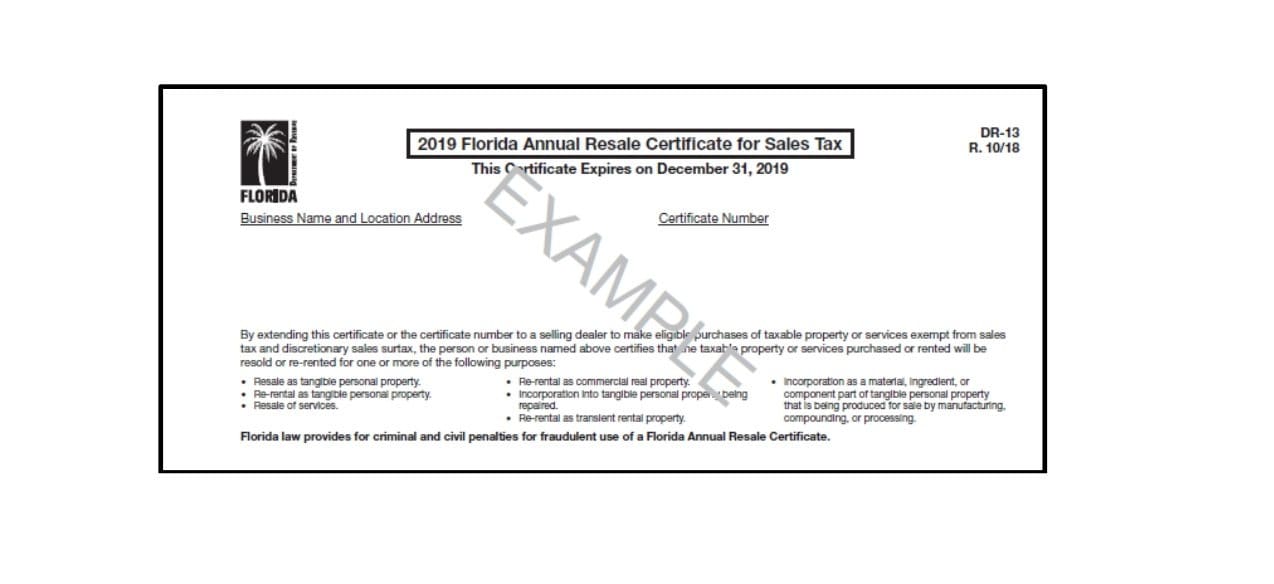
Generally, vendors are required to accept valid resale certificates. If a vendor refuses to accept your certificate, you should inquire about their specific policy. Some vendors may have their own preferred format or require you to fill out their specific form. However, they cannot unreasonably refuse a properly completed certificate.
Specific Scenarios and Considerations
While the core process is straightforward, certain business models or situations may require special attention regarding resale certificates.
1. Out-of-State Businesses Selling into Florida
Businesses located outside of [Florida] that have nexus with the state (e.g., physical presence, significant sales volume) are required to collect and remit Florida sales tax. These businesses will also need to register for a Florida sales and use tax account and can then issue resale certificates to their suppliers for goods intended for resale in [Florida].
2. Online Marketplaces and Drop Shipping
- Online Marketplaces: Platforms like Amazon and eBay are increasingly responsible for collecting and remitting sales tax on behalf of third-party sellers. However, sellers still need to understand their obligations and ensure they have a resale certificate for inventory purchases made directly from their suppliers.
- Drop Shipping: In a drop shipping arrangement, where a seller doesn’t keep inventory but instead transfers customer orders and shipment details to a manufacturer, wholesaler, or other distributor, the drop shipper must still have a valid resale certificate to purchase the goods tax-free from their supplier. They are then responsible for collecting and remitting sales tax to the customer’s state.
3. Purchases Not for Resale
It is imperative to reiterate that a resale certificate is only for items intended for resale. Purchases for use in your business operations, such as office supplies, equipment, furniture for your office, or cleaning supplies, are generally subject to sales tax. You cannot use a resale certificate for these items.
4. Multi-State Operations
If your business operates in multiple states, you will need to comply with the sales tax regulations of each state. This means obtaining a resale certificate or equivalent in each state where you are required to register for sales tax.
Maintaining Compliance
Obtaining the resale certificate is just the first step. Ongoing compliance is essential to avoid issues with the Florida Department of Revenue.
1. Accurate Record Keeping
Maintain meticulous records of all your sales and purchases. This includes:
- Copies of all resale certificates issued to your vendors.
- Invoices from your suppliers showing sales tax paid (if applicable) or indicating the use of a resale certificate.
- Records of sales, differentiating between taxable and non-taxable sales.
- Documentation of sales tax collected and remitted.
2. Understanding Taxable vs. Non-Taxable Items
While many goods are taxable in [Florida], certain exemptions exist. It’s important to understand what is taxable and what is not to ensure you are collecting the correct amount of sales tax. Items that are resold are generally exempt from sales tax at the wholesale level but become taxable at the retail level.
3. Periodic Review and Audits
The Florida Department of Revenue conducts audits to ensure compliance. If you are audited, you will need to present all your records, including sales tax returns, invoices, and resale certificates. Proper documentation is your best defense against penalties and back taxes.

4. Seeking Professional Advice
For complex business structures, multi-state operations, or if you have any doubts about your sales tax obligations, it is highly recommended to consult with a qualified tax professional or attorney specializing in Florida tax law. They can provide tailored advice and ensure your business remains compliant.
By diligently following these steps and maintaining a commitment to accurate record-keeping and compliance, businesses in [Florida] can effectively leverage resale certificates to manage their sales tax obligations and operate smoothly within the state’s economic framework.
LifeOutOfTheBox is a participant in the Amazon Services LLC Associates Program, an affiliate advertising program designed to provide a means for sites to earn advertising fees by advertising and linking to Amazon.com. Amazon, the Amazon logo, AmazonSupply, and the AmazonSupply logo are trademarks of Amazon.com, Inc. or its affiliates. As an Amazon Associate we earn affiliate commissions from qualifying purchases.