
California, often referred to as the Golden State, is a vibrant hub of innovation, culture, and breathtaking natural beauty. From the sun-kissed beaches of San Diego to the majestic redwoods of the north, and from the bustling urban sprawl of Los Angeles to the rolling vineyards of Napa Valley, it’s a destination that captivates travelers and entrepreneurs alike. For those dreaming of starting a business in this dynamic state, especially one that involves selling tangible goods, understanding the legal and financial prerequisites is crucial. One of the foundational steps for many aspiring business owners in California is obtaining a Seller’s Permit, also known as a sales tax permit or a resale license. This essential document allows you to legally sell items and collect sales tax on behalf of the state.
Whether you envision opening a charming boutique hotel, selling artisan crafts at a local market in Santa Barbara, running a food truck near Hollywood, or even starting an online store catering to tourists visiting Lake Tahoe, a Seller’s Permit is often your first bureaucratic hurdle. Far from being just a formality, this permit signifies your commitment to operating a legitimate business, collecting sales tax responsibly, and contributing to the state’s economy. Navigating the permit process might seem daunting at first, but with the right guidance, it’s a straightforward path to unlocking your entrepreneurial potential in one of the world’s most exciting travel and lifestyle destinations.
Understanding the California Seller’s Permit: Who Needs One?
A Seller’s Permit in California is required for any individual or entity planning to sell tangible personal property that is subject to sales tax. This broadly includes most physical goods, from clothing and souvenirs to food items and handcrafted products. The permit isn’t just for traditional brick-and-mortar stores; it extends to a wide array of business models that are increasingly popular within the travel, tourism, and lifestyle sectors. Understanding who needs one is the first critical step toward compliance and successful business operation.
Common Businesses Requiring a Permit in the Golden State
The diversity of California’s economy means a vast range of businesses fall under the Seller’s Permit requirement. For those inspired by the state’s rich culture and tourist appeal, here are some examples:
- Retail Stores and Boutiques: From high-end fashion boutiques on Rodeo Drive in Beverly Hills to souvenir shops near the Golden Gate Bridge in San Francisco, any establishment selling physical goods to consumers must have a permit.
- Craft Vendors and Market Stalls: Many visitors to California enjoy exploring local farmers’ markets, art fairs, and craft shows. If you’re selling handmade jewelry, artwork, local produce, or other goods at events like the Pasadena Rose Bowl Flea Market or a weekend market in Venice Beach, a Seller’s Permit is essential.
- Food Trucks and Pop-up Restaurants: The culinary scene in California is legendary, with food trucks and pop-up eateries being a significant part of it. If you’re selling prepared food or beverages, you’ll need a permit to collect sales tax on your taxable sales. This applies whether you’re serving tacos in San Jose or gourmet coffee in Oakland.
- Online Retailers: Even if your business operates solely online, selling to customers within California from a location within the state, you are generally required to obtain a Seller’s Permit. This includes e-commerce platforms selling local California products, travel-themed merchandise, or unique lifestyle goods.
- Wholesale Businesses: If you purchase goods for resale and intend to sell them to other businesses (who will then sell to the end consumer), you will still need a Seller’s Permit. This allows you to issue a resale certificate to your suppliers, exempting your purchases from sales tax because you will collect the tax from the end customer.
- Short-Term Accommodation Providers (with ancillary sales): While the rental of rooms itself is generally not subject to sales tax (though transient occupancy taxes apply), if your boutique hotel, villa, or glamping site in Palm Springs also sells souvenirs, snacks, or other tangible goods, you’ll need a permit for those sales.
- Event Organizers Selling Merchandise: If you’re organizing a music festival in Indio or a sports event in Anaheim and plan to sell event-branded merchandise like T-shirts, hats, or posters, a Seller’s Permit is necessary.
Exemptions are rare but exist, primarily for services or non-taxable goods. However, if you’re involved in selling any form of tangible personal property, assume you’ll need a permit.
The Economic Landscape for Entrepreneurs in California
California’s robust economy and its status as a global tourism magnet make it an attractive place for entrepreneurs. The state’s diverse geography supports various niche markets: wine tourism in Sonoma County, outdoor adventure gear sales near Yosemite National Park, cultural artifacts in San Francisco’s vibrant neighborhoods, or entertainment-related merchandise in Universal City.
The state consistently attracts millions of domestic and international visitors, creating a massive market for unique products and experiences. From luxury resorts along the coast to quaint bed-and-breakfasts in historic towns, the opportunities for ancillary sales are numerous. Obtaining a Seller’s Permit is not just a regulatory hurdle; it’s an entry point into this thriving commercial ecosystem, allowing you to legally tap into the spending power of residents and tourists alike. It’s a testament to your professionalism and readiness to contribute to the economic fabric of a state renowned for its innovation and entrepreneurial spirit.
Step-by-Step Guide to Applying for Your California Seller’s Permit
The process of obtaining a California Seller’s Permit is managed by the California Department of Tax and Fee Administration (CDTFA). While it might seem complex initially, breaking it down into manageable steps makes it quite straightforward. The CDTFA’s online portal is designed to streamline the application process for new businesses.
Gathering Necessary Information and Documentation
Before you even start the online application, it’s crucial to have all your ducks in a row. Having the correct information readily available will prevent delays and frustration. Here’s what you’ll typically need:
-
Business Information:
- Business Name: The legal name of your business.
- Business Address: The physical location where your business will operate or where your records will be kept.
- Mailing Address: If different from your business address.
- Business Start Date: The date you anticipate making your first sale.
- Type of Business Activity: A description of the goods you will be selling. Be specific (e.g., “handmade jewelry,” “gourmet coffee,” “travel souvenirs”).
- Organizational Type: Whether you’re a sole proprietorship, partnership, corporation, LLC, etc.
- Federal Employer Identification Number (FEIN): If your business has employees or is structured as a corporation or partnership. Sole proprietors without employees may use their Social Security Number (SSN).
- North American Industry Classification System (NAICS) Code: A six-digit code that classifies your primary business activity. You can easily find this online.
-
Owner/Officer Information:
- Name and SSN: For all owners, partners, or corporate officers.
- Driver’s License or State ID Number: For verification purposes.
- Contact Information: Phone number and email address.
-
Financial Information:
- Estimated Monthly/Quarterly Taxable Sales: An estimate of how much taxable property you expect to sell each month or quarter. This helps the CDTFA determine your filing frequency (monthly, quarterly, or annually).
- Bank Information: While not always required at the initial application, having your business bank account details ready for future tax payments is wise.
-
Permit Type: Decide if you need a regular Seller’s Permit for ongoing sales or a temporary Seller’s Permit for short-term selling (e.g., at a specific craft fair or festival that lasts less than 90 days). Most businesses will need a regular permit.
Navigating the Online Application Process with the CDTFA
Once you have all your information ready, you can proceed to the California Department of Tax and Fee Administration (CDTFA) website. The application is typically done online, offering the quickest and most efficient route.
- Visit the CDTFA Website: Go to the official CDTFA website (www.cdtfa.ca.gov). Look for a section related to “New Business” or “Register for a Permit.”
- Create an Online Account: If you don’t already have one, you’ll need to create an online services account. This account will be used for your application, filing sales tax returns, and managing your permit.
- Start the Application: Follow the prompts to begin the “Register a New Business Activity” application.
- Enter Business Information: Accurately input all the business details you gathered in the previous step.
- Provide Owner/Officer Details: Enter the required personal information for all responsible parties.
- Review and Submit: Carefully review all the information you’ve entered for accuracy. Any errors could delay the processing of your permit. Once satisfied, submit your application.
The online application process is generally intuitive, with clear instructions at each step. If you encounter any difficulties, the CDTFA website offers FAQs, guides, and contact information for assistance. There is no fee to apply for a Seller’s Permit.
What Happens After You Apply?
After submitting your application, the CDTFA will review it. The processing time can vary, but online applications are usually processed within a few days to a couple of weeks.
- Confirmation: You will typically receive a confirmation email or message indicating that your application has been received.
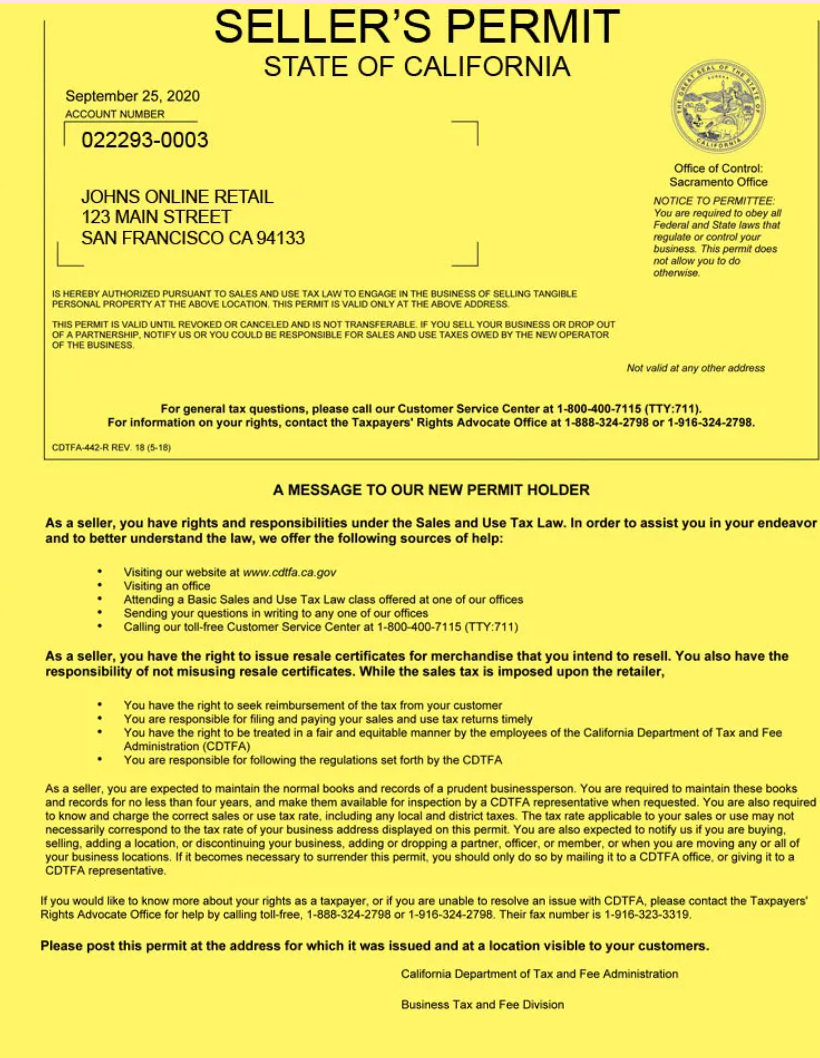
- Permit Issuance: Once approved, your Seller’s Permit will be mailed to your business address. This physical document should be prominently displayed at your business location. For online businesses, keeping it readily accessible for records is sufficient.
- Account Access: Your online CDTFA account will be updated, providing you with access to your sales tax account, filing deadlines, and other important information.
- Sales Tax Schedule: The CDTFA will also inform you of your assigned filing frequency (e.g., monthly, quarterly, or annually) based on your estimated taxable sales.
Receiving your Seller’s Permit is a significant milestone, marking your official entry into the commercial landscape of California. It enables you to operate legally, collect sales tax, and contribute to the state’s infrastructure and public services, which indirectly benefits the very tourism and lifestyle sectors your business might be a part of.
Beyond the Permit: Maintaining Compliance and Growing Your Business
Obtaining your California Seller’s Permit is just the beginning. To ensure long-term success and avoid potential penalties, it’s vital to understand your ongoing responsibilities, particularly concerning sales tax collection and reporting. Moreover, leveraging the numerous resources available to small businesses in California can significantly aid in growth and expansion.
Sales Tax Collection and Reporting in California
Your Seller’s Permit grants you the authority and obligation to collect sales tax from your customers on taxable sales. This tax is not part of your business’s revenue; rather, you are collecting it on behalf of the state.
- Understanding Sales Tax Rates: California has a statewide base sales tax rate, but local district taxes are added on top of this, meaning the actual sales tax rate varies by city and county. For instance, the rate in Los Angeles County will differ from that in San Francisco County or Orange County. It’s crucial to know the correct rate for your business’s location and for any sales made to customers in other districts. The CDTFA website provides a useful “Sales and Use Tax Rate Search” tool.
- Collecting Sales Tax: Ensure your point-of-sale (POS) system, e-commerce platform, or invoicing method is set up to accurately calculate and collect the correct sales tax from your customers.
- Filing Sales Tax Returns: Based on your assigned filing frequency (monthly, quarterly, or annually), you must file sales tax returns with the CDTFA. Even if you have no sales during a period, you typically still need to file a “zero return.” These returns detail your total sales, taxable sales, and the amount of sales tax collected.
- Remitting Sales Tax: Along with filing your return, you must remit the sales tax you collected to the CDTFA by the due date. Payments can usually be made online through your CDTFA account.
- Record Keeping: Maintain meticulous records of all sales, sales tax collected, exemptions, and returns filed. These records are essential for audits and for ensuring compliance.
Failure to collect, report, or remit sales tax correctly can result in penalties, interest charges, and legal issues. If you are ever unsure, it’s always best to consult with a tax professional or contact the CDTFA directly.
Resources and Support for Small Businesses
California is rich with resources designed to support small businesses, particularly those looking to thrive in the state’s dynamic tourism and lifestyle sectors.
- Small Business Development Centers (SBDCs): These centers offer free or low-cost counseling, training, and resources to entrepreneurs at all stages of business development. They can help with business planning, marketing, and navigating regulatory requirements beyond just the Seller’s Permit.
- Chambers of Commerce: Local Chambers of Commerce, such as the Los Angeles Area Chamber of Commerce or the San Francisco Chamber of Commerce, provide networking opportunities, advocacy, and local business support.
- Industry-Specific Associations: For businesses in tourism, hospitality, or local crafts, joining relevant associations (e.g., California Hotel & Lodging Association, various artisan guilds) can offer valuable insights, advocacy, and connections.
- Online CDTFA Resources: The CDTFA website itself is a comprehensive resource, offering publications, guides, and workshops on sales and use tax laws.
Utilizing these resources can provide invaluable guidance, connect you with mentors, and help you stay updated on changes in regulations, ensuring your business remains compliant and positioned for growth.

Exploring Business Opportunities Across California’s Regions
Armed with your Seller’s Permit and a strong understanding of your tax obligations, the possibilities for launching and growing a business in California are immense. Each region offers unique opportunities that align with the lifeoutofthebox.com themes:
- Coastal Regions: From Monterey’s historic wharf to the picturesque cliffs of Big Sur, coastal towns are perfect for businesses selling marine-themed crafts, beachwear, or fresh seafood. Consider a boutique accommodation selling local artisan goods.
- Wine Country: Napa Valley and Sonoma County are prime for businesses selling wine-related accessories, gourmet food products, or offering specialized food and wine tours that might include merchandise sales.
- Major Metropolises: Los Angeles, San Francisco, and San Diego offer massive markets for a wide range of products, from high-end fashion to niche cultural items. Think about running a luxury travel agency that sells custom travel kits or a unique experience provider selling memorabilia.
- Mountain and Desert Regions: Areas around Lake Tahoe, Mammoth Lakes, or Palm Springs cater to outdoor enthusiasts and those seeking relaxation. Businesses here could sell outdoor gear, resort wear, or locally inspired art.
Starting a business in California is an exciting venture that blends the thrill of entrepreneurship with the allure of a world-renowned destination. By meticulously navigating the process of obtaining a Seller’s Permit and diligently adhering to tax regulations, you lay a solid foundation for a compliant, successful, and impactful business that contributes to the vibrant tapestry of the Golden State.
LifeOutOfTheBox is a participant in the Amazon Services LLC Associates Program, an affiliate advertising program designed to provide a means for sites to earn advertising fees by advertising and linking to Amazon.com. Amazon, the Amazon logo, AmazonSupply, and the AmazonSupply logo are trademarks of Amazon.com, Inc. or its affiliates. As an Amazon Associate we earn affiliate commissions from qualifying purchases.