
Embarking on a journey to become an educator in Texas is an exciting prospect, offering a blend of professional fulfillment and a vibrant lifestyle unique to the Lone Star State. Whether you’re a seasoned professional seeking a career change, a recent graduate eager to make an impact, or an out-of-state teacher looking for new horizons, Texas welcomes passionate individuals to its classrooms. This comprehensive guide will walk you through the process of obtaining your teaching certificate in Texas, weaving in the rich travel, tourism, and lifestyle opportunities that await educators in this diverse state.
Embarking on Your Educational Journey in the Lone Star State
The decision to teach in Texas is often driven by the state’s robust economy, growing population, and strong commitment to education. Beyond the classroom, teachers in Texas discover a state brimming with cultural experiences, natural beauty, and a welcoming community spirit. Understanding the certification process is your first step towards unlocking these opportunities.
Understanding the Appeal of Teaching in Texas
Texas offers a diverse range of teaching environments, from bustling urban centers like Houston and Dallas to charming small towns nestled in the Hill Country or along the Gulf Coast. The state’s rapid growth means a continuous demand for qualified educators across all subjects and grade levels. This demand, coupled with competitive salaries and a relatively low cost of living in many areas, makes Texas an attractive destination for aspiring and experienced teachers alike.
Beyond the professional advantages, becoming a teacher in Texas means immersing yourself in a culture known for its hospitality, delicious cuisine, and a strong sense of community. Imagine spending your weekends exploring the live music scene in Austin, delving into the history of San Antonio’s Alamo and Riverwalk, or unwinding on the beaches of Galveston or South Padre Island. The journey to certification is not just about gaining a qualification; it’s about embarking on a new chapter in a state that promises adventure and a fulfilling lifestyle.
Initial Eligibility: Laying the Foundation for Your Career
Before you can apply for a teaching certificate in Texas, you must meet several foundational requirements set by the Texas Education Agency (TEA). These ensure that all educators entering Texas Public Schools possess a strong academic background and meet ethical standards.
- Bachelor’s Degree: The cornerstone of eligibility is a bachelor’s degree from an accredited institution. While your degree can be in any field, your coursework should typically align with the subject area you wish to teach. For those considering relocating to Texas to pursue their degree, cities like Austin, Dallas, and Houston boast renowned universities offering diverse programs.
- Minimum GPA: Generally, you’ll need a minimum GPA of 2.5 on a 4.0 scale, or a 2.5 in your last 60 semester hours of coursework. Some alternative certification programs might have slightly different requirements, so it’s crucial to check with individual providers.
- Background Check and Fingerprinting: All prospective teachers in Texas must undergo a national background check and fingerprinting. This is a standard procedure to ensure the safety and well-being of students. If you’re new to the state, factor in a visit to a designated IdentoGO location – an interesting side trip that could take you through various communities, giving you a glimpse of local life.
Meeting these initial criteria sets the stage for the more structured phases of your certification journey.
Navigating the Certification Pathways: Your Road Map to the Classroom
Texas offers multiple pathways to teacher certification, designed to accommodate individuals with varying educational backgrounds and career stages. Choosing the right path depends on your specific circumstances, prior experience, and personal preferences.
Exploring Program Options: Traditional vs. Alternative Routes
Your primary decision will be between a traditional university-based program and an alternative certification program (ACP).
- Traditional University Programs: This pathway is ideal for current college students or those who prefer a structured, campus-based learning environment. Many universities across Texas offer bachelor’s and master’s degrees in education, often incorporating clinical teaching (student teaching) directly into the curriculum. If you opt for this route, you might spend a few years living in a vibrant college town like Austin or College Station, where you can explore local attractions, student-friendly eateries, and perhaps even stay in charming university-area accommodations during campus visits.
- Alternative Certification Programs (ACPs): For individuals who already hold a bachelor’s degree (or higher) and wish to transition into teaching, ACPs are a popular and efficient option. These programs are designed to provide the necessary pedagogical training and classroom experience quickly, often allowing candidates to teach as an intern while completing their certification requirements. ACPs vary in format, duration, and cost, so it’s wise to research several options approved by the TEA. Many ACPs have cohorts starting throughout the year, offering flexibility. As you research different programs, you might find yourself traveling to various cities for information sessions or interviews, providing an excellent opportunity to sample the local culture and consider where you might want to live and work. Some candidates might even consider a short-term stay in a service apartment or an extended-stay hotel while attending intensive program phases.
Mastering the Required Examinations: A Step-by-Step Guide
Regardless of the pathway you choose, passing state-mandated exams is a crucial step towards certification. These exams ensure that you possess the content knowledge and pedagogical skills necessary for effective teaching.
- Content Area Exams (TExES): The Texas Examinations of Educator Standards (TExES) are subject-specific tests that assess your knowledge in the area you wish to teach (e.g., English Language Arts and Reading 7-12, Math 4-8, EC-6 Core Subjects). You’ll typically take one or more of these exams depending on your desired certification area(s). Preparing for these can be rigorous, and some educators find that a short retreat to a peaceful Texas Hill Country resort for focused study can be incredibly beneficial.
- Pedagogy and Professional Responsibilities (PPR) Exam: This exam evaluates your understanding of effective teaching practices, classroom management, child development, and professional ethics. It’s a comprehensive test that ensures you’re ready to manage a classroom and foster student learning.
- Supplemental Exams (if applicable): Depending on your certification area, you might need to pass additional exams, such as for bilingual education or English as a Second Language (ESL).
Scheduling these exams requires careful planning. Test centers are located in various cities across Texas, providing another chance to explore a new locale. Perhaps you’ll take your exam in Fort Worth and then enjoy its historic Stockyards, or in El Paso and savor the unique border culture.
Gaining Practical Experience: Clinical Teaching and Internships
Hands-on classroom experience is vital. Both traditional and alternative pathways require a period of practical application:
- Clinical Teaching (Student Teaching): This is typically a full-time, unpaid placement where you work under the guidance of an experienced mentor teacher in a Texas Public School. It’s an immersive experience that allows you to apply theoretical knowledge in a real classroom setting.
- Internship: Candidates in alternative certification programs often complete an internship, where they are hired as a full-time teacher while completing their certification requirements. This allows you to earn a salary while gaining valuable experience.
During your clinical teaching or internship, you’ll truly get to experience daily life in a Texas community. This is an excellent opportunity to engage with local events, try regional cuisines, and connect with fellow educators who can introduce you to the best of their city or town. Living in a new community, even for a semester or a year, can be an enriching travel experience in itself, offering insights into local culture that goes beyond typical tourism. You might rent a room, find a short-term apartment, or stay in a charming local bed and breakfast during your initial setup.
From Certification to Classroom: Embracing the Texas Teacher Lifestyle
Once you’ve successfully navigated the certification process, a world of opportunity opens up. Becoming a teacher in Texas isn’t just a career; it’s an invitation to a fulfilling lifestyle that balances professional growth with personal enrichment.
Discovering Teacher Life in Texas: Culture, Community, and Compensation
Texas teachers are valued members of their communities, often finding a strong sense of belonging and support. The state generally offers competitive salaries, especially in larger districts, and many districts provide benefits packages that support a comfortable lifestyle. Work-life balance can vary by district and school, but the long summer breaks and numerous holidays offer ample time for personal pursuits, travel, and relaxation.
Beyond the workplace, Texas boasts a vibrant cultural scene. From world-class museums in Houston’s Museum District and Dallas’s Arts District to the historic missions of San Antonio and the cowboy heritage of Fort Worth, there’s always something to explore. The culinary landscape is legendary, with everything from authentic Tex-Mex and mouth-watering BBQ to upscale dining experiences. Engaging with these aspects of Texas life becomes a natural part of being an educator here.
Top Cities for Educators: Where to Live, Work, and Play
Choosing where to teach often involves considering a city’s amenities, cultural offerings, and cost of living. Here are a few top cities in Texas that are particularly appealing to educators:
- Austin: Known as the “Live Music Capital of the World,” Austin offers a progressive, outdoor-oriented lifestyle. Teachers here enjoy access to numerous parks, lakes, and a thriving arts scene. It’s a great place for those who appreciate a blend of urban excitement and natural beauty.
- Houston: The fourth-largest city in the U.S., Houston is a global hub with a diverse population, world-class medical center, and the Space Center Houston. Its vast school districts offer a wide array of opportunities, and its diverse culinary scene is unmatched.
- Dallas: A sophisticated metropolis, Dallas is known for its upscale shopping, vibrant arts and culture, and historical landmarks like the Sixth Floor Museum. It offers excellent career growth opportunities within its large school districts.
- San Antonio: Rich in history and culture, San Antonio offers a charming blend of Spanish colonial heritage and modern amenities. The Riverwalk is a famous attraction, and the city’s historic missions provide a unique backdrop for educators seeking a community with deep roots.
- Corpus Christi: For those drawn to coastal living, Corpus Christi provides beautiful beaches, water sports, and a relaxed atmosphere. It’s an ideal location for teachers who want to combine their passion for education with a love for the ocean.
When considering a move, researching accommodation options is key. Many educators start by exploring short-term rental apartments or checking out the amenities of extended-stay hotels before committing to a long-term lease, allowing them to experience different neighborhoods.
Exploring Texas: Weekend Escapes and Cultural Immersion
The Texas teacher lifestyle isn’t just about the workweek; it’s also about making the most of your free time. The state’s vastness means there’s always a new destination to discover, perfect for weekend getaways or longer holiday explorations.
- Nature and Outdoors: Immerse yourself in the rugged beauty of Big Bend National Park or Guadalupe Mountains National Park for hiking and stargazing. The Texas State Parks system offers countless opportunities for camping, fishing, and exploring unique ecosystems. Don’t forget the pristine beaches of Padre Island National Seashore.
- Wine Country: Head to Fredericksburg in the Hill Country for a taste of Texas’s burgeoning wine industry, complete with charming bed and breakfasts and gourmet dining.
- Historic Towns: Explore towns like Gruene or Jefferson for a step back in time, enjoying antique shops, historic architecture, and local festivals.
- Coastal Retreats: The Gulf Coast offers an array of beach towns, from the historic charm of Galveston to the lively shores of South Padre Island, perfect for a relaxing escape.
These travel opportunities aren’t just for vacations; they are part of the broader lifestyle of an educator in Texas, offering rejuvenation and a deeper connection to the state’s diverse offerings.
Final Steps and Continuous Growth: Building a Lasting Career
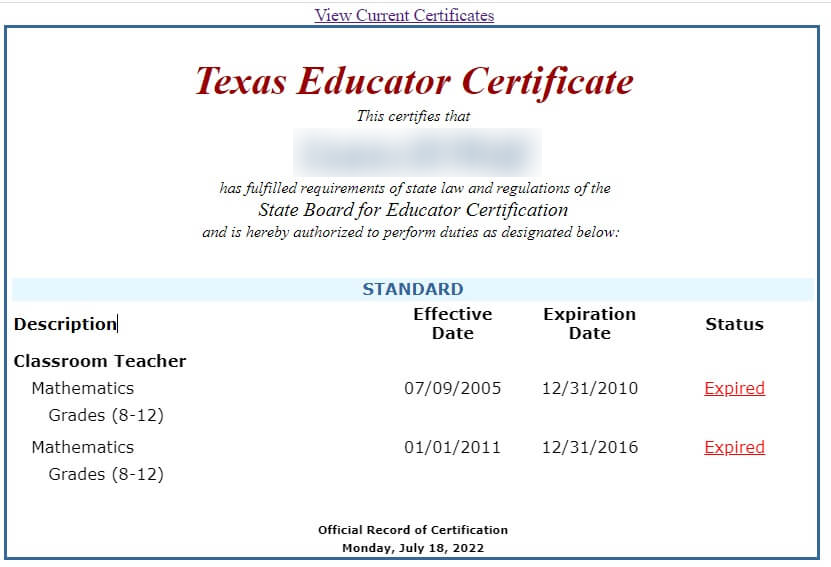
Once you have completed all requirements, you will submit your application for certification through the TEA website. This involves uploading necessary documents and paying any associated fees. The TEA will then review your application, and upon approval, your Texas teaching certificate will be issued.
Becoming a certified teacher in Texas is a significant achievement, but the journey doesn’t end there. Professional development is an ongoing process, with continuing education requirements to maintain your certificate. This commitment to growth ensures that Texas teachers remain at the forefront of educational best practices, continually refining their skills and adapting to the evolving needs of their students.
The path to obtaining a teaching certificate in Texas is a well-defined one, offering various avenues to suit different aspirations. It’s a journey that culminates not just in a professional qualification, but in the opportunity to shape young minds within a state that offers a rich tapestry of experiences, from vibrant cities and historical landmarks to breathtaking natural landscapes. Embrace this opportunity, and prepare to embark on a rewarding career and an enriching lifestyle in the Lone Star State.
LifeOutOfTheBox is a participant in the Amazon Services LLC Associates Program, an affiliate advertising program designed to provide a means for sites to earn advertising fees by advertising and linking to Amazon.com. Amazon, the Amazon logo, AmazonSupply, and the AmazonSupply logo are trademarks of Amazon.com, Inc. or its affiliates. As an Amazon Associate we earn affiliate commissions from qualifying purchases.