
The mere mention of Alaska often conjures images of snow-capped mountains, vast glaciers, and endless icy tundras. While these breathtaking scenes are undoubtedly part of the state’s allure, they paint an incomplete picture, especially for those considering a visit during its warmer months. Alaska, the largest state in the United States, experiences a remarkable spectrum of climates, with summer temperatures that can surprise even the most seasoned travelers. Far from being a land perpetually frozen, Alaska in summer transforms into a vibrant, green landscape basking under the famous Midnight Sun, offering an array of warm-weather adventures, unique cultural experiences, and unparalleled natural beauty.
Understanding how warm Alaska truly gets is key to planning an unforgettable trip, whether you’re dreaming of hiking through wildflowers, spotting abundant wildlife, or simply enjoying the extended daylight hours. The website, dedicated to travel, hotels, tourism, accommodation, landmarks, and lifestyle, aims to demystify Alaska’s summer climate, helping you prepare for a journey that defies common misconceptions and reveals a state teeming with life and warmth. From bustling urban centers to remote wilderness, Alaska offers a summer experience unlike any other, proving that this northern frontier is far from just a winter wonderland.
Understanding Alaska’s Diverse Climate Zones
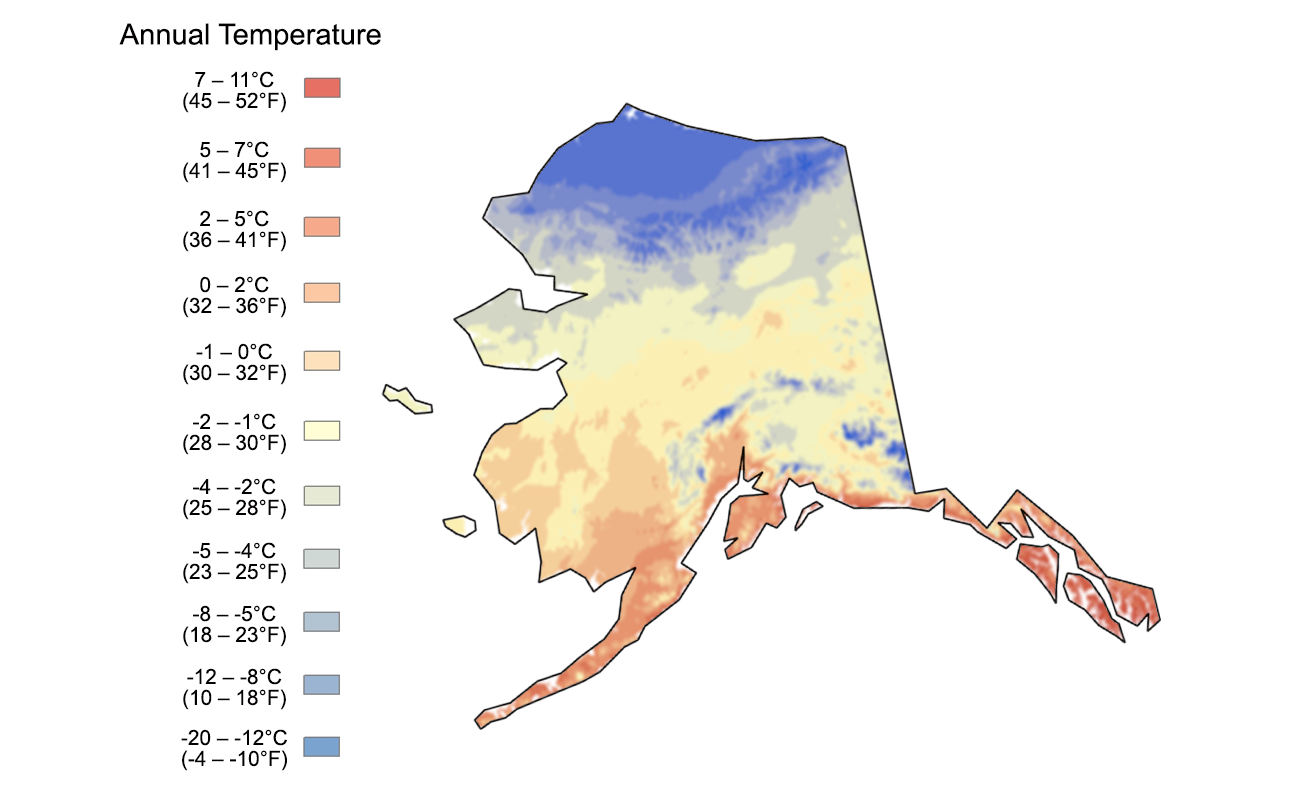
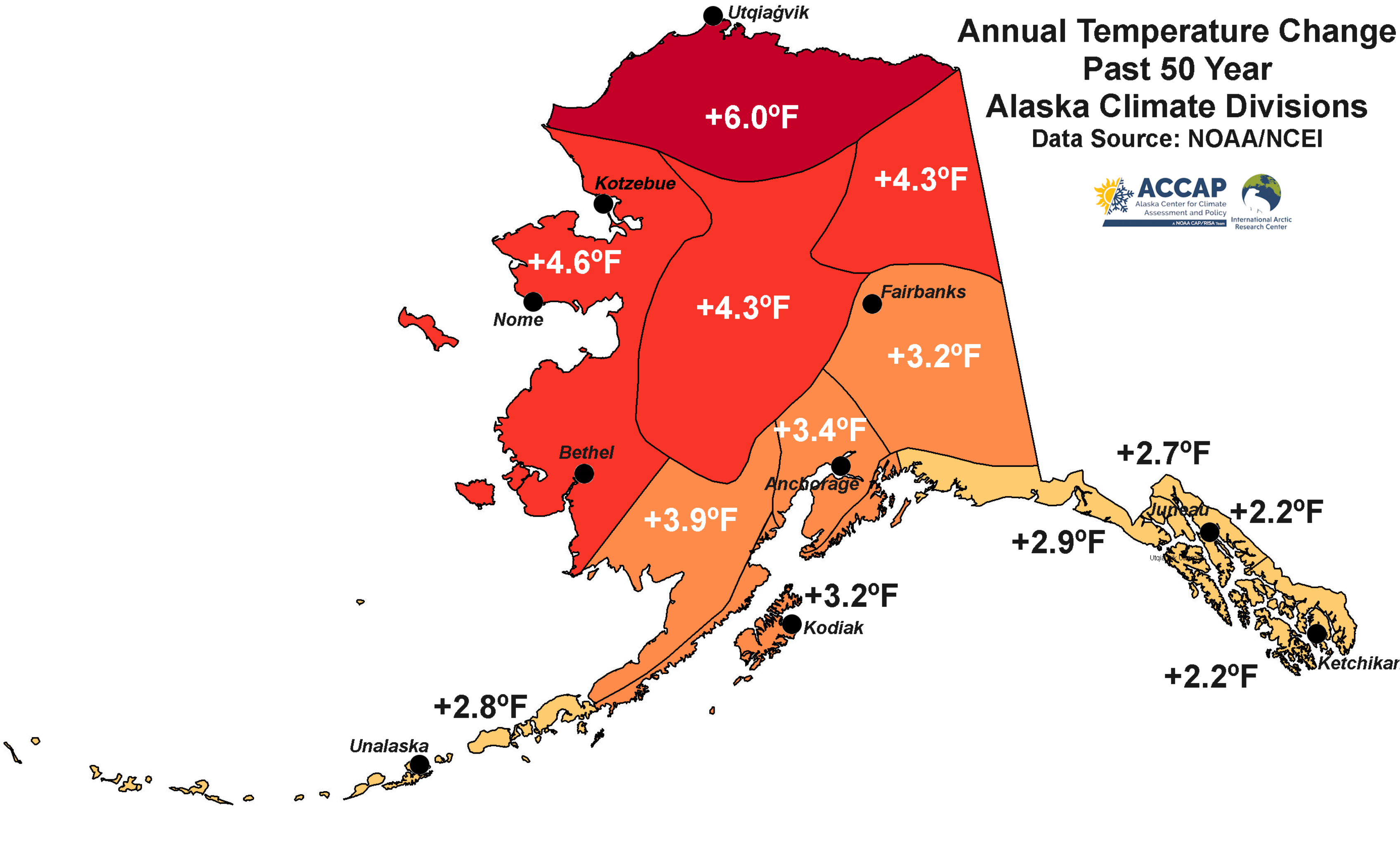
Alaska’s vast geographical expanse means that its climate varies significantly from one region to another. What might be a mild, rainy day on the coast could be a sweltering, sunny afternoon in the interior, or a crisp, cool day in the Arctic. To truly grasp Alaska’s summer warmth, it’s essential to break down the state into its primary climatic zones: the Interior, the Coastal regions, and the Arctic and Subarctic. Each zone offers distinct weather patterns and, consequently, unique travel experiences for visitors.
The Interior’s Scorching Summers
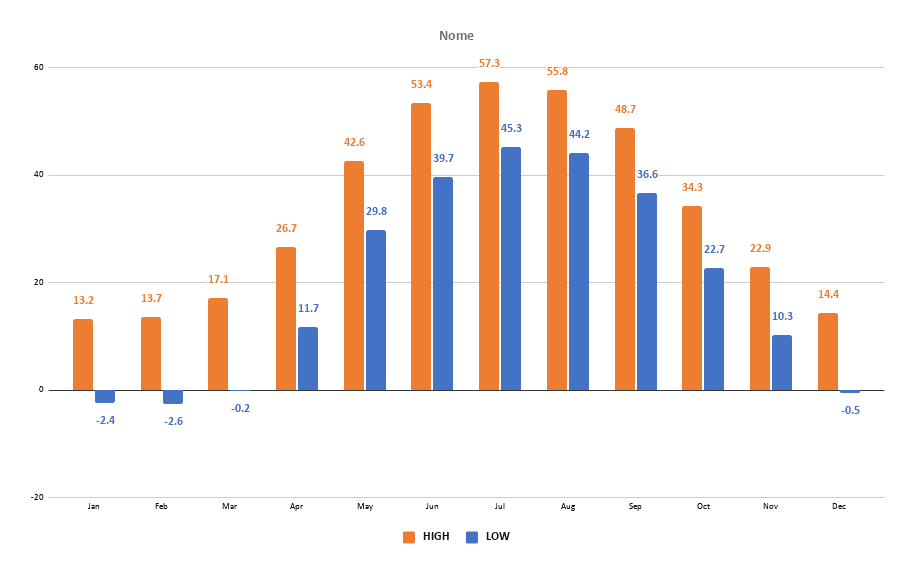
Contrary to popular belief, Interior Alaska can experience remarkably hot summers. Cities like Fairbanks, situated inland, are known for their extreme seasonal temperature swings. During July, the warmest month, daily high temperatures in Fairbanks typically range from 70-80°F (21-27°C), with nights cooling down to 50-60°F (10-16°C). It’s not uncommon for temperatures to soar into the 90s°F (32°C+) during heatwaves, challenging any preconceived notions of Alaska as perpetually frigid. This dry, continental climate allows for long, sunny days and relatively low humidity, making the heat feel less oppressive than in more humid regions.
This summer warmth in the interior transforms the landscape, allowing for lush vegetation and vibrant wildflowers. It’s the ideal season for exploring Denali National Park, where wildlife is active, and hiking trails beckon. Accommodation options in and around Fairbanks and Denali range from cozy cabins and lodges to more upscale resorts, catering to various lifestyle preferences, from budget-conscious adventurers to those seeking luxury. The Chena Hot Springs Resort, for instance, offers a unique blend of warm summer days and the therapeutic warmth of its natural springs, even providing opportunities to see the aurora borealis if you stay into the cooler shoulder seasons. For a comfortable stay near the park entrance, the Grande Denali Lodge provides breathtaking views and easy access to park activities.
Coastal Regions: Milder with Maritime Influence
Coastal Alaska, influenced by the Pacific Ocean, generally experiences milder temperatures and higher humidity compared to the interior. Cities like Anchorage, Juneau (the state capital), Seward, and Ketchikan fall into this category. In Anchorage, summer daily highs typically range from 60-70°F (15-21°C), with nights cooling to 40-50°F (4-10°C). While not as hot as Fairbanks, these temperatures are perfectly comfortable for outdoor activities such as hiking, biking, and exploring urban attractions. Juneau sees similar highs, often accompanied by more rainfall due to its rainforest environment. Further south, Ketchikan, part of the Inside Passage, also enjoys mild summers, but with significantly more precipitation.
The maritime influence keeps extreme heat at bay but contributes to lush green landscapes and abundant marine life. This is the prime time for cruises through the Inside Passage, whale watching tours, and glacier viewing in places like Glacier Bay National Park. Anchorage, as Alaska’s largest city, serves as a major hub, offering a wide range of hotels, from boutique stays to large resorts like the Hotel Captain Cook, providing amenities for every traveler’s preference. Near Anchorage, the Alyeska Resort in Girdwood combines luxury accommodation with easy access to hiking and scenic tram rides. Juneau also provides excellent accommodation choices, with many offering stunning views of the surrounding mountains and water. For those exploring Glacier Bay National Park, the Glacier Bay Lodge offers a unique stay immersed in nature.
The Arctic and Subarctic: Cooler Extremes
Venturing north into Arctic Alaska and the subarctic regions reveals a different story of warmth. While these areas also experience a summer thaw, temperatures remain considerably cooler than in the interior or coastal zones. In Utqiaġvik (formerly Barrow), the northernmost city in the United States, July highs typically hover around 40-50°F (4-10°C), with nights dipping into the 30s°F (0-4°C). The ground thaws only a few feet deep, revealing permafrost beneath. Prudhoe Bay, another key northern settlement, experiences similar temperature ranges.
Despite the cooler temperatures, summer in the Arctic brings 24 hours of daylight, a phenomenon known as the Midnight Sun, allowing for continuous exploration. This unique environment supports specialized wildlife, like polar bears and migratory birds, making it a bucket-list destination for intrepid travelers. While traditional hotel options are limited in these remote areas, specialized tours and lodges cater to those seeking an authentic Arctic experience, often combining accommodation with guided excursions to observe the unique landscape and wildlife. These destinations offer a truly unique lifestyle experience, often focused on rugged adventure and immersion in local Alaska Native cultures.
Summer in Alaska: Unveiling a Warm-Weather Wonderland
The warmth of Alaska’s summer unlocks a plethora of activities and experiences that are simply not possible during the colder months. This transformation from icy wilderness to green haven makes summer the peak tourism season, drawing visitors from across the globe eager to witness its natural splendor and partake in its unique offerings. For travel enthusiasts, this is when Alaska truly shines as a premier destination.
Outdoor Adventures and Wildlife Encounters
With comfortable temperatures and endless daylight, Alaska’s summer is synonymous with outdoor adventure. Hiking trails throughout the state, from the popular paths in Chugach State Park near Anchorage to the vast wilderness of Denali National Park, become accessible and inviting. Kayaking and rafting are popular on rivers and lakes, while ocean kayaking allows for up-close encounters with marine life in places like Prince William Sound or Kachemak Bay near Homer. Fishing, particularly for salmon and halibut, is a major draw, with charter trips available from virtually every coastal town, including Seward, Homer, and Kodiak.
Wildlife viewing reaches its peak in summer. Bears (grizzly, black, and polar), moose, caribou, and Dall sheep are commonly sighted. Birdwatchers flock to observe migratory species that spend their summers nesting in Alaska. Whale watching tours provide opportunities to see humpbacks, orcas, and gray whales breaching in the waters of the Inside Passage and the Gulf of Alaska. For an unparalleled bear viewing experience, flights to Katmai National Park or Lake Clark National Park during the salmon run are bucket-list items. The Alaska Wildlife Conservation Center near Girdwood offers a guarantee of seeing many of Alaska’s iconic species in a rehabilitation setting.
Cultural Festivals and Midnight Sun Experiences
Alaska’s summer warmth also fosters a vibrant cultural scene. Local communities, invigorated by the return of warm weather and endless daylight, host numerous festivals and events. These range from music festivals and art fairs to celebrations of Alaska Native heritage and traditions. Exploring the history of the Klondike Gold Rush National Historical Park in Skagway or learning about Sitka’s Russian-American past at Sitka National Historical Park provides a deeper understanding of Alaska’s rich cultural tapestry. The Alaska Native Heritage Center in Anchorage offers an immersive experience into the diverse indigenous cultures of the state.
The phenomenon of the Midnight Sun, where the sun never fully sets for weeks or even months in northern regions, is a unique aspect of Alaska summers. This extended daylight allows for more extensive sightseeing, late-night activities, and an overall feeling of exhilaration. Imagine golfing at midnight in Fairbanks or simply enjoying a late dinner with natural light pouring through your window. It’s a surreal experience that defines the Alaskan summer lifestyle. Many tourism operators offer specific “Midnight Sun” excursions, from scenic flights to river cruises, capitalizing on this extraordinary natural wonder.
Planning Your Warm-Weather Alaskan Escape
To make the most of Alaska’s surprisingly warm summers, thoughtful planning is essential. Considerations for accommodation, packing, and timing can significantly enhance your travel experience, ensuring comfort and convenience while exploring this magnificent state.
Choosing Your Accommodation: From Cozy Cabins to Luxury Resorts
Alaska’s summer tourism boom means a wide array of accommodation options are available, catering to every preference and budget. In major cities like Anchorage and Fairbanks, you’ll find everything from internationally recognized hotel brands to charming local inns and vacation rentals. Resorts like Alyeska Resort in Girdwood offer luxury amenities amidst stunning mountain scenery, while the Hotel Captain Cook in Anchorage provides an upscale urban experience. For those seeking a more rustic or immersive nature experience, lodges and cabins abound near national parks and wilderness areas. These often offer guided tours and meals, providing a comprehensive travel package.
Booking in advance is highly recommended, especially for popular destinations and unique stays during the peak summer months (June to August). Utilizing online booking platforms for hotels, resorts, apartments, and villas allows for comparison of prices and amenities, ensuring you find the perfect base for your Alaskan adventures. Don’t forget to check reviews and consider the proximity to attractions or transportation hubs like the Ted Stevens Anchorage International Airport or the Alaska Railroad terminals, which can greatly influence your overall travel experience.
Packing Essentials for Alaska’s Variable Summer
Despite the potential for warm temperatures, Alaska’s weather can be unpredictable and change rapidly, even within a single day. The key to successful summer packing is layering. Bring lightweight, breathable clothing for warm days, but always include warmer layers such as fleeces or sweaters, a waterproof and windproof jacket, and sturdy, waterproof hiking shoes. Even in July, mornings and evenings can be cool, especially in coastal areas or near glaciers. A hat, gloves, and insect repellent are also highly recommended, particularly for wilderness excursions.
For photography enthusiasts, extra batteries are a must to capture the stunning landscapes under the extended daylight. Sunglasses and sunscreen are crucial due to the intense sun, especially when reflecting off water or snow. Embracing a “prepared for anything” mindset ensures you can comfortably enjoy all aspects of Alaska’s diverse summer climate, from sun-drenched hikes to misty glacier tours. This approach aligns with a practical lifestyle, ensuring comfort regardless of the weather’s whims.
Best Time to Visit for Optimal Warmth and Activities
The absolute warmest month in Alaska is typically July, offering the highest average temperatures across most regions. Early to mid-August also provides pleasant warmth, often with the added bonus of ripening berries and the beginning of fall foliage in some areas. For those prioritizing warmth and maximum daylight, planning a trip between mid-June and mid-August is ideal. This period also coincides with the peak season for wildlife viewing, fishing, and accessing popular landmarks and attractions like Denali National Park and the Mendenhall Glacier near Juneau.
However, if you prefer slightly fewer crowds and don’t mind slightly cooler temperatures, the shoulder seasons of late May/early June or late August/early September can also be fantastic. These times can offer beautiful scenery, good wildlife opportunities, and often more attractive accommodation rates. Ultimately, the “best” time to visit depends on your personal preferences for warmth, crowd levels, and specific activities you wish to pursue, but rest assured, Alaska’s summer never fails to deliver a spectacular experience.
Alaska’s reputation as a land of ice and snow often overshadows its incredible summer transformation. The reality is a diverse climate where temperatures can range from refreshingly cool coastal breezes to surprisingly hot interior sunshine. From the bustling streets of Anchorage to the rugged wilderness of Wrangell-St. Elias National Park and Preserve, Alaska’s summer warmth invites travelers to explore its iconic landmarks, indulge in outdoor adventures, and immerse themselves in a rich tapestry of local culture. By understanding its regional climates and planning accordingly, visitors can discover that the warmth of Alaska extends far beyond its surprisingly pleasant summer temperatures, encompassing the warmth of its hospitality and the unforgettable memories it creates.
LifeOutOfTheBox is a participant in the Amazon Services LLC Associates Program, an affiliate advertising program designed to provide a means for sites to earn advertising fees by advertising and linking to Amazon.com. Amazon, the Amazon logo, AmazonSupply, and the AmazonSupply logo are trademarks of Amazon.com, Inc. or its affiliates. As an Amazon Associate we earn affiliate commissions from qualifying purchases.