
Yes, New York is indeed situated firmly within the Eastern Time Zone (ET), a crucial piece of information for any traveler, business professional, or local planning their day in this vibrant metropolis. As one of the world’s most iconic and bustling cities, New York City’s operations, from its world-class attractions and dynamic business environment to its extensive transport network and vibrant nightlife, are all dictated by the clock of the Eastern Time Zone. Understanding this fundamental aspect is not merely a technicality; it’s a cornerstone for planning a seamless and enriching travel experience, ensuring you make the most of every moment, whether you’re exploring historic landmarks, indulging in gourmet dining, or attending critical business meetings.
For those venturing to New York from different parts of the globe or even other time zones within the United States, the implications of this time zone extend far beyond simply setting your watch. It influences everything from battling jet lag and coordinating flights to making dinner reservations and timing your visit to a Broadway show. This guide delves into the specifics of Eastern Time, its geographical reach, and practical advice for navigating your New York adventure efficiently and enjoyably, tying into the broader themes of travel, accommodation, tourism, landmarks, and lifestyle.
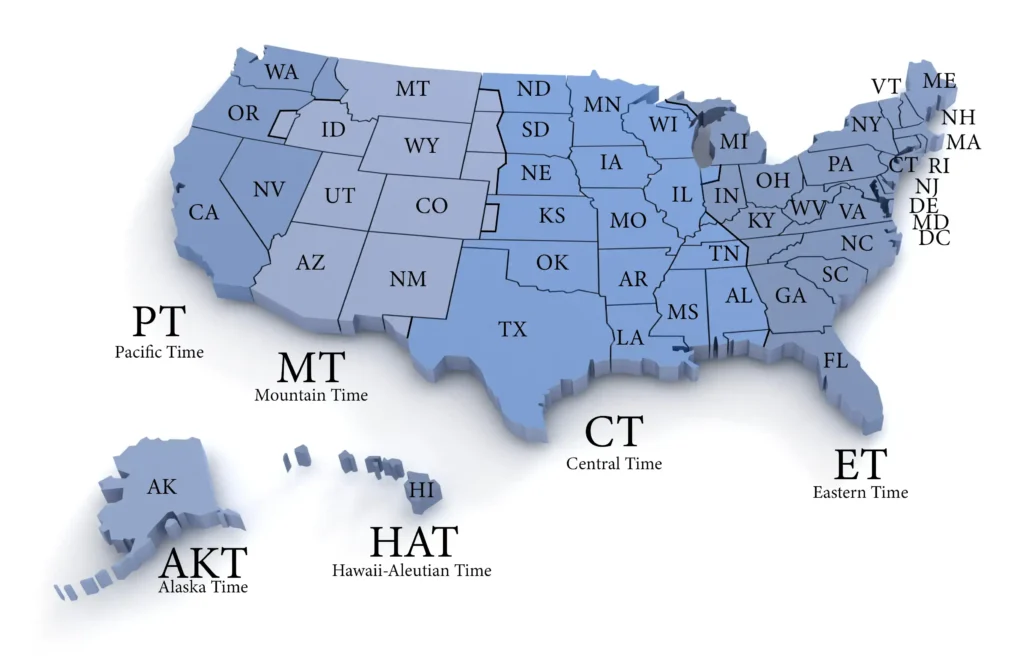
Understanding Eastern Time (ET) and Its Impact on Travel
The Eastern Time Zone is a comprehensive framework that governs daily life across a significant portion of the United States and beyond. Its characteristics and geographical span are vital for travelers to grasp, as they directly influence travel logistics and personal well-being.
What is Eastern Time (ET)?
Eastern Time (ET) is a generic term that refers to the time in the Eastern Time Zone. More specifically, it alternates between two designations throughout the year:
- Eastern Standard Time (EST): This is observed during the fall and winter months, corresponding to Coordinated Universal Time minus five hours (UTC-5). When it’s 12:00 PM UTC, it’s 7:00 AM EST.
- Eastern Daylight Time (EDT): This is observed during the spring and summer months due to Daylight Saving Time (DST). During EDT, clocks are moved forward by one hour, making it UTC-4. When it’s 12:00 PM UTC, it’s 8:00 AM EDT.
The transition to Daylight Saving Time typically occurs on the second Sunday in March, when clocks “spring forward,” and reverts back on the first Sunday in November, when clocks “fall back.” It is crucial to be aware of these shifts, especially if your travel dates coincide with these changes, as they can impact flight schedules, tour times, and even hotel check-in procedures.
Geographically, the Eastern Time Zone encompasses the entire East Coast of the United States, stretching from Maine down to Florida. Key states observing ET include New York, New Jersey, Pennsylvania, Massachusetts, Georgia, and Virginia. Beyond the United States, parts of Canada (including Ontario and Quebec), some Caribbean nations (like Cuba and the Bahamas), and a few South American countries (like Colombia and Ecuador) also observe ET or a similar UTC-5/UTC-4 offset.
Why Time Zones Matter for Travelers to New York
The significance of New York being in the Eastern Time Zone is manifold for travelers:
- Battling Jet Lag: For international visitors or those flying across multiple time zones within the United States, jet lag is a common adversary. Arriving in New York can mean adjusting your internal clock by several hours. Understanding the time difference in advance allows you to mentally prepare and implement strategies to mitigate its effects, such as adjusting your sleep schedule gradually before departure, staying hydrated, and exposing yourself to natural light upon arrival.
- Flight and Train Schedules: All transportation schedules – international and domestic flights arriving at JFK, LaGuardia, or Newark Liberty International Airports, as well as Amtrak trains pulling into Moynihan Train Hall at Penn Station – are meticulously timed to ET. Double-checking arrival and departure times against your home time zone is critical to avoid missed connections or unnecessary waiting.
- Business Coordination: For business travelers, being acutely aware of the Eastern Time Zone is paramount. Scheduling conference calls with clients or colleagues in California (Pacific Time, 3 hours behind) or London (GMT/BST, 5-6 hours ahead) requires careful calculation. Missing a critical meeting due to a time zone miscalculation can have significant repercussions, underscoring the need for precision.
- Planning Daily Itineraries: Most tourist attractions, museums, shops, and restaurants in New York operate within specific hours, all based on ET. A spontaneous visit to the Metropolitan Museum of Art or a last-minute desire to ascend the Empire State Building requires knowing their closing times relative to your current location and energy levels. Effective planning prevents disappointment and maximizes sightseeing opportunities.
Navigating New York’s Attractions and Activities by the Clock
New York City is a city that never truly sleeps, but its individual components certainly do. To truly experience the breadth of its offerings, from historical landmarks to vibrant nightlife, understanding operational hours within the Eastern Time Zone is non-negotiable.
Iconic Landmarks and Their Operating Hours
New York boasts an unparalleled collection of world-renowned landmarks, each with its own set of operating hours that can vary by season, day of the week, and public holidays. Planning your visits efficiently is key to avoiding long queues and ensuring access.
- Statue of Liberty & Ellis Island: Ferry departures to Liberty Island and Ellis Island begin in the morning and run until mid-afternoon, typically from 9:00 AM to 3:30 PM, depending on the season. An early start is recommended to make the most of your visit, especially for the climb to the crown of the Statue of Liberty, which requires advance booking.
- Empire State Building: Open late into the evening, often until 10:00 PM or midnight, the Empire State Building offers breathtaking panoramic views. Visiting closer to sunset or later in the evening can provide a different perspective and fewer crowds, but remember to factor in transit time.
- Times Square: A 24/7 spectacle, Times Square is always lit up, but its energy peaks in the evenings as pre-show theatergoers and diners fill the streets. While there are no “opening hours,” specific attractions within it, like the Madame Tussauds Wax Museum or various retail flagships, do have defined schedules.
- Central Park: Spanning 843 acres, Central Park is open daily from 6:00 AM to 1:00 AM. However, attractions within the park, such as the Central Park Zoo or the Loeb Boathouse, have their own operating hours, which must be checked individually.
- Broadway Shows: Evening performances typically begin at 7:00 PM or 8:00 PM, with matinees on Wednesdays, Saturdays, and Sundays usually starting at 2:00 PM. Arriving 30-45 minutes before curtain call is advisable to find your seats and soak in the atmosphere. Due to the popularity of these shows, securing tickets well in advance, especially for highly sought-after productions, is a must.
Always confirm the most up-to-date operating hours on official websites, especially when planning around public holidays or during the transition to/from Daylight Saving Time, as these can often lead to adjusted schedules.
Culinary Experiences and Nightlife
New York City’s culinary scene is as diverse as its population, and its nightlife is legendary. The Eastern Time Zone governs the rhythms of both.
- Dining Reservations: Popular restaurants, especially those in areas like Greenwich Village, Flatiron District, or Brooklyn, often require reservations made weeks, if not months, in advance. Peak dining hours typically run from 6:00 PM to 9:00 PM ET. If you’re coming from a time zone significantly different, you might find your appetite not aligning with local meal times initially. Consider making reservations for earlier or later slots to ease into the local rhythm. For luxury experiences at places like Per Se or Eleven Madison Park, planning several months ahead is often necessary.
- New York City Nightlife: From trendy bars in the Lower East Side to exclusive clubs in Meatpacking District, New York’s nightlife typically begins to buzz around 9:00 PM or 10:00 PM and can extend well past midnight, with some establishments legally open until 4:00 AM. This vibrant scene offers a plethora of options for every taste, from jazz clubs to rooftop bars offering stunning city views. However, if you’re dealing with jet lag, a late night out might not be the best idea on your first few evenings. Early evening shows or dinner experiences might be more suitable initially.
Accommodation and Lifestyle: Time Zone Considerations
Beyond sightseeing and dining, the time zone also plays a significant role in the practicalities of accommodation and the overall lifestyle experience in New York. From managing your hotel stays to maintaining productivity during business trips, being prepared for the time difference is crucial.
Hotel Check-in/Check-out Times
Most hotels in New York, whether luxury resorts like The Plaza Hotel or boutique apartments, adhere to standard check-in and check-out times, usually 3:00 PM or 4:00 PM for check-in and 11:00 AM or 12:00 PM for check-out, all in Eastern Time.
- Early Arrivals/Late Departures: If your flight arrives early in the morning or departs late in the evening, you might find yourself with several hours to kill before check-in or after check-out. Many hotels offer luggage storage services, allowing you to drop off your bags and begin exploring immediately. For an added fee, some hotels may offer early check-in or late check-out, subject to availability. This can be a lifesaver for business travelers or families with young children needing to rest. Resorts such as the St. Regis New York often go the extra mile to accommodate guests, but it’s always best to communicate your needs in advance.
- Booking Flexibility: When booking accommodation, especially if you foresee significant time zone challenges, consider hotels that offer flexible booking policies or 24-hour reception services. Reviewing amenities like on-site cafes or lounges that are open around the clock can also be beneficial for those adjusting to a new schedule.
Business Travel and Remote Work
New York is a global hub for business, and its Eastern Time Zone position makes it a critical point for international commerce.
- Scheduling Meetings: Business travelers often need to coordinate meetings across various time zones. Being in ET means you are typically three hours ahead of the Pacific Time Zone in the US, and several hours behind Europe and Asia. This requires strategic planning to find mutually convenient times that don’t stretch too late into the evening or too early into the morning for any party.
- Maintaining Productivity: The initial days of a business trip can be challenging due to jet lag. Prioritizing rest, maintaining a healthy diet, and scheduling important tasks during your peak energy hours can help sustain productivity. Co-working spaces and business centers within hotels often operate on strict ET hours, providing reliable environments for work.
Family Trips and Children’s Sleep Schedules
Traveling with family to New York requires even more meticulous planning, especially when considering the impact of time zones on children.
- Adjusting Kids to New Time Zones: Children can be particularly susceptible to jet lag. Gradual adjustments to sleep schedules before the trip, maintaining routines as much as possible, and allowing for ample rest upon arrival are crucial. Planning activities that aren’t too demanding early in the trip and incorporating nap times into your sightseeing schedule can make a huge difference.
- Kid-Friendly Activities: Museums like the American Museum of Natural History and attractions like FAO Schwarz or the Intrepid Sea, Air & Space Museum typically have clear opening and closing times. Plan these around your children’s adjusted sleep cycles to ensure they are well-rested and engaged, making for a happier family trip.
Practical Tips for a Seamless New York Experience
Ensuring your trip to New York is as smooth as possible, despite any time zone differences, involves a few proactive steps.
- Set All Devices to Eastern Time: Immediately upon arrival, update your smartphone, smartwatch, and any other electronic devices to Eastern Time. This simple step eliminates confusion and helps you quickly acclimate to the local schedule.
- Inform Family and Friends Back Home: Communicate the time difference to those back home. This helps manage expectations for calls and messages, preventing untimely disruptions to your or their sleep.
- Stay Hydrated and Manage Sleep: Dehydration can exacerbate jet lag symptoms. Drink plenty of water and try to adjust your sleep schedule as quickly as possible. Resist the urge to nap too long during the day if it will interfere with your ability to sleep at night.
- Use Time Zone Converter Apps: A plethora of free apps can help you quickly calculate time differences for calls, meetings, or simply checking what time it is for loved ones. These tools are invaluable for both leisure and business travelers.
- Plan Buffer Time: Always build in extra time, especially in the initial days of your trip. Delays can occur, and feeling rushed while adjusting to a new time zone can add unnecessary stress. Whether it’s for transit to LaGuardia, getting to a Broadway show, or simply finding your way through the subway, a little buffer can go a long way.
- Embrace the Pace: New York moves at a fast pace, and its 24/7 energy is infectious. While respecting your body’s need to adjust to the Eastern Time Zone, also allow yourself to be drawn into the city’s unique rhythm. There’s always something happening, no matter the hour.
In conclusion, New York City is indeed nestled comfortably within the Eastern Time Zone. While this fact might seem minor, its implications for travel, tourism, accommodation, and lifestyle are profound. By understanding the intricacies of EST and EDT, planning proactively for jet lag, diligently checking operating hours for landmarks and attractions, and adapting to local rhythms, you can ensure your visit to the Big Apple is nothing short of extraordinary. From exploring the historical grandeur of the Brooklyn Bridge to savoring a late-night slice of pizza in Midtown Manhattan, embracing the clock of the Eastern Time Zone is your ticket to a truly immersive and unforgettable New York adventure.
LifeOutOfTheBox is a participant in the Amazon Services LLC Associates Program, an affiliate advertising program designed to provide a means for sites to earn advertising fees by advertising and linking to Amazon.com. Amazon, the Amazon logo, AmazonSupply, and the AmazonSupply logo are trademarks of Amazon.com, Inc. or its affiliates. As an Amazon Associate we earn affiliate commissions from qualifying purchases.