
Embarking on a new adventure in the Lone Star State? Whether you’re planning a long-term relocation to Texas, seeking to experience its rich culture and diverse landmarks for an extended period, or simply ensuring your lifestyle within this vibrant state is as seamless as possible, obtaining a Texas ID is a fundamental step. This crucial document serves not just as proof of identity and age, but also unlocks a multitude of everyday necessities and travel opportunities, from booking accommodation for a staycation in Austin to verifying your eligibility for local tourism activities in San Antonio or a road trip across the vast Texas plains.
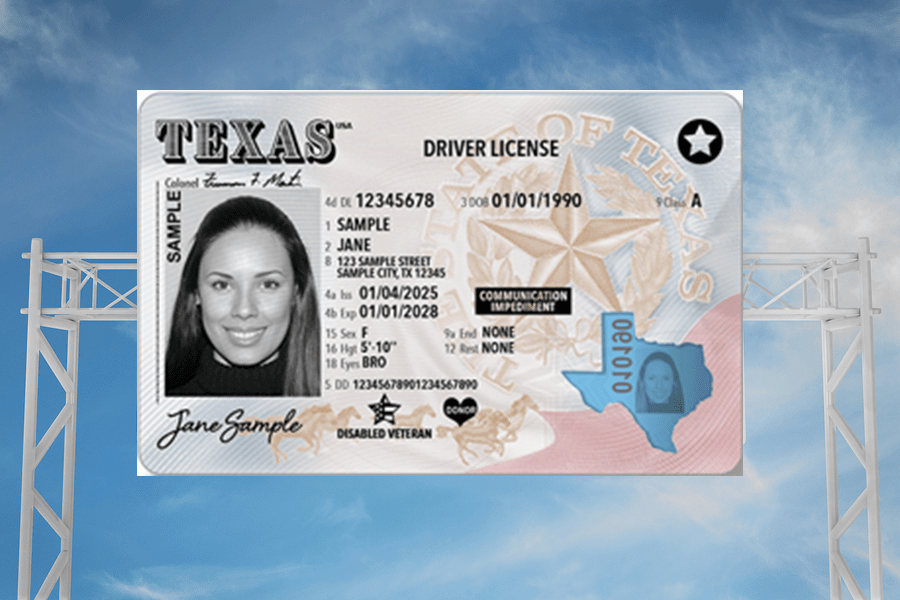
Navigating the process of acquiring a new state identification can sometimes feel daunting, especially for newcomers to the United States or those transitioning from another state. However, with a clear understanding of the requirements and a systematic approach, obtaining your official Texas ID or driver’s license is a straightforward journey. This comprehensive guide is designed to demystify the steps involved, ensuring you’re well-prepared to secure your identification and fully immerse yourself in all that Texas has to offer, from bustling cityscapes to serene natural attractions.
Understanding the Different Types of Texas Identification
Before you begin the application process, it’s essential to understand the distinction between the two primary forms of state-issued identification available in Texas: the driver’s license and the identification card. Both serve as official proof of identity, but they cater to different needs and come with specific privileges and requirements.
The Texas Driver’s License
The Texas Driver’s License is arguably the most common and versatile form of identification. It not only verifies your identity and age but also grants you the legal authority to operate a motor vehicle on public roads. For many, especially those who plan to explore Texas’s extensive network of roads and visit various destinations and attractions by car, a driver’s license is indispensable. It’s often required for renting vehicles, proving residency for utility services, and even some hotel check-ins. Crucially, newer Texas driver’s licenses are compliant with the Real ID Act, making them acceptable for domestic air travel and access to certain federal facilities, a significant convenience for any modern traveler or resident.
The Texas Identification Card
For individuals who do not drive, or who prefer not to, the Texas Identification Card is the ideal solution. It serves the same purpose as a driver’s license in terms of verifying identity and age but does not authorize the holder to operate a motor vehicle. This card is perfectly adequate for all non-driving related identification needs, such as opening bank accounts, cashing checks, voting, enrolling in school, or simply having a valid ID for everyday interactions. Like the driver’s license, the Texas Identification Card is also Real ID compliant, facilitating domestic air travel within the United States and access to federal buildings. It’s a vital tool for ensuring smooth daily life and broader tourism engagement without the need for a vehicle.
Who Needs Which? Navigating Your Options
Choosing between a driver’s license and an ID card largely depends on your driving habits and intentions while in Texas. If you intend to drive, the driver’s license is your clear choice. If you primarily use public transportation, rideshares, or will be driven by others, the identification card will fulfill all your identity verification needs without the added requirements of a driving test. Both documents are issued by the Texas Department of Public Safety (DPS) and require a similar application process concerning documentation, making the choice primarily a matter of functionality rather than complexity.
Essential Steps to Secure Your Texas ID or Driver’s License
Once you’ve decided which type of identification you need, the next step is to prepare for the application process. This involves careful document gathering, scheduling an appointment, and a visit to a DPS office. Being prepared will significantly streamline your experience, allowing you more time to explore Texas’s incredible destinations and experiences.
Gathering Your Documents: The Foundation of Your Application
The single most critical aspect of obtaining a Texas ID or driver’s license is having the correct documentation. The DPS requires proof of identity, proof of U.S. citizenship or lawful presence, proof of Texas residency, and proof of your Social Security Number. Missing even one required document can result in delays or a rejected application. It’s highly recommended to gather original copies or certified duplicates of all necessary papers well in advance of your appointment. Creating a checklist and organizing your documents in a folder can prevent last-minute stress.
Scheduling Your Visit: Planning Ahead for Efficiency
While walk-ins are sometimes accepted, scheduling an appointment online with the Texas DPS is strongly advised. This ensures a smoother, faster process, minimizing wait times at what can often be busy offices. The DPS website provides a user-friendly portal for selecting your preferred office location and appointment time. Planning ahead is particularly important if you’re on a tight schedule or need your ID quickly for travel plans or accommodation bookings. A well-timed appointment means you can get back to enjoying your Texas lifestyle sooner.
The Application Process at the DPS Office
On the day of your appointment, arrive a few minutes early with all your organized documents. You will typically be required to:
- Complete an application form: This form, DL-14A, can often be filled out online and printed beforehand to save time.
- Present your documents: A DPS representative will review and verify your identity, residency, and citizenship/lawful presence documents.
- Provide fingerprints and a signature: These are standard security measures.
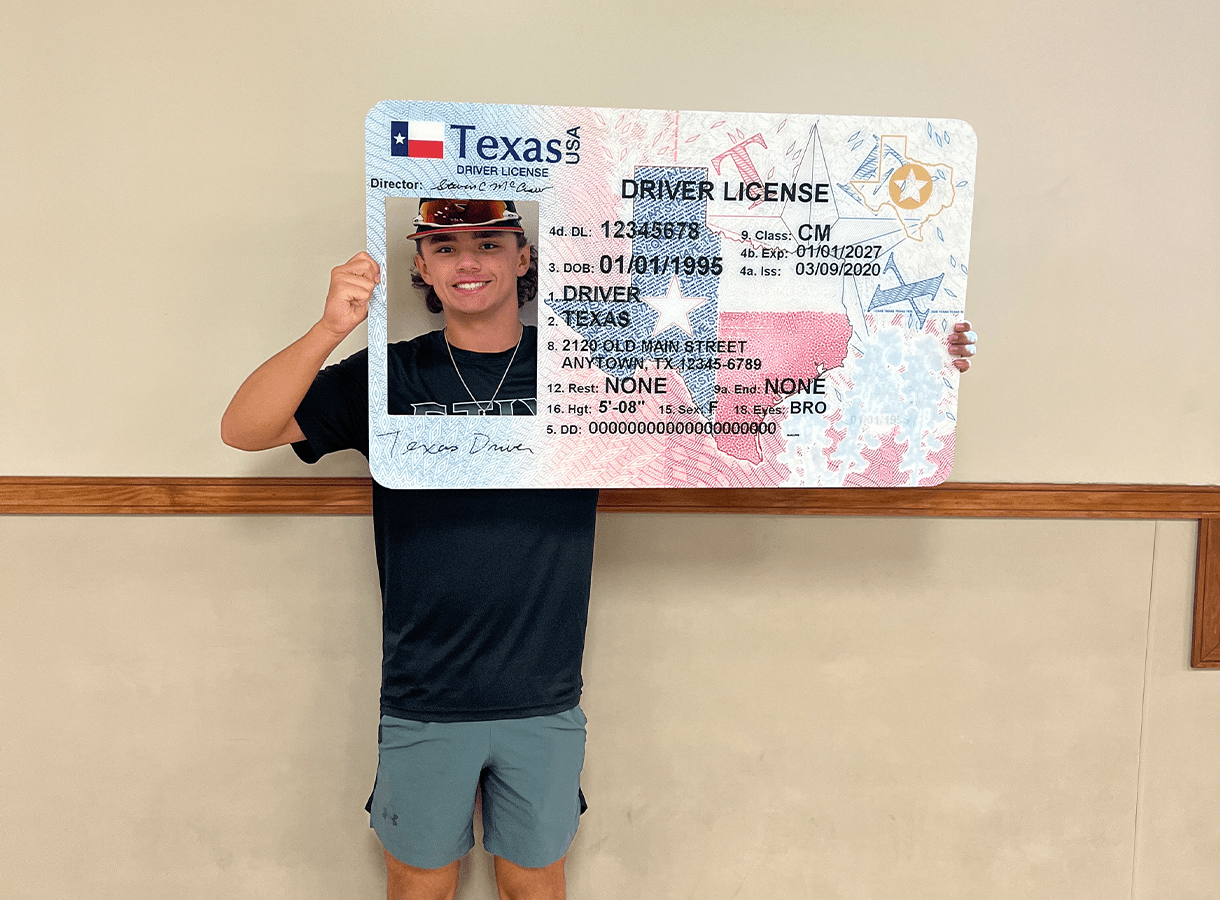
- Have your photo taken: This will be the photo that appears on your official Texas ID or driver’s license.
- Pay the required fee: Ensure you have an accepted payment method (cash, check, money order, or credit card).
- Pass a vision test: For a driver’s license, you’ll also undergo a simple vision screening.
- Pass knowledge and driving tests: If applying for a driver’s license and you are a new driver or transferring from certain other countries, you will need to pass both written and practical driving exams.
Once these steps are completed, you will receive a temporary paper ID or driver’s license. Your permanent card will then be mailed to your Texas residential address within a few weeks.
Key Documents Required: A Comprehensive Checklist
To ensure your application process is as smooth as possible, understanding the specific types of documents accepted for each requirement is paramount. This checklist will guide you through what you need to prepare.
Proof of U.S. Citizenship or Lawful Presence
This is a critical requirement, establishing your legal right to be in the United States and thus eligible for a state ID.
Accepted documents include:
- A U.S. Passport or Passport Card.
- A certified copy of your Birth Certificate issued by a state or U.S. territory.
- U.S. Certificate of Citizenship or Certificate of Naturalization.
- For non-citizens, a Permanent Resident Card (Form I-551), a foreign passport with a Form I-94 or appropriate visa issued by the U.S. Department of State, or an Employment Authorization Document (EAD) issued by U.S. Citizenship and Immigration Services (USCIS). Ensure all immigration documents are current and valid.
Proof of Texas Residency
You must demonstrate that you are a resident of Texas. You’ll typically need two documents that show your name and current Texas residential address. These documents should be dated within 90 days of your application.
Examples include:
- A current deed, mortgage, monthly mortgage statement, or residential lease.
- A utility bill (electric, water, gas, internet, cable, landline telephone) dated within 90 days.
- A Texas voter registration card.
- A valid Texas motor vehicle registration or title.
- Homeowners or renters insurance policy or statement.
- Mail from a federal, state, or local government agency (e.g., Social Security Administration, Veterans Affairs, HUD).
- Transcripts or report cards from an accredited Texas school.
Proof of Identity
This confirms who you say you are. You’ll need a primary form of identification.
Acceptable documents often overlap with citizenship proof:
- A U.S. Passport.
- An unexpired foreign passport with valid USCIS documentation.
- A certified birth certificate.
- Military ID cards (active duty, retiree, dependent) issued by the U.S. military.
- For those without a primary document, certain combinations of secondary and supporting documents might be accepted, such as a Social Security Card combined with a student ID or a W-2 form. It’s best to check the DPS website for the most current list of acceptable documents if you’re unsure.
Proof of Social Security Number
Every applicant must provide proof of their Social Security Number.
Accepted forms include:
- Your Social Security Card.
- A W-2 form or 1099 form.
- A pay stub with your name and SSN.
- A statement from the Social Security Administration (SSA).
- Medicare or Medicaid card with your SSN.
It’s important to note that the Social Security Card itself cannot be used as a primary form of identification or proof of lawful presence, but it is required to verify your SSN.
Beyond the Basics: Important Considerations and Tips
Beyond the core requirements, a few additional points can help ensure a smooth application and integration into your Texas lifestyle.
Understanding Fees and Payment Methods
There is an application fee for both a Texas ID and a driver’s license. The exact amount can vary based on the type of card, your age, and the length of validity. Fees are subject to change, so always check the official DPS website for the most up-to-date information. Most DPS offices accept cash, checks, money orders, and major credit cards. Having your payment ready will avoid any last-minute delays.
The Waiting Game: Receiving Your New Card
After successfully completing your application at the DPS office, you will be issued a temporary paper ID or license. This temporary document is valid for all purposes (including domestic air travel if it is Real ID compliant) until your permanent card arrives in the mail. The physical card is typically mailed to your residential address within two to three weeks. It’s crucial to ensure the address you provide is correct and secure, as the card will not be forwarded. During this waiting period, keep your temporary document safe.
Special Circumstances: Renewals, Replacements, and New Residents
- Renewals: Texas IDs and driver’s licenses typically need to be renewed every six or eight years. The DPS usually sends a renewal notice to your address. Many renewals can be done online, by mail, or in person.
- Replacements: If your Texas ID or driver’s license is lost, stolen, or damaged, you can apply for a replacement online, by mail, or in person at a DPS office. You’ll need to provide some identifying information and pay a replacement fee.
- New Residents: If you’re moving to Texas from another state or country and already hold a valid driver’s license, you generally have 90 days to obtain a Texas driver’s license. While you may be exempt from the written and driving tests, you’ll still need to fulfill all documentation requirements. This is a common situation for individuals pursuing new career opportunities or exploring new lifestyle options in the state.
Driving Tests and Additional Requirements for Driver’s Licenses
For new drivers, or those moving from certain non-reciprocal countries, obtaining a Texas driver’s license will involve additional steps beyond document verification. These include:
- Knowledge Test: A written exam covering Texas traffic laws and road signs. You can find study guides on the DPS website.
- Driving Test: A practical road test where you demonstrate your driving skills. You must provide a vehicle for the test that is registered, inspected, and insured.
- Impact Texas Driver (ITD) Program: All applicants for a first-time Texas driver’s license (including new residents who surrender an out-of-state license) must complete this program. It’s a free online video course promoting safe driving habits. There are different versions depending on your age and prior driving education.
Having a valid Texas ID or driver’s license is more than just a formality; it’s a gateway to fully experiencing life in the Lone Star State. From seamless travel and secure accommodation bookings to exploring local tourism and embracing a new lifestyle, this essential document will be your constant companion. By following these steps and preparing thoroughly, you can navigate the process with ease, leaving you more time to discover the incredible destinations, attractions, and unique charm that Texas has to offer.
LifeOutOfTheBox is a participant in the Amazon Services LLC Associates Program, an affiliate advertising program designed to provide a means for sites to earn advertising fees by advertising and linking to Amazon.com. Amazon, the Amazon logo, AmazonSupply, and the AmazonSupply logo are trademarks of Amazon.com, Inc. or its affiliates. As an Amazon Associate we earn affiliate commissions from qualifying purchases.