
Navigating the administrative landscape of a new state can sometimes feel like exploring an uncharted territory. For those new to the Lone Star State, a crucial step in settling in and fully experiencing all that Texas has to offer is obtaining a state identification card. While often overshadowed by the driver’s license, a Texas state ID card serves as a vital form of official identification, indispensable for a myriad of everyday activities, from accessing certain venues to proving your age. This guide will equip you with the knowledge and steps needed to successfully acquire your Texas state ID card, ensuring a smooth entry into the vibrant Texas lifestyle.
Understanding the Texas State ID Card
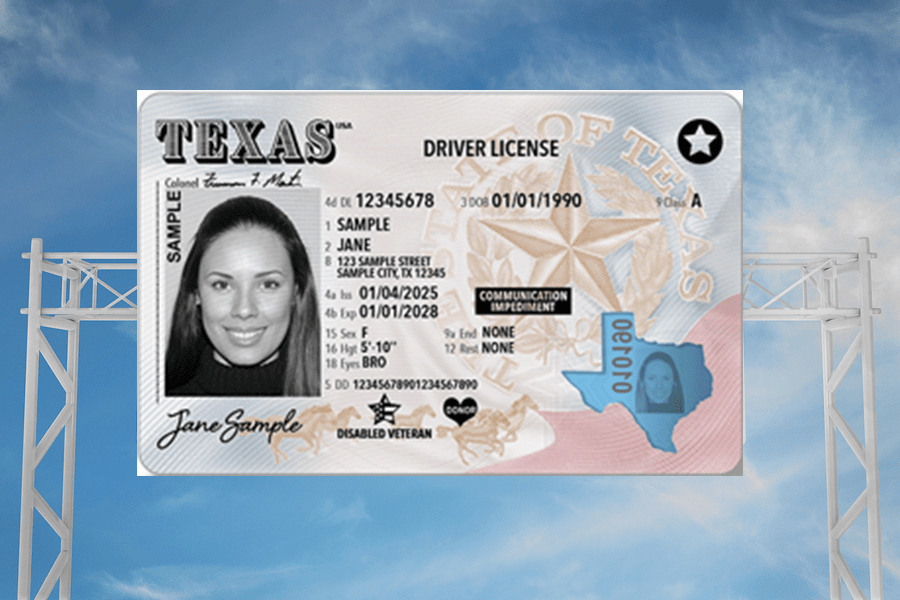
The Texas state identification card, officially known as a Texas Identification Card, is a non-driver identification card issued by the Texas Department of Public Safety (DPS). It’s designed for residents who do not drive or do not possess a driver’s license but still require a reliable form of identification. This card is universally recognized within Texas and often accepted across the United States as proof of identity and age.
Who Needs a Texas State ID?
The need for a Texas State ID card can arise for several reasons, particularly for those who are not operating a vehicle but are integral parts of the Texas community.
- New Residents: Individuals who have recently moved to Texas and need a state-issued ID for various purposes, such as opening bank accounts, renting an apartment, or accessing state services.
- Non-Drivers: Anyone who does not drive or has a medical condition preventing them from obtaining a driver’s license can use this card as their primary identification.
- Seniors: Older adults who may no longer drive but require identification for accessing services, medical appointments, or simply for personal security.
- Students: While many students have a driver’s license, some may opt for a state ID, especially if they are under the legal driving age or prefer not to have a driver’s license.
- International Visitors and Immigrants: For those establishing residency, a state ID can be a crucial document for integrating into local society and accessing essential services.
- Proof of Age: Essential for individuals needing to prove they are of legal age for activities such as purchasing alcohol or entering age-restricted establishments.
Benefits of a Texas State ID
Beyond simply being a piece of plastic, a Texas State ID card unlocks a range of benefits and simplifies many aspects of daily life in Texas.
- Official Proof of Identity: It serves as a primary identification document, accepted by most government agencies, financial institutions, and private businesses.
- Age Verification: Crucial for any situation requiring proof of age, from purchasing lottery tickets to entering casinos in cities like Laredo or El Paso.
- Access to Services: Many state services, including healthcare facilities and public libraries, may require a state ID for verification.
- Travel: While not a passport, it can be used as a secondary form of identification when traveling domestically, particularly for domestic flights when paired with other documents.
- Voting: In Texas, a valid Texas State ID card can be used as a form of identification for voting purposes, allowing you to participate in the democratic process.
- Peace of Mind: Having a secure, government-issued ID provides a sense of security and confidence in various social and transactional situations.
Eligibility and Required Documentation
Before embarking on your journey to obtain a Texas State ID, it’s essential to understand the eligibility criteria and gather the necessary documentation. The Texas Department of Public Safety (DPS) has specific requirements to ensure the integrity and security of its identification system.
Who is Eligible?
To be eligible for a Texas State ID card, you must:
- Be a Resident of Texas: You must have established residency within the state. This means you intend to make Texas your home.
- Not Hold a Valid Texas Driver’s License: If you possess a valid Texas driver’s license, you generally cannot also hold a Texas State ID card. One or the other is typically permitted.
Essential Documents You’ll Need
Gathering the correct documents in advance will streamline the application process. You will need to provide proof of:
1. Identity:
This document must bear your full legal name and date of birth. Accepted primary documents include:
- Certified Copy of a Birth Certificate: Issued by a U.S. state, territory, or the District of Columbia. Ensure it’s a certified copy with a raised seal.
- Valid U.S. Passport: A current and unexpired passport is a strong form of identification.
- Certificate of Citizenship or Naturalization: For those who are U.S. citizens by naturalization.
- Valid Permanent Resident Card: For lawful permanent residents of the United States.
- Valid Foreign Passport with Valid U.S. Visa and Approved I-94 Form: For non-immigrants legally present in the U.S.
2. Social Security Number (SSN):
You must provide proof of your Social Security number. Accepted documents include:
- Social Security Card: The official card issued by the Social Security Administration.
- W-2 Form: A Wage and Tax Statement from an employer.
- SSA-1099 Form: A statement from the Social Security Administration.
- Pay Stub: With your full name and SSN clearly visible.
3. Texas Residency:
You must provide at least one document that proves you reside in Texas. This document should show your name and Texas address. Accepted documents include:
- Utility Bills: Recent (within 60-90 days) gas, electric, water, or landline telephone bills.
- Bank Statements: Recent statements from a Texas bank.
- Lease Agreement or Mortgage Statement: For your current Texas residence.
- Property Tax Bill: From your Texas property.
- Current Mail from a Government Agency: Such as mail from the Texas Workforce Commission or the Internal Revenue Service (IRS).
- Voter Registration Certificate: If registered to vote in Texas.
Important Notes on Documentation:
- Originals or Certified Copies: Always bring original documents or certified copies. Photocopies are generally not accepted.
- Name Consistency: Ensure the name on all your documents is consistent. If there are discrepancies (e.g., due to marriage), you may need to provide legal documentation of the name change, such as a marriage certificate or court order.
- Expiration Dates: All documents must be current and not expired.
- System for Issuance of Driver Licenses and Identification Cards (REAL ID Act): Texas is compliant with the federal REAL ID Act. If you are applying for a REAL ID-compliant Texas State ID, you will need to present specific documents that meet these federal standards. While not all IDs need to be REAL ID compliant, it is recommended for broader acceptance, especially for federal purposes like boarding domestic flights. Check the Texas DPS website for the most up-to-date list of REAL ID-compliant documents.
The Application Process Step-by-Step
Obtaining your Texas State ID card involves a straightforward process, primarily managed by the Texas Department of Public Safety (DPS). By following these steps, you can ensure a smooth and efficient application.

Step 1: Visit a Texas DPS Driver License Office
The first step is to locate the nearest Texas DPS Driver License office. You can find a list of offices and their operating hours on the official Texas DPS website. It’s advisable to check for any required appointments, as some offices operate on an appointment-only basis, especially in larger cities like Austin or Houston.
Step 2: Complete the Application Form
Upon arrival at the DPS office, you will be given an application form for a Texas Identification Certificate (DL-14B). This form will request information such as your name, address, date of birth, and other personal details. You can often download and fill out this form in advance from the Texas DPS website to save time at the office.
Step 3: Present Your Documentation
This is where your preparation pays off. You will present all the gathered documents (proof of identity, Social Security number, and Texas residency) to the DPS employee. They will meticulously review your documents to verify your identity and eligibility.
Step 4: Have Your Photo Taken
A photograph will be taken of you for the ID card. Ensure you are dressed appropriately, as this photo will be on your official identification for years to come. Avoid wearing hats or sunglasses, unless they are worn for religious or medical reasons, in which case documentation may be required.
Step 5: Provide Fingerprints
As part of the security measures, you will likely be required to provide a fingerprint scan. This is a standard procedure for identification cards issued by state agencies.
Step 6: Pay the Fee
There is a fee associated with obtaining a Texas State ID card. The exact amount can vary, so it’s best to check the current fee schedule on the Texas DPS website. Payment methods typically include cash, check, and credit/debit cards.
Step 7: Receive Your Temporary Identification
After completing all the requirements and payment, you will be issued a temporary Texas State ID card. This temporary document is valid for a specified period and will serve as your official identification until your permanent card arrives by mail.
Step 8: Your Permanent ID Card Arrives
Your permanent Texas State ID card will be mailed to the address you provided on your application. This usually takes a few weeks. Once you receive it, carefully check all the information for accuracy. If there are any errors, contact the Texas DPS immediately.
Important Considerations and Tips
To ensure a seamless experience when applying for your Texas State ID, consider these additional tips and important points.
REAL ID Compliance
As mentioned earlier, Texas offers REAL ID-compliant identification cards. These cards meet the federal REAL ID Act standards and are required for certain federal purposes, such as boarding domestic commercial flights and entering certain federal facilities. If you plan to use your ID for these purposes, ensure you bring the specific documents required for a REAL ID. You can find a detailed checklist on the Texas DPS website. Applying for a REAL ID-compliant card might require more documentation than a standard ID.
Address Changes
If you move after applying for your ID and before receiving the permanent card, you must update your address with the Texas DPS. Failure to do so can result in complications. If you receive your ID with an old address, you will need to go through the process of updating your address and potentially obtaining a corrected card.
Renewals
Texas State ID cards are typically valid for a period of six years. It is your responsibility to renew your ID before it expires to maintain its validity. The renewal process is similar to the initial application, though some requirements might be slightly different. The Texas DPS will usually send a renewal notice to your last known address.
Lost or Stolen IDs
If your Texas State ID card is lost or stolen, you must report it to the Texas DPS immediately. You will need to apply for a replacement ID, which will involve a fee and presentation of similar documentation to your initial application. It’s crucial to have a current ID for many aspects of daily life.
Special Circumstances
- Minors: If the applicant is under 18 years of age, a parent or legal guardian must accompany them to the DPS office and provide their own identification, along with proof of guardianship.
- Name Changes: If your legal name has changed due to marriage, divorce, or court order, you must present the original or certified copy of the legal document reflecting the name change (e.g., marriage certificate, divorce decree, court order) along with your other required documents.
Utilizing State Resources
The Texas Department of Public Safety (DPS) website is an invaluable resource for obtaining the most current information on application requirements, fees, office locations, and appointment scheduling. Familiarizing yourself with the official Texas DPS resources will ensure you are well-prepared and avoid any last-minute surprises. Navigating state bureaucracy can seem daunting, but with proper planning and understanding of the requirements, obtaining your Texas State ID card will be a straightforward process, allowing you to fully embrace your life in the great state of Texas.
LifeOutOfTheBox is a participant in the Amazon Services LLC Associates Program, an affiliate advertising program designed to provide a means for sites to earn advertising fees by advertising and linking to Amazon.com. Amazon, the Amazon logo, AmazonSupply, and the AmazonSupply logo are trademarks of Amazon.com, Inc. or its affiliates. As an Amazon Associate we earn affiliate commissions from qualifying purchases.