
Acquiring a vehicle title in Florida is a crucial step for any vehicle owner, establishing proof of ownership and facilitating transactions such as selling, titling, and registering your automobile. Whether you’ve purchased a new or used car, inherited a vehicle, or are moving to the Sunshine State with your existing car, understanding the process is paramount. The Florida Department of Highway Safety and Motor Vehicles (FLHSMV) oversees these procedures, ensuring a standardized and legal framework for vehicle ownership. This guide will navigate you through the essential steps, required documentation, and potential scenarios you might encounter when seeking a Florida vehicle title.
Understanding the Florida Vehicle Title
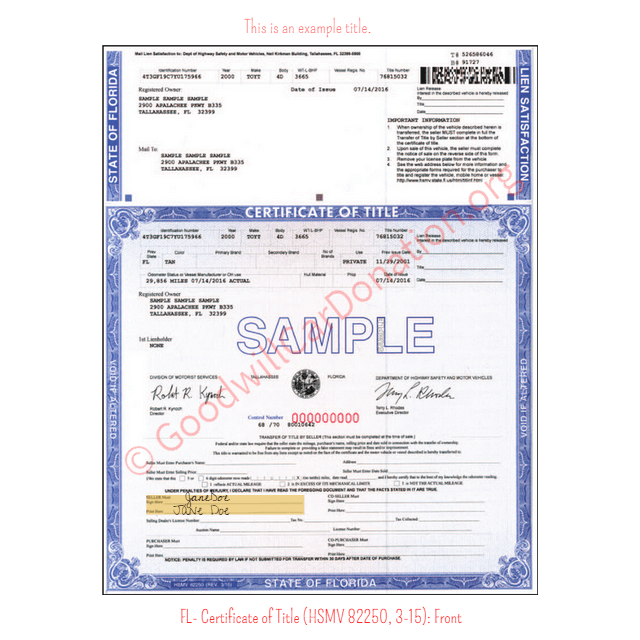
A vehicle title is a legal document that signifies who owns a particular motor vehicle. In Florida, this document is issued by the FLHSMV and contains vital information about the vehicle, including its make, model, year, Vehicle Identification Number (VIN), and the owner’s name and address. It is distinct from a registration, which allows you to legally operate the vehicle on public roads, and from a lien, which indicates a loan is still attached to the vehicle. The title is the ultimate proof of ownership.
The Importance of a Vehicle Title
The vehicle title serves several critical functions. Firstly, it is indispensable for selling your vehicle; a buyer will require a properly assigned title to transfer ownership into their name. Secondly, it is necessary for registering your vehicle with the state, allowing you to obtain license plates and operate legally. Thirdly, in cases of vehicle theft or dispute, the title acts as the primary legal document to establish ownership. Furthermore, obtaining a title is a prerequisite for certain insurance claims and for applying for specialty license plates. Without a title, managing your vehicle’s legal status becomes exceptionally difficult.
Types of Vehicle Titles
Florida recognizes various types of vehicle titles, each reflecting a specific ownership scenario. The most common is the Standard Title, issued to vehicles that have been legally transferred between owners. Other types include:
- Salvage Title: Issued for vehicles that have been declared a total loss by an insurance company due to damage (e.g., from an accident or natural disaster) but have been repaired and are roadworthy.
- Rebuilt Title: Similar to a salvage title, this is issued after a salvaged vehicle has been repaired and inspected to meet safety standards.
- Flood Title: Denotes a vehicle that has been submerged in water to a level that has caused significant damage.
- Bonded Title: For owners who have purchased a vehicle without a title or whose title is lost or damaged, and they can provide proof of ownership through a surety bond.
- Transfer of Title: This occurs when an existing vehicle is sold or gifted to a new owner.
- Duplicate Title: Issued when the original title has been lost, stolen, or is illegible.
Understanding the type of title you hold or are applying for is crucial for navigating the specific requirements.
The Process of Obtaining a Florida Vehicle Title
The procedure for obtaining a vehicle title in Florida varies slightly depending on how you acquired the vehicle. However, the core steps generally involve gathering specific documents and submitting them to a county tax collector’s office or through mail with the FLHSMV.
For New Vehicle Purchases
When you purchase a brand-new vehicle from a dealership, the dealership typically handles the titling and registration process on your behalf. They will collect the necessary fees and documentation and submit them to the state. You will receive your title and registration documents shortly after. However, it is always advisable to confirm with the dealership the timeline and the exact documents you should expect.
For Used Vehicle Purchases
Purchasing a used vehicle often requires more direct involvement from the buyer. Here’s a breakdown of the typical process:
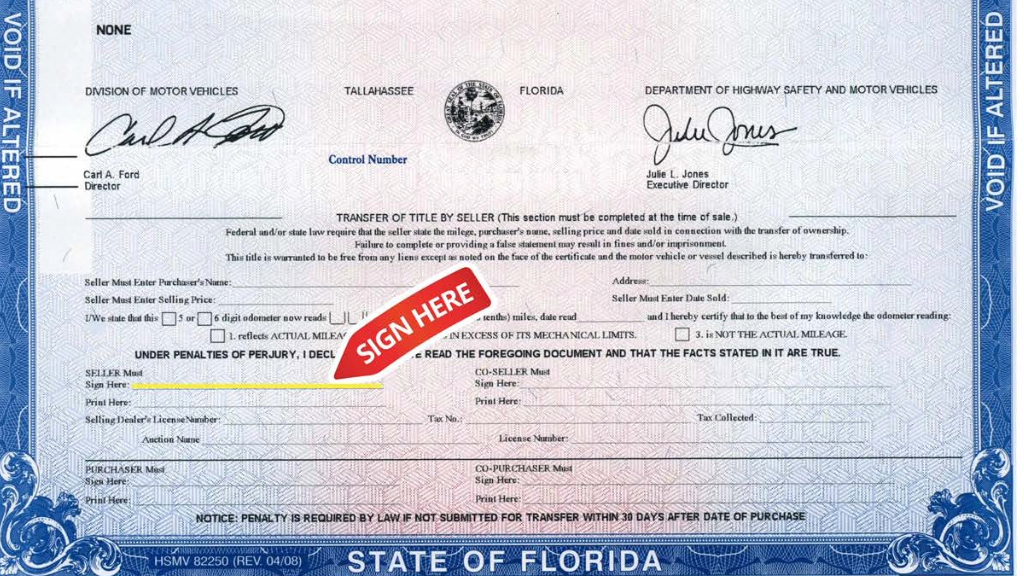
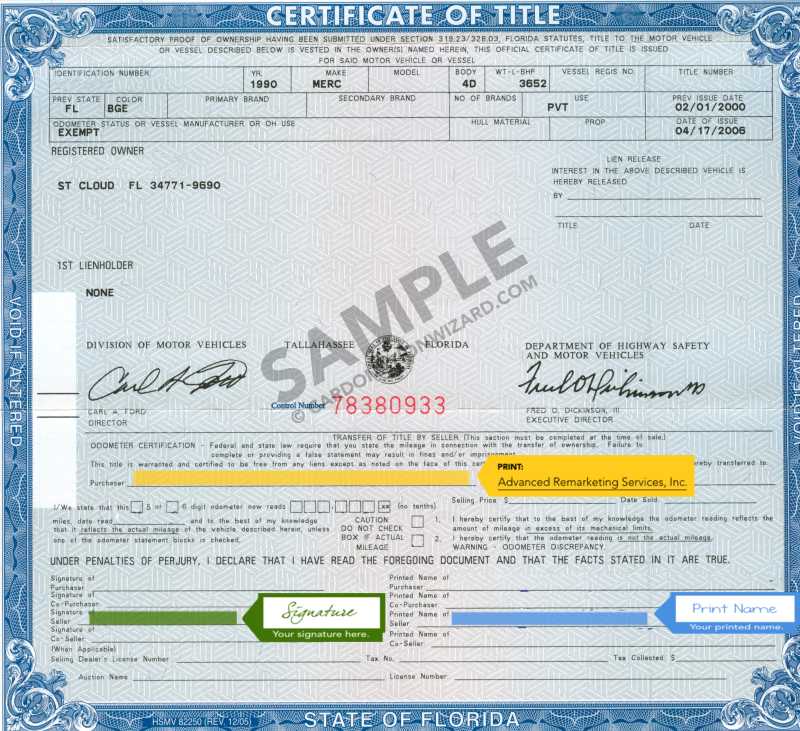
- Obtain the Existing Title: The seller must provide you with the vehicle’s current title. This title should be properly assigned to you. Ensure the seller signs the “Odometer Disclosure” section on the title, accurately reflecting the vehicle’s mileage at the time of sale. This is a federal requirement.
- Bill of Sale: While not always mandatory for titling, a bill of sale is highly recommended. It serves as a receipt and proof of the transaction, including the purchase price, date, and names of both buyer and seller.
- Application for Certificate of Title With/Without Registration (Form HSMV 82040): This is the primary application form you will need to complete. You can download it from the FLHSMV website or obtain it from a county tax collector’s office.
- Proof of Ownership: The signed title from the seller serves as primary proof of ownership. If the seller acquired the vehicle recently and has not yet received their own title, they may provide a dealer’s reassignment of title or a manufacturer’s certificate of origin (MCO) for brand-new vehicles.
- VIN Verification: For vehicles brought into Florida from out of state, a VIN inspection is typically required. This can be performed by a law enforcement officer, a licensed dealer, or a county tax collector’s employee. If you’re purchasing a vehicle already within Florida that was previously titled in the state, this step might be waived, but it’s always best to confirm with your local office.
- Proof of Insurance: You will need to present proof of Florida auto insurance before you can register your vehicle and receive a title.
- Payment of Fees and Taxes: You will be required to pay various fees, including title fees, registration fees (if registering), and sales tax on the purchase price of the vehicle. Florida sales tax is 6% state tax, plus any local discretionary sales surtax, capped at $5,000 for the total sales tax paid on a vehicle.
- Submit Documentation: Take all completed forms, original title, proof of insurance, and payment to your local county tax collector’s office or designated FLHSMV service center.
Inheriting a Vehicle
If you have inherited a vehicle, the process involves providing proof of the deceased’s ownership and your legal right to the vehicle. This typically includes:
- The deceased’s original title, properly assigned by the executor or administrator of the estate.
- A copy of the death certificate.
- Letters testamentary or letters of administration, if applicable, appointing an executor or administrator.
- A completed Form HSMV 82040.
- Proof of insurance.
- Payment of applicable fees and taxes.
In some cases, if the estate is small and avoids probate, a “Release of Interest” form may suffice, along with supporting documentation from the court.
Moving to Florida with a Vehicle
If you are moving to Florida and bringing your vehicle, you must obtain a Florida title and registration within 30 days of establishing residency. The process is similar to purchasing a used vehicle from out of state:
- The out-of-state title.
- A completed Form HSMV 82040.
- A VIN and Title Verification (Form HSMV 82042) completed by an authorized official.
- Proof of Florida auto insurance.
- Payment of applicable fees and taxes. You may receive credit for sales tax paid in another state if the vehicle was purchased more than six months prior to establishing Florida residency.
Essential Documentation and Forms
Having the correct documentation is key to a smooth titling process. The primary forms and documents you will likely need include:
- Application for Certificate of Title With/Without Registration (HSMV 82040): This is the cornerstone application. Ensure all sections are filled out accurately and legibly. Mistakes can cause significant delays.
- Original Vehicle Title: This is the most critical document proving ownership. Ensure it is properly signed and dated by the seller. For out-of-state titles, ensure all necessary lien releases are attached if applicable.
- Odometer Disclosure Statement: Often integrated into the title, but can be a separate form if required by federal law.
- Bill of Sale: Highly recommended, especially for private party sales.
- Proof of Insurance: A valid Florida insurance card or policy declaration page.
- Driver’s License or State-Issued ID: Required for identification.
- VIN and Title Verification (HSMV 82042): For out-of-state vehicles.
- Lien Release: If there was a loan on the vehicle, you will need a signed lien release from the financial institution.
Obtaining a Duplicate Title
If your Florida title is lost, stolen, or damaged, you can apply for a duplicate. You will need to complete Form HSMV 82040, marking the section for a duplicate title, and pay the required fee. You will also need to provide proof of identity. If there is a lien on the vehicle, the lienholder must also sign the application.
Handling Liens on a Title
If you purchased a vehicle with an outstanding loan, the lender (lienholder) will retain the physical title until the loan is fully paid off. Once the loan is satisfied, the lienholder is legally obligated to release the lien. They will either provide you with a lien release document or sign over the title to you. You will then need to submit this documentation to the FLHSMV to have the lien removed from the title and receive a clear title in your name.
Navigating Common Challenges and Tips
The process of obtaining a vehicle title can sometimes present unexpected hurdles. Being prepared and informed can help you navigate these challenges efficiently.
Delays and Errors
The most common cause of delay is incorrect or incomplete documentation. Double-check all forms for accuracy before submission. Ensure signatures are present where required and that dates are correct. If you’re unsure about any part of the process, it’s always best to contact your local county tax collector’s office or the FLHSMV customer service line for clarification.
Out-of-State Titles
Titles from other states can sometimes be more complex to process. Ensure the title is properly signed over and that all required notarizations or certifications from the issuing state are present. If there are any discrepancies or missing information, you may need to contact the motor vehicle agency of the state from which the title originated.
Specialty Vehicles
Titles for specialty vehicles, such as custom-built cars, trailers, or antique vehicles, might have additional requirements. It’s advisable to contact the FLHSMV directly to understand specific regulations for these types of vehicles. For instance, a custom-built vehicle will require a VIN assignment and inspection process.
Online Services and Appointments
While many transactions can be completed in person at county tax collector offices, some counties offer online services for title applications or renewals. It is also highly recommended to check if appointments are necessary for your local office, as this can significantly reduce waiting times. Always check the FLHSMV website for the most up-to-date forms, fees, and service locations.
By meticulously following these steps and ensuring you have all the necessary documentation, you can successfully obtain your vehicle title in Florida, solidifying your ownership and enabling you to legally drive and manage your vehicle within the state.
LifeOutOfTheBox is a participant in the Amazon Services LLC Associates Program, an affiliate advertising program designed to provide a means for sites to earn advertising fees by advertising and linking to Amazon.com. Amazon, the Amazon logo, AmazonSupply, and the AmazonSupply logo are trademarks of Amazon.com, Inc. or its affiliates. As an Amazon Associate we earn affiliate commissions from qualifying purchases.