
Understanding and obtaining an agricultural (ag) exemption in Texas is a crucial step for landowners who utilize their property for agricultural purposes, allowing them to benefit from significant property tax savings. This exemption, often referred to as the “1-d-1 Open-Space Ag Valuation,” recognizes the economic and societal value of farming and ranching by offering a reduced property tax rate based on the land’s agricultural productivity rather than its market value. Navigating the requirements can seem complex, but with a clear understanding of the process, eligible landowners can successfully secure this valuable tax relief.

The core principle behind the ag exemption is that land actively used for agriculture should not be taxed at the same rate as land used for commercial or residential development, especially when its market value is driven up by the proximity to urban areas. Texas law provides this valuation to encourage the continuation of agricultural operations and to preserve open spaces. It’s not about a blanket tax waiver, but rather a revaluation of the land’s worth based on its agricultural capacity. This guide will break down the essential criteria, application procedures, and ongoing responsibilities to help you successfully obtain and maintain your ag exemption in the Lone Star State.
Eligibility Requirements for Texas Ag Exemption
To qualify for the ag exemption in Texas, landowners must demonstrate that their property meets specific criteria related to land size, agricultural use, and the intensity of that use. These requirements are designed to ensure that the exemption is granted to genuine agricultural operations, not simply to individuals seeking tax breaks on non-agricultural land.
Minimum Acreage and Agricultural Use
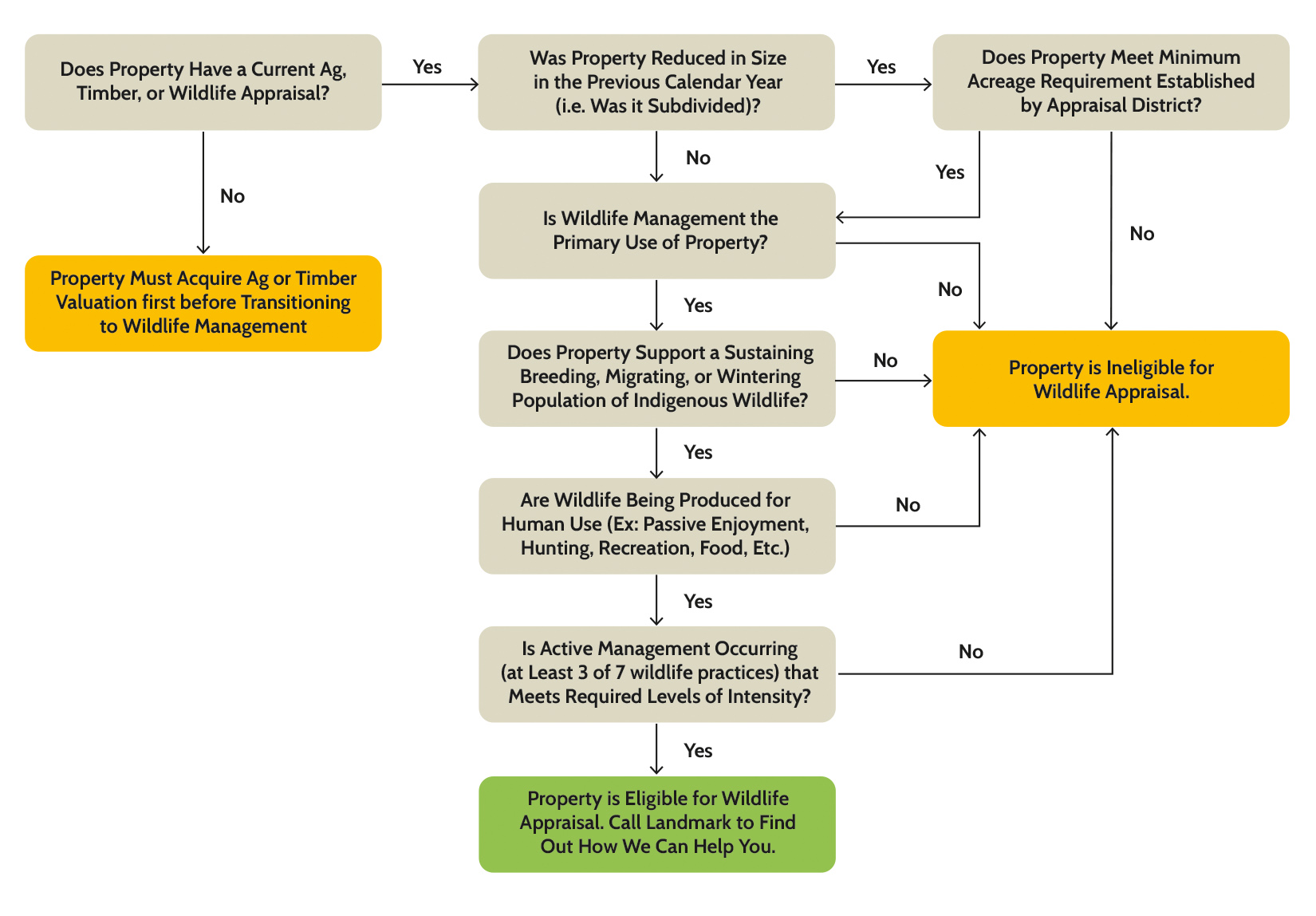
The minimum acreage requirement for ag valuation in Texas varies depending on the specific type of agricultural activity. For general cattle, sheep, or goat operations, a minimum of 20 acres is typically required. However, for other uses, such as beekeeping, poultry, timber, or orchards, the minimum acreage can be lower. For instance, a property of just 5 acres can qualify for ag valuation if it’s used for beekeeping, provided there are at least five actively managed colonies. Similarly, a 5-acre tract used for timber production might qualify.
Crucially, the land must be actively used for an agricultural purpose. This means more than just owning land; it requires a genuine, ongoing operation that produces agricultural products or is engaged in agricultural activities. This use must also be the “primary” or “principal” use of the land. If a significant portion of the land is used for non-agricultural purposes, such as a large residential development or extensive recreational facilities unrelated to agriculture, it may jeopardize eligibility.
Intensity of Use and Production Standards
Beyond simply meeting acreage requirements, the Texas Comptroller’s office and local appraisal districts mandate that the agricultural use be conducted at a level that is “reasonably required” for the type of operation. This “intensity of use” standard ensures that the land is being managed in a way that reflects a commercial agricultural endeavor, rather than a hobby.
For cattle operations, this often means stocking rates that are appropriate for the carrying capacity of the land. For example, a common guideline is one animal unit per 5 to 20 acres, depending on the quality of the pasture. For sheep and goats, the stocking rate is generally higher. These are not rigid rules but rather benchmarks used by appraisal districts to assess whether the land is being managed productively. Records of livestock numbers, feed purchases, and pasture management are vital to demonstrate this intensity.
For crops, there are usually specific production standards that must be met. This might involve planting a certain number of trees per acre for orchards or maintaining a minimum yield for grain crops. For timber production, maintaining an active timber management plan is essential. The goal is to show that the land is being utilized in a manner consistent with commercial agricultural production.
Other Considerations
- Agricultural Plan: While not always mandatory, having a written agricultural plan can be beneficial. This plan should outline your intended agricultural activities, stocking rates, management practices, and long-term goals for the property. It serves as a formal document to present to the appraisal district.
- Age of Landowner: In some instances, landowners who are at least 70 years old and have owned the property for at least 10 years may qualify for certain exceptions or benefits if they are no longer able to actively manage the property themselves. This is a specific provision for long-term agricultural stewards.
- Timber Exemption: A separate, but related, exemption exists for timber production. If your primary agricultural use is timber, you will need to adhere to specific requirements related to forest management and timber harvesting.
The Application Process
Securing an ag exemption in Texas involves a formal application process with your local county appraisal district. While the specific forms and deadlines may vary slightly by district, the general steps are consistent.
Identifying Your Local Appraisal District
The first step is to identify the appraisal district responsible for your property. This is typically determined by the county in which your land is located. You can usually find this information on your county government’s website or by searching online for “[Your County Name] Appraisal District.”
Obtaining and Completing the Application Form
Once you’ve identified your appraisal district, you’ll need to obtain their specific application form for agricultural valuation. These forms are usually available for download on the appraisal district’s website, or you can request them in person or by mail. The application will require detailed information about your property, including its address, acreage, legal description, and current use.
You will also need to provide comprehensive details about your agricultural operation. This typically includes:
- Type of agricultural activity: (e.g., cattle ranching, hay production, timber management, apiary, etc.)
- Number of acres devoted to each activity.
- Details of livestock: If applicable, you’ll need to provide the type of livestock, the number of animals, and your stocking rates. Supporting documentation such as bills of sale or breeding records can be helpful.
- Crop production records: If you are growing crops, you may need to provide information on what you are planting, acreage, yields, and sales.
- Equipment and facilities: Information about farming equipment, barns, fencing, and water sources used for agricultural purposes.
- Agricultural Plan: As mentioned earlier, a detailed agricultural plan can be a significant asset in your application.
- Proof of ownership: You will need to provide evidence that you own or lease the land.
It is crucial to fill out the application accurately and completely. Incomplete or inaccurate information can lead to delays or denial of your exemption.
Submission Deadlines and Documentation
The deadline for submitting your ag valuation application is typically May 1st of each year. However, it is always advisable to check with your specific appraisal district for their exact deadlines and any grace periods. It’s generally recommended to submit your application well in advance of the deadline to allow time for processing and to address any potential questions or requests for additional information.
Along with the application form, you will need to submit supporting documentation to substantiate your claims. This can include:
- Deeds or lease agreements proving ownership or right to use the land.
- Livestock records: Purchase receipts, brand inspection certificates, veterinary records, or sales receipts.
- Crop records: Planting records, harvest yields, and sales invoices.
- Timber management plans and relevant invoices for timber-related expenses.
- Photographs of your agricultural operations, livestock, crops, and relevant facilities.
- Tax forms: If you are reporting agricultural income on your federal or state tax returns.
- Agri-Life Extension Service recommendations for stocking rates or best practices.
What Happens After Submission
Once your application is submitted, the appraisal district will review it. They may conduct a site visit to verify the information provided and assess the agricultural use of your property. If your application is approved, you will begin receiving the ag valuation on your property taxes for the following tax year. If your application is denied, you will receive a notice of that decision and will have the right to protest.
Maintaining Your Ag Exemption
Obtaining the ag exemption is only the first step; maintaining it requires ongoing adherence to the established rules and diligent record-keeping. Appraisal districts conduct periodic reviews to ensure that properties continue to meet the eligibility criteria.
Ongoing Agricultural Use and Intensity
The most critical aspect of maintaining your ag exemption is to continue using the land for agricultural purposes at the required intensity. This means that the agricultural operations you outlined in your initial application must remain active and be conducted in a manner consistent with commercial agricultural practices.
- Consistent Stocking Rates: If you operate a livestock ranch, you must maintain stocking rates that are appropriate for the land’s carrying capacity. Fluctuations are expected, but a sustained significant drop in livestock numbers without a clear explanation (e.g., drought, disease) could raise flags.
- Active Farming/Ranching: Simply owning livestock or having a few trees on your property is not sufficient. The land must be actively managed for production. This includes maintaining pastures, providing adequate feed and water, and implementing sound animal husbandry practices.
- Production Records: Continue to keep meticulous records of your agricultural activities. This includes records of livestock numbers, breeding, sales, feed purchases, hay production, crop yields, and sales. These records are your primary defense if your exemption is challenged.
Record-Keeping Best Practices
Excellent record-keeping is not just a recommendation; it’s a necessity for maintaining your ag exemption.
- Annual Review of Records: At the end of each year, review your records and ensure they accurately reflect your agricultural activities. Make copies and store them securely.
- Documentation of Changes: If you make significant changes to your operation, such as changing the type of livestock, reducing acreage, or implementing new management practices, document these changes and be prepared to explain them.
- Receipts and Invoices: Keep all receipts and invoices related to your agricultural operations. This includes purchases of feed, seed, fertilizer, equipment, veterinary services, and any income from the sale of agricultural products.
- Photographic Evidence: Periodically take photographs of your property and operations. This visual documentation can be invaluable in demonstrating the ongoing agricultural use of your land.
Responding to Appraisal District Inquiries
Appraisal districts have the authority to request information to verify your ongoing eligibility. If you receive a request for information or a notice regarding your ag valuation, respond promptly and professionally. Provide all requested documentation accurately and in a timely manner. Ignoring these requests can lead to the suspension or revocation of your ag exemption.
Reapplication and Changes in Ownership
While the initial application establishes the ag valuation, it’s important to understand that some appraisal districts may require you to reapply periodically, particularly if there have been significant changes to the property or its use. Furthermore, if you sell or transfer ownership of the property, the new owner must reapply for the ag exemption to continue receiving the benefit. The exemption is tied to the use of the land and the landowner’s agricultural operation, not solely to the property itself.
By staying informed, diligently managing your agricultural operations, and maintaining thorough records, you can successfully preserve your Texas ag exemption and continue to benefit from significant property tax savings.
LifeOutOfTheBox is a participant in the Amazon Services LLC Associates Program, an affiliate advertising program designed to provide a means for sites to earn advertising fees by advertising and linking to Amazon.com. Amazon, the Amazon logo, AmazonSupply, and the AmazonSupply logo are trademarks of Amazon.com, Inc. or its affiliates. As an Amazon Associate we earn affiliate commissions from qualifying purchases.