
The legal landscape surrounding marriage and its dissolution can be complex, and for those seeking to declare a marriage invalid rather than divorcing it, understanding the process for an annulment in Texas is crucial. An annulment is not a divorce; it is a legal declaration that a marriage was never valid from its inception. This distinction is significant, as it affects the rights and obligations of the parties involved. In Texas, obtaining an annulment involves meeting specific legal criteria and navigating a court process. This guide aims to provide a comprehensive overview of how to pursue an annulment in the Lone Star State.
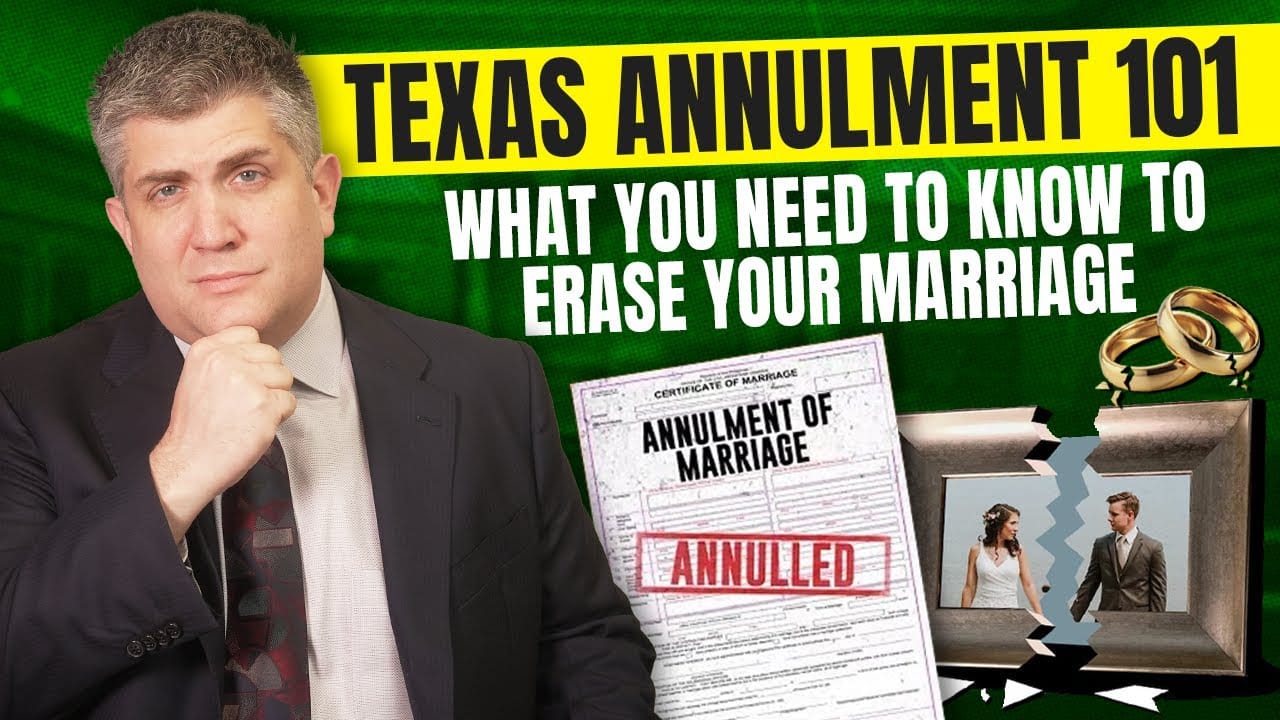
Understanding Annulment in Texas
Before delving into the procedural aspects, it’s essential to grasp the fundamental differences between an annulment and a divorce. A divorce legally terminates a valid marriage, meaning the marriage existed but is now being ended. An annulment, on the other hand, presumes the marriage was void or voidable from the beginning, effectively erasing it from legal record as if it never happened. This means that in an annulment, concepts like community property division and spousal support, typically associated with divorce, may not apply in the same way, or at all, depending on the grounds.
Grounds for Annulment in Texas
Texas law outlines specific grounds upon which an annulment can be granted. These grounds are narrowly defined and must be proven to the court’s satisfaction.
Void Marriages
A void marriage is considered a nullity from the moment it is created. In Texas, the primary grounds for a void marriage that can lead to an annulment are:
- Incestuous Marriage: This refers to a marriage between individuals who are too closely related by blood, as defined by Texas Family Code. This typically includes relationships like parent-child, grandparent-grandchild, siblings, aunt/uncle-niece/nephew, and in some cases, first cousins.
- Bigamous Marriage: This occurs when one party is already legally married to someone else at the time of the purported marriage. The subsequent marriage is void.
Voidable Marriages
A voidable marriage is one that is considered valid until a court declares it invalid. These marriages are valid until challenged and annulled. In Texas, the grounds for a voidable marriage include:
- Marriage Under Age of Consent: If either party was under the age of 18 at the time of the marriage and did not obtain parental consent or a court order allowing the marriage, it may be voidable. However, if the underage party ratifies the marriage after reaching the age of consent, it can no longer be annulled on this ground.
- Fraud, Duress, or Insanity: This is a common ground for voidable marriages.
- Fraud: This involves deception about a matter essential to the marriage. For instance, if one party misrepresented their ability or intention to have children, or concealed a serious disease or criminal history that would have deterred the other party from marrying. The fraud must be material and go to the “essence of the marital relationship.”
- Duress: This means the marriage was entered into under threat or coercion. The pressure must be such that the individual did not enter the marriage freely.
- Incurable Insanity: If one party was incurably insane at the time of the marriage and did not become aware of their condition until later, the marriage may be voidable. The insanity must have existed at the time of the marriage and be incurable.
- Physical Impotence: If one party is permanently physically impotent and this fact was unknown to the other party at the time of the marriage, the marriage may be voidable. The impotence must be incurable.
Time Limits for Filing an Annulment
The ability to seek an annulment is subject to strict time limitations. These deadlines depend on the specific grounds for annulment:
- Void Marriages: There is generally no statute of limitations for filing an annulment for a void marriage. However, practical considerations and potential claims of ratification by conduct may arise over extended periods.
- Voidable Marriages: For voidable marriages, the time limits are more stringent. For example, an action to annul a marriage based on fraud or duress generally must be filed within a specific period (often one year) from the date the fraud or duress was discovered or the duress ceased. The specific statutory periods should be consulted, as they can vary.
The Legal Process for Obtaining an Annulment in Texas
The process of obtaining an annulment in Texas is similar to that of a divorce but with key differences in the pleadings and the basis for the court’s decision.
Initiating the Annulment Case
The first step is to file a Petition for Annulment with the appropriate court. This petition must be filed in the county where either party resides, or where the marriage ceremony took place, provided one of the parties is still a resident of Texas.
Drafting the Petition
The Petition for Annulment is a formal legal document that must clearly state:
- The names and addresses of both parties.
- The date and place of the marriage.
- The specific legal grounds for the annulment. This is where the petition will detail why the marriage is considered void or voidable, referencing the relevant Texas Family Code provisions.
- A request for the court to declare the marriage null and void.
- Any other relief sought, such as the return of property brought into the marriage or relief concerning children born during the purported marriage (though this is less common in annulments as the law generally presumes children born during a voidable marriage are legitimate).
Serving the Other Party
After filing the petition, the other party (the respondent) must be legally notified of the lawsuit. This is typically done through a process called “service of process,” where a sheriff’s deputy or a private process server delivers a copy of the petition and a citation to the respondent. Proper service is crucial for the court to have jurisdiction over the respondent.

The Court Proceedings
Once service is completed, the respondent has a specific period to file a response with the court. The case then proceeds through the legal system.
Discovery
As in other civil lawsuits, parties may engage in discovery to gather information and evidence from each other. This can include:
- Interrogatories: Written questions that must be answered under oath.
- Requests for Production: Requests for documents and other tangible evidence.
- Depositions: Sworn oral testimony taken outside of court.
The goal of discovery is to understand the facts and evidence supporting or refuting the grounds for annulment.
Negotiation and Settlement
Many annulment cases, like divorce cases, can be settled out of court. The parties, through their attorneys if they are represented, may negotiate an agreement that resolves the issues, including the declaration of annulment. If an agreement is reached, it is submitted to the court for approval.
Court Hearings and Trial
If the parties cannot reach a settlement, the case will proceed to a court hearing or trial.
- Temporary Orders: In some cases, especially if children are involved or if there are immediate financial concerns, the court may issue temporary orders regarding child custody, support, or the preservation of property.
- Evidentiary Hearings: The court will hear evidence presented by both sides. This will involve testimony from the parties, witnesses, and potentially expert witnesses. Documents and other evidence will be presented to support the claims.
- The Judge’s Decision: Based on the evidence presented and the applicable law, the judge will make a ruling. If the grounds for annulment are established, the judge will sign a Final Decree of Annulment, legally declaring the marriage void.
Final Decree of Annulment
The Final Decree of Annulment is the court order that officially terminates the legal status of the marriage. It will state that the marriage is null and void and may address any related issues that the court has jurisdiction over, such as the return of specific property brought into the marriage by either party, or any agreements reached regarding children.
Special Considerations in Texas Annulment Cases
While the general process mirrors that of other civil litigation, annulment cases in Texas present unique considerations.
Children of the Marriage
Texas law presumes that children born or conceived during a marriage are the legal children of the husband and wife. Even if a marriage is annulled, children born during that union are still considered legitimate. Therefore, issues of child custody, visitation, and child support will be addressed by the court in accordance with the best interests of the child, just as they would be in a divorce case. The annulment primarily affects the marital status of the parents.
Property Division
The division of property in an annulment case can be more complex than in a divorce. Since the marriage is deemed to have never legally existed, the concept of “community property,” which is acquired during a valid marriage in Texas, may not strictly apply. However, courts can and do address the equitable return of property that was contributed by one party in anticipation of or during the void or voidable marriage. This might include gifts, separate property contributed to a joint endeavor, or property that was intended to be owned jointly but was titled in one party’s name. The court’s aim is often to restore the parties to their pre-marriage positions as much as possible, considering any financial contributions or unjust enrichment.
Spousal Support
Generally, spousal support (alimony) is not awarded in annulment cases. Spousal support is typically a remedy for ending a valid, existing marriage. Because an annulment treats the marriage as if it never existed, the legal basis for ordering one party to pay support to the other is absent.

Seeking Legal Counsel
Given the complexities of family law and the specific requirements for annulments in Texas, it is highly advisable to seek legal representation. An experienced family law attorney can:
- Assess whether your situation meets the legal grounds for an annulment.
- Guide you through the filing and service of process.
- Represent your interests in court hearings and negotiations.
- Ensure that all legal requirements are met to obtain a valid decree of annulment.
- Advise on property and child-related matters.
Navigating the path to an annulment in Texas requires a thorough understanding of the law and a diligent approach to the legal process. By knowing the grounds, the procedures, and the potential implications, individuals can more effectively pursue this legal remedy.
LifeOutOfTheBox is a participant in the Amazon Services LLC Associates Program, an affiliate advertising program designed to provide a means for sites to earn advertising fees by advertising and linking to Amazon.com. Amazon, the Amazon logo, AmazonSupply, and the AmazonSupply logo are trademarks of Amazon.com, Inc. or its affiliates. As an Amazon Associate we earn affiliate commissions from qualifying purchases.