
Embarking on an entrepreneurial journey or expanding an existing business in the vibrant landscape of Florida offers a unique blend of lifestyle advantages and economic opportunities. Known for its favorable business climate, stunning natural beauty, and a steady influx of new residents, the Sunshine State has become a magnet for professionals seeking a dynamic environment to live and work. Whether you’re dreaming of opening a boutique hotel in Miami, launching a tech startup in Orlando, or setting up an e-commerce operation from a serene Sarasota residence, a critical first step for most businesses is obtaining an Employer Identification Number (EIN).
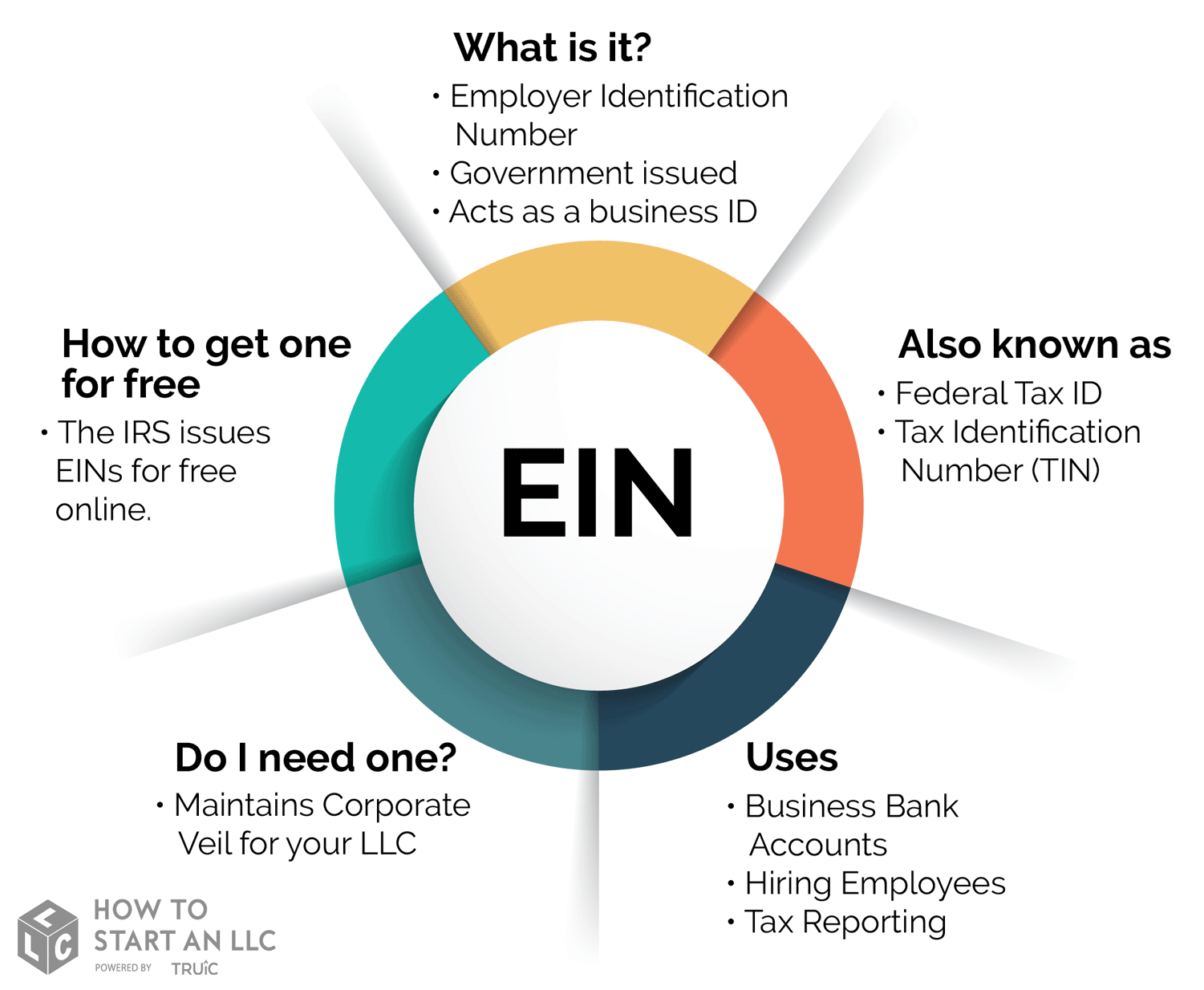
For those embracing the entrepreneurial lifestyle in Florida, understanding the nuances of business setup is as crucial as choosing the right location. An EIN, often referred to as a Federal Tax Identification Number, is more than just a formality; it’s the cornerstone of your business’s financial and legal identity. It’s akin to a social security number for your business, allowing you to open bank accounts, file taxes, and hire employees. This comprehensive guide will walk you through the process of securing an EIN in Florida, ensuring your venture is set up for success from the very beginning, all while embracing the promise of an independent and thriving business lifestyle.
Understanding the EIN: Your Business’s Federal Tax ID
Before diving into the application process, it’s essential to grasp what an EIN is and why it’s indispensable for most Florida businesses. An EIN serves as a unique identifier assigned by the Internal Revenue Service (IRS) to business entities operating within the United States. Its significance extends beyond mere tax compliance, touching various operational aspects of your business.
What is an EIN and Who Needs One?
An EIN is a nine-digit number used by the IRS to identify taxpayers who are required to file various business tax returns. While not every business automatically needs an EIN, many do, particularly if they plan to grow or operate with certain structures. You will generally need an EIN if your business:
- Has employees: This is the most common trigger. If you plan to hire anyone, even part-time, an EIN is required.
- Is structured as a corporation or partnership: Regardless of whether you have employees, these legal structures necessitate an EIN.
- Is an LLC (Limited Liability Company) taxed as a corporation or partnership: If your LLC has multiple members or elects to be taxed as a corporation, an EIN is required. Single-member LLCs, by default, are often considered a “disregarded entity” and may not need an EIN if they don’t have employees, but many still obtain one for professional reasons.
- Files excise, alcohol, tobacco, or firearm tax returns: Certain specialized businesses fall into this category.
- Withholds taxes on income, other than wages, paid to a non-resident alien: This applies to specific international payment scenarios.
- Is a trust (except certain grantor trusts), estate, real estate mortgage investment conduit, non-profit organization, farmers’ cooperative, or plan administrator: These entities almost always require an EIN.
For sole proprietors in Florida without employees, you can typically use your Social Security Number (SSN) for business tax purposes. However, many sole proprietors still opt to get an EIN to keep personal and business finances separate, enhance credibility, and protect their SSN from broader distribution. This step often aligns with a more organized and professional business lifestyle.
Why an EIN is Crucial for Your Florida Venture
Beyond legal requirements, an EIN unlocks several critical functionalities for your Florida business:
- Opening a Business Bank Account: Most banks will require an EIN to open a dedicated business checking or savings account. This is vital for maintaining clear financial records and separating personal assets from business liabilities, a cornerstone of responsible business management.
- Hiring Employees: As mentioned, an EIN is essential for payroll, withholding taxes, and reporting wages to the IRS and the Florida Department of Revenue.
- Filing Federal and State Taxes: Your EIN will be used on all federal tax forms (e.g., Form 941 for employer taxes, Form 1120 for corporations) and often for state tax forms in Florida, such as those related to sales tax or reemployment tax.
- Building Business Credit: To establish a credit history for your business, which is separate from your personal credit, an EIN is indispensable. This allows you to apply for business loans, lines of credit, and vendor accounts.
- Applying for Business Licenses and Permits: Many state and local licenses and permits in Florida will require your EIN during the application process.
- Enhanced Professionalism and Credibility: Using an EIN instead of your SSN on business documents, invoices, and contracts projects a more professional image and can instill greater confidence in clients and partners.
For those pursuing a lifestyle of entrepreneurial independence, the EIN is the first tangible step towards legitimizing your venture and building a robust foundation for growth in Florida.
Preparing for Your EIN Application in the Sunshine State
The application process for an EIN is relatively straightforward, but careful preparation can save you time and prevent potential delays. Having all the necessary information readily available ensures a smooth experience.
Eligibility Requirements: Who Can Apply?
To apply for an EIN, the applicant must have a valid Taxpayer Identification Number (TIN). This is typically an SSN for individuals or an ITIN (Individual Taxpayer Identification Number) for non-U.S. citizens who need a U.S. tax ID. The applicant must be the “Responsible Party” for the business, meaning the person who ultimately owns or controls the entity, or who exercises ultimate effective control over the entity. This individual can be the sole proprietor, a partner in a partnership, a principal officer of a corporation, or a grantor of a trust.
Only one EIN can be assigned per Responsible Party per day. If you need multiple EINs for separate new entities, ensure you apply for each on different days.
Gathering Essential Information
Before you begin the application, collect the following key details:
- Legal Name of the Business: This should match your official business registration with the Florida Department of State.
- Trade Name (Doing Business As – DBA), if applicable: The name under which your business operates if different from its legal name.
- Street Address of the Business: This cannot be a P.O. Box if a physical address is available.
- Mailing Address: Where you want to receive IRS correspondence.
- Type of Entity: (e.g., Sole Proprietor, Partnership, Corporation, LLC).
- Reason for Applying: (e.g., Started a new business, Hired employees, Banking purposes).
- Date Business Started or Acquired: The month, day, and year your business officially began operations.
- Number of Employees You Expect to Have: (This is an estimate).
- Principal Business Activity: A description of what your business does (e.g., retail, manufacturing, services).
- Name and SSN/ITIN of the Responsible Party: The individual legally responsible for the business.
Having this information organized will make the application process quick and efficient, aligning with the proactive approach common among successful Florida entrepreneurs.
Choosing the Right Business Entity for Your Florida Lifestyle
The type of business entity you choose significantly impacts your tax obligations, liability protection, and administrative burden. Your selection should align with your business goals and personal lifestyle preferences. Common structures include:
- Sole Proprietorship: Simple to set up, but offers no personal liability protection.
- Partnership: Suitable for two or more owners, but partners are generally personally liable for business debts.
- Limited Liability Company (LLC): Popular in Florida for its balance of liability protection (like a corporation) and pass-through taxation (like a sole proprietorship or partnership).
- Corporation (S-Corp or C-Corp): Offers the strongest liability protection and potential tax advantages, but involves more complex administrative and compliance requirements.
Many Florida entrepreneurs opt for an LLC due to its flexibility and ease of management, allowing them to focus more on their business and lifestyle. Consult with a legal or tax professional to determine the best structure for your specific situation.
Step-by-Step Guide: Applying for Your EIN
The IRS offers several methods for obtaining an EIN, with the online application being the most recommended for its speed and convenience.
The Online Application: The Fastest Route
For most domestic applicants, applying online via the IRS website is the quickest and most efficient method. You can typically receive your EIN immediately upon completion.
- Visit the IRS Website: Navigate to the “Apply for an Employer Identification Number (EIN) Online” page on the official IRS website.
- Verify Eligibility: Read through the eligibility criteria to ensure you qualify for an online application.
- Begin the Application: Click “Apply Online Now” and proceed through the guided questions. You will need to provide all the information gathered in the previous step, including your business details and the Responsible Party’s SSN/ITIN.
- Review and Submit: Carefully review all your entries for accuracy. Once submitted, your EIN will be displayed immediately.
- Save Your EIN: Print or save the confirmation page containing your new EIN. This is your official document and you will not receive a physical copy by mail unless you specifically request it later (Form 147C).
The online application is available during specific hours, usually Monday through Friday, 7 a.m. to 10 p.m. Eastern Time. This method is ideal for Florida residents or those operating within the United States who have a valid SSN or ITIN.
Applying by Fax, Mail, or Phone: Alternative Methods
While the online method is preferred, other options are available:
- Fax Application (Form SS-4): Complete Form SS-4, Application for Employer Identification Number, print it, and fax it to the appropriate IRS fax number. If you provide a return fax number, the IRS will typically fax the EIN back within four business days. This is often used by international applicants who may not have an SSN/ITIN and are applying from outside the U.S.
- Mail Application (Form SS-4): Similar to the fax method, you can complete and mail Form SS-4 to the IRS. This is the slowest option, with processing times typically ranging from four to five weeks.
- Telephone Application (International Applicants Only): If you are an international applicant without a U.S. SSN or ITIN, you can apply by telephone by calling 267-941-1099 (this is not a toll-free number). The individual making the call must be authorized to receive the EIN and answer questions about Form SS-4. This option is available Monday through Friday, 6 a.m. to 11 p.m. Eastern Time.
What to Expect After Application
If you apply online, your EIN is issued instantly. For fax applications, expect to receive your EIN back within about four business days. Mail applications take the longest. Once you have your EIN, you can immediately use it for banking, payroll, and other business activities. The IRS does not send an official EIN confirmation letter by mail unless requested, so keep your online or faxed confirmation secure.
Common Pitfalls and Expert Tips for Florida Entrepreneurs
Navigating the initial steps of business setup in Florida can present challenges, but being aware of common mistakes and leveraging expert advice can streamline your journey towards a thriving entrepreneurial lifestyle.
Avoiding Common Application Errors
- Accuracy is Key: Double-check all information before submission. Errors, especially with the Responsible Party’s SSN/ITIN or the business name, can lead to delays or rejection.
- Only One EIN Per Entity: Do not apply for a new EIN if your business already has one. If you’ve lost your EIN, there are procedures to retrieve it. A new EIN is typically only needed if your business structure fundamentally changes (e.g., a sole proprietorship incorporates).
- Responsible Party Information: Ensure the individual listed as the Responsible Party has the legal authority and a valid SSN/ITIN.
- Applying too soon: While you can apply for an EIN before your business officially starts, make sure your business entity is registered with the Florida Department of State first if required (e.g., for LLCs and corporations).
Post-EIN Responsibilities
Obtaining an EIN is just the beginning. Florida entrepreneurs must also:
- Maintain Accurate Records: Keep meticulous financial records, including payroll, sales, and expenses, using your EIN.
- Comply with Florida State Registrations: Depending on your business, you may need to register with the Florida Department of Revenue for sales tax, reemployment tax, or corporate income tax.
- Obtain Local Licenses and Permits: Many cities and counties in Florida require specific business licenses and permits. Check with your local government offices (e.g., City of Orlando Business Tax Receipt, Miami-Dade County Business Tax).
- Understand Employer Obligations: If you hire employees, familiarize yourself with federal and Florida labor laws, including wage requirements, workers’ compensation, and unemployment insurance.
Leveraging Your EIN for Business Growth in Florida
Your EIN is a powerful tool for fostering business growth. By using it consistently for all official business matters, you can:
- Build Strong Business Credit: This is crucial for securing favorable financing terms as your business expands, allowing you to invest in inventory, equipment, or marketing.
- Establish Professional Relationships: An EIN lends credibility when dealing with suppliers, vendors, and larger clients, opening doors to new opportunities.
- Separate Personal and Business Finances: This not only simplifies accounting and tax preparation but also offers personal asset protection, which is vital for long-term entrepreneurial peace of mind.
Beyond the EIN: Thriving in Florida’s Business Landscape
With your EIN secured, you’ve laid a fundamental brick in your Florida business foundation. However, truly thriving in the Sunshine State requires understanding its unique ecosystem and continuing to build connections.
Florida State-Specific Requirements
Beyond federal EIN requirements, Florida has its own set of rules for businesses:
- Business Registration: Most corporations, LLCs, and partnerships must register with the Florida Department of State, Division of Corporations.
- Sales Tax: If your business sells taxable goods or services, you must register with the Florida Department of Revenue to collect and remit sales tax.
- Reemployment Tax: If you have employees, you’ll need to register for Florida reemployment tax (unemployment insurance).
- Professional Licensing: Many professions require state-specific licenses (e.g., real estate agents, doctors, contractors).
Always consult the official websites of the Florida Department of State and the Florida Department of Revenue for the most current information applicable to your specific business type and location.
Connecting with Florida’s Entrepreneurial Community
One of the most enriching aspects of the entrepreneurial lifestyle in Florida is its vibrant business community. Seek out:
- Local Chambers of Commerce: Joining your local chamber (e.g., Miami Chamber of Commerce, Orlando Chamber of Commerce) can provide invaluable networking opportunities and resources.
- Small Business Development Centers (SBDCs): Florida SBDCs offer free consulting and training for small businesses.
- Industry-Specific Associations: Connect with peers and mentors in your niche.
- Networking Events and Meetups: Florida’s major cities host numerous events designed for entrepreneurs and business professionals.
Embracing the collaborative spirit of Florida’s business scene can accelerate your growth and provide critical support as you navigate the challenges and triumphs of your venture.
Getting an EIN is a foundational step for nearly every business aiming for legitimacy and growth in Florida. By understanding its purpose, preparing diligently, and following the application steps, you can secure this vital identification number quickly and efficiently. This enables you to focus on what truly matters: building a successful business, contributing to Florida’s dynamic economy, and enjoying the unique lifestyle that the Sunshine State offers to its independent and visionary entrepreneurs.
LifeOutOfTheBox is a participant in the Amazon Services LLC Associates Program, an affiliate advertising program designed to provide a means for sites to earn advertising fees by advertising and linking to Amazon.com. Amazon, the Amazon logo, AmazonSupply, and the AmazonSupply logo are trademarks of Amazon.com, Inc. or its affiliates. As an Amazon Associate we earn affiliate commissions from qualifying purchases.