
For many visiting or settling into the Sunshine State, acquiring a Florida identification card is a practical step that streamlines numerous aspects of local engagement. While an out-of-state driver’s license or passport often suffices for casual visits, a state-issued ID card offers convenience and a sense of belonging for longer stays, new residents, or even those looking to simplify day-to-day transactions. This guide provides a comprehensive overview for anyone navigating the process of obtaining a Florida ID card, framed with insights particularly relevant for tourists and temporary residents seeking to fully experience all that the state has to offer.
Understanding Florida ID Cards: A Tourist’s Perspective
A Florida ID card is more than just a piece of plastic; it’s a gateway to smoother experiences within the state, especially for those venturing beyond typical tourist hubs. While many tourists rely on their existing forms of identification, understanding the benefits and distinctions of a state-issued ID can significantly enhance a prolonged stay.
Why an ID Card is Essential for Visitors
For tourists, particularly those planning an extended vacation, a seasonal stay, or even considering relocation, a Florida ID card can be incredibly valuable. It serves as an official form of identification that is widely recognized and accepted throughout the state. While a passport or out-of-state driver’s license will work for many purposes, a local ID can simplify interactions with local businesses, service providers, and governmental agencies.
Consider situations such as renting a vehicle, verifying age for entry into certain venues or purchasing age-restricted items, or even enrolling in local community programs. For “snowbirds” who spend several months in Florida each year, having a Florida ID can make life considerably easier, providing a local credential without the need to carry a passport or constantly present an out-of-state document. It provides peace of mind and reduces potential confusion in transactions where a local address or identification might be preferred or required. Furthermore, it serves as a reliable secondary form of ID should your primary identification be lost or stolen during your travels.
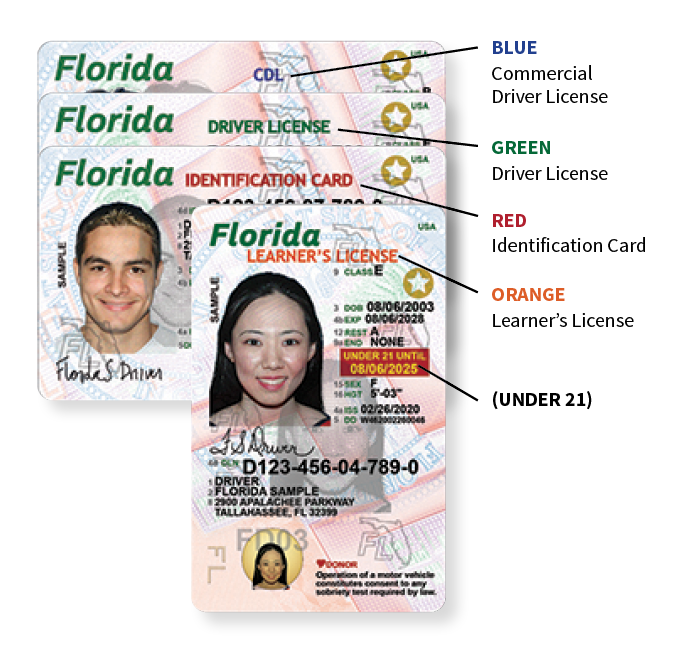
Distinguishing Between a Driver’s License and an ID Card
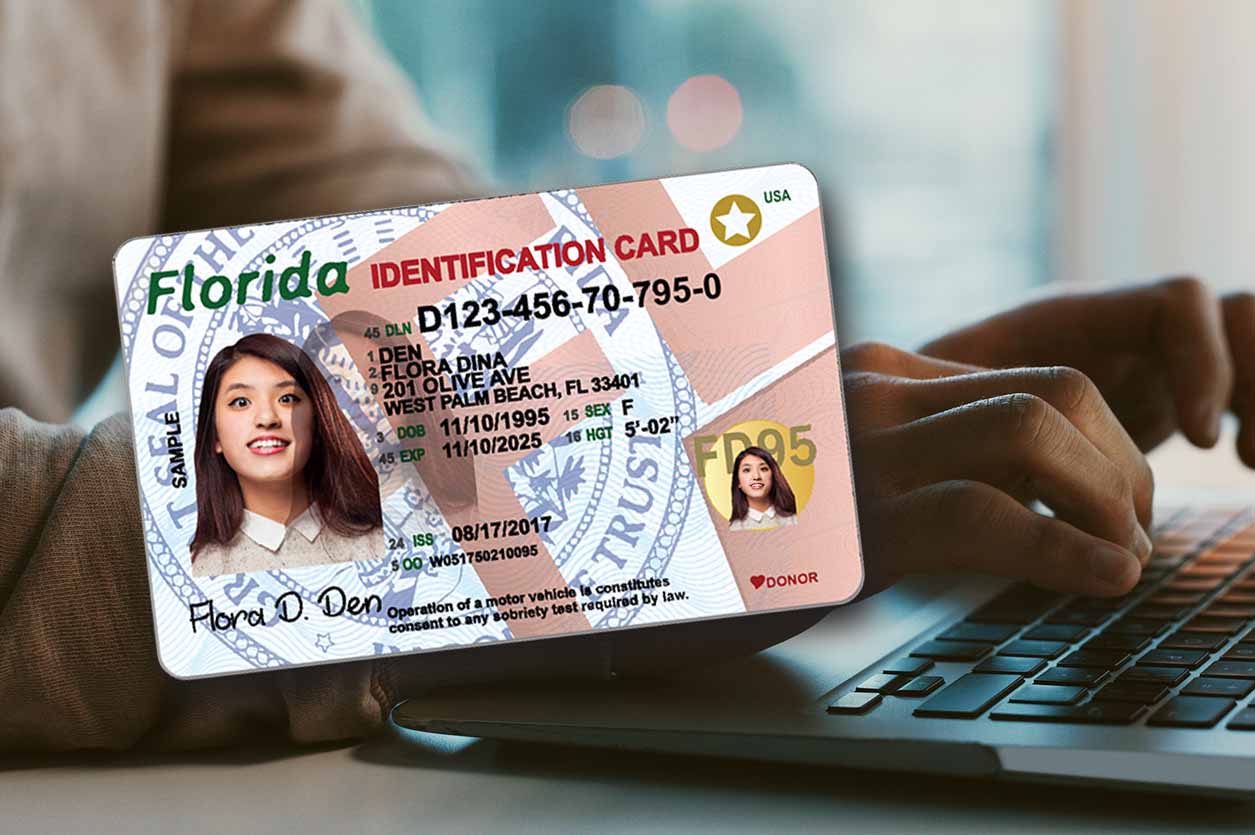
It’s crucial to understand the difference between a Florida driver’s license and a Florida identification card. Both are official, state-issued documents that serve as proof of identity and age, and both meet the federal Real ID Act standards. However, the key distinction is that a Florida ID card does not grant the holder any driving privileges.
A Florida driver’s license is specifically for individuals who operate motor vehicles. In contrast, a Florida ID card is a non-driving identification document designed for individuals who do not drive, are not yet old enough to drive, or simply prefer to have a non-driving state identification. The application process and required documentation are largely similar for both, as they aim to establish identity and residency. For a visitor who already holds a valid driver’s license from another state or country but needs local Florida identification for other purposes, an ID card is the appropriate choice, allowing them to retain their existing driving privileges while still having a local ID.
Eligibility and Documentation for Out-of-State Visitors and New Residents
Securing a Florida ID card requires meeting specific eligibility criteria and presenting a robust set of documents. This section details what you’ll need to prepare, with particular attention to the nuances for those not permanently domiciled in the state.
Who Can Apply for a Florida ID Card?
Generally, any person who can prove their identity, legal presence in the United States, and residency in Florida can apply for a state ID card. You must not currently hold a Florida driver’s license. If you possess a driver’s license from another U.S. state, you may apply for a Florida ID card, but you’ll generally be required to surrender your out-of-state license. This is a crucial point for seasonal visitors or those moving from another state who wish to establish local identification without switching their driving privileges. For international visitors, eligibility largely depends on their visa status and ability to prove legal presence and temporary Florida residency.
Primary Identification Documents
The first step is to establish your identity. You will need to present original documents (no photocopies) that prove your full legal name and date of birth. Accepted documents typically include:
- U.S. Citizens: An original or certified birth certificate issued by a U.S. state, a valid U.S. passport or passport card, or a Certificate of Naturalization.
- Non-U.S. Citizens: A valid foreign passport with an appropriate U.S. visa, along with the most recent entry stamp or a valid employment authorization document (EAD) issued by the U.S. Citizenship and Immigration Services (USCIS) Form I-766. Your legal presence document must be valid for more than 30 days from the date of application.
These documents are foundational, and any discrepancy in names across documents must be reconciled with supporting legal documentation like a marriage certificate or court order.
Proof of Residency Requirements
This is arguably the most critical component for visitors and new residents. To obtain a Florida ID card, you must provide two different documents that show your Florida residential address. The address cannot be a P.O. Box. For many, especially seasonal residents (“snowbirds”) or those temporarily staying in Florida, this requires careful preparation. Acceptable documents include:
- A deed, mortgage, monthly mortgage statement, or residential rental/lease agreement.
- Utility bills (e.g., water, electric, gas, internet) from within the last 60 days.
- Mail from financial institutions (checking, savings, or investment statements) from within the last 60 days.
- Mail from government agencies (federal, state, county, or city) from within the last 60 days.
- Vehicle registration or title (if applicable, with a Florida address).
- Proof of a homestead exemption in Florida.
- For those staying with friends or family, a “Certification of Address” form, completed by the homeowner/lessee, along with two proofs of residency in the homeowner’s/lessee’s name.
Ensure the documents are recent and clearly display your name and the Florida address you are claiming as your residence.
Social Security Number (SSN) Verification
All applicants for a Florida ID card must provide proof of their Social Security Number (SSN). This can be satisfied by presenting your Social Security card, a W-2 form, a pay stub, or a 1099 form, as long as it clearly displays your full name and SSN. If you do not have an SSN, or if you are an international visitor ineligible for an SSN but can prove legal presence and residency, specific exceptions or alternative verification processes may apply, though this is less common for standard ID card applicants. Always check the latest requirements on the official Florida Department of Highway Safety and Motor Vehicles (DHSMV) website.
Name Change Documentation (If Applicable)
If the name on your primary identification document (e.g., birth certificate) differs from your current legal name, you must provide all original legal documents that establish your current name. This typically includes a marriage certificate, divorce decree, or a court order for a legal name change. The sequence of name changes must be fully documented, linking the name on your birth certificate to your current legal name.
The Application Process: Step-by-Step Guide
Once you’ve gathered all your required documents, the application process for a Florida ID card is relatively straightforward. Knowing what to expect can help ensure a smooth and efficient visit to the licensing office.
Locating Your Nearest DMV or Tax Collector’s Office
Florida ID cards are issued by the Florida Department of Highway Safety and Motor Vehicles (DHSMV) or by authorized county tax collector’s offices. You can find the nearest service center by visiting the official DHSMV website and using their service center locator. For tourists, centers are readily available in popular destinations like Orlando, Miami, and Tampa. It’s always advisable to confirm operating hours and specific services offered by a particular office before your visit.
Scheduling an Appointment (Recommended)
To avoid potentially long wait times, especially during peak tourist seasons or busy weekdays, it is highly recommended to schedule an appointment online. Most DHSMV and tax collector websites offer an online appointment system. Booking ahead ensures that your visit is efficient and minimizes disruption to your travel plans or daily schedule. Arrive a few minutes early for your appointment with all your documents organized.
What to Expect During Your Visit
Upon arrival, you’ll typically check in and wait for your number to be called. When it’s your turn, you’ll present all your original required documents to a customer service representative. They will review your identity, legal presence, residency, and SSN verification documents. You will then complete an application form, have your photograph taken, and provide an electronic signature. While a vision test is required for driver’s licenses, it is not typically necessary for a non-driving identification card. Be prepared for a professional and thorough verification process, as ensuring the integrity of state-issued IDs is paramount.
Fees and Payment Methods
There is a fee associated with obtaining a Florida ID card. The exact amount can vary slightly, so it’s best to check the current fee schedule on the DHSMV website before your visit. Most offices accept various forms of payment, including cash, major credit/debit cards, and personal checks. Having the correct payment method ready will help expedite your transaction.
Receiving Your Florida ID Card
Once your application is approved and fees are paid, you will typically receive a temporary Florida ID card, which is valid for a short period, usually 30 days. Your permanent, plastic ID card will then be mailed to the Florida residential address you provided, usually within a few weeks. It’s important to ensure your mailing address is accurate and secure. If your permanent card does not arrive within the expected timeframe, contact the DHSMV to inquire about its status. The temporary card is sufficient for most identification purposes until your permanent card arrives.
Special Considerations for Tourists and Temporary Residents
The process of obtaining a Florida ID card can have specific nuances for those who are not permanent residents. Understanding these can help seasonal visitors and international travelers navigate the requirements effectively.
International Visitors and ID Cards
For international visitors, eligibility for a Florida ID card depends heavily on their visa type and the duration of their authorized stay in the United States. Generally, individuals on short-term tourist visas (e.g., B-1/B-2) are not eligible for a state-issued ID card because they cannot establish the necessary “domicile” or legal residency required by Florida law.
However, certain non-immigrant visa holders who are authorized for longer stays and can demonstrate a legitimate Florida residential address (such as those on H, L, E, O, F, or J visas) may be eligible. It is crucial for international visitors to consult the DHSMV website or contact them directly to confirm their eligibility based on their specific immigration status. In many cases, an international visitor’s passport and visa, potentially accompanied by an International Driving Permit (if driving), will serve as their primary identification during their stay.
ID Cards for Snowbirds and Seasonal Residents
Florida welcomes a large population of “snowbirds” – individuals who reside in the state for several months out of the year but maintain permanent residency elsewhere. For this group, a Florida ID card is particularly advantageous. Establishing Florida residency for the purpose of an ID card is often achievable through documents such as a seasonal rental agreement, Florida utility bills, or bank statements linked to their seasonal Florida address. This allows seasonal residents to carry a local form of identification that is widely accepted and understood within the state, making daily activities and transactions much more convenient than constantly presenting an out-of-state ID. It signifies a clear, albeit temporary, connection to the Florida community.

Using Your Florida ID for Tourist Activities
Once you have your Florida ID card, you’ll find it simplifies many aspects of your visit or stay. For example, it can be used for:
- Age Verification: Effortlessly prove your age when purchasing alcohol, entering bars, or visiting age-restricted attractions across Florida’s vibrant nightlife and entertainment scenes, from South Beach to Key West.
- Car Rentals: While your driver’s license from your home state or country will allow you to drive, having a supplementary Florida ID can streamline the rental process, especially if you face questions about your primary identification.
- Local Services: Accessing services that might require proof of local residency, such as library cards, gym memberships, or certain local discounts at attractions like Walt Disney World or Universal Studios Orlando (if local discounts apply to temporary residents).
- Domestic Air Travel: As a Real ID compliant document, your Florida ID card will be accepted for domestic flights, offering a convenient alternative to carrying a passport when traveling within the United States.
Obtaining a Florida ID card is a prudent step for any visitor or new resident seeking a more integrated and hassle-free experience in the state. By understanding the requirements and following the outlined process, you can quickly acquire this valuable document and enjoy greater convenience as you explore everything Florida has to offer.
LifeOutOfTheBox is a participant in the Amazon Services LLC Associates Program, an affiliate advertising program designed to provide a means for sites to earn advertising fees by advertising and linking to Amazon.com. Amazon, the Amazon logo, AmazonSupply, and the AmazonSupply logo are trademarks of Amazon.com, Inc. or its affiliates. As an Amazon Associate we earn affiliate commissions from qualifying purchases.