
Navigating the administrative landscape of a new state, or even just updating your personal identification, can often feel like a complex endeavor. For residents and those establishing a long-term presence in the Centennial State, obtaining a Colorado ID is a foundational step in solidifying your roots and engaging with the state’s vibrant lifestyle. This comprehensive guide will walk you through the precise steps, required documentation, and key considerations for securing your official identification, ensuring a smooth transition into the rhythm of Colorado life.
Understanding Colorado’s Identification System
The Colorado Department of Revenue’s Division of Motor Vehicles (DMV) is the primary agency responsible for issuing driver’s licenses and state identification cards. These documents serve as crucial forms of identification for a multitude of daily activities, from banking and employment verification to purchasing age-restricted items and domestic air travel. Understanding the types of IDs available and who typically needs one is the first step in the process.
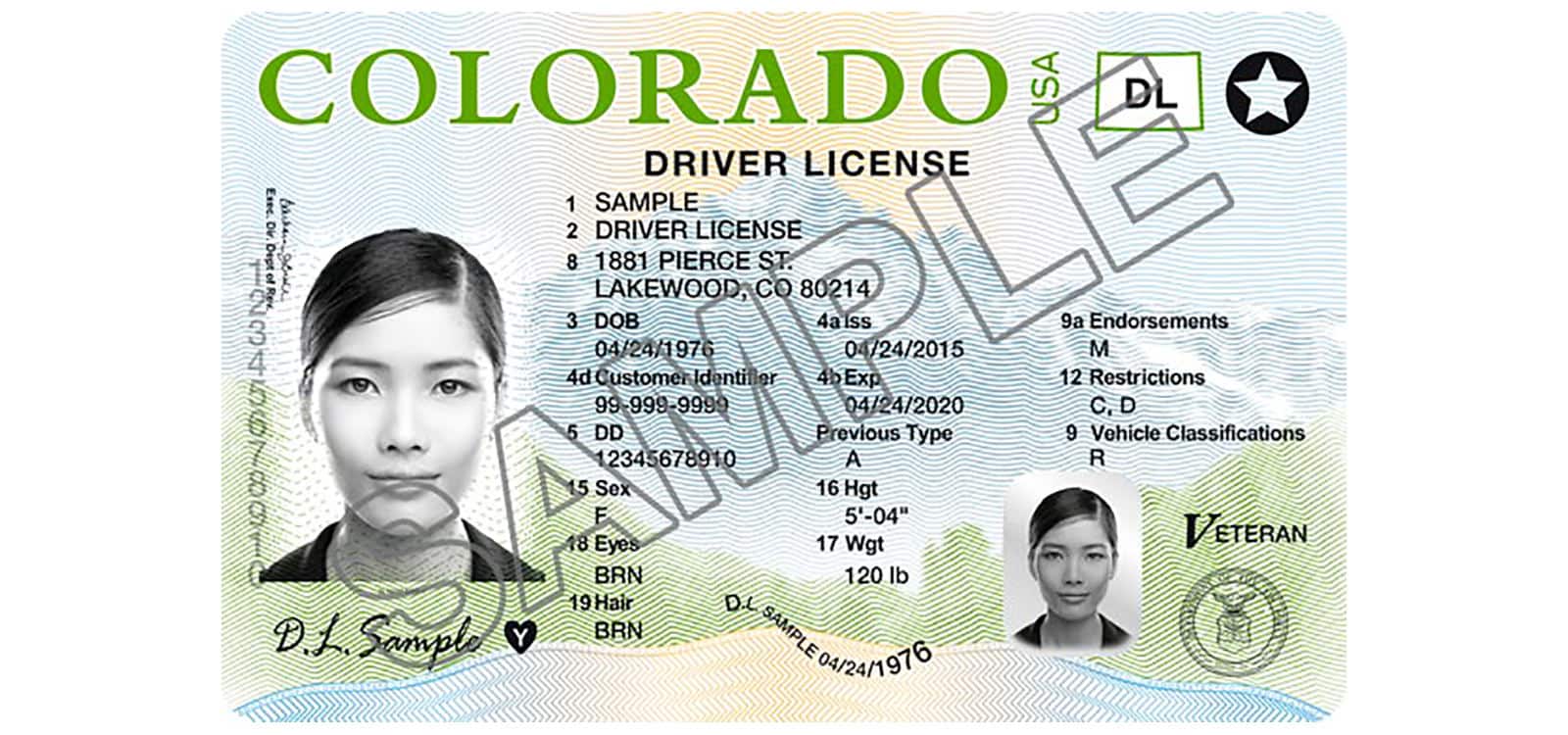
Types of Colorado IDs
There are generally two main categories of identification issued by the Colorado DMV that are relevant to most residents:
- Colorado Driver’s License: This is the most common form of identification and also grants the holder the legal privilege to operate a motor vehicle on public roads. It requires successful completion of written and practical driving tests, in addition to identity verification.
- Colorado State Identification Card: For individuals who do not drive or are not yet eligible for a driver’s license, the state ID card serves as an official photo identification document. It holds the same weight as a driver’s license for identification purposes but does not authorize driving.
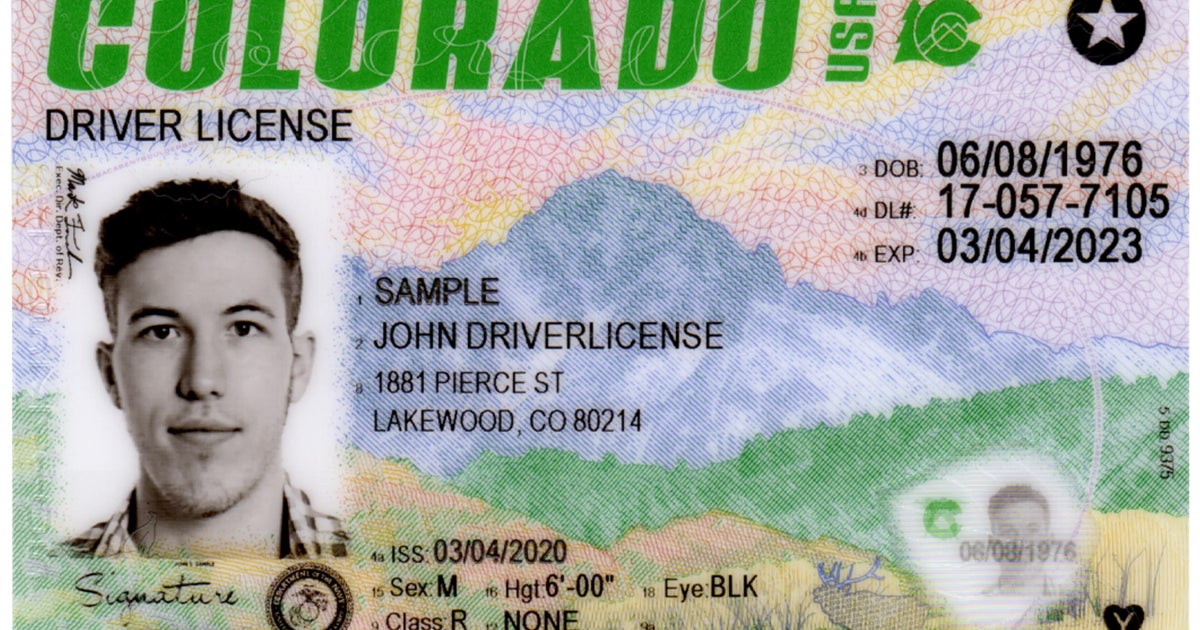
Both a driver’s license and a state ID card can be issued as a REAL ID-compliant document or a standard document. The REAL ID Act, passed by Congress in 2005, established minimum security standards for state-issued driver’s licenses and ID cards and prohibits federal agencies from accepting for certain purposes, such as boarding federally regulated commercial aircraft, licenses and identification cards from states that do not meet these standards. A REAL ID-compliant card will typically have a star in the upper right-hand corner, signifying it meets federal requirements for identification. For those planning to travel domestically by air or access federal facilities, a REAL ID is highly recommended.
Who Needs a Colorado ID?
A Colorado ID is essential for virtually anyone establishing residency in the state. This includes:
- New Residents: Individuals who have recently moved to Colorado from another state or country and plan to live here long-term.
- Minors: Teenagers applying for their first driver’s permit or license, or those seeking a state ID for school, employment, or age verification.
- Non-Drivers: Adults who do not operate a vehicle but require official photo identification for various life functions.
- Individuals Requiring Proof of Age: For legal age verification in numerous contexts.
- Those Seeking Employment: Many employers require valid state identification for hiring purposes.
Obtaining a Colorado ID ensures you can seamlessly integrate into the daily administrative and social fabric of life in the state, from voting to accessing essential services.
Required Documentation: What You Need To Bring
The most critical aspect of successfully obtaining a Colorado ID is presenting the correct and sufficient documentation. The Colorado DMV operates under a “2+2” rule for many document types, meaning you often need at least two documents from specific categories. It is imperative to check the official Colorado DMV website for the most current and exact requirements before your visit, as these can change. Generally, you will need to provide proof of identity, social security number, Colorado residency, and lawful presence.
Proof of Identity
You will need to provide one or more documents to prove your legal name and date of birth. Acceptable documents often include:
- Certified birth certificate (original or certified copy).
- Valid, unexpired U.S. passport or passport card.
- Certificate of Naturalization.
- Valid, unexpired foreign passport with a valid U.S. visa and I-94 form (for non-citizens).
Ensure any name changes (due to marriage, divorce, etc.) are also documented with official certificates (e.g., marriage certificate, divorce decree).
Proof of Social Security Number (SSN)
You must provide proof of your Social Security Number. Acceptable documents include:
- Social Security card.
- W-2 form.
- SSA-1099 form.
- Non-SSA-1099 form.
- Pay stub with your name and SSN.
The document must clearly display your full SSN. If you do not have an SSN, specific alternative procedures are in place, typically for non-citizens who are not authorized for employment but need an ID.
Proof of Residency in Colorado
To prove you are a resident of Colorado, you will need two documents showing your current residential address. These must be original documents, dated within a specified timeframe (often within one year). Examples include:
- Utility bill (gas, electric, water, trash, internet).
- Bank statement.
- Credit card statement.
- Pay stub.
- Lease agreement or mortgage statement.
- First-class mail from a federal, state, or local government agency.
- Vehicle registration or title.
- Insurance policy or card.
Ensure these documents clearly display your name and the Colorado street address you are claiming as your residence. Post office boxes are generally not accepted for proof of residency.
Proof of Lawful Presence
For U.S. citizens, lawful presence is typically established by the birth certificate or passport used for proof of identity. For non-citizens, additional documentation is required to prove lawful presence in the United States. This can include:

- Valid, unexpired foreign passport with U.S. visa and I-94 form.
- Permanent Resident Card (Green Card).
- Employment Authorization Document (EAD card).
- Refugee travel document.
The validity period of your Colorado ID for non-citizens will typically be tied to the expiration date of your lawful presence document.
The Application Process: Step-by-Step
Once you have gathered all your necessary documents, the application process for a Colorado ID is straightforward, though it requires careful attention to detail.
Scheduling an Appointment
While walk-ins may be accepted at some locations, the most efficient way to get your ID is by scheduling an appointment online through the Colorado DMV website. This significantly reduces wait times and ensures you are seen promptly. You can select a convenient DMV office location, whether in Denver, Colorado Springs, Fort Collins, Boulder, Aurora, or smaller towns like Grand Junction, Pueblo, Durango, Aspen, or Vail.
Visiting the DMV
On the day of your appointment, arrive punctually with all your original documents. Photocopies are generally not accepted. You will:
- Check-in: Confirm your appointment and get a queue number.
- Document Review: A DMV technician will review all your submitted documents to ensure they meet the requirements. Be prepared to answer questions regarding your residency and identity.
- Application Form: You may need to complete an application form, either online prior to your visit or in person.
- Vision Screening (for driver’s license applicants): If applying for a driver’s license, you will undergo a basic vision test.
- Photo and Signature: Your photo will be taken, and you will provide an electronic signature.
- Fingerprint Scan: Some applications may require a fingerprint scan for security purposes.
Fees and Payment
There are fees associated with obtaining a Colorado driver’s license or state ID card. The exact amount can vary, so it’s advisable to check the current fee schedule on the Colorado DMV website. Payment is typically accepted via cash, check, money order, or credit/debit card (though some locations may have limitations on card types).
Receiving Your ID
After completing the application process and paying the fees, you will usually receive a temporary paper ID. Your official, secure plastic ID card will be mailed to your residential address within a few weeks, typically within 10-14 business days. The temporary ID is valid for driving (if it’s a license) and identification purposes until your permanent card arrives.
Special Considerations and Common Pitfalls
While the process is generally straightforward, there are a few specific scenarios and common challenges to be aware of.
Renewing Your Colorado ID
Colorado driver’s licenses and ID cards typically need to be renewed every few years. The Colorado DMV will usually send a renewal notice by mail. Many renewals can now be completed online, by mail, or at a self-service kiosk, provided there are no changes to your information or if you don’t need to update your photo. For a REAL ID, an in-person visit might be required at certain intervals.
Replacing a Lost or Stolen ID
If your Colorado ID is lost or stolen, it’s crucial to report it and obtain a replacement promptly. You can often apply for a replacement online or in person. You will likely need to re-verify your identity, social security number, and residency, so keep copies of your original documents if possible.
Out-of-State Transfers
New residents moving to Colorado with a valid out-of-state driver’s license are typically required to obtain a Colorado license within 30 days of establishing residency. You generally won’t need to take the written or driving test again if your out-of-state license is valid, but you will still need to provide all the standard identity, SSN, and residency documents.
Non-Citizens and Identification Options
Colorado offers identification options for residents who may not have a lawful presence or social security number, such as the Colorado Road and Community Safety Act (CO-RCSA) driver’s license. These documents serve specific purposes and have different documentation requirements. It’s essential for non-citizens to consult the DMV website or visit an office for detailed, personalized guidance on eligible identification types.
REAL ID vs. Standard ID
As mentioned, the choice between a REAL ID-compliant document and a standard ID depends on your needs. For those who frequently fly domestically or need to access federal facilities, a REAL ID is indispensable. If your travel plans are minimal or non-existent, a standard ID will suffice for most other identification purposes within the state. Always consider your future needs when making this choice.
Beyond the ID: Why It Matters for Your Colorado Lifestyle
Obtaining your Colorado ID is more than just a bureaucratic task; it’s a foundational element of your lifestyle in the state. It grants you the ability to fully participate in everything from establishing banking accounts and signing leases to securing employment and engaging in civic duties like voting. It simplifies interactions with local and state services and provides a universally recognized form of identification for everyday transactions.
From the bustling urban centers to the serene mountain towns, having a valid Colorado ID ensures you can navigate the state’s diverse environments with ease and confidence. It symbolizes your official connection to Colorado and is a vital tool for managing your personal and professional life within its borders. Take the time to gather your documents meticulously and follow the steps, and you’ll soon hold the key to a smoother, more integrated Colorado lifestyle.
LifeOutOfTheBox is a participant in the Amazon Services LLC Associates Program, an affiliate advertising program designed to provide a means for sites to earn advertising fees by advertising and linking to Amazon.com. Amazon, the Amazon logo, AmazonSupply, and the AmazonSupply logo are trademarks of Amazon.com, Inc. or its affiliates. As an Amazon Associate we earn affiliate commissions from qualifying purchases.