
Navigating the neon-lit corridors of Las Vegas can be as exhilarating as a high-stakes game of blackjack, yet it requires a strategic approach to master. Whether you are visiting Nevada for the first time or are a seasoned traveler to the United States, understanding the logistics of this desert oasis is essential for a seamless experience. The city is essentially divided into two primary hubs: the world-famous The Strip and the historic Downtown Las Vegas. While they may look close on a map, the sheer scale of the resorts and the desert heat make a well-planned transportation strategy a necessity.
Navigating the Heart of the Action: Transportation on the Strip
The most iconic section of Las Vegas is undoubtedly The Strip, a four-mile stretch of South Las Vegas Boulevard lined with some of the largest hotels and casinos in the world. Getting from one end to the other involves more than just a casual stroll.
The Las Vegas Monorail
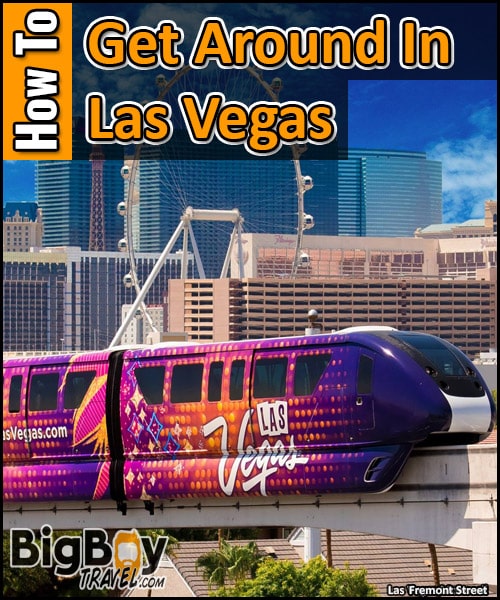
For those looking for speed and efficiency, the Las Vegas Monorail is a premier choice. This 3.9-mile elevated system runs along the east side of The Strip, connecting several major resorts. It offers a climate-controlled environment, which is a significant relief during the scorching summer months. The route includes stops at Sahara Las Vegas, Westgate Las Vegas, the Las Vegas Convention Center, The Linq Hotel + Experience, Flamingo Las Vegas, Ballys Las Vegas (now Horseshoe Las Vegas), and MGM Grand. Trains arrive every four to eight minutes, making it one of the most reliable ways to bypass the heavy traffic on the ground.
Free Trams Between Resorts
Budget-conscious travelers can take advantage of the free trams operated by major gaming corporations. These trams generally serve the west side of The Strip. One popular route connects Mandalay Bay, Luxor, and Excalibur. Another vital link runs between Park MGM, Aria Resort, and Bellagio. Additionally, a tram connects Treasure Island and The Mirage. While these routes are shorter, they significantly reduce the amount of walking required to navigate these massive properties.
Walking and Pedestrian Bridges
Walking is the most intimate way to experience the sights, sounds, and smells of Las Vegas. However, the scale of the architecture is deceptive; what looks like a five-minute walk to the next hotel often turns into a twenty-minute trek. To ensure pedestrian safety and keep traffic flowing, Las Vegas utilizes an extensive network of overhead pedestrian bridges. These bridges allow you to cross major intersections like the one near Caesars Palace and The Flamingo without interacting with vehicles. Always carry water and wear comfortable shoes, as a day of “casino hopping” can easily result in several miles of walking.
Public Transit and the RTC Bus System
The Regional Transportation Commission of Southern Nevada, commonly known as the RTC, provides a robust bus system that is both affordable and comprehensive. This is often the preferred method for travelers who want to see the city like a local or those who are staying slightly off the main thoroughfare.
The Deuce
The most famous bus in the fleet is The Deuce. This iconic double-decker bus operates 24/7 and runs the entire length of The Strip, extending all the way to Fremont Street Experience. It stops at almost every major resort, providing a slow but scenic tour of the city. Riding on the top deck offers a fantastic vantage point for photography and sightseeing. Because it stops frequently, it is not the fastest way to travel, but it is certainly the most comprehensive for tourists.
Express Routes and Passes
For a faster journey, the RTC offers express routes such as the Centennial Express (CX), which connects Downtown Las Vegas and the Harry Reid International Airport with fewer stops. To make the most of the bus system, visitors should download the RideRTC app. This allows you to purchase 2-hour, 24-hour, or 3-day passes digitally, which can be scanned as you board. The passes are valid for all RTC routes, making it easy to transition from The Strip to the Las Vegas North Premium Outlets or other local attractions.

Private Transport: Rideshares, Taxis, and Car Rentals
For many visitors, the convenience of door-to-door service outweighs the cost of public transit. However, Las Vegas has specific rules for private transport that differ from many other major cities.
Rideshare Services: Uber and Lyft
Uber and Lyft are ubiquitous in Las Vegas. However, you cannot simply hail a rideshare from the curb on The Strip. Every hotel and major attraction has a designated rideshare pickup and drop-off zone. These are usually located near the main valet or in a specific parking garage area. Before requesting your ride, follow the signage within the hotel (e.g., Wynn Las Vegas or The Cosmopolitan of Las Vegas) to the correct area. This system keeps the main boulevard clear but requires a bit of walking within the resort.
Traditional Taxis
Taxis remain a staple of the Las Vegas experience. Like rideshares, taxis cannot be hailed from the street; you must go to a designated taxi stand, which are found at the entrance of every hotel. Taxis in Las Vegas now utilize zone-based pricing for trips between the Harry Reid International Airport and The Strip, which provides price transparency and prevents “long-hauling” (taking a longer route to increase the fare). Taxis are often faster than rideshares during peak hours because they are always staged and ready to go at the hotel fronts.
Renting a Car
Renting a car is generally only recommended if you plan to explore areas beyond the city limits, such as Red Rock Canyon, Hoover Dam, or the Grand Canyon. Within the city, traffic can be heavy, and parking fees have become common at most major resorts like Venetian Las Vegas and Resorts World Las Vegas. If you do choose to drive, be aware of the “Strip” traffic during weekend evenings, which can move at a snail’s pace.
Reaching Beyond the Neon: Downtown and Airport Transfers
While The Strip gets most of the attention, Downtown Las Vegas offers a completely different vibe, and getting there requires a bit of planning. Additionally, your journey begins and ends at the airport, making arrival logistics a priority.
Exploring Downtown and Fremont Street
Downtown Las Vegas is where the city began. The Fremont Street Experience is a pedestrian-only mall that is much more walkable than The Strip. To get here from The Strip, you can take The Deuce bus, a taxi, or a rideshare. Once downtown, the area is compact enough to explore on foot. You can visit the Mob Museum or enjoy the quirky shops at Container Park. For a unique way to see the downtown area, consider using the RTC Bike Share, which has stations located throughout the district.
Harry Reid International Airport Transfers
The Harry Reid International Airport is located very close to The Strip, often providing spectacular views of the skyline upon landing. Aside from taxis and rideshares, many visitors utilize airport shuttle services. These shuttles are a cost-effective way for solo travelers to reach their hotels, though they often involve multiple stops. For those seeking a more luxurious start to their vacation, booking a limousine through a service like Bell Trans is a quintessential Las Vegas tradition.

The Future of Transit: The Boring Company
A newer addition to the city’s transportation landscape is the Vegas Loop by The Boring Company. Currently operating primarily around the Las Vegas Convention Center and connecting to Resorts World Las Vegas, this underground tunnel system uses Tesla vehicles to transport passengers quickly. There are plans to expand this system to include dozens of stations across The Strip and Downtown Las Vegas, potentially revolutionizing how people get around the city in the coming years.
By choosing the right combination of walking, public transit, and private services, you can navigate Las Vegas with confidence. Whether you are heading to a show at Caesars Palace, a dinner at Encore Las Vegas, or an adventure in the Mojave Desert, understanding these transportation options ensures that your time is spent enjoying the destination rather than worrying about the journey.
LifeOutOfTheBox is a participant in the Amazon Services LLC Associates Program, an affiliate advertising program designed to provide a means for sites to earn advertising fees by advertising and linking to Amazon.com. Amazon, the Amazon logo, AmazonSupply, and the AmazonSupply logo are trademarks of Amazon.com, Inc. or its affiliates. As an Amazon Associate we earn affiliate commissions from qualifying purchases.