
Navigating the vibrant, sprawling metropolis of New York City can feel like an adventure in itself. With its iconic skyline, diverse neighborhoods, and endless attractions, understanding the most efficient ways to traverse its five boroughs is paramount for any visitor aiming to maximize their time and experience. This comprehensive guide will equip you with the knowledge to move seamlessly through the concrete jungle, from the historic streets of Lower Manhattan to the artistic enclaves of Queens.
The Undisputed King: The [New York City] Subway System
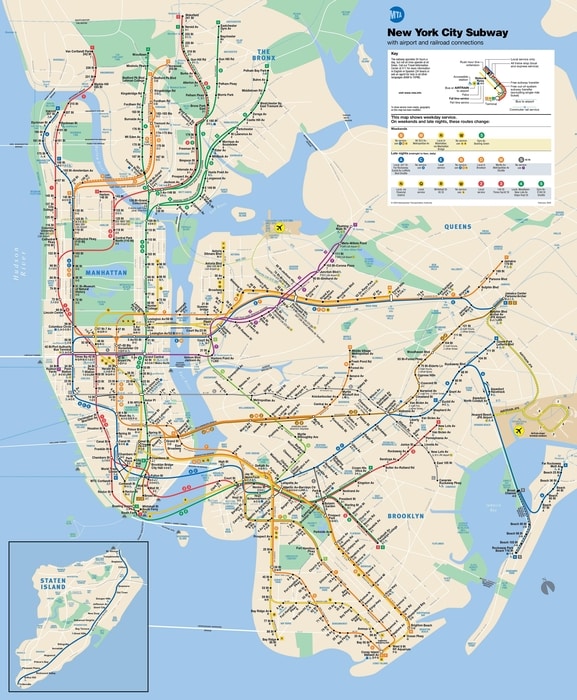
The [New York City] Subway is the lifeblood of the city, a vast network that operates 24 hours a day, 7 days a week, connecting virtually every corner of the metropolis. For most travelers, it’s the most economical and often the fastest way to get around, especially during peak hours when Manhattan traffic grinds to a halt.
Mastering the MetroCard and Beyond
Navigating the subway system begins with understanding how to pay. The traditional MetroCard is still widely used, allowing you to pay per ride or purchase unlimited ride options (7-day or 30-day passes) for extended stays. However, a more modern and often more convenient option is OMNY (One Metro New York), the contactless payment system. You can simply tap your contactless credit or debit card, smartphone, or wearable device at the turnstile. The system automatically caps your fare at the price of a 7-day unlimited pass after 12 paid rides within a 7-day period, making it incredibly user-friendly for tourists.
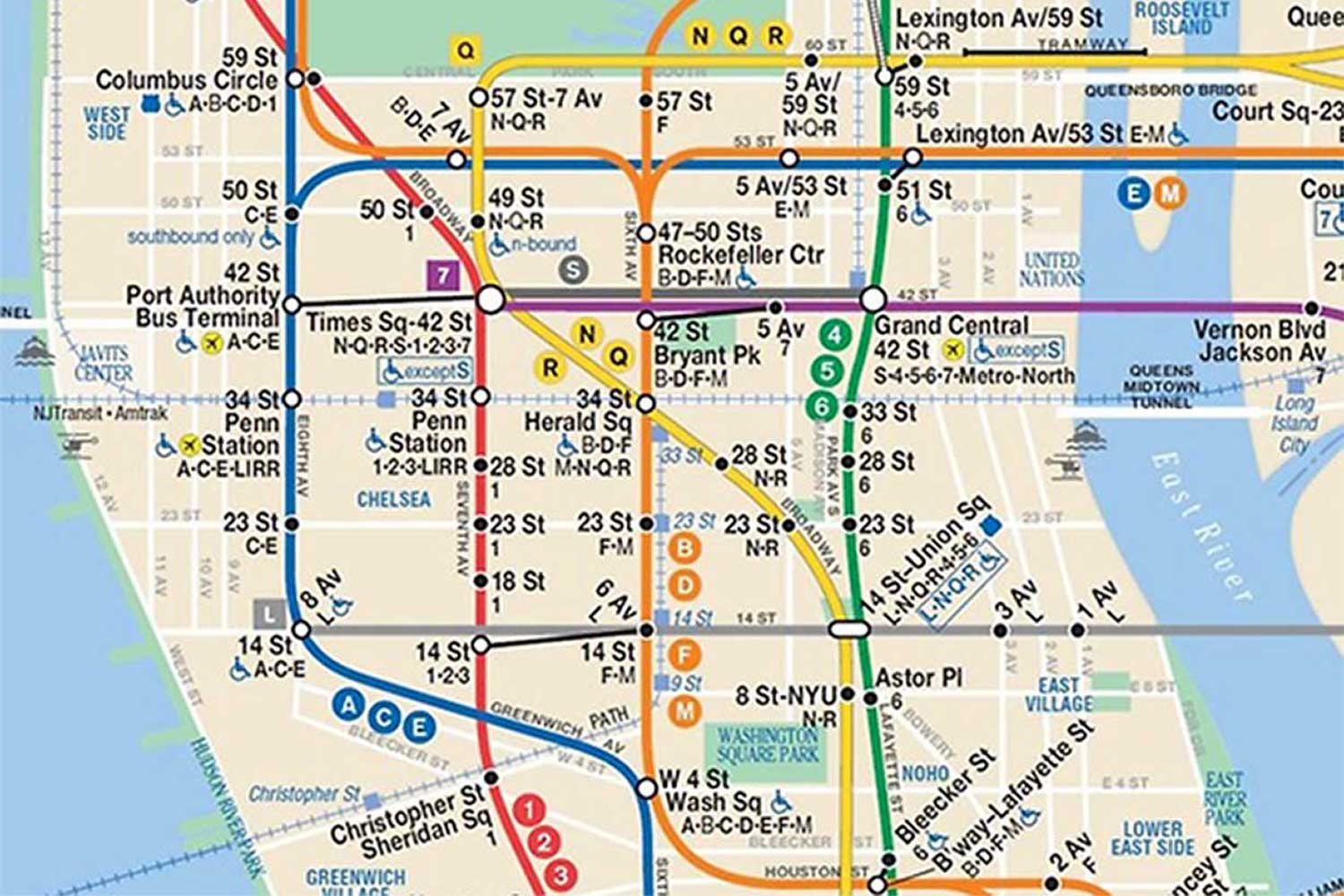
- Understanding the Lines: The subway map can appear daunting at first, but it’s surprisingly logical once you grasp the system of numbered and lettered lines. Trains are generally distinguished by their color and the letter or number designation. Pay attention to whether you need an “uptown” or “downtown” train, which refers to the direction of travel along the north-south avenues of Manhattan. Express trains skip local stops, while local trains stop at every station, so choose wisely based on your destination’s proximity to a specific station.
- Station Etiquette: Be mindful of fellow commuters. Stand to the side when waiting for a train to allow passengers to exit. Onboard, offer your seat to the elderly, pregnant individuals, or those with disabilities. Keep your bags off the seats to maximize space.
- Navigational Tools: Numerous apps are available to help you plan your subway journeys, providing real-time train information and trip planning. Google Maps, Citymapper, and the official MTA app are excellent resources.
Iconic Destinations Accessible by Subway
The subway’s reach extends to almost every major attraction. You can easily reach the Statue of Liberty ferry from the Bowling Green station, explore the museums of the Upper East Side via the 4, 5, or 6 lines, or wander through the vibrant streets of Chinatown and Little Italy from various downtown stations. Even the expansive Central Park has multiple subway stops along its perimeter, making it effortlessly accessible.
The Classic Choice: Taxis and Ride-Sharing Services
While the subway is often the most practical, taxis and ride-sharing services offer convenience and a door-to-door experience, which can be particularly appealing when traveling with luggage, in inclement weather, or when exploring areas with less direct subway access.
The Yellow Cab Experience
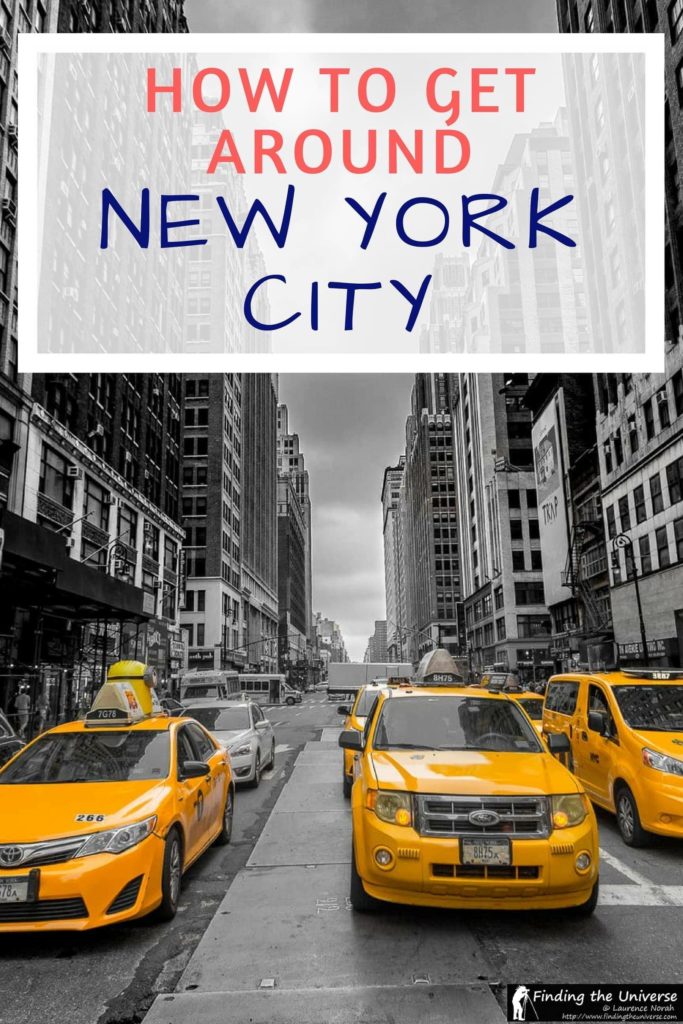
The iconic New York City yellow cabs are a quintessential part of the urban landscape. You can hail them on the street by looking for a lit medallion on the roof. Payment is typically accepted via cash or credit card. For shorter distances, especially within Manhattan, taxis can be a reasonable option, though traffic can significantly impact travel time and cost.
Modern Mobility: Ride-Sharing Apps
Services like Uber and Lyft have become ubiquitous in New York City. They offer a convenient way to book a ride directly from your smartphone, with transparent pricing and cashless payment. You can choose from various car options, from standard sedans to larger SUVs. Ride-sharing can be particularly useful for airport transfers or for reaching destinations in the outer boroughs that might require multiple subway transfers.
- Strategic Use: Consider using ride-sharing for early morning or late-night travel when subway service might be less frequent or for trips to specific locations where a direct subway connection is not ideal.
- Cost Considerations: While often competitive with taxis, ride-sharing prices can surge during peak demand periods. Always check the estimated fare before confirming your booking.
Exploring on Foot and Two Wheels
For those who wish to truly immerse themselves in the city’s atmosphere, exploring on foot or by bicycle offers an intimate perspective that other modes of transport cannot match.
The Joy of Walking
New York City is a city best discovered by foot. Many of its most famous attractions are clustered together, and simply wandering through neighborhoods like Greenwich Village, the West Village, or SoHo reveals hidden gems, charming cafes, and unique boutiques. Planning your days to include significant walking segments will allow you to absorb the city’s energy and character.
- Comfortable Footwear is Key: This cannot be stressed enough. You will be doing a lot of walking, so prioritize comfortable, broken-in shoes.
- Mapping Your Walks: Utilize apps or a good old-fashioned map to plan your walking routes. Consider a stroll across the Brooklyn Bridge for breathtaking skyline views.
The Bicycle Advantage
New York City has significantly improved its cycling infrastructure in recent years, making biking a viable and enjoyable way to get around. The Citi Bike share program offers docking stations throughout the city, allowing you to rent a bike for short-term use.
- Dedicated Bike Lanes: While not every street is bike-friendly, New York City has an expanding network of protected bike lanes, particularly in Manhattan and parts of Brooklyn. Always be aware of traffic and follow the rules of the road.
- Exploring Parks and Waterfronts: Biking is an excellent way to explore the scenic waterfronts of Hudson River Park and Brooklyn Bridge Park, or to cover larger distances within Central Park.
Ferry Services and Commuter Rail
Beyond the subway, New York City boasts an extensive network of ferry services and commuter rail lines, offering unique perspectives and connections to areas less served by the subway.
The NYC Ferry System
The NYC Ferry system is an increasingly popular and scenic way to travel between boroughs. With routes connecting Manhattan, Brooklyn, Queens, and The Bronx, it offers a relaxed and visually stunning alternative to land-based transportation.
- Affordable and Scenic: A single ride on the NYC Ferry is typically just a few dollars, offering incredible views of the Manhattan skyline, the Statue of Liberty, and the bridges. It’s a fantastic way to travel between areas like DUMBO and the Lower East Side or to explore waterfront neighborhoods.
- Expanding Network: The ferry routes are continually expanding, making more of the city accessible by water. Check the NYC Ferry website for current routes and schedules.
Commuter Rail: Metro-North and LIRR
For day trips outside the immediate city limits or for reaching specific neighborhoods in the outer boroughs not well-served by the subway, the commuter rail lines – Metro-North Railroad and the Long Island Rail Road (LIRR) – are invaluable.
- Metro-North: Connects Manhattan with upstate New York and Connecticut, useful for excursions to places like Kykuit or the charming towns along the Hudson River.
- Long Island Rail Road (LIRR): Provides service to Long Island, offering access to beaches, wineries, and various towns. While primarily for commuters, tourists can utilize it for day trips.
By understanding and utilizing the diverse transportation options available, you can confidently navigate New York City and make the most of your visit to this unforgettable global hub.
LifeOutOfTheBox is a participant in the Amazon Services LLC Associates Program, an affiliate advertising program designed to provide a means for sites to earn advertising fees by advertising and linking to Amazon.com. Amazon, the Amazon logo, AmazonSupply, and the AmazonSupply logo are trademarks of Amazon.com, Inc. or its affiliates. As an Amazon Associate we earn affiliate commissions from qualifying purchases.