
San Francisco, a city renowned for its iconic hills, fog, and vibrant culture, presents a unique transportation landscape. Navigating its distinctive geography requires understanding the diverse options available. From the classic cable cars to modern ride-sharing services, and the extensive public transit network, a thoughtful approach can transform getting around the city into an enjoyable part of your experience. This guide delves into the most effective ways to traverse the Golden Gate City, ensuring you can reach every neighborhood, attraction, and culinary delight with ease.
Public Transportation: The Backbone of San Francisco Transit
The San Francisco Municipal Transportation Agency (SFMTA) operates the city’s comprehensive public transportation system, offering a sustainable and often the most efficient way to travel, especially during peak hours. This network includes buses, streetcars, and the historic cable cars, each serving distinct purposes and routes.

Muni Buses and Streetcars
Muni buses and streetcars form the primary public transit arteries of San Francisco. With a vast network of routes, they connect virtually every neighborhood, from the bustling financial district to the artistic enclaves of the Mission and the scenic vistas of the Presidio.
- Route Coverage: Buses and streetcars cover extensive ground, often reaching areas not directly served by light rail or cable cars. Many routes are frequent, particularly on major corridors.
- Fares and Payment: The easiest way to pay for Muni rides is through the Clipper card, a reloadable transit card that can be used across all Bay Area transit systems. Alternatively, you can purchase single-ride tickets or day passes via the MuniMobile app or at select ticket machines. Cash is accepted on buses and streetcars, but exact change is required.
- Accessibility: Most Muni buses and streetcars are equipped with features for passengers with disabilities, including ramps and designated seating areas.
Muni Metro and Light Rail
Muni Metro is San Francisco’s light rail system, sharing tracks with streetcars in the downtown subway and operating on surface streets elsewhere. It’s an excellent option for covering longer distances within the city.
- Key Lines: The K, L, M, N, and T lines are central to the Muni Metro system, connecting various parts of the city to the downtown core and beyond.
- Underground and Surface Operation: In the downtown area, Muni Metro trains run underground, offering a subway-like experience. As they emerge, they often share tracks with surface streetcars.
- Integration with BART: Muni Metro stations frequently intersect with the Bay Area Rapid Transit (BART) system, allowing for seamless transfers to other cities in the Bay Area.
Cable Cars: An Iconic San Francisco Experience
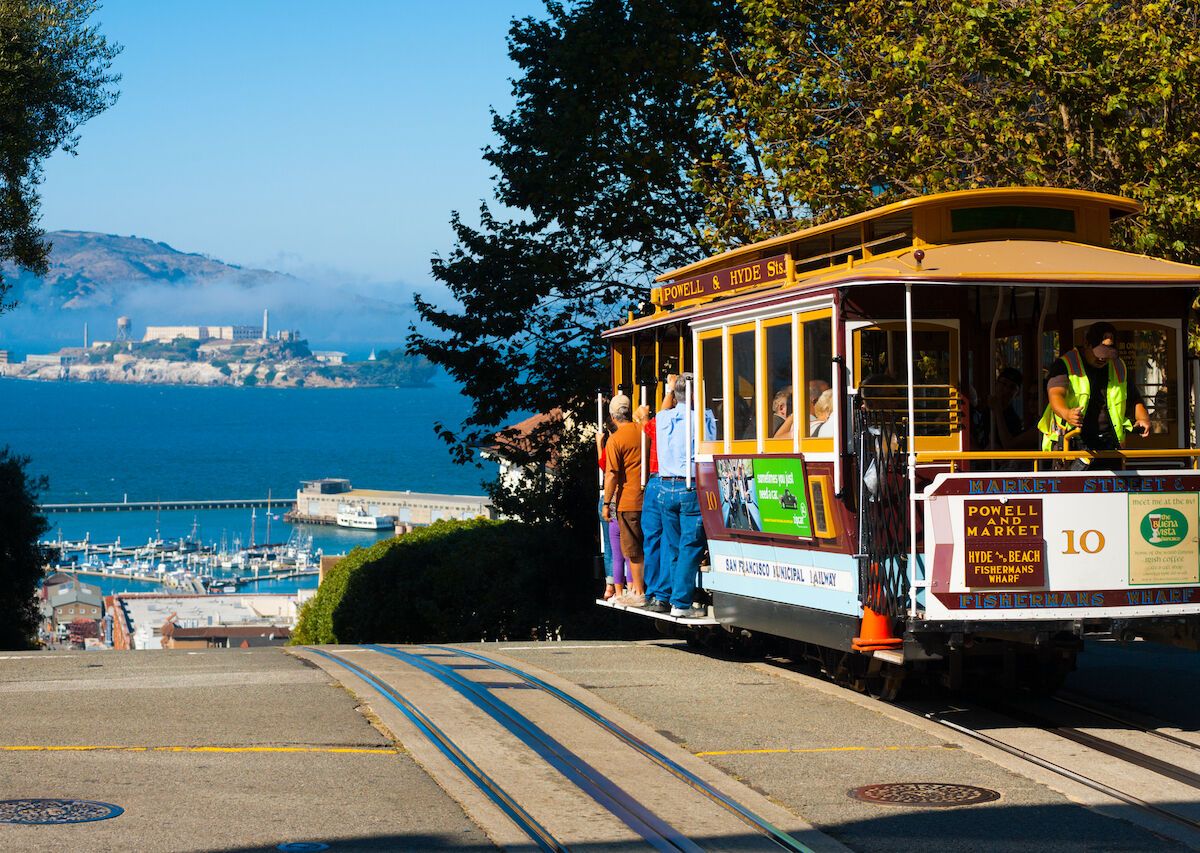
No visit to San Francisco is complete without a ride on its world-famous cable cars. These mobile landmarks offer a nostalgic journey and spectacular views as they ascend and descend the city’s legendary hills.
- Historic Routes: The three historic cable car lines – Powell-Hyde, Powell-Mason, and California Street – are popular with tourists. The Powell-Hyde line is particularly renowned for its dramatic views of Alcatraz Island and the bay.
- Operational Hours and Crowds: Cable cars typically run from early morning until late evening. Due to their popularity, expect queues, especially at the turnaround points. Arriving early in the day or later in the evening can help mitigate wait times.
- Fare: Cable car fares are separate from other Muni services and are generally higher. The Clipper card or MuniMobile app can be used for payment.
Ride-Sharing and Taxis: Convenience and Flexibility
For direct, door-to-door service, ride-sharing apps and traditional taxis offer convenient options in San Francisco. While potentially more expensive than public transit, they provide unparalleled flexibility, especially for late-night travel or when transporting luggage.
- Ride-Sharing Services: Companies like Uber and Lyft have a significant presence in San Francisco. They offer on-demand transportation through their mobile applications, allowing you to book rides, track your driver, and pay electronically. Surge pricing can affect costs during peak demand.
- Traditional Taxis: San Francisco’s taxi fleet provides another reliable transportation choice. Taxis can be hailed on the street, booked in advance, or found at designated taxi stands. Payment options typically include cash and major credit cards.
- Airport Transfers: Both ride-sharing services and taxis are readily available at San Francisco International Airport (SFO) and Oakland International Airport (OAK) for transfers to and from the city.
Biking and Walking: Exploring San Francisco at Your Own Pace
San Francisco is a city that rewards exploration on foot or by bike. Its diverse neighborhoods, picturesque parks, and stunning waterfront offer incredible opportunities for active discovery.
Biking in San Francisco
San Francisco has made significant investments in cycling infrastructure, with an expanding network of bike lanes and bike-sharing programs making it easier and safer to explore by bicycle.
- Bike-Sharing Programs: Services like Bay Wheels (Lyft’s bike-share program) offer convenient access to bicycles throughout the city. You can rent bikes hourly or through day passes, picking them up and dropping them off at designated stations.
- Bike Lanes and Trails: San Francisco boasts a growing number of protected bike lanes, particularly along major thoroughfares and through parks. Popular routes include the Golden Gate Bridge, the Embarcadero, and Golden Gate Park.
- Hill Challenges: Be prepared for San Francisco’s famous hills. While some areas are flatter, tackling inclines can be challenging. Electric bikes are an excellent option for those seeking assistance on steeper gradients.
Walking Tours and Neighborhood Exploration
San Francisco is a highly walkable city, with many of its most iconic sights and hidden gems best discovered on foot.
- Neighborhood Charm: Wander through distinct neighborhoods like North Beach for its Italian heritage and Beat Generation history, the Mission District for its vibrant street art and Latin culture, or Hayes Valley for its chic boutiques and cafes.
- Scenic Walks: Enjoy breathtaking views with walks along the Embarcadero, through Golden Gate Park, or across the Golden Gate Bridge itself.
- Guided Walking Tours: Numerous companies offer guided walking tours focusing on specific themes, such as history, food, or architecture, providing in-depth insights into the city’s rich tapestry.
Driving and Parking: Considerations for Motorists
While driving offers personal freedom, it comes with certain challenges in San Francisco, primarily related to traffic and parking.
- Traffic Congestion: Like many major cities, San Francisco experiences significant traffic congestion, especially during commute hours. Navigating through the city can be time-consuming, and parking availability can be scarce in popular areas.
- Parking: Street parking in many San Francisco neighborhoods is metered and often limited. Parking garages and lots are available, but they can be expensive. Pay close attention to street sweeping signs and residential parking permit restrictions.
- Tolls: Crossing bridges like the Golden Gate Bridge or the San Francisco-Oakland Bay Bridge involves tolls, which are typically collected electronically.
Other Transportation Options
Beyond the primary modes of transport, San Francisco offers a few other specialized options for getting around.
Ferries
For a scenic and efficient way to travel to the East Bay or across the bay, ferries are an excellent choice.
- Routes: The San Francisco Bay Ferry operates routes connecting San Francisco to destinations like Oakland, Alameda, and Sausalito.
- Views: Ferry rides offer stunning panoramic views of the San Francisco skyline, Alcatraz Island, and the Golden Gate Bridge.
- Commuting and Leisure: Ferries are used by commuters and tourists alike, providing a relaxed alternative to driving or public transit.

Electric Scooters
While their availability and regulations can fluctuate, electric scooters can be found in certain areas of San Francisco, offering a quick way to cover short distances. Always check local regulations and safety guidelines before using one.
Ultimately, the best way to get around San Francisco depends on your destination, schedule, and personal preferences. A combination of these transportation methods will likely provide the most comprehensive and enjoyable experience of this unforgettable city.
LifeOutOfTheBox is a participant in the Amazon Services LLC Associates Program, an affiliate advertising program designed to provide a means for sites to earn advertising fees by advertising and linking to Amazon.com. Amazon, the Amazon logo, AmazonSupply, and the AmazonSupply logo are trademarks of Amazon.com, Inc. or its affiliates. As an Amazon Associate we earn affiliate commissions from qualifying purchases.