
The pursuit of a Concealed Carry Weapon (CCW) permit in California is a journey that requires meticulous attention to detail and a thorough understanding of state and local regulations. While the website’s core focus often revolves around the exciting world of travel, accommodation, and lifestyle experiences, understanding the legal framework surrounding personal safety, especially within a state as diverse and populous as California, is an essential aspect of responsible living and planning. This guide aims to demystify the process of obtaining a California CCW, offering a clear roadmap for those seeking to carry a concealed firearm legally.
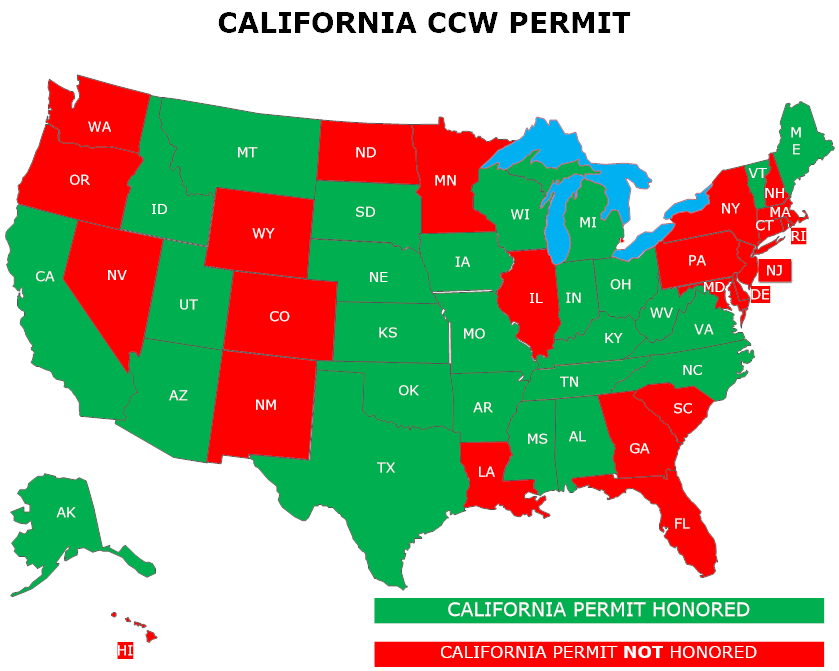
The legal landscape for CCW permits in California has undergone significant shifts, particularly following landmark court decisions. Historically, obtaining a CCW in California was often described as an “any reasonable cause” or “good cause” requirement, meaning applicants often had to demonstrate a specific threat or danger to their life to be approved. However, a pivotal Supreme Court ruling has affirmed the constitutional right to bear arms in public for self-defense, leading to a more standardized approach across the state. This has made the process less dependent on subjective interpretations of “good cause” and more focused on meeting objective criteria.
Understanding the Eligibility Requirements
Before embarking on the application process, it’s crucial to ascertain your eligibility. California has several non-negotiable criteria that applicants must meet. These are designed to ensure that only responsible and law-abiding citizens are granted the privilege of carrying a concealed weapon.
Age and Residency
The fundamental requirements begin with age and residency. Applicants must be at least 21 years of age. Furthermore, you must be a legal resident of the California county where you are applying. This means demonstrating proof of residency, such as utility bills, a lease agreement, or a driver’s license with your California address. For those who are not citizens, proof of legal residency in the United States is also required. The sheriff or police chief of the county is typically the issuing authority, and their jurisdiction is tied to your place of residence. This geographical link is important, as applying in a county where you do not reside will likely result in your application being rejected.
Criminal Background and Mental Health
A clean criminal record is paramount. California law strictly prohibits individuals with certain felony convictions, or those convicted of specific misdemeanor offenses, from obtaining a CCW permit. This includes crimes involving violence, domestic abuse, or unlawful use of a controlled substance. Even minor infractions or pending charges can potentially complicate or even disqualify your application.
Beyond criminal history, mental health is also a critical consideration. Applicants cannot be habitually or unusually intemperate, or have a mental condition that renders them incapable of safely handling a firearm. This can involve past involuntary commitments to mental health facilities or specific diagnoses that are deemed disqualifying by law enforcement. Applicants may be required to undergo psychological evaluations as part of the screening process. It is imperative to be truthful and forthcoming about any past mental health treatment, as withholding such information can lead to denial and potential legal repercussions.
Firearm Proficiency and Safety Training
A significant component of the CCW application process is demonstrating proficiency and knowledge in firearm safety. California mandates that all applicants complete a firearms safety course approved by the Department of Justice. This course covers a wide range of topics, including firearm handling, safe storage, marksmanship, the laws pertaining to the carrying and use of firearms, and conflict de-escalation techniques.
The training typically involves both a theoretical and practical component. You will learn about the different types of firearms, their safe operation, and how to maintain them. The practical aspect involves live-fire exercises where you will be evaluated on your ability to safely and accurately shoot a firearm. The specific requirements for the course, including the number of hours and the content, can vary slightly between counties. It is advisable to research the specific requirements of the sheriff’s department in your county or the nearest major city, such as Los Angeles, San Diego, or San Francisco, to ensure you enroll in an accredited and appropriate course.
Upon successful completion of the course, you will receive a certificate of completion, which is a mandatory document to submit with your CCW application. This certification validates that you have received the necessary training and demonstrated competence in firearm safety.
The Application Process: Step-by-Step
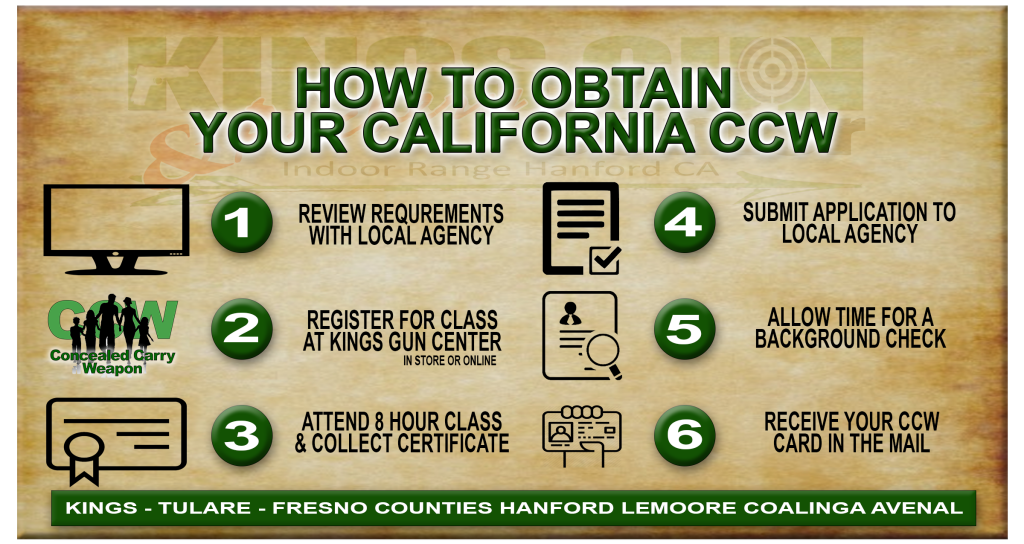
Once you have confirmed your eligibility and completed the required firearms safety training, you can proceed with the formal application process. This is a multi-stage procedure that requires patience and adherence to the guidelines set forth by your local law enforcement agency.
Initial Application and Background Check

The first step is to obtain and complete the official California CCW application form. These forms are typically available on the website of the sheriff’s department or police chief in your county of residence. The application will request detailed personal information, including your address, employment history, driving record, and any relevant personal history. Be meticulous in filling out every section accurately and truthfully.
Following the submission of your initial application, the most intensive part of the process begins: the background check. This comprehensive investigation is conducted by law enforcement and involves a deep dive into your criminal history, driving record, and mental health history. They will likely obtain your fingerprints for a thorough criminal record check through state and federal databases. This process can take several weeks or even months, depending on the workload of the agency and the complexity of your background.
During this phase, you may also be required to undergo an interview with a law enforcement officer. This interview is an opportunity for the officer to ask clarifying questions about your application, assess your suitability for carrying a firearm, and ensure you understand the responsibilities associated with a CCW permit. It is essential to be calm, polite, and honest during this interview.
Live Scan Fingerprinting and Psychological Evaluation (If Required)
As part of the background check, you will almost certainly be required to undergo Live Scan fingerprinting. This is a digital process where your fingerprints are electronically submitted to the California Department of Justice and the Federal Bureau of Investigation (FBI) for a criminal history review. You will typically need to go to an authorized Live Scan provider and pay a fee for this service.
In some cases, depending on the jurisdiction or specific concerns arising from your background check, a psychological evaluation may be required. This evaluation is conducted by a licensed psychologist and is designed to assess your mental stability and your ability to handle the responsibility of carrying a firearm. Again, honesty and full disclosure are paramount during these evaluations.
Issuance of the Permit
If your application is approved after the extensive background check, interview, and any required evaluations, the final step is the issuance of your California CCW permit. The timeframe for this can vary significantly from county to county. Some counties may issue permits within a few months, while others might take up to six months or even longer. It is advisable to maintain open communication with the issuing agency to inquire about the status of your application, but avoid excessive or demanding contact, as this can be counterproductive.
Once issued, your CCW permit will have an expiration date, typically after two years, and will require renewal. The renewal process usually involves a refresher firearms training course and updated background checks.
Living Responsibly with Your CCW Permit
Obtaining a California CCW permit is not merely an administrative hurdle; it is a grant of significant responsibility. The privilege of carrying a concealed firearm comes with stringent legal obligations and a moral imperative to act with utmost caution and discretion.
Understanding Your Responsibilities and Legal Boundaries
The California Penal Code outlines the specific laws governing the carrying of concealed firearms. It is your responsibility as a permit holder to be intimately familiar with these laws. This includes understanding where you are legally permitted to carry your firearm and where it is prohibited. For example, carrying a firearm in certain sensitive places, such as schools, federal buildings, or polling places, is strictly forbidden and carries severe penalties.
Furthermore, the permit itself does not grant you the right to brandish your firearm or use it in a manner that is not in lawful self-defense. The use of a firearm is a last resort, and engaging in any behavior that could be construed as provocative or escalatory can have serious legal consequences, even if you are a permit holder. Responsible gun ownership extends to understanding the nuances of self-defense laws in California, which can be complex.
Safe Storage and Handling Practices
Even when not carrying your firearm, responsible gun ownership dictates that it be stored safely and securely. This means keeping your firearm unloaded and separate from ammunition, and secured in a locked container or safe, out of reach of children and unauthorized individuals. California has specific laws regarding safe firearm storage, and failure to comply can lead to severe penalties, especially if a child gains access to the weapon.
When you are carrying your concealed firearm, maintaining situational awareness is crucial. Be mindful of your surroundings, avoid confrontational situations, and always act with a calm and measured demeanor. The goal of carrying a firearm is to enhance your personal safety, not to invite or engage in conflict.
The journey to obtaining a California CCW is an undertaking that demands dedication and a commitment to responsible gun ownership. By understanding the eligibility requirements, meticulously following the application process, and embracing the profound responsibilities that come with carrying a concealed firearm, you can navigate this path successfully and enhance your personal security within the Golden State.
LifeOutOfTheBox is a participant in the Amazon Services LLC Associates Program, an affiliate advertising program designed to provide a means for sites to earn advertising fees by advertising and linking to Amazon.com. Amazon, the Amazon logo, AmazonSupply, and the AmazonSupply logo are trademarks of Amazon.com, Inc. or its affiliates. As an Amazon Associate we earn affiliate commissions from qualifying purchases.