
For many, the idea of living or extensively traveling in California evokes images of sun-drenched beaches, iconic landmarks, and a vibrant lifestyle. Whether you’re a digital nomad settling into a new city, an expat embracing the Golden State for an extended period, or simply someone planning a long-term adventure across its diverse landscapes, securing a California ID is often a crucial step that can significantly enhance your experience. While it might seem like a purely administrative task, obtaining this essential document is deeply intertwined with ease of travel, accessing local amenities, and truly immersing yourself in the Californian way of life.
This comprehensive guide is designed not just to walk you through the practical steps of acquiring a California ID but also to illuminate why it’s an invaluable asset for anyone looking to make the most of their time in this dynamic state. From seamless airport navigation to unlocking local discounts and simplifying your stay in various accommodations, a California ID goes beyond mere identification; it’s a key to a richer, more integrated California experience.
Why a California ID Matters for Travelers and New Residents
When you envision a trip to California, you likely think of adventures through Yosemite National Park, exploring the urban jungles of Los Angeles and San Francisco, or perhaps a leisurely drive down the Pacific Coast Highway. However, for longer stays or for those transitioning to a new life here, a California ID is more than just a piece of plastic; it’s a facilitator for a smoother, more authentic journey.
Seamless Domestic Travel and Enhanced Security
One of the primary benefits of having a state-issued ID, especially a Real ID Act compliant one, is the ease it brings to domestic air travel within the United States. While other forms of identification like a passport are accepted, a California ID serves as a convenient and universally recognized document for passing through Transportation Security Administration (TSA) checkpoints at airports. For frequent domestic flyers exploring California’s various regions—from the bustling city life of San Diego to the natural beauty around Lake Tahoe—this streamlines the process significantly, making your travel experiences more efficient and less stressful. It removes the need to carry your passport for internal flights, reducing the risk of loss or damage to your international travel document.
Unlocking California’s Experiences: From Road Trips to Local Life
California is a state of vast distances and incredible diversity, making road trips an almost essential part of any comprehensive visit or extended stay. From cruising along Big Sur’s dramatic coastline to venturing into the otherworldly landscapes of Death Valley National Park or Joshua Tree National Park, a reliable form of identification is critical for renting a vehicle. Most car rental agencies require a valid, state-issued ID or driver’s license. For those without a California driver’s license but intending to stay long-term, a California ID serves this purpose perfectly, ensuring you’re able to explore every corner of the state at your own pace.
Beyond transportation, a California ID opens doors to numerous lifestyle aspects. It’s crucial for age verification at breweries, wineries in Napa Valley or Sonoma, and cannabis dispensaries, allowing you to fully engage with California’s unique cultural offerings. Furthermore, it simplifies various day-to-day transactions, from picking up packages to joining a local gym or getting a library card in your new community. For families on extended trips or individuals planning a long-term relocation, these small conveniences add up to a significantly more comfortable and integrated experience.
Practicalities of Long-Term Stays and Accommodation
If your travel plans involve more than just a fleeting visit, stretching into weeks, months, or even years, then a California ID becomes an invaluable asset for accommodation and other logistical needs. While hotels generally accept passports for check-ins, for longer stays in serviced apartments, extended-stay hotels, or securing a rental property, having a local ID can simplify administrative processes. It serves as an easily verifiable proof of identity, streamlining everything from lease agreements to setting up utility accounts.
For those considering a more permanent move, a California ID can be instrumental in establishing local ties and securing housing. Landlords often prefer a local form of identification, especially when combined with other proofs of residency. This can be particularly helpful in competitive housing markets like Los Angeles or San Francisco, where efficiency and clarity in documentation can make a difference. Moreover, some local attractions, museums, or even certain businesses might offer resident discounts, for which a California ID can serve as primary or supporting proof.
The Essential Steps: Navigating the DMV for Your CA ID
Obtaining a California ID is primarily handled by the California Department of Motor Vehicles (DMV). While the process involves specific steps, understanding them upfront can save you considerable time and effort, ensuring a smooth transition into your California lifestyle.
Document Checklist: Proving Your Identity and Residency
The cornerstone of your ID application is compiling the correct documentation. The DMV requires proof of identity, proof of residency in California, and a valid Social Security number (SSN) if you have one. For those applying for a Real ID, an additional proof of identity and two proofs of residency are required.
- Proof of Identity: This is typically a birth certificate (original or certified copy), a valid U.S. passport, or a foreign passport with appropriate immigration documents (e.g., visa, I-94 form). For non-U.S. citizens, additional documentation proving legal presence is essential.
- Proof of Residency: This is crucial for establishing your connection to California. Acceptable documents include utility bills (gas, electric, water), bank statements, rental or lease agreements, mortgage statements, voter registration, or even school documents. For those just arriving, a letter from a temporary accommodation provider (like a hotel, if you’ve been there for a significant period), or a family member’s address combined with a utility bill in their name and a statement attesting to your residency, might be accepted, but it’s best to check with the DMV for the most current list of acceptable documents for new residents. Remember, two different documents are often needed.
- Social Security Number: You’ll need to provide your SSN. If you do not have an SSN, you may still be eligible for a California ID, but you’ll need to complete a form (DL 933) certifying your ineligibility.
- Proof of Signature: Documents like a passport, a foreign passport with a visa, or a valid driver’s license from another state can serve as proof of your signature.
It’s always advisable to visit the official California DMV website or use their interactive document checklist tool (Real ID document checklist) to ensure you have all necessary paperwork before your appointment. Gathering these documents can be an early step in planning your extended stay, especially for digital nomads or those considering long-term accommodation.
The Application Process: Online, Appointment, and In-Person Visit
The California DMV has made efforts to streamline the application process, which typically involves three main phases:
- Online Application: Start by completing the California Driver’s License/Identification Card Application (DL 44) online. This saves considerable time at the DMV office by pre-filling much of your information. You’ll receive a confirmation code that you’ll need for your in-person visit.
- Schedule an Appointment: Due to high demand, walk-in services can lead to very long wait times. It is highly recommended to schedule an appointment at your nearest DMV office. You can do this online through the DMV website. This planning is crucial for managing your travel itinerary or settling-in schedule.
- In-Person Visit: On the day of your appointment, bring all your original documents, the online application confirmation code, and be prepared for the following:
- Fingerprinting: Your thumbprint will be taken.
- Photo: A photo will be taken for your ID card. Dress appropriately, as this will be on your official identification.
- Vision Exam: A quick vision screening is usually conducted, even for a non-driver ID.
- Signature: You will provide a digital signature.
The in-person visit is where all your pre-planning pays off. Being organized ensures a swift and efficient experience, allowing you more time to explore landmarks like the Golden Gate Bridge or the Hollywood Walk of Fame.
Fees, Temporary IDs, and Receiving Your Permanent Card
There is a fee associated with obtaining a California ID card, which can vary. It’s best to check the current fee schedule on the DMV website, as these are subject to change. Payment can usually be made by cash, check, money order, or debit card.
After completing the application process and paying the fee at the DMV office, you will typically receive a temporary ID card immediately. This temporary document is valid for immediate use as proof of identity while you await the permanent card. It’s often printed on paper and will contain your photo. The permanent California ID card will then be mailed to the address you provided, usually within 2-4 weeks. Keep your temporary ID in a safe place until your permanent card arrives.
Beyond the ID: Embracing the California Lifestyle
Acquiring your California ID is more than just crossing an item off a checklist; it’s an enabling step towards fully embracing the rich tapestry of experiences the state offers.
Connecting Your ID to Accommodation and Travel Logistics
With your California ID in hand, managing your accommodation and travel logistics becomes remarkably simpler. For long-term stays, it serves as a robust form of identification for residential leases, opening bank accounts in California, or even applying for local employment if you decide to extend your stay indefinitely. Digital nomads will find it invaluable for co-working space memberships or accessing local services in cities like San Jose or Oakland.
When planning spontaneous weekend getaways or booking a stay at a charming resort in Palm Springs or Mammoth Lakes, your California ID ensures a smooth check-in process. It also facilitates easier interaction with local businesses, whether you’re purchasing travel insurance, arranging for package deliveries to your apartment, or engaging with local tourism operators. The peace of mind that comes with carrying a recognized local ID while navigating a new environment is immeasurable.
Exploring California’s Diverse Attractions and Local Culture
Armed with your California ID, the state’s world-renowned attractions become even more accessible. Imagine a road trip through the majestic Redwood National and State Parks, or an adventure to Sequoia National Park and Kings Canyon National Park. Renting a car to reach these destinations is simplified. Beyond the natural wonders, your ID enables seamless entry to cultural institutions, museums, and entertainment venues, from Disneyland Park in Anaheim to vibrant art galleries in San Francisco.
Engaging with local culture is also enhanced. Whether it’s participating in a wine tasting tour in the Central Valley, sampling craft beers in San Diego, or attending a concert in Los Angeles, a valid California ID is your ticket to full participation. It signifies your presence within the state, even if temporary, and facilitates a deeper connection to the local community and its offerings. From booking local tours around the Santa Monica Pier to enrolling in short-term courses, your ID can be a useful tool.
Important Considerations and Tips for a Smooth Process
To ensure your experience of obtaining a California ID is as stress-free as possible, keep the following tips in mind:
- Plan Ahead: Do not wait until the last minute. Schedule your DMV appointment well in advance, especially if you have specific travel dates or accommodation needs.
- Double-Check Documents: Use the DMV online checklist meticulously. Missing even one document can result in needing to reschedule your appointment, wasting valuable time. Original documents are almost always required, not copies.
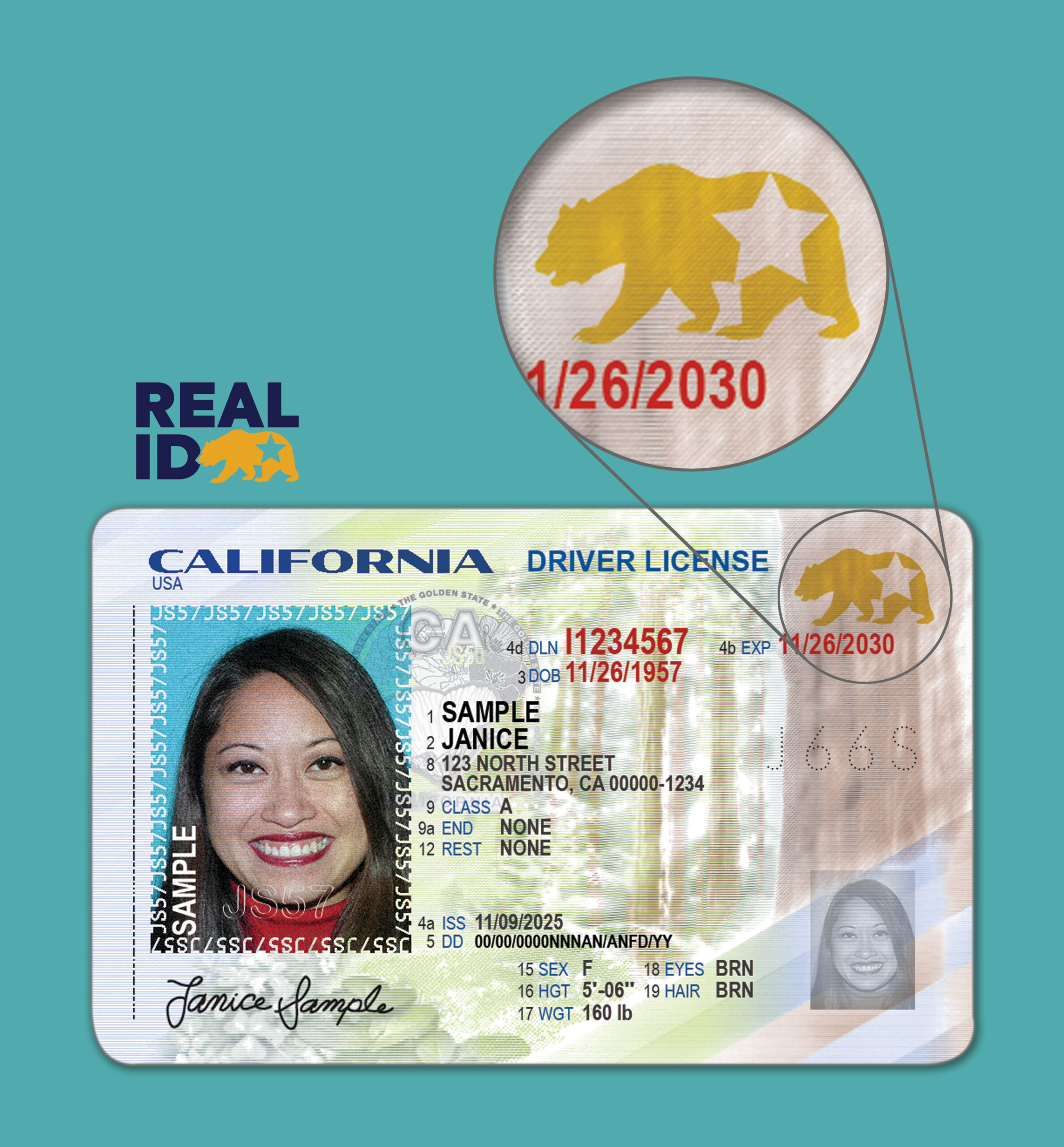
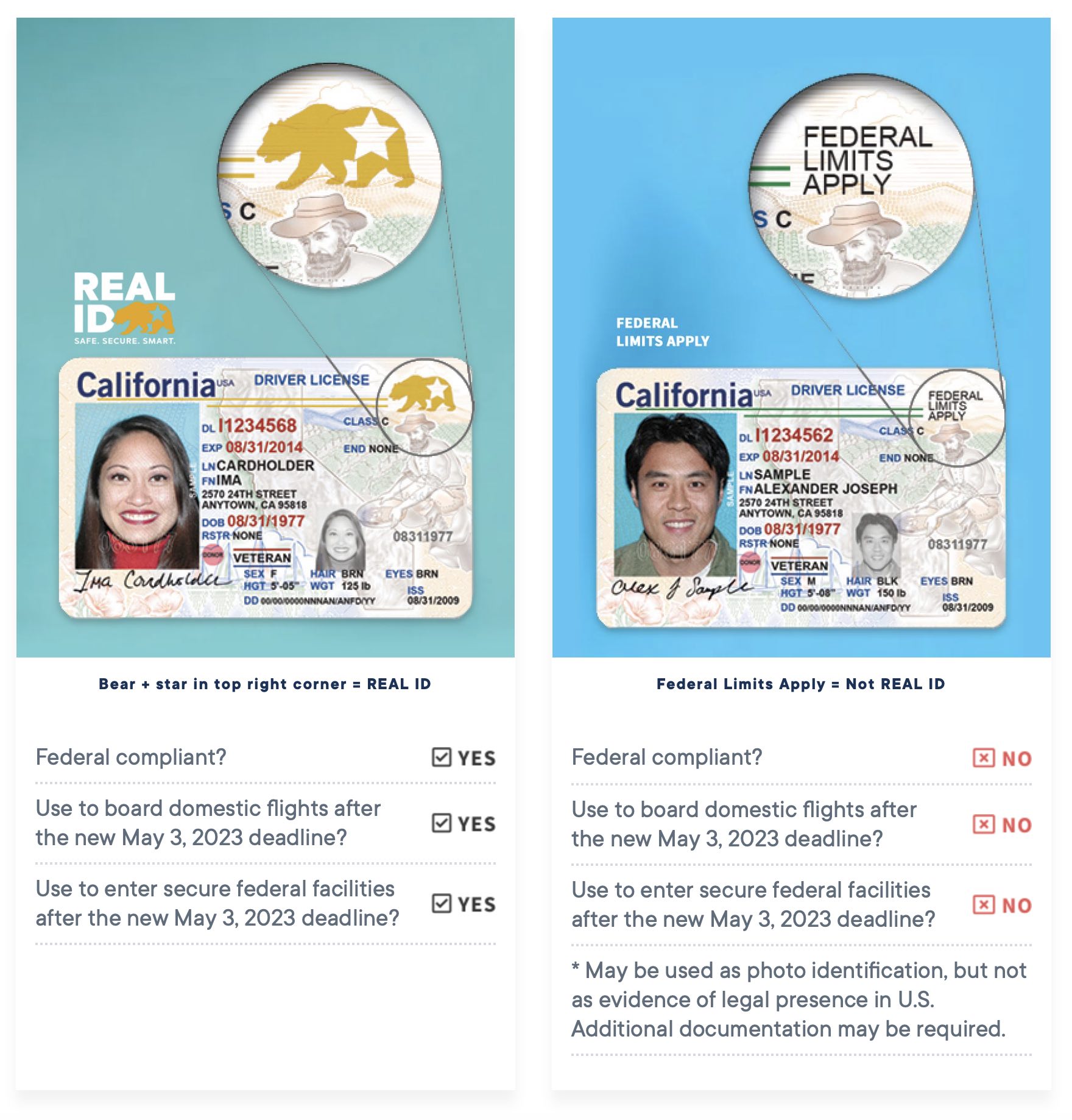
- Understand Real ID: If you plan to use your California ID for domestic air travel, ensure it is a Real ID. The gold bear and star on the card indicate Real ID compliance. This requires additional documentation, so be prepared.
- Know Your Residency: Clearly understand what constitutes proof of residency. If you’re a new arrival, documents like a utility bill in your name might not be immediately available. Explore alternatives like a bank statement or a rental agreement.
- Be Patient: While the DMV aims for efficiency, unforeseen delays can occur. Approach the process with patience, and you’ll find it less taxing.
- Review Your Application: Before submitting, carefully review all the information on your application for accuracy to avoid any issues or delays in receiving your card.
- Keep Temporary ID Safe: Once issued, your temporary paper ID is your official proof of identity until the permanent card arrives. Treat it like a valuable document.
In conclusion, obtaining a California ID is a pragmatic step for anyone planning an extended stay or relocation within the state. It not only fulfills a basic identification need but profoundly enhances your travel experiences, simplifies accommodation logistics, and integrates you more fully into the vibrant California lifestyle. By following these guidelines, you can ensure a smooth process, freeing you up to truly savor everything the Golden State has to offer, from its bustling cities to its tranquil natural wonders.
LifeOutOfTheBox is a participant in the Amazon Services LLC Associates Program, an affiliate advertising program designed to provide a means for sites to earn advertising fees by advertising and linking to Amazon.com. Amazon, the Amazon logo, AmazonSupply, and the AmazonSupply logo are trademarks of Amazon.com, Inc. or its affiliates. As an Amazon Associate we earn affiliate commissions from qualifying purchases.