
The allure of the Golden State is undeniable. Whether you’re planning an extended vacation, relocating for work or study, or simply a domestic traveler within the United States seeking a reliable form of identification, securing a California State ID is a crucial step. More than just a piece of plastic, this official document serves as your gateway to seamless travel, hassle-free accommodation, and full immersion into the vibrant California lifestyle. It’s an essential tool for navigating everyday life, from checking into a luxurious hotel in Beverly Hills to proving your identity for domestic flights between Los Angeles and San Francisco.
This comprehensive guide will walk you through every step of obtaining your California State ID, ensuring a smooth and efficient process. We’ll cover everything from eligibility and the necessary documents to the intricacies of the DMV appointment, and finally, how your new ID can enhance your travel, tourism, and overall experience in one of the world’s most desired destinations. For anyone considering a long-term stay or even a temporary sojourn that requires official identification, understanding this process is paramount. It allows you to focus on enjoying California’s stunning landmarks, diverse local culture, and unparalleled attractions without the stress of identity verification.
Navigating the Essentials: Eligibility and Documentation
Before you even think about stepping foot into a Department of Motor Vehicles (DMV) office, it’s vital to understand the foundational requirements for obtaining a California State ID. This initial phase, often the most crucial, involves determining your eligibility and meticulously gathering all the necessary documentation. A proactive approach here will save you considerable time and potential frustration down the line, ensuring your application process is as seamless as possible.
Who is Eligible for a California State ID?
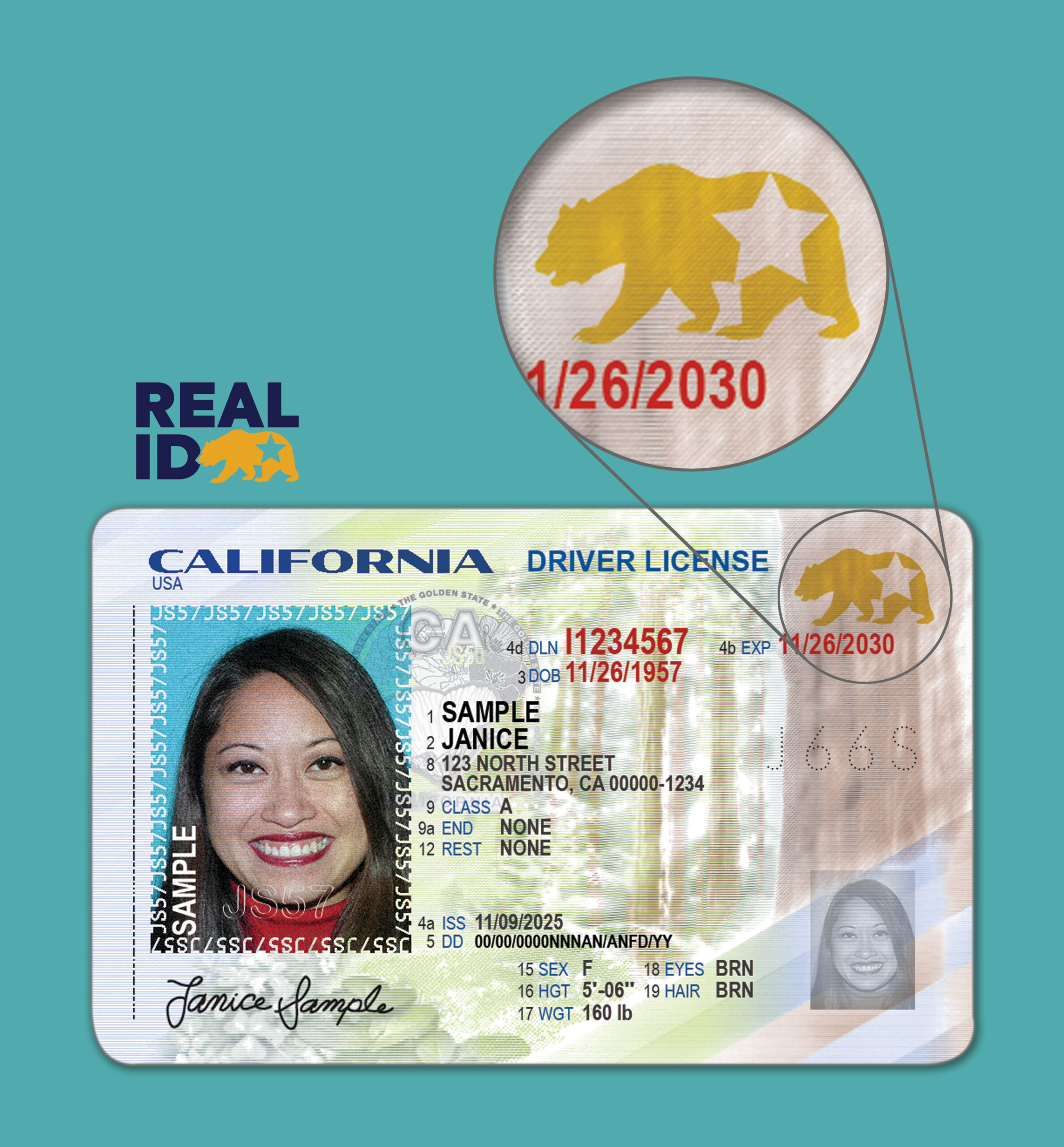
The California State ID card is available to individuals of all ages who can prove their identity and California residency. Unlike a Driver’s License, there’s no driving test involved, making it an accessible form of official identification for non-drivers, seniors, or those who prefer not to drive. While there isn’t a minimum age requirement, minors will typically need a parent or legal guardian to sign their application. The key differentiator between an ID card and a Driver’s License is its primary purpose: the ID card is purely for identification, whereas a Driver’s License grants you the privilege to operate a vehicle. If you’re planning a long-term stay in California and need proof of residency for bank accounts, utility services, or securing long-term apartments, the State ID is your go-to document. It’s also increasingly becoming compliant with REAL ID standards, making it valid for domestic air travel within the U.S. and entry into federal facilities.
Gathering Your Critical Documents
This is where the rubber meets the road. The DMV requires several documents to verify your identity, residency, and legal presence in the United States. It’s imperative to bring original documents or certified copies; photocopies are generally not accepted.
- Proof of Identity: You’ll need at least one primary document establishing your true full name and date of birth. Examples include:
- A valid, unexpired U.S. passport or passport card.
- An original or certified copy of your U.S. Birth Certificate.
- A foreign passport with a valid U.S. Visa and an approved I-94 form.
- A permanent resident card (Green Card).
- Certificate of Naturalization or Citizenship.
- For those without a primary document, the DMV might accept a combination of secondary documents, though this is less common for first-time applicants.
-
Proof of Residency: You need two different documents showing your name and current California address. These prove that you are genuinely living in the state. Acceptable documents include:
- Utility bills (gas, electric, water, trash, cell phone).
- Rental or lease agreements for an apartment or house.
- Mortgage statements.
- Bank statements from a California branch.
- School documents (for minors).
- Employment documents.
- Insurance documents (vehicle, home, health).
- Tax returns.
- It’s important that these documents are recent, typically within the last three months, and clearly display your name and address.
-
Social Security Number (SSN): You must provide your Social Security Number (SSN). If you do not have an SSN but are eligible for one (e.g., you have a valid work permit), you will need to provide documentation from the Social Security Administration indicating your eligibility. If you are not eligible for an SSN, you may still be able to obtain a California ID under specific circumstances, so checking the latest DMV guidelines for non-SSN holders is crucial.
-
Proof of Legal Presence: For non-U.S. citizens, documentation proving your legal presence in the United States is required. This often includes a valid visa, I-94 arrival/departure record, or other immigration documents. The type of ID card issued may be limited to the length of your authorized stay.
Before your appointment, cross-reference your collected documents with the official California DMV checklist. Each document has specific criteria, and a small oversight can lead to a rejected application and a wasted trip. Many applicants use the DMV’s interactive document checklist tool online to ensure they have everything in order. Organizing these documents into a clear folder will significantly streamline your visit.
The DMV Process: From Appointment to Issuance
With your documents meticulously gathered and verified, the next phase involves engaging directly with the California DMV. While the reputation of DMV offices often precedes them, a well-prepared approach can make the experience surprisingly smooth. This section details how to navigate the appointment system, what to expect during your visit, and the final steps to receiving your official California State ID.
Scheduling Your DMV Appointment
The days of simply walking into a DMV office and expecting immediate service are largely gone. Scheduling an appointment online is highly recommended, if not essential, to minimize wait times and ensure you are seen promptly. The official California DMV website is your primary resource for this. Look for the “Make an Appointment” section and select “ID Card Application.” You’ll be able to choose a convenient DMV office near your California residence, whether that’s in bustling Santa Monica, vibrant San Diego, or the urban hub of Oakland.
Popular DMV locations and peak times (like early mornings or lunch hours) tend to book up quickly, so consider scheduling your appointment several weeks in advance. If you find no immediate appointments available, check back frequently as cancellations do occur, or consider extending your search to slightly less central DMV locations. The small effort of driving a bit further can often save you hours of waiting. Remember to print out your confirmation or have it readily accessible on your phone, as you’ll need it upon arrival.
Your Visit to the DMV
On the day of your appointment, arrive a few minutes early. Bring all your original documents, your completed DMV ID card application form (which you can often fill out online beforehand to save time), and the required application fee. Fees vary, so check the current rates on the DMV website. Most DMV offices accept various payment methods, including cash, check, debit card, and credit card.
Upon arrival, check in with the attendant, who will verify your appointment and direct you to the appropriate waiting area. When your number is called, you will proceed to a service window where a DMV representative will:
- Review Your Documents: They will carefully examine all your identity, residency, and legal presence documents. Be prepared to answer questions about their authenticity.
- Complete the Application: If you haven’t filled it out online, you’ll do so now.
- Fingerprinting: Digital fingerprints will be taken for security purposes.
- Photo: A photo will be taken for your ID card. It’s a good idea to dress neatly and be prepared for this, as it will be on your official identification for years to come.
- Signature: You’ll sign your name electronically, which will appear on your card.
- Pay the Fee: Submit your application fee.
Once all steps are completed, you will typically be issued a temporary California State ID card, which is a paper document. This temporary ID is valid immediately for identification purposes, though it’s always wise to carry a secondary form of ID (like your passport) until your permanent card arrives.
Receiving Your Official California State ID
After your successful DMV visit, the waiting period for your permanent California State ID card generally ranges from 2 to 4 weeks. The card will be mailed to the California address you provided during your application. It’s crucial to ensure your mailing address is accurate and secure. If you haven’t received your card within the expected timeframe, you can check the status of your application online via the DMV website.
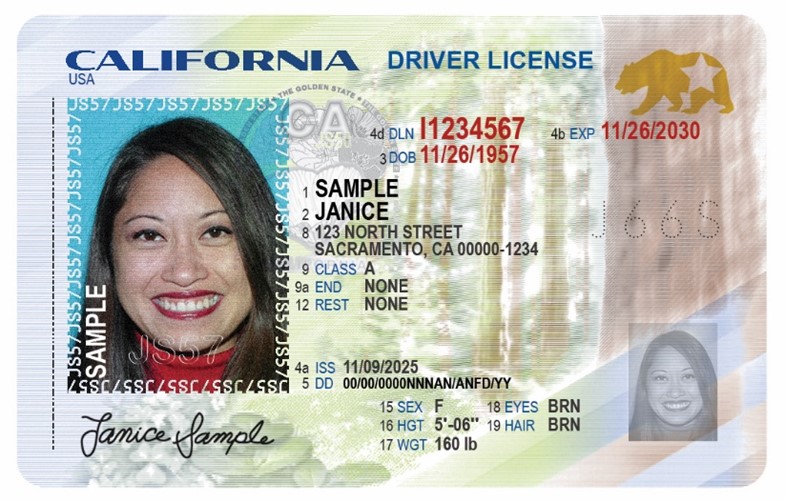
The new California State ID cards are designed with advanced security features to prevent fraud, including holographic images and fine-line printing. Once it arrives, double-check all the information printed on the card for accuracy. Keep it safe, as it will be your primary form of identification for many aspects of life and travel within the Golden State and beyond.
Unlock the Golden State: Benefits for Travel, Accommodation, and Lifestyle
Obtaining your California State ID is more than just fulfilling a bureaucratic requirement; it’s an investment in a smoother, more integrated experience of life and travel within the Golden State. This official document unlocks a myriad of conveniences, enhancing everything from your holiday planning to establishing roots in California.
Seamless Travel and Tourism in California
With a California State ID, especially one that is REAL ID compliant, domestic air travel becomes effortless. Flying from San Francisco International Airport to Los Angeles International Airport, or any other domestic route, is streamlined as your ID serves as primary identification at TSA checkpoints. This eliminates the need to carry a passport for internal flights, offering greater peace of mind.
Beyond airports, your ID is invaluable for exploring California’s world-renowned attractions and embarking on unforgettable road trips. Imagine flashing your official ID to gain entry to iconic theme parks like Disneyland in Anaheim or Universal Studios Hollywood in Los Angeles, or for renting a car to cruise down the scenic Highway 1 along the Pacific Coast. Many museums and cultural institutions across California, from the Getty Center to the California Academy of Sciences, accept a state ID for entry or for resident discounts. Your ID simplifies age verification for various activities, from enjoying Napa Valley’s finest wines to experiencing the vibrant nightlife of Hollywood.
Enhancing Your Accommodation and Residency
For visitors planning extended stays and new residents, the California State ID is a fundamental document for securing accommodation. Checking into any hotel, whether a budget-friendly option or a luxurious resort like The Ritz-Carlton, Laguna Niguel, becomes a straightforward process. Your state ID serves as clear proof of identity, often required alongside a credit card for deposits and verification.
More significantly, for those establishing residency, the ID is indispensable. It acts as official proof of address for opening bank accounts, which is essential for managing finances during long-term stays. It simplifies the process of signing lease agreements for apartments or houses, ensuring a smooth transition into your new California home. Beyond basic needs, many local businesses and organizations offer resident-only perks or discounted rates, which your state ID can help you access. This not only makes life more convenient but can also contribute to a more budget-friendly lifestyle by leveraging local offers.
Embracing the California Lifestyle
Finally, your California State ID fully integrates you into the myriad experiences the Golden State has to offer. It’s an accepted form of identification for accessing local services, joining community groups, or participating in recreational activities. From enjoying the diverse food scenes of San Francisco or Los Angeles, to visiting world-famous landmarks like the Golden Gate Bridge or the Hollywood Sign, your ID affirms your presence and belonging.
It helps in navigating daily life, from picking up prescriptions to verifying age for purchases. For families, it’s vital for school enrollment and accessing local family-oriented programs. Whether your lifestyle in California leans towards luxury travel and exclusive resorts or a more budget-conscious exploration of national parks like Yosemite and Redwood National Park, having official state identification removes common hurdles and lets you truly embrace all the Golden State has in store.
Your California State ID is more than just a piece of identification; it’s your key to unlocking the full potential of life, travel, and tourism in one of the most dynamic states in the United States. By following these steps, you’ll swiftly navigate the process and soon be enjoying all the incredible experiences California has to offer.
LifeOutOfTheBox is a participant in the Amazon Services LLC Associates Program, an affiliate advertising program designed to provide a means for sites to earn advertising fees by advertising and linking to Amazon.com. Amazon, the Amazon logo, AmazonSupply, and the AmazonSupply logo are trademarks of Amazon.com, Inc. or its affiliates. As an Amazon Associate we earn affiliate commissions from qualifying purchases.